1. ArchDaily
  2. Architecture News

Architecture News

Foster + Partners Wins Competition to Design the National Memorial to Queen Elizabeth II

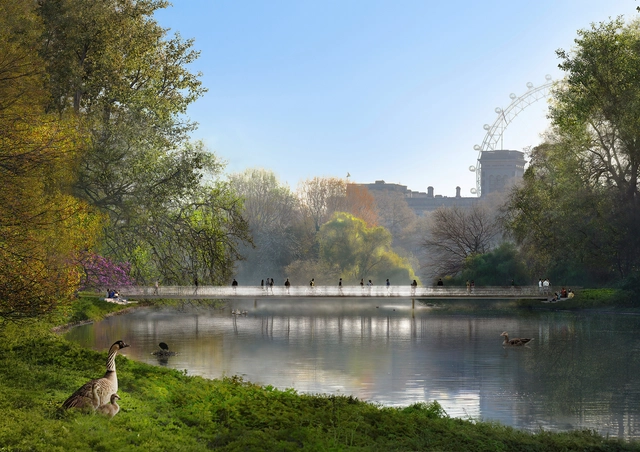
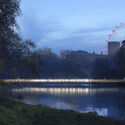
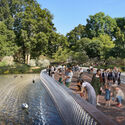
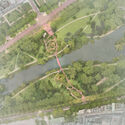
Foster + Partners has won the competition to design the national memorial to Queen Elizabeth II. In February 2025, five finalist teams were selected by the Queen Elizabeth Memorial Committee to develop a master plan honoring and celebrating the late Queen. The memorial aims to provide visitors with a space for reflection in London's St James's Park, a site of historical and constitutional significance. Foster + Partners' winning proposal features a new bridge inspired by the Queen's wedding tiara, a Prince Philip Gate, and new gardens. The design will continue to be developed until April 2026.

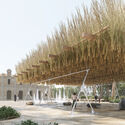
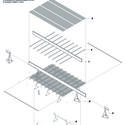
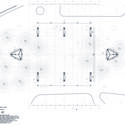
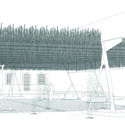
Foster + Partners Wins Competition to Design the National Memorial to Queen Elizabeth II - Image 1 of 4Foster + Partners Wins Competition to Design the National Memorial to Queen Elizabeth II - Image 2 of 4Foster + Partners Wins Competition to Design the National Memorial to Queen Elizabeth II - Image 3 of 4Foster + Partners Wins Competition to Design the National Memorial to Queen Elizabeth II - Image 4 of 4Foster + Partners Wins Competition to Design the National Memorial to Queen Elizabeth II - More Images+ 6

World’s Most Liveable Cities in 2025: Discover the Cities With the Top Quality of Life

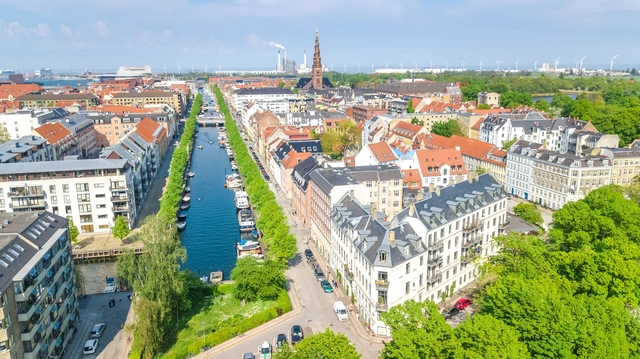
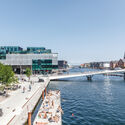
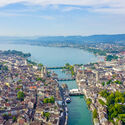
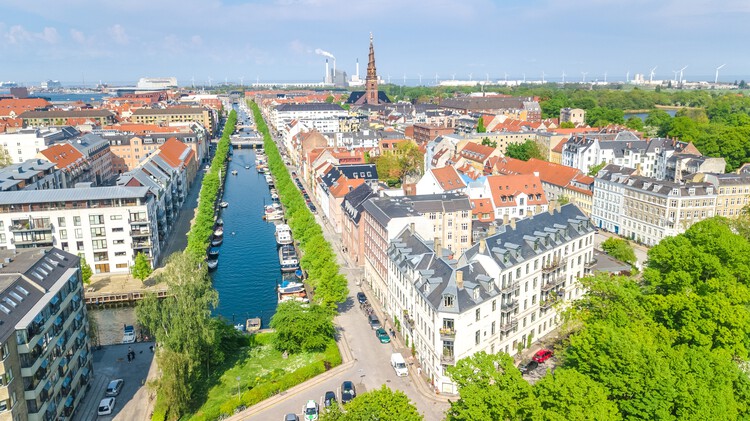
The Economist Intelligence Unit (EIU) has released its Global Liveability Index for 2025, assessing 173 cities worldwide across five categories: stability, healthcare, culture and environment, education, and infrastructure. This year, Copenhagen has taken the top position, ending Vienna's three-year run as the world's most liveable city. The Danish capital earned high scores in stability, education, and infrastructure, narrowly surpassing Vienna, which saw a decline in its stability rating following recent security incidents. The average global liveability score for 2025 remains steady at 76.1 out of 100, unchanged from 2024. While year-on-year improvements were recorded in healthcare, education, and infrastructure, these were offset by a continued decline in stability, driven by rising geopolitical tensions, civil unrest, and increased security threats in several regions.

World’s Most Liveable Cities in 2025: Discover the Cities With the Top Quality of Life - Image 1 of 4World’s Most Liveable Cities in 2025: Discover the Cities With the Top Quality of Life - Image 2 of 4World’s Most Liveable Cities in 2025: Discover the Cities With the Top Quality of Life - Image 3 of 4World’s Most Liveable Cities in 2025: Discover the Cities With the Top Quality of Life - Image 4 of 4World’s Most Liveable Cities in 2025: Discover the Cities With the Top Quality of Life - More Images+ 7

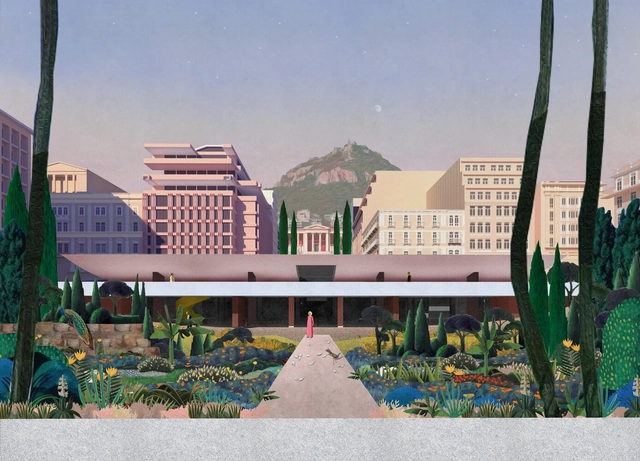
Winners of the EUmies Awards for Young Talent 2025 Highlight Reuse and Collective Resilience

During the EUmies Awards Day in Venice, representatives from the Creative Europe program and the Fundació Mies van der Rohe revealed the four student project winners of the EUmies Awards Young Talent 2025. The award recognizes architecture projects for their capacity to respond to contemporary social, urban, and environmental challenges. The event was held within the context of the 19th International Architecture Exhibition – La Biennale di Venezia, inviting winners, jury members, and institutional representatives to engage in dialogue around four key themes, aligned with the Biennale's curatorial proposal: Artificial, Natural, Collective, and Intelligens.

Winners of the EUmies Awards for Young Talent 2025 Highlight Reuse and Collective Resilience - Image 1 of 4Winners of the EUmies Awards for Young Talent 2025 Highlight Reuse and Collective Resilience - Image 2 of 4Winners of the EUmies Awards for Young Talent 2025 Highlight Reuse and Collective Resilience - Image 3 of 4Winners of the EUmies Awards for Young Talent 2025 Highlight Reuse and Collective Resilience - Image 4 of 4Winners of the EUmies Awards for Young Talent 2025 Highlight Reuse and Collective Resilience - More Images+ 38

Concéntrico 2025 Opens in Logroño, Spain, With 24 Urban Interventions

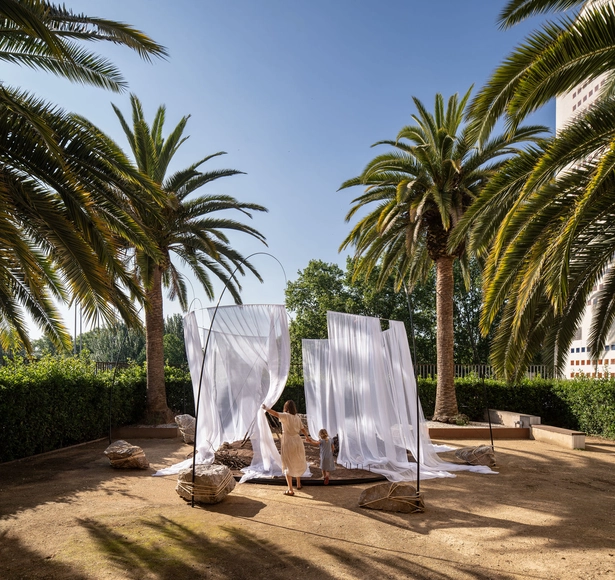
The 11th edition of Concéntrico, the International Festival of Architecture and Design, is currently taking place in Logroño, Spain, from June 19 to 24, 2025. This year's edition broadens the scope of the festival with a multifaceted programme that includes not only temporary installations but also permanent projects, exhibitions, educational initiatives, and traveling events. Through 24 urban interventions, Concéntrico 2025 explores themes such as material reuse and circular design, food as a collective practice, the recovery of water-related spaces, the activation of urban voids, and interspecies connections in the urban context, while emphasizing the need to imagine new ways of inhabiting the city, placing care, sustainability, empathy, and active listening at the core of public architecture.

Concéntrico 2025 Opens in Logroño, Spain, With 24 Urban Interventions - Image 1 of 4Concéntrico 2025 Opens in Logroño, Spain, With 24 Urban Interventions - Image 2 of 4Concéntrico 2025 Opens in Logroño, Spain, With 24 Urban Interventions - Image 3 of 4Concéntrico 2025 Opens in Logroño, Spain, With 24 Urban Interventions - Image 4 of 4Concéntrico 2025 Opens in Logroño, Spain, With 24 Urban Interventions - More Images+ 148

Zaha Hadid Architects Designs Master Plan for Sharjah Featuring Two-Kilometre Central Oasis

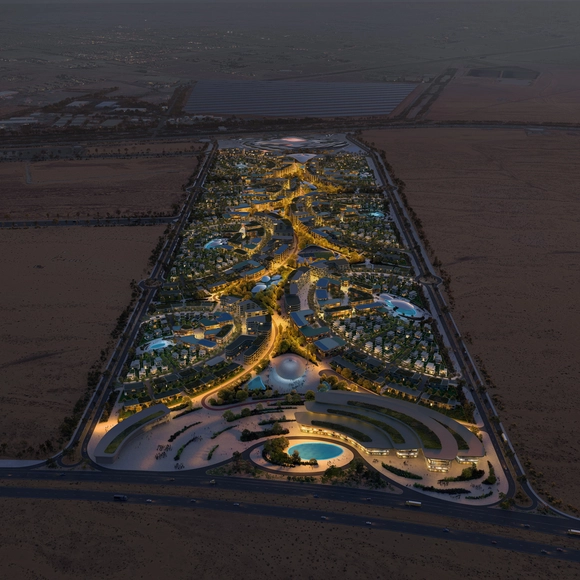
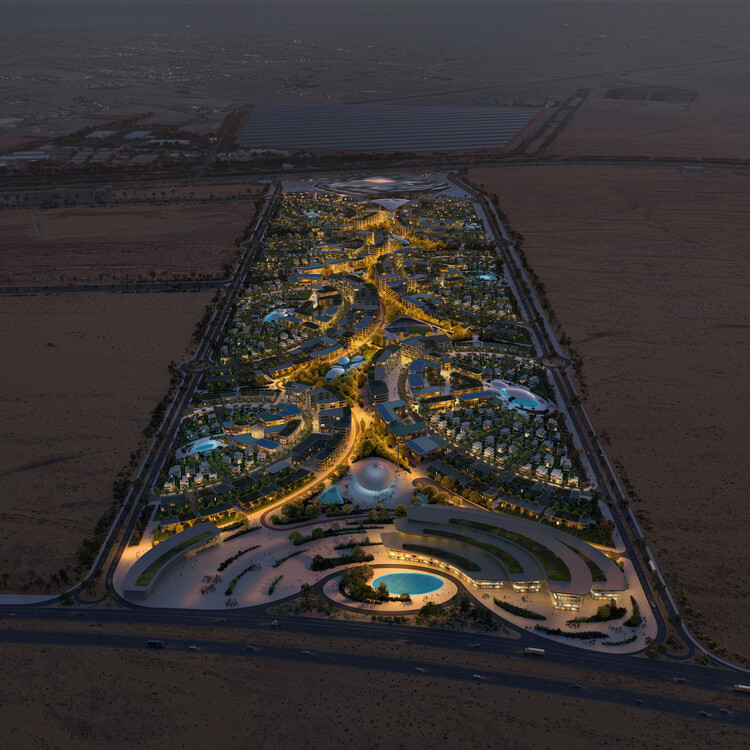
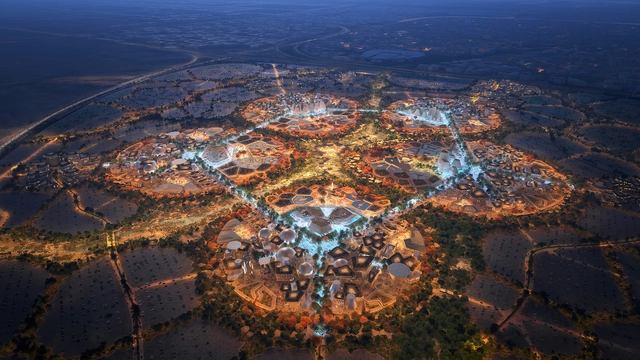
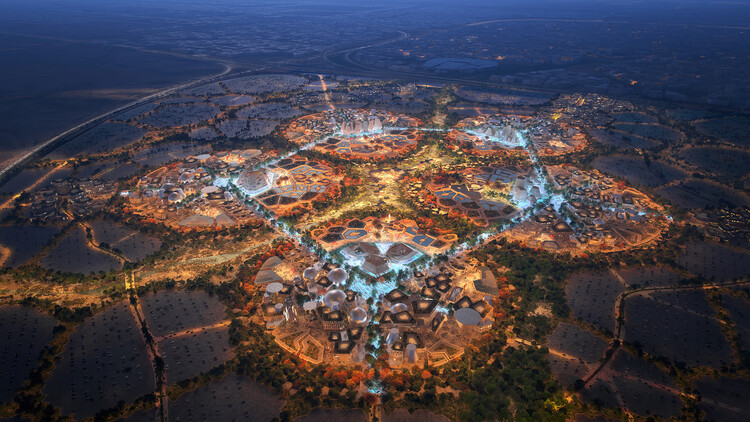
Zaha Hadid Architects (ZHA) has unveiled images of a master plan for Khalid Bin Sultan City in Sharjah, United Arab Emirates. Located adjacent to its BEEAH Headquarters, the development draws inspiration from that building's design, incorporating fluid architectural forms reminiscent of wind-swept desert dunes. Planned as a design and business district, the new urban area will consist of seven residential neighbourhoods connected by shaded walkways and anchored by a two-kilometre-long central oasis.

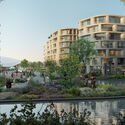
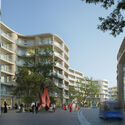
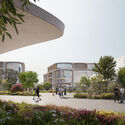
Zaha Hadid Architects Designs Master Plan for Sharjah Featuring Two-Kilometre Central Oasis - Image 1 of 4Zaha Hadid Architects Designs Master Plan for Sharjah Featuring Two-Kilometre Central Oasis - Image 2 of 4Zaha Hadid Architects Designs Master Plan for Sharjah Featuring Two-Kilometre Central Oasis - Image 3 of 4Zaha Hadid Architects Designs Master Plan for Sharjah Featuring Two-Kilometre Central Oasis - Image 4 of 4Zaha Hadid Architects Designs Master Plan for Sharjah Featuring Two-Kilometre Central Oasis - More Images+ 1

CCA Releases Documentary on Carla Juaçaba’s Work to Support Forest Conservation in Brazil's Coffee Region

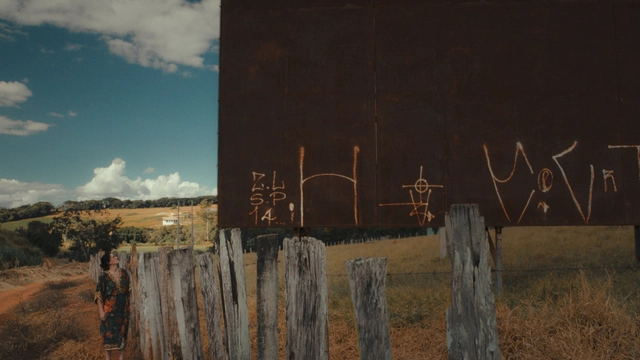
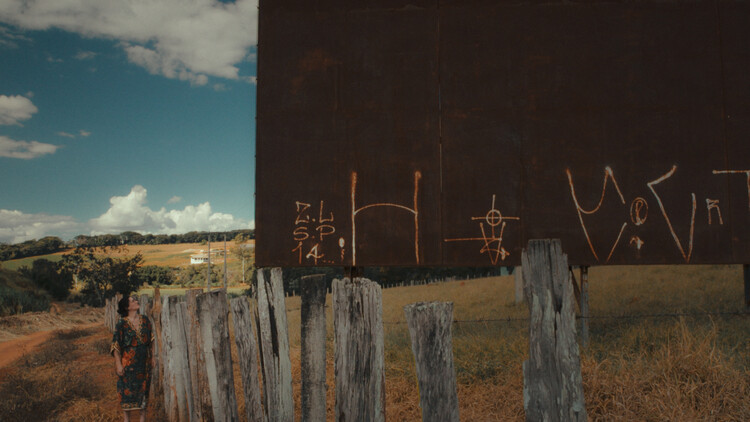
The Canadian Centre for Architecture (CCA) launched a documentary and exhibition, "With an Acre", the third and final chapter of the series Groundwork, which explores how contemporary architects cultivate alternative modes of practice to address the ecological crisis. The documentary follows the work of architect Carla Juaçaba in Minas Gerais, Brazil, where she is developing pavilions in a coffee field where collectives resist extractive industrial agriculture. The narrative examines the role of architects in extractivist contexts facing land regeneration challenges and unstable climatic conditions, as well as the tools smallholder farmers can use to cope with the environmental and social consequences of colonial settlement, urbanization, and industrialization.

CCA Releases Documentary on Carla Juaçaba’s Work to Support Forest Conservation in Brazil's Coffee Region - Image 6 of 4CCA Releases Documentary on Carla Juaçaba’s Work to Support Forest Conservation in Brazil's Coffee Region - Image 5 of 4CCA Releases Documentary on Carla Juaçaba’s Work to Support Forest Conservation in Brazil's Coffee Region - Image 1 of 4CCA Releases Documentary on Carla Juaçaba’s Work to Support Forest Conservation in Brazil's Coffee Region - Image 2 of 4CCA Releases Documentary on Carla Juaçaba’s Work to Support Forest Conservation in Brazil's Coffee Region - More Images+ 9

NYC’s First River-Based, Water-Filtering Pool Takes Shape at Pier 35

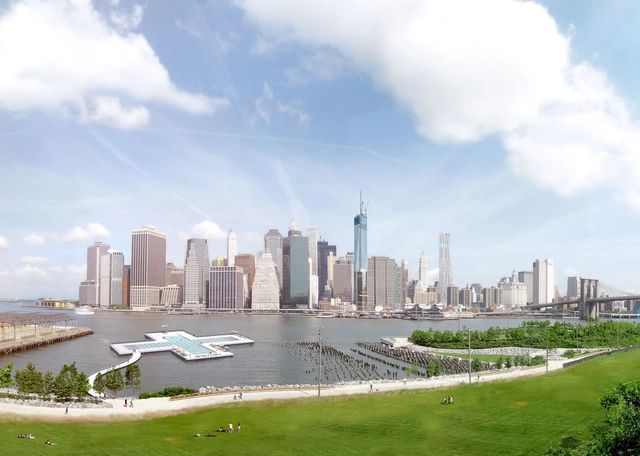
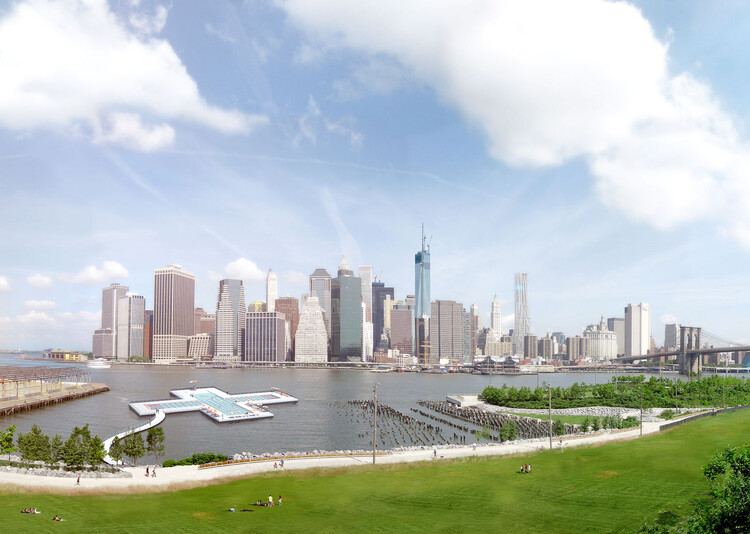
Friends of + POOL has announced the next steps in the realization of New York City's first water-filtering floating swimming pool, to be installed at Pier 35, north of the Manhattan and Brooklyn Bridges. The project seeks to provide safe public access to swimming in the city's rivers by integrating a custom-designed filtration system into a floating pool structure. Installation at Pier 35 is scheduled for May 2026, when the pool will enter its final phase of evaluation. Public access will be contingent on the successful completion of large-scale filtration testing and the full build-out of the facility for safe public use.

NYC’s First River-Based, Water-Filtering Pool Takes Shape at Pier 35 - Image 1 of 4NYC’s First River-Based, Water-Filtering Pool Takes Shape at Pier 35 - Image 2 of 4NYC’s First River-Based, Water-Filtering Pool Takes Shape at Pier 35 - Image 3 of 4NYC’s First River-Based, Water-Filtering Pool Takes Shape at Pier 35 - Image 4 of 4NYC’s First River-Based, Water-Filtering Pool Takes Shape at Pier 35 - More Images+ 4

Conservation Campaign by Melbourne Citizens Successfully Extends Tadao Ando’s MPavilion until 2030

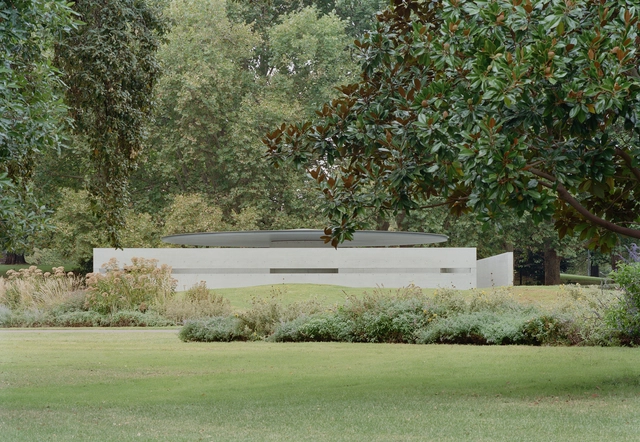
Every year, the Naomi Milgrom Foundation commissions an architect to design a temporary pavilion for the Queen Victoria Gardens, in the center of Melbourne's Southbank Arts Precinct. The pavilions are then transferred to the state of Victoria. The tenth edition of the MPavilion was designed by Pritzker Prize Laureate Tadao Ando as his first and only built work in Australia and the southern hemisphere. The pavilion opened on November 16, 2023, and its presence was extended until March 2025, hosting a wide-ranging program of cultural events over two summer seasons. After facing demolition, given the temporary nature of the initiative, a community-led program, "Preserve the Pavilion", was launched in hopes of preserving the building. The Naomi Milgrom Foundation has recently announced that the pavilion will remain in Queen Victoria Gardens until 2030, following a decision by the City of Melbourne.

Conservation Campaign by Melbourne Citizens Successfully Extends Tadao Ando’s MPavilion until 2030 - Image 1 of 4Conservation Campaign by Melbourne Citizens Successfully Extends Tadao Ando’s MPavilion until 2030 - Image 2 of 4Conservation Campaign by Melbourne Citizens Successfully Extends Tadao Ando’s MPavilion until 2030 - Image 3 of 4Conservation Campaign by Melbourne Citizens Successfully Extends Tadao Ando’s MPavilion until 2030 - Image 4 of 4Conservation Campaign by Melbourne Citizens Successfully Extends Tadao Ando’s MPavilion until 2030 - More Images+ 4

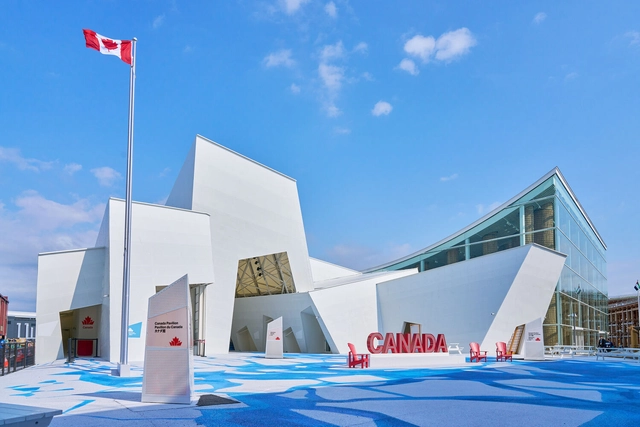
Canada Pavilion Explores Renewal at Expo Osaka 2025

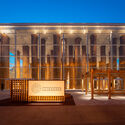
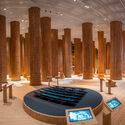
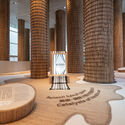
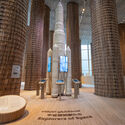
The Canada Pavilion at Expo 2025 Osaka features interactive exhibits and installations that present the country's innovation, culture, and diversity. Designed under the creative direction of Robert Lepage, the pavilion offers an immersive experience aimed at introducing Canada's values and capabilities to a global audience. Additionally, it aims to showcase Canadian innovation, resources, investment, and education to the broader Indo-Pacific region. Centered around regeneration, the design is in line with the broader theme at the Expo: "Designing the Future Society for Our Lives."

Expo 2030 Riyadh Unveils First Details of Its Masterplan

The Bureau International des Expositions (BIE) General Assembly in Paris has officially approved the Registration Dossier for Expo 2030 Riyadh, formally confirming Saudi Arabia as the host of the upcoming World Expo. With this milestone, the next phase of preparations will begin, including the official invitation of participating countries through diplomatic channels. Coinciding with the approval, the initial masterplan for the Expo site designed by LAVA, the Laboratory for Visionary Architecture, has been unveiled. Scheduled to take place from October 1, 2030, to March 31, 2031, the event will be held on a site in Riyadh, designed to accommodate more than 40 million visits and host over 195 participating nations.

Expo 2030 Riyadh Unveils First Details of Its Masterplan - Image 1 of 4Expo 2030 Riyadh Unveils First Details of Its Masterplan - Image 2 of 4Expo 2030 Riyadh Unveils First Details of Its Masterplan - Image 3 of 4Expo 2030 Riyadh Unveils First Details of Its Masterplan - Image 4 of 4Expo 2030 Riyadh Unveils First Details of Its Masterplan - More Images

HWKN Develops AI-Planned Commercial District in Central Sharjah, UAE

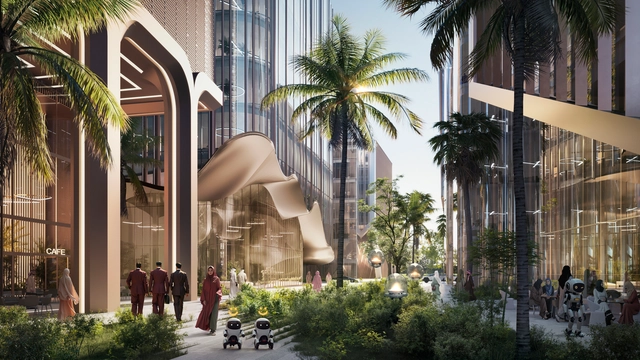
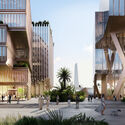
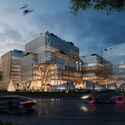
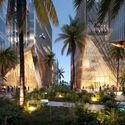
Architecture firm HWKN has been commissioned by Al Marwan Real Estate Development to design eleven distinct buildings for a new commercial neighborhood in central Sharjah, the third most populous city in the United Arab Emirates. The district, featuring offices, retail spaces, cafés, childcare and healthcare facilities, specialized institutes, and a mosque, has been fully researched, conceptualized, and planned using Artificial Intelligence (AI).

HWKN Develops AI-Planned Commercial District in Central Sharjah, UAE - Image 1 of 4HWKN Develops AI-Planned Commercial District in Central Sharjah, UAE - Image 2 of 4HWKN Develops AI-Planned Commercial District in Central Sharjah, UAE - Image 3 of 4HWKN Develops AI-Planned Commercial District in Central Sharjah, UAE - Image 4 of 4HWKN Develops AI-Planned Commercial District in Central Sharjah, UAE - More Images+ 1

Togo’s First Participation in the Venice Architecture Biennale Presents a Curated View of Its National Heritage

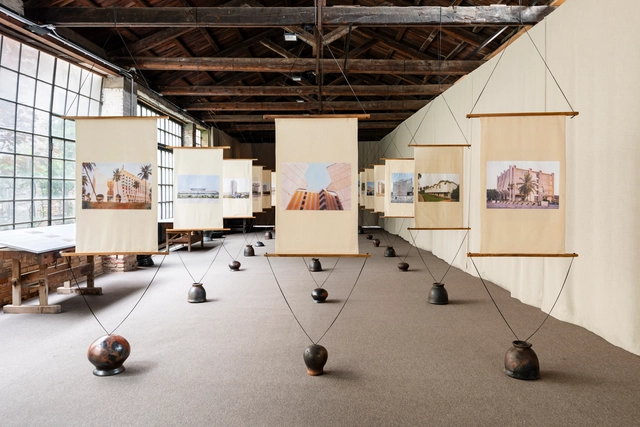
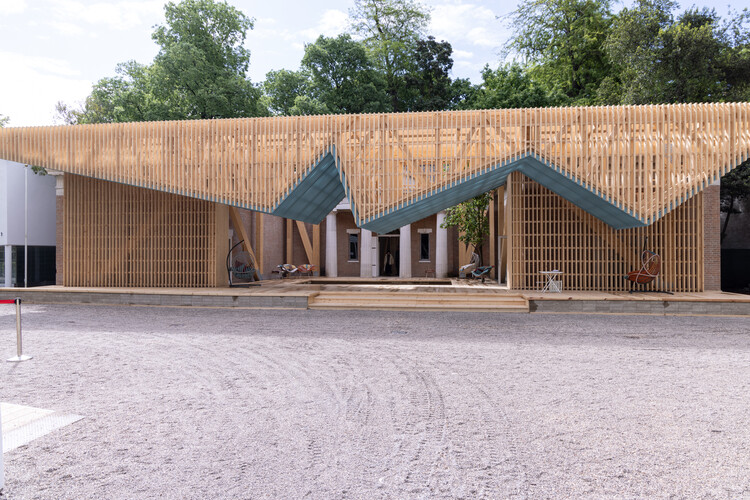
The Republic of Togo presents its first pavilion at the 19th International Architecture Exhibition – La Biennale di Venezia 2025 with a project titled Considering Togo's Architectural Heritage. The inaugural pavilion is curated by Studio NEiDA, an architecture and research practice co-founded by architect Jeanne Autran-Edorh and curator Fabiola Büchele. Based in Lomé and Berlin, the studio is dedicated to equitable design processes, applying an Afrocentric lens to contemporary architectural discourse. The exhibition, located at Venice's Squero Castello, explores Togo's architectural narratives from the early 20th century, focusing on themes of conservation and transformation.

Togo’s First Participation in the Venice Architecture Biennale Presents a Curated View of Its National Heritage - Image 1 of 4Togo’s First Participation in the Venice Architecture Biennale Presents a Curated View of Its National Heritage - Image 2 of 4Togo’s First Participation in the Venice Architecture Biennale Presents a Curated View of Its National Heritage - Image 3 of 4Togo’s First Participation in the Venice Architecture Biennale Presents a Curated View of Its National Heritage - Image 4 of 4Togo’s First Participation in the Venice Architecture Biennale Presents a Curated View of Its National Heritage - More Images+ 21

The European Citizens’ Initiative HouseEurope! Receives the 2025 OBEL Award

HouseEurope!, a registered non-profit organization focused on promoting the social and ecological transformation of Europe's built environment, has received the 2025 OBEL Award. Presented annually by the Henrik Frode Obel Foundation, the award recognizes architectural contributions with the potential to drive meaningful change. Aligned with this year's theme, "Ready Made," the OBEL Award Jury selected HouseEurope! for its efforts in raising awareness and fostering public engagement around the need for a shift in construction and housing practices across Europe.

The European Citizens’ Initiative HouseEurope! Receives the 2025 OBEL Award - Image 1 of 4The European Citizens’ Initiative HouseEurope! Receives the 2025 OBEL Award - Image 2 of 4The European Citizens’ Initiative HouseEurope! Receives the 2025 OBEL Award - Image 3 of 4The European Citizens’ Initiative HouseEurope! Receives the 2025 OBEL Award - Image 4 of 4The European Citizens’ Initiative HouseEurope! Receives the 2025 OBEL Award - More Images+ 4

Lesley Lokko Launches Nomadic African Studio to Lead Architecture Workshops Across Africa

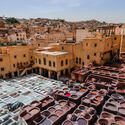
Lesley Lokko, the Scottish-Ghanaian architect, curator of the 18th Venice Architecture Biennale, and the first Black woman to receive the RIBA Royal Gold Medal, has recently launched Nomadic African Studio, an educational program for young architects. The initiative is organized by Lokko's African Futures Institute (AFI) and is inspired by her experience establishing the Biennale College Architettura in 2023, a program for graduate students, recent graduates, early-career academics, and emerging practitioners to explore new possibilities for architectural education, which has also been continued for the 2025 edition. Nomadic African Studio consists of a series of fully funded, month-long studios across the African continent, "basing locations on themes, rather than places." The first edition is set to begin in July 2025, in Fez, Morocco.

Lesley Lokko Launches Nomadic African Studio to Lead Architecture Workshops Across Africa - Image 1 of 4Lesley Lokko Launches Nomadic African Studio to Lead Architecture Workshops Across Africa - Image 2 of 4Lesley Lokko Launches Nomadic African Studio to Lead Architecture Workshops Across Africa - Image 3 of 4Lesley Lokko Launches Nomadic African Studio to Lead Architecture Workshops Across Africa - Image 4 of 4Lesley Lokko Launches Nomadic African Studio to Lead Architecture Workshops Across Africa - More Images+ 2

Romanian Pavilion at the 2025 Venice Biennale Explores Architecture Through the Human Figure

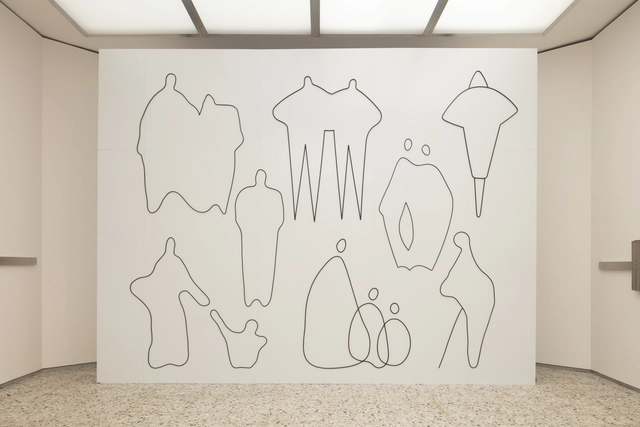
Romanian Pavilion at the 19th International Architecture Exhibition – La Biennale di Venezia presents HUMAN SCALE, an exhibition and research initiative that explores the intersection of architecture and visual arts. Curated by Cosmina Goagea, the project brings together the work of contemporary artist Vlad Nancă and architecture duo Muromuro Studio. On view at both the Romanian Pavilion in the Giardini della Biennale and the New Gallery of the Romanian Institute of Culture and Humanistic Research in Venice, the exhibition explores how architectural representations not only shape but also convey collective ideas and social aspirations.

Romanian Pavilion at the 2025 Venice Biennale Explores Architecture Through the Human Figure - Image 1 of 4Romanian Pavilion at the 2025 Venice Biennale Explores Architecture Through the Human Figure - Image 2 of 4Romanian Pavilion at the 2025 Venice Biennale Explores Architecture Through the Human Figure - Image 3 of 4Romanian Pavilion at the 2025 Venice Biennale Explores Architecture Through the Human Figure - Image 4 of 4Romanian Pavilion at the 2025 Venice Biennale Explores Architecture Through the Human Figure - More Images

TAC! 2025 Urban Architecture Festival: Winning Pavilions Celebrate Local Materials and Coastal Culture in Spain

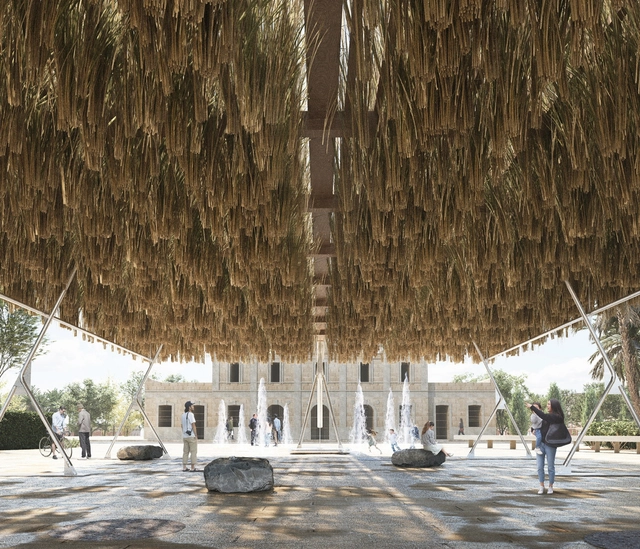
The TAC! Urban Architecture Festival is held annually in Spain with the aim of bringing contemporary architecture closer to the public through installations in various cities, including Granada, San Sebastián, Valencia, Vigo, and San Fernando. Organized by the Ministry of Housing and Urban Agenda in collaboration with Fundación Arquia, the festival seeks to promote experimentation in architecture by constructing temporary pavilions for cultural events and gatherings. The 2025 edition of the festival will take place in two locations: Casa Mediterráneo in Alicante and Plaza Stagno in Las Palmas de Gran Canaria. The pavilions are selected each year through an open call for young architects up to 45 years old. This year's winners have already been announced: the ESPARTAL project by ELE Arkitektura, GA Estudio, Florencia Galecio, and Juan Gubbins; and DE ROCA MADRE by Alejandro Carrasco Hidalgo, Eduardo Cilleruelo Terán, Alberto Martínez García, and Andrea Molina Cuadro.

TAC! 2025 Urban Architecture Festival: Winning Pavilions Celebrate Local Materials and Coastal Culture in Spain - Image 1 of 4TAC! 2025 Urban Architecture Festival: Winning Pavilions Celebrate Local Materials and Coastal Culture in Spain - Image 2 of 4TAC! 2025 Urban Architecture Festival: Winning Pavilions Celebrate Local Materials and Coastal Culture in Spain - Image 3 of 4TAC! 2025 Urban Architecture Festival: Winning Pavilions Celebrate Local Materials and Coastal Culture in Spain - Image 4 of 4TAC! 2025 Urban Architecture Festival: Winning Pavilions Celebrate Local Materials and Coastal Culture in Spain - More Images+ 14

Populous Reveals Designs for Shah Alam Sports Complex Redevelopment in Malaysia

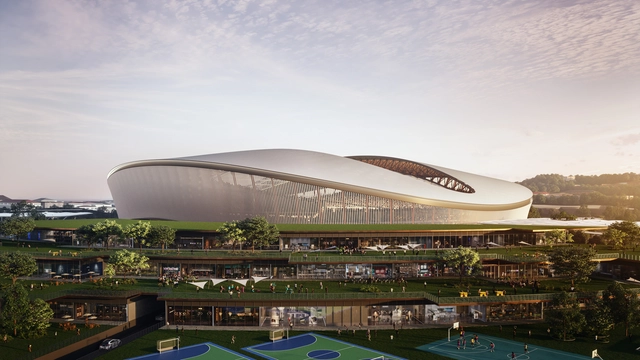
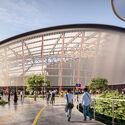
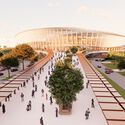
Populous, in collaboration with Malaysian practice HIJJAS Architects + Planners, has released the design for the new Shah Alam Sports Complex in Selangor, Malaysia. Anchoring the Kompleks Sukan Shah Alam (KSSA) masterplan, the stadium sits at the heart of a 188-acre redevelopment led by Populous that aims to transform the site into a major public and civic destination. Originally opened over 25 years ago, the existing Shah Alam Stadium has been a significant venue in the country's sporting history. The new proposal retains the original stadium's silhouette while introducing contemporary architectural and technical upgrades to support current and future needs. Redevelopment works, including the demolition of the aging structure, are planned over 48 months, with completion targeted for 2029.

Populous Reveals Designs for Shah Alam Sports Complex Redevelopment in Malaysia - Image 1 of 4Populous Reveals Designs for Shah Alam Sports Complex Redevelopment in Malaysia - Image 2 of 4Populous Reveals Designs for Shah Alam Sports Complex Redevelopment in Malaysia - Image 3 of 4Populous Reveals Designs for Shah Alam Sports Complex Redevelopment in Malaysia - Image 4 of 4Populous Reveals Designs for Shah Alam Sports Complex Redevelopment in Malaysia - More Images+ 3

Copenhagen Architecture Biennial 2025 Reveals 'Slow Pavilion' Designs Built from Reused Materials

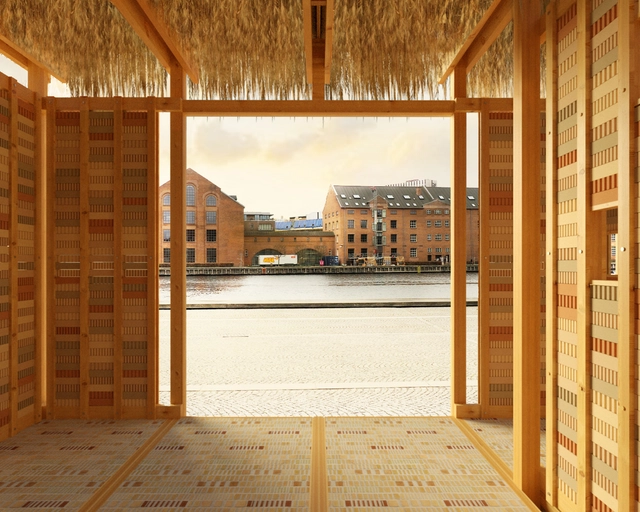
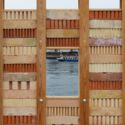
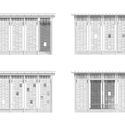
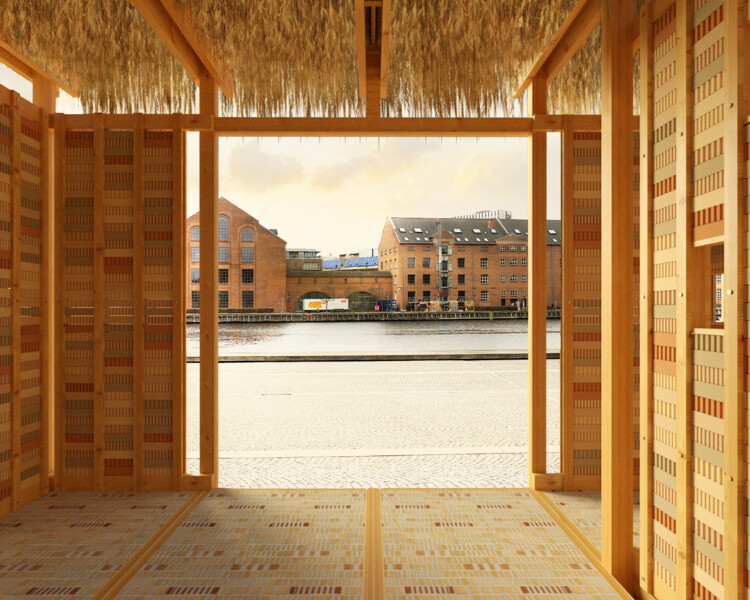
The first edition of the Copenhagen Architecture Biennial will take place from 18 September to 19 October 2025. Organized by CAFx (Copenhagen Architecture Forum), the event marks a transition from the previous annual Copenhagen Architecture Festival to a more expansive platform for architectural exploration. The theme of the inaugural edition, "Slow Down," invites participants to reflect on how the rapid pace of modern life affects the built environment. According to the organizers, this thematic shift encourages the envisioning of spaces that promote sustainability, longevity, and mindful engagement with our surroundings. In line with this vision, the organization launched an open call earlier this year for pavilion proposals that embody principles of circular design while serving as hubs for public programming during the event. Two winning proposals, modular structures by Slaatto Morsbøl and Tom Svilans x THISS Studio, were selected, each offering an approach to architectural deceleration.

Copenhagen Architecture Biennial 2025 Reveals 'Slow Pavilion' Designs Built from Reused Materials - Image 1 of 4Copenhagen Architecture Biennial 2025 Reveals 'Slow Pavilion' Designs Built from Reused Materials - Image 2 of 4Copenhagen Architecture Biennial 2025 Reveals 'Slow Pavilion' Designs Built from Reused Materials - Image 3 of 4Copenhagen Architecture Biennial 2025 Reveals 'Slow Pavilion' Designs Built from Reused Materials - Image 4 of 4Copenhagen Architecture Biennial 2025 Reveals 'Slow Pavilion' Designs Built from Reused Materials - More Images+ 5

UAE Pavilion Explores Conservation and Heritage for Future Applications in Expo 2025 Osaka

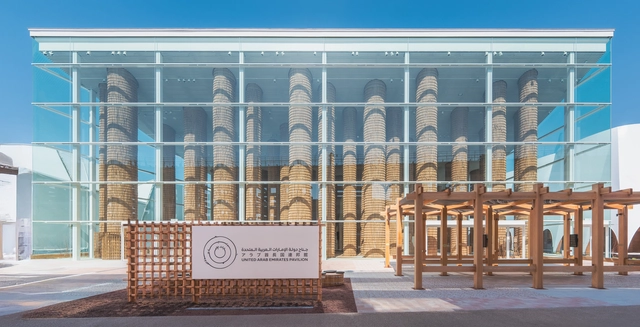
The UAE Pavilion at Expo 2025 Osaka, titled "Earth to Ether," presents an immersive, multisensory experience that narrates the story of the United Arab Emirates, from its cultural heritage and core values to its forward-looking innovations. Inspired by the symbolic date palm, the pavilion reimagines areesh, a traditional form of Emirati vernacular architecture, by combining agricultural byproducts from date palms with refined Japanese woodworking techniques. Opened in April 2025, under the theme "Designing Future Society for Our Lives," the pavilion is located in the "Empowering Lives" zone. Designed to work under the broader theme, the UAE Pavilion offers diverse programming and interactive exhibits and serves as a collaborative platform for co-creating solutions that "drive collective progress."

UAE Pavilion Explores Conservation and Heritage for Future Applications in Expo 2025 Osaka - Image 1 of 4UAE Pavilion Explores Conservation and Heritage for Future Applications in Expo 2025 Osaka - Image 2 of 4UAE Pavilion Explores Conservation and Heritage for Future Applications in Expo 2025 Osaka - Image 3 of 4UAE Pavilion Explores Conservation and Heritage for Future Applications in Expo 2025 Osaka - Image 4 of 4UAE Pavilion Explores Conservation and Heritage for Future Applications in Expo 2025 Osaka - More Images+ 6

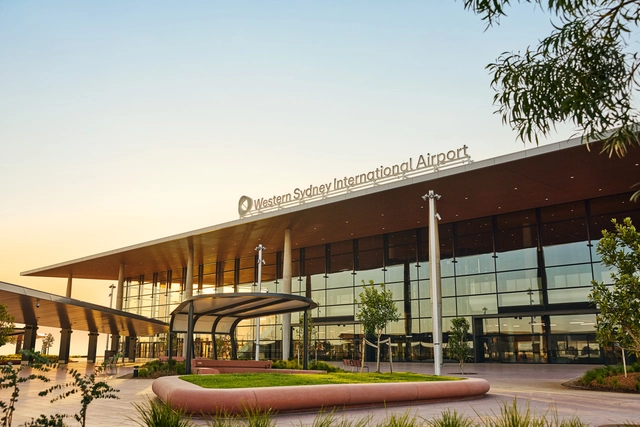
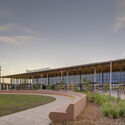
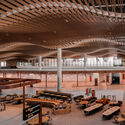
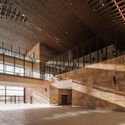
Woods Bagot Completes Western Sydney International Airport, with Concept Design by Zaha Hadid Architects and COX Architecture

The first photos of the recently completed Western Sydney International (Nancy-Bird Walton) Airport (WSI) have just been unveiled, marking the delivery of Australia's first major airport in over half a century. The design was developed with Zaha Hadid Architects and COX Architecture involved in the initial design concept, and Woods Bagot as the leading design and delivery as part of Multiplex's design team. The terminal presents a new model for airport design, one that is grounded in its setting, responsive to its context, and oriented toward the future of travel. Located in Badgerys Creek on the Cumberland Plain, the terminal is positioned to serve as a long-term gateway to Greater Sydney. While major construction has concluded, final fit-outs of the terminal's retail precinct and airline lounges will be completed closer to the airport's official launch, as commercial agreements continue to progress. Western Sydney International Airport is on track to begin operations, including domestic, international, and air cargo services, in late 2026.

Woods Bagot Completes Western Sydney International Airport, with Concept Design by Zaha Hadid Architects and COX Architecture - Image 1 of 4Woods Bagot Completes Western Sydney International Airport, with Concept Design by Zaha Hadid Architects and COX Architecture - Image 2 of 4Woods Bagot Completes Western Sydney International Airport, with Concept Design by Zaha Hadid Architects and COX Architecture - Image 3 of 4Woods Bagot Completes Western Sydney International Airport, with Concept Design by Zaha Hadid Architects and COX Architecture - Image 4 of 4Woods Bagot Completes Western Sydney International Airport, with Concept Design by Zaha Hadid Architects and COX Architecture - More Images+ 10

Ernesto Neto’s Textile Art Installation at Paris’ Grand Palais Captured by Paul Clemence

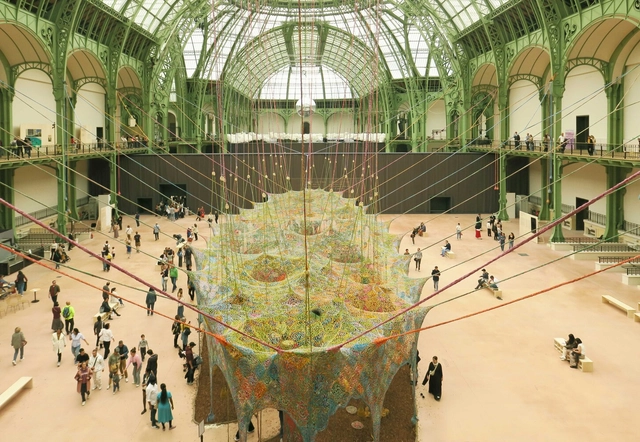
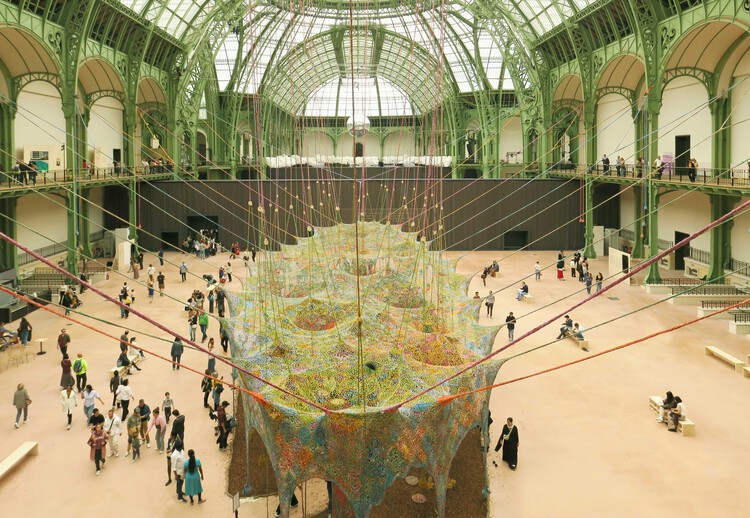
The exhibition "Nosso Barco Tambor Terra" by Brazilian artist Ernesto Neto, held at the recently renovated Grand Palais in Paris from June 6 to July 25, 2025, is a large-scale, immersive installation that invites visitors to reconnect with nature and community through sensory experience. Drawing inspiration from Brazilian and Indigenous cultures, Neto uses textiles, scents, and organic materials to create a space for reflection and interaction. The textile installation was recently captured by photographer Paul Clemence, who sought to portray its architectural qualities.

Ernesto Neto’s Textile Art Installation at Paris’ Grand Palais Captured by Paul Clemence - Image 1 of 4Ernesto Neto’s Textile Art Installation at Paris’ Grand Palais Captured by Paul Clemence - Image 2 of 4Ernesto Neto’s Textile Art Installation at Paris’ Grand Palais Captured by Paul Clemence - Image 3 of 4Ernesto Neto’s Textile Art Installation at Paris’ Grand Palais Captured by Paul Clemence - Image 4 of 4Ernesto Neto’s Textile Art Installation at Paris’ Grand Palais Captured by Paul Clemence - More Images+ 61

U.S. Pavilion at 2025 Venice Architecture Biennale Showcases ‘PORCH: An Architecture of Generosity'

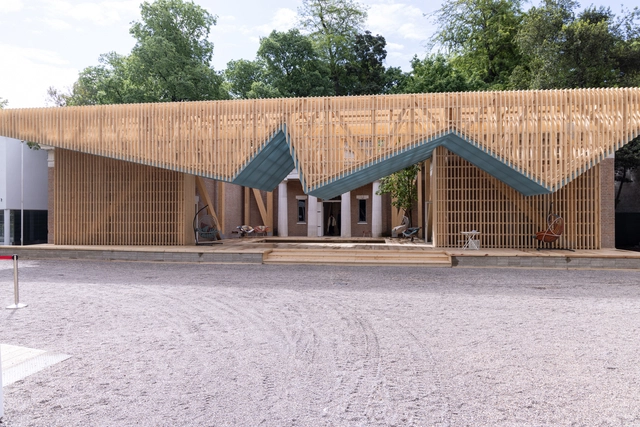
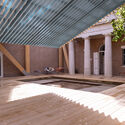
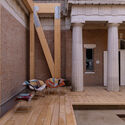
The Fay Jones School of Architecture and Design at the University of Arkansas, in collaboration with DesignConnects and the Crystal Bridges Museum of American Art, has been chosen by the U.S. Department of State's Bureau of Educational and Cultural Affairs to represent the United States at the 2025 Venice Architecture Biennale. The selected theme, "PORCH: An Architecture of Generosity," explores the timeless architectural and cultural significance of the American porch, showcasing its continued relevance as a space for connection, inclusivity, and civic engagement.

U.S. Pavilion at 2025 Venice Architecture Biennale Showcases ‘PORCH: An Architecture of Generosity' - Image 1 of 4U.S. Pavilion at 2025 Venice Architecture Biennale Showcases ‘PORCH: An Architecture of Generosity' - Image 2 of 4U.S. Pavilion at 2025 Venice Architecture Biennale Showcases ‘PORCH: An Architecture of Generosity' - Image 3 of 4U.S. Pavilion at 2025 Venice Architecture Biennale Showcases ‘PORCH: An Architecture of Generosity' - Image 4 of 4U.S. Pavilion at 2025 Venice Architecture Biennale Showcases ‘PORCH: An Architecture of Generosity' - More Images+ 12

UMWELT and Plan Común to Transform Partially Demolished Housing Block Into a Museum in Villa San Luis, Chile

The residential project Villa San Luis, originally named Villa Compañero Ministro Carlos Cortés, was built between 1971 and 1972 on land that today lies in one of the highest-income areas of Santiago, Chile. Initially designed as an urban center for 60,000 middle-income residents, with staggered buildings and a civic center covering 3.4 of its 50 hectares, the project was redefined in the 1970s to accommodate the unhoused population in the eastern sector of the Chilean capital. The process was not without conflict. During the dictatorship, the new residents of the complex were evicted, and the land was acquired by the military. From then on, the complex entered a process of reappropriation and resignification that now appears to be reaching a new milestone: the conversion of one of its buildings into a memorial site and museum, through a project by UMWELT and Plan Común.

UMWELT and Plan Común to Transform Partially Demolished Housing Block Into a Museum in Villa San Luis, Chile - Image 1 of 4UMWELT and Plan Común to Transform Partially Demolished Housing Block Into a Museum in Villa San Luis, Chile - Image 2 of 4UMWELT and Plan Común to Transform Partially Demolished Housing Block Into a Museum in Villa San Luis, Chile - Image 3 of 4UMWELT and Plan Común to Transform Partially Demolished Housing Block Into a Museum in Villa San Luis, Chile - Image 4 of 4UMWELT and Plan Común to Transform Partially Demolished Housing Block Into a Museum in Villa San Luis, Chile - More Images+ 5

Peter Cook and LEGO Group's Play Pavilion Opens at Serpentine on World Play Day

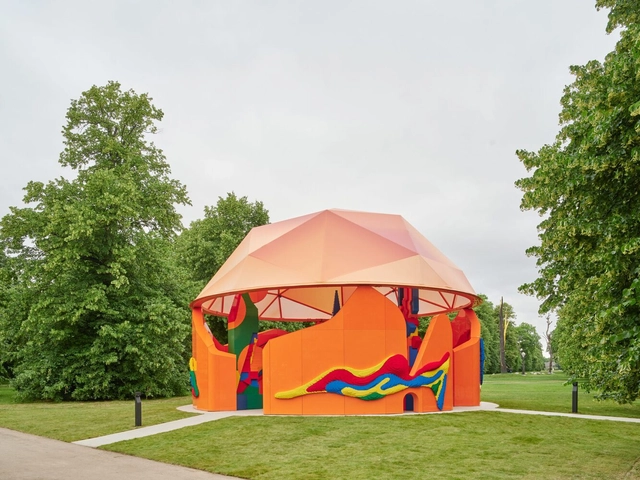
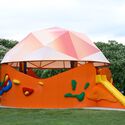
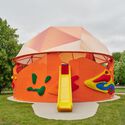
Marking World Play Day, June 11, the Play Pavilion, designed by British architect Peter Cook in collaboration with the LEGO Group, has just opened. The Pavilion is located next to Serpentine South in Kensington Gardens, London. Developed with Pablo Wheldon and Cong Ding, the Pavilion is a collaboration between Serpentine, the LEGO Group, The Royal Parks, and CONSUL. The project builds on Serpentine's broader efforts to connect architecture, design, and public engagement through temporary installations in the park.


Peter Cook and LEGO Group's Play Pavilion Opens at Serpentine on World Play Day - Image 1 of 4Peter Cook and LEGO Group's Play Pavilion Opens at Serpentine on World Play Day - Image 2 of 4Peter Cook and LEGO Group's Play Pavilion Opens at Serpentine on World Play Day - Image 3 of 4Peter Cook and LEGO Group's Play Pavilion Opens at Serpentine on World Play Day - Image 4 of 4Peter Cook and LEGO Group's Play Pavilion Opens at Serpentine on World Play Day - More Images+ 5

You've started following your first account!

Did you know?

You'll now receive updates based on what you follow! Personalize your stream and start following your favorite authors, offices and users.