The Sharjah Architecture Triennial (SAT) has announced the opening programme of its third edition, Architecture Otherwise: Building Civic Infrastructure for Collective Futures. Curated by writer and anthropologist Vyjayanthi Rao, with Associate Curator Tau Tavengwa, the Triennial will take place from November 14, 2026, to April 14, 2027, with its six-day opening programme running from November 14 to 19. Co-curated by Rao and Sharmeen Inayat, SAT's Research and Civic Engagement Curator, the programme brings together participatory projects, live performances, film screenings, lectures, and discussions across the Emirate of Sharjah, culminating in a two-day international conference on November 18 and 19.
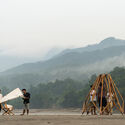
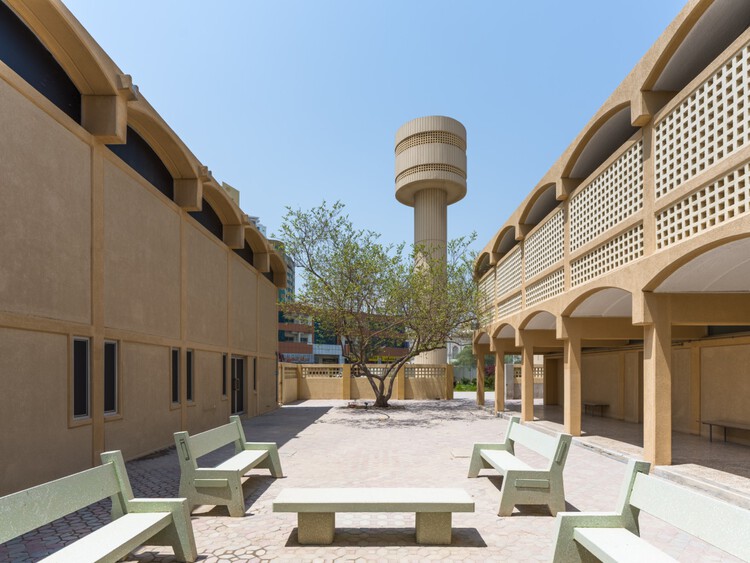
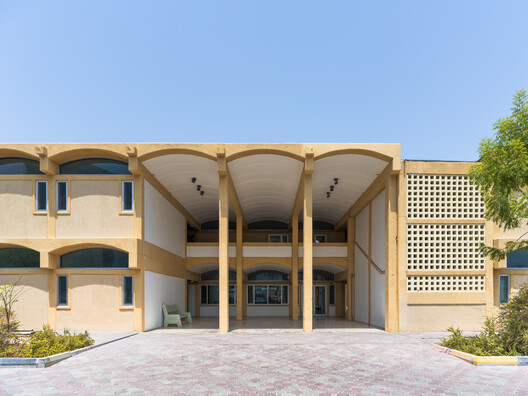
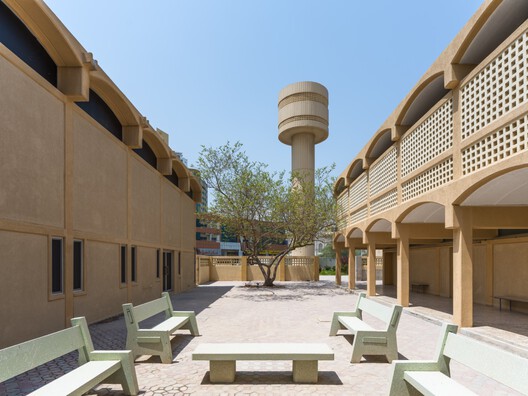
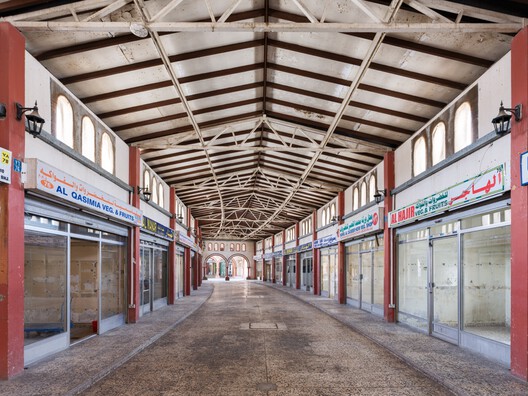
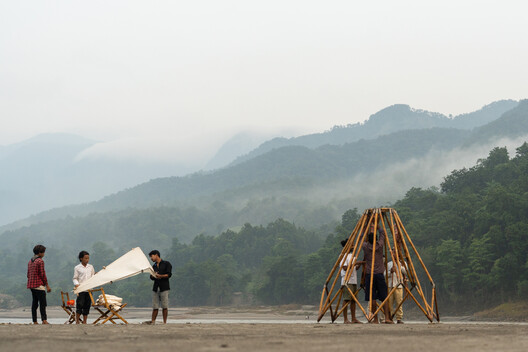
The third edition brings together 35 participants whose multidisciplinary practices examine architecture through the relationships, knowledge, and forms of exchange that shape collective life. Events will take place across several locations, including Al Qasimiyah School, Al Jubail Vegetable Market, Al Madam Buried Village, and the Sharjah Museum of Islamic Civilization. Throughout the opening week, participant-led tours and live interventions will engage visitors with the Triennial's installations and research, including Tumblespace (or What Binds Us?) by Aslıhan Demirtaş, Ali Cindoruk, and Dilşad Aladağ. The nomadic structure explores connections between people, movement, and place through temporary spaces for gathering and exchange. Badriyah Alsalem will also present The Houses of the Moon and Names of the Sun, performance lectures drawing on observation, poetry, and cultural astronomy to examine relationships between landscape, time, and the sky.
The programme will also include performances exploring the relationship between sound, movement, and spatial experience. Pakistani-American singer Ali Sethi will present BORROWED TIME: trails and tentacles in popular music, while choreographer Omar Rajeh's Origami Bodies will be presented in dialogue with Ziad Jamaleddine's SAT project Lalla Alwyia, Khalwa. The collaboration brings together movement informed by maqam, a practice of instantaneous composition, and a reinterpretation of the khalwa, a secluded space traditionally associated with Sufi retreat and meditation.
Related Article
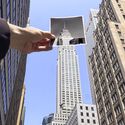
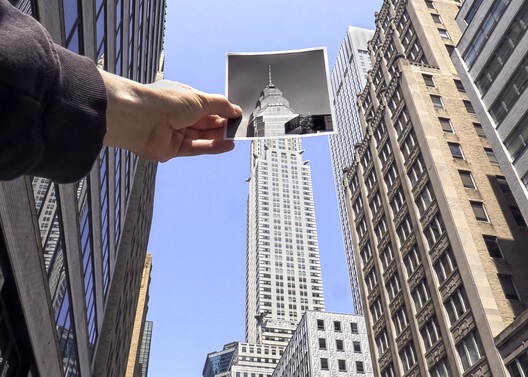
Sharjah City Guide: 18 Contemporary and Historical Attractions to Discover in UAE's Cultural HubFilm screenings will examine urban development, housing, and the social histories embedded within city infrastructure. The Tower: A Concrete Utopia, by Filip De Boeck and Sammy Baloji, considers independent approaches to urban space in Kinshasa, while Cassim Shepard's Housing Agency: Incremental Mumbai explores how informal settlement practices have influenced alternative housing approaches in India. Ignacio Gatica's Sanhattan examines Santiago's financial district and its relationship to New York, and Ruchir Joshi's Memories of Milk City addresses memory and displacement in Ahmedabad.
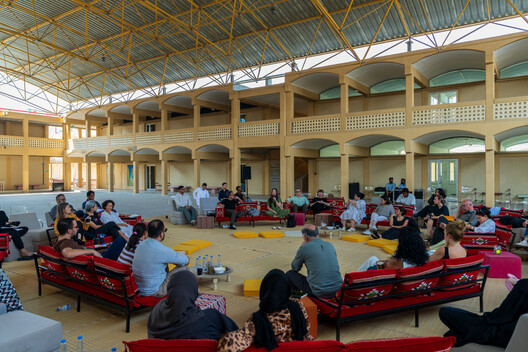
Conversations and roundtables will bring architects, artists, researchers, and cultural practitioners into dialogue with SAT03 participants and curators. The opening conversation, Building Civic Muscles, will examine how everyday practices, identities, economies, and social relations shape the built environment. Edgar Pieterse, Mabel O. Wilson, and Paola Antonelli will join Rao and Tavengwa for the discussion. Other sessions include The Action is the Form, moderated by Sharmeen Inayat, and The Trouble with Images, featuring filmmaker Rania Stephan and artist Amarnath Praful, moderated by Thomas Keenan. Additional roundtables will address urban transformation in the Gulf, the relationship between cities and time, and sound as a spatial practice, including a session featuring Yousef and Elias Anastas of Radio Alhara.
The opening week will conclude with the two-day conference Area Studies, Global Studies and Urban Studies: History, Politics and the Epistemology of Locality, organised in collaboration with Global Studies University and hosted at Africa Hall. Bringing together international scholars, architects, artists, and researchers, the conference will examine how knowledge about cities and regions is produced and how local histories and experiences challenge dominant narratives of urban development. Its panels will address ecological and temporal negotiations in architecture, everyday urban planning, and the institutions and collective practices that emerge following rupture and displacement. Participants include Rachaporn Choochuey, Soumini Raja, Mona El Mousfy, Hessa Al Nuaimi, Catalina Ortiz, Neha Vora, Dubravka Sekulić, Emily Jacir, Filip de Boeck, Ibrahim Nehme, and Camila Palomino.
Other upcoming events include the inaugural Ammodo Architecture Days, taking place in Amsterdam on November 9-10, 2026, with architects, urban planners, artists, and recipients of the Ammodo Architecture Award. The second Copenhagen Architecture Biennial has announced its 2027 dates, September 9 to October 15, and theme, Elements, exploring architecture's relationship with planetary forces and environmental control. Meanwhile, the third Islamic Arts Biennale will open on November 1, 2027, at the Western Hajj Terminal in Jeddah, Saudi Arabia.