Subscriber Access

Architecture and Neurodivergence: Designing for Different Ways of Perceiving Space

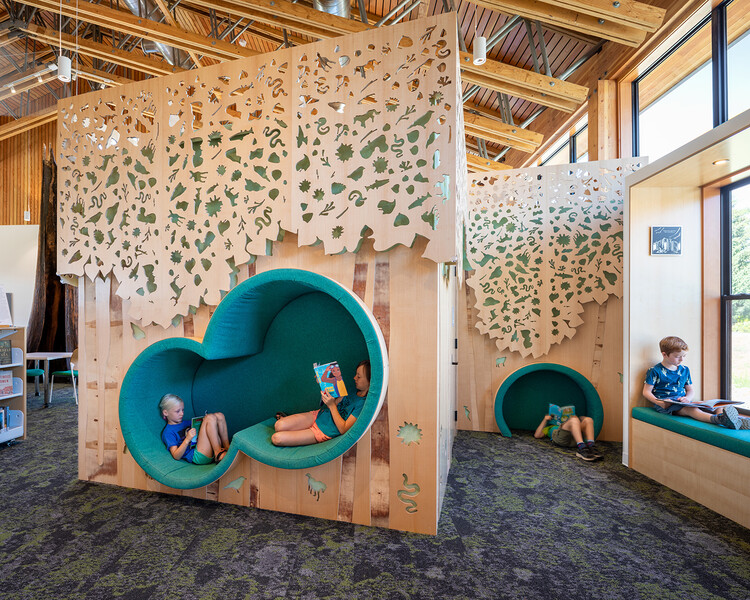
Wide doorways, properly designed ramps, and elevators are essential to a building's accessibility. But whether people can actually use its spaces also depends on the sensory conditions they offer. For some neurodivergent people, this is critical, as bright lights, overlapping sounds, or confusing circulation routes can prevent them from staying in a space and participating in activities.

Jack Chaffin, a partner at Johnston Architects, draws attention to these barriers in an interview with ArchDaily: "A building may therefore comply with accessibility codes and still be functionally inaccessible to someone who becomes overwhelmed, disoriented, or exhausted by it."

Architecture and Neurodivergence: Designing for Different Ways of Perceiving Space - Image 2 of 9Architecture and Neurodivergence: Designing for Different Ways of Perceiving Space - Image 3 of 9Architecture and Neurodivergence: Designing for Different Ways of Perceiving Space - Image 4 of 9Architecture and Neurodivergence: Designing for Different Ways of Perceiving Space - Image 5 of 9Architecture and Neurodivergence: Designing for Different Ways of Perceiving Space - More Images+ 4

Content Loader

Image gallery

See allShow less
About this author
Cite: Eduardo Souza. "Architecture and Neurodivergence: Designing for Different Ways of Perceiving Space" 03 Nov 2026. ArchDaily. Accessed . <https://www.archdaily.com/1187145/architecture-and-neurodivergence-designing-for-different-ways-of-perceiving-space> ISSN 0719-8884
是否

You've started following your first account!

Did you know?

You'll now receive updates based on what you follow! Personalize your stream and start following your favorite authors, offices and users.