1. ArchDaily
  2. Universal Accessibility

Universal Accessibility: The Latest Architecture and News

Subscriber Access

Architecture and Neurodivergence: Designing for Different Ways of Perceiving Space

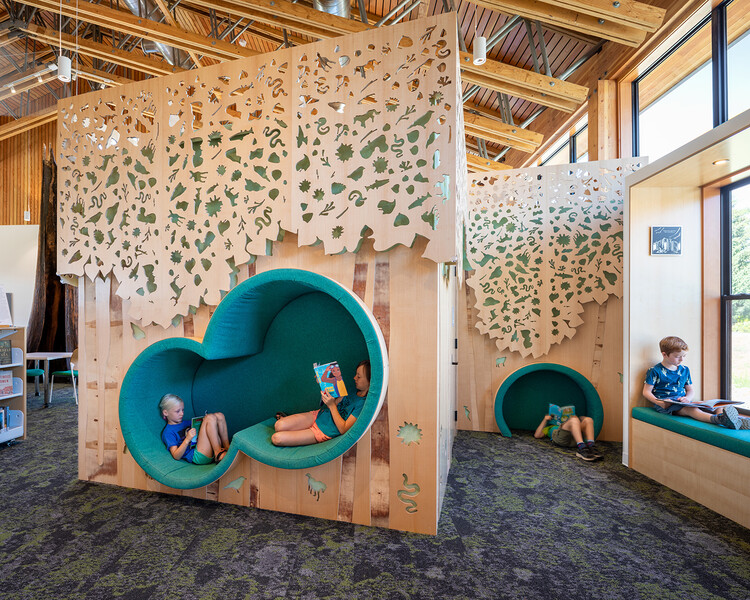
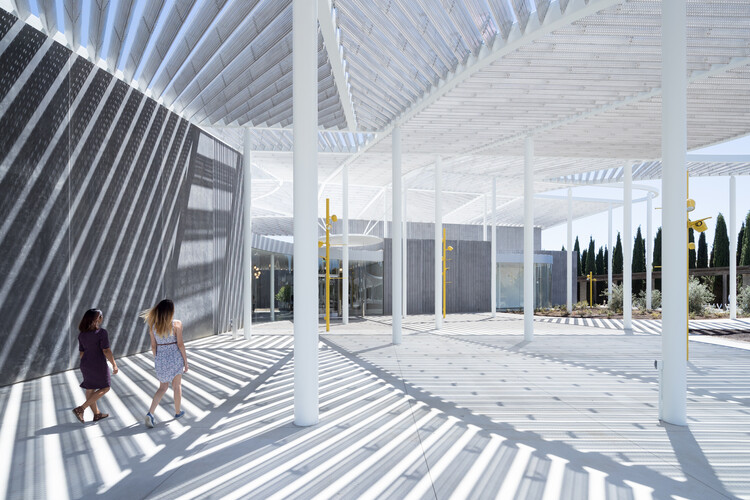
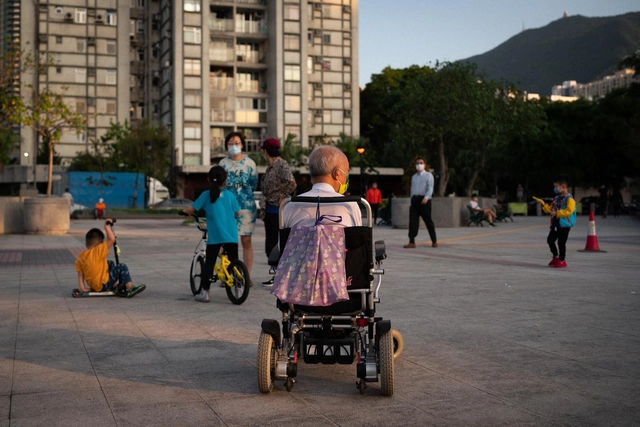
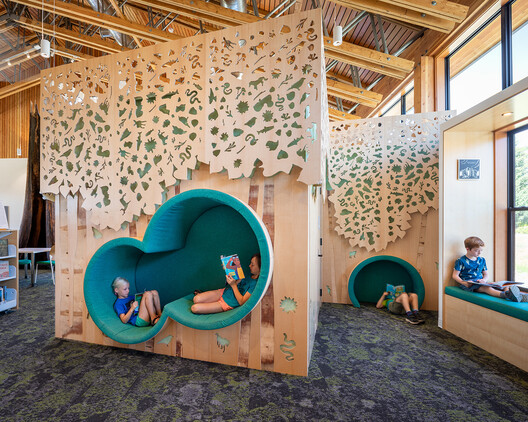
Wide doorways, properly designed ramps, and elevators are essential to a building's accessibility. But whether people can actually use its spaces also depends on the sensory conditions they offer. For some neurodivergent people, this is critical, as bright lights, overlapping sounds, or confusing circulation routes can prevent them from staying in a space and participating in activities.

Jack Chaffin, a partner at Johnston Architects, draws attention to these barriers in an interview with ArchDaily: "A building may therefore comply with accessibility codes and still be functionally inaccessible to someone who becomes overwhelmed, disoriented, or exhausted by it."
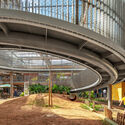
Architecture and Neurodivergence: Designing for Different Ways of Perceiving Space - Image 1 of 4Architecture and Neurodivergence: Designing for Different Ways of Perceiving Space - Image 2 of 4Architecture and Neurodivergence: Designing for Different Ways of Perceiving Space - Image 3 of 4Architecture and Neurodivergence: Designing for Different Ways of Perceiving Space - Image 4 of 4Architecture and Neurodivergence: Designing for Different Ways of Perceiving Space - More Images+ 4

Subscriber Access

Spiraling Up: 6 Projects Using Spiral Ramps for Vertical Movement

Audio available

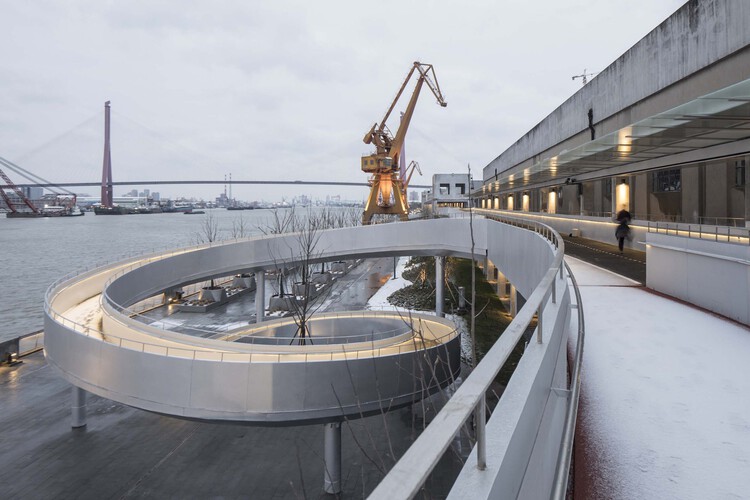
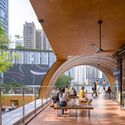
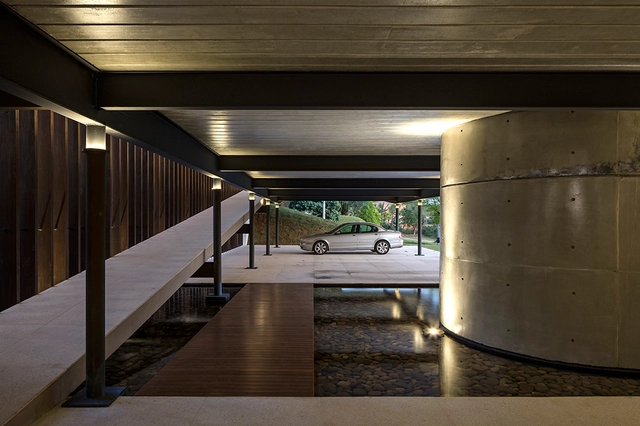
In most architectural projects, vertical circulation is expressed as a purely functional element, tucked away behind fire-rated doors or an elevator core. However, sometimes architects also use spirals when trying to resolve site elevation changes. Given the right scale, these elements allow for a more artistic formal expression that serves both utilitarian and aesthetic purposes without relying on mechanical lifts or stairwells. Structural systems like cantilevered steel trusses and reinforced concrete decks allow these spiral elements to extend outward as sheltered entry canopies or wind around open central atriums. Functionally, these circulation paths may be expressed in several ways: as stairs like the Itamaraty Palace in Brasilia, or as ramps, which can offer the possibility to reduce mobility barriers for visitors. In both cases, the spiral can provide smooth transitions across varied floor levels while maintaining an unobstructed line-of-sight throughout the program.

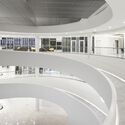
Spiraling Up: 6 Projects Using Spiral Ramps for Vertical Movement - Imagen 1 de 4Spiraling Up: 6 Projects Using Spiral Ramps for Vertical Movement - Imagen 2 de 4Spiraling Up: 6 Projects Using Spiral Ramps for Vertical Movement - Imagen 3 de 4Spiraling Up: 6 Projects Using Spiral Ramps for Vertical Movement - Imagen 4 de 4Spiraling Up: 6 Projects Using Spiral Ramps for Vertical Movement - More Images+ 9

Subscriber Access

Beyond the Walls: 21 Contemporary Interventions in Castles and Fortresses

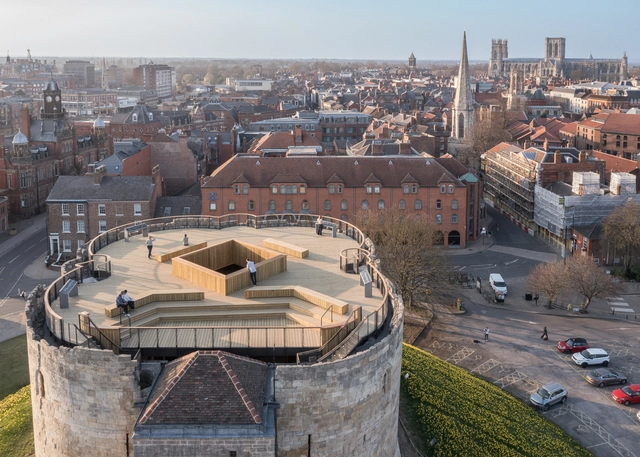
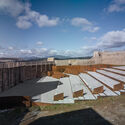
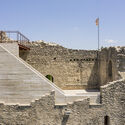
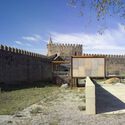
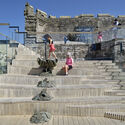
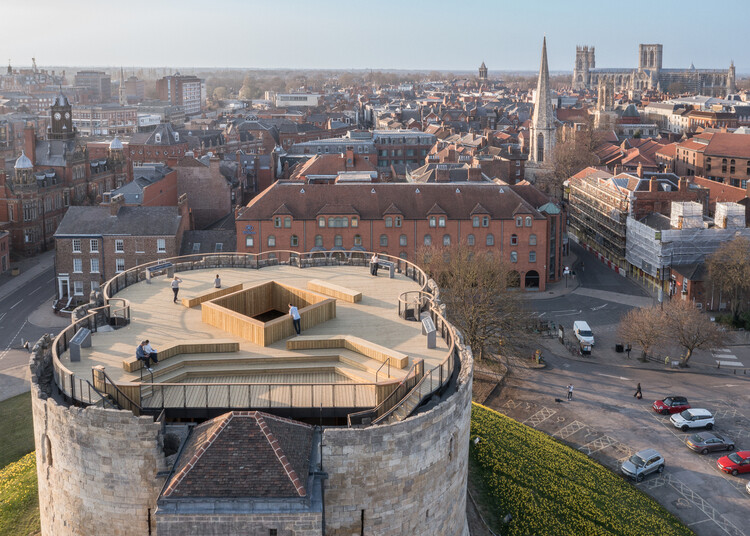
Castles and fortresses often rise from strategic, commanding positions when standing alone or integrated into urban and rural landscapes. From above, they overlook the city, bearing in their imposing structures the weight of history. With their original functions now limited to contemplation, these spaces have been undergoing revaluation and reintegration into everyday urban life. Once symbols of military or political power, they are now taking on new roles through contemporary interventions that engage with their heritage without erasing their past.

Beyond the Walls: 21 Contemporary Interventions in Castles and Fortresses - Imagen 1 de 4Beyond the Walls: 21 Contemporary Interventions in Castles and Fortresses - Imagen 2 de 4Beyond the Walls: 21 Contemporary Interventions in Castles and Fortresses - Imagen 3 de 4Beyond the Walls: 21 Contemporary Interventions in Castles and Fortresses - Imagen 4 de 4Beyond the Walls: 21 Contemporary Interventions in Castles and Fortresses - More Images+ 25

On Human Rights Day: Perspectives on Architecture, Equity, Housing Access, and Safety Worldwide

Human Rights Day is observed annually on 10 December worldwide. It commemorates the anniversary of the Universal Declaration of Human Rights in 1948. Drafted by representatives with diverse legal and cultural backgrounds from all regions, the Declaration was proclaimed as a common standard of achievement for all peoples and all nations. For the first time, the document set out fundamental human rights to be universally protected and inalienable, entitling every human being to them regardless of race, colour, religion, sex, language, political or other opinion, national or social origin, property, birth, or any other status. Today, the Declaration serves as a global blueprint for international, national, and local laws and policies. Available in 577 languages, it is the most translated document in the world. The United Nations has set the theme for this year's observance as "Human Rights, Our Everyday Essentials," aiming to "reaffirm the values of human rights and show that they remain a winning proposition for humanity."

On Human Rights Day: Perspectives on Architecture, Equity, Housing Access, and Safety Worldwide - Image 1 of 4On Human Rights Day: Perspectives on Architecture, Equity, Housing Access, and Safety Worldwide - Image 2 of 4On Human Rights Day: Perspectives on Architecture, Equity, Housing Access, and Safety Worldwide - Image 3 of 4On Human Rights Day: Perspectives on Architecture, Equity, Housing Access, and Safety Worldwide - Image 4 of 4On Human Rights Day: Perspectives on Architecture, Equity, Housing Access, and Safety Worldwide - More Images+ 12

Subscriber Access

Overcoming Barriers: 4 Residential Projects with Accessibility Strategies in Latin America

According to the United Nations (UN), over 1 billion people worldwide live with disabilities, whether physical or intellectual, with 80% residing in Global South countries. Despite advancements in their rights, they still encounter significant barriers and remain among the most marginalized in accessing essential services like healthcare, education, and employment. In this context, architecture is crucial for ensuring safety and spatial independence, enabling their full and effective participation in society.

Overcoming Barriers: 4 Residential Projects with Accessibility Strategies in Latin America - Image 1 of 4Overcoming Barriers: 4 Residential Projects with Accessibility Strategies in Latin America - Image 2 of 4Overcoming Barriers: 4 Residential Projects with Accessibility Strategies in Latin America - Image 3 of 4Overcoming Barriers: 4 Residential Projects with Accessibility Strategies in Latin America - Image 4 of 4Overcoming Barriers: 4 Residential Projects with Accessibility Strategies in Latin America - More Images+ 8

Subscriber Access

Disabled Are the Cities, Not Their Citizens

Cities with disabilities are those that present spaces and environments that impede or make it difficult for citizens to access, participate and interact, regardless of any loss or abnormality related to their psychological, physiological or anatomical structure or function. I invite readers to, with me, change the focus of the approach on disabilities, transferring to cities and built environments the inability to meet in a dignified and effective way the diversity of abilities and capacities inherent to human beings.