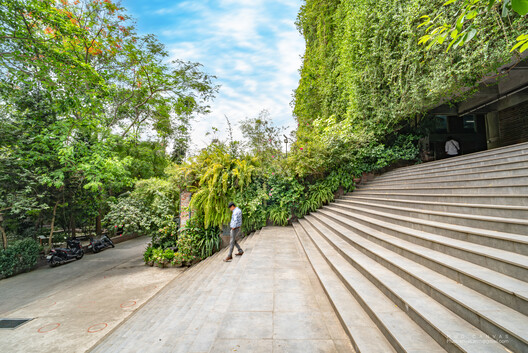
The Green Field Factory of Karupannya Rangpur Limited, designed by Nakshabid Architects, has been named the recipient of the RIBA International Prize 2026. Since 2016, the RIBA International Prize has been awarded to "a building that demonstrates visionary thinking, originality, excellence of execution, and makes a distinct contribution to its users, surrounding environment and communities." This year, the Green Field Factory was recognized for offering an alternative model for factory design and operation, challenging traditional workplace environments and creating new opportunities for women workers. The shortlist included three other projects: the Royale Belge renovation in Brussels, Belgium, by Caruso St John Architects in collaboration with Bovenbouw Architectuur and DDS+; Z33 House for Contemporary Art in Hasselt, Belgium, by Francesca Torzo Architetto; and BRAC University in Dhaka, Bangladesh, by WOHA.
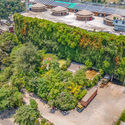
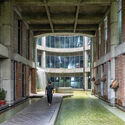
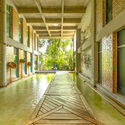

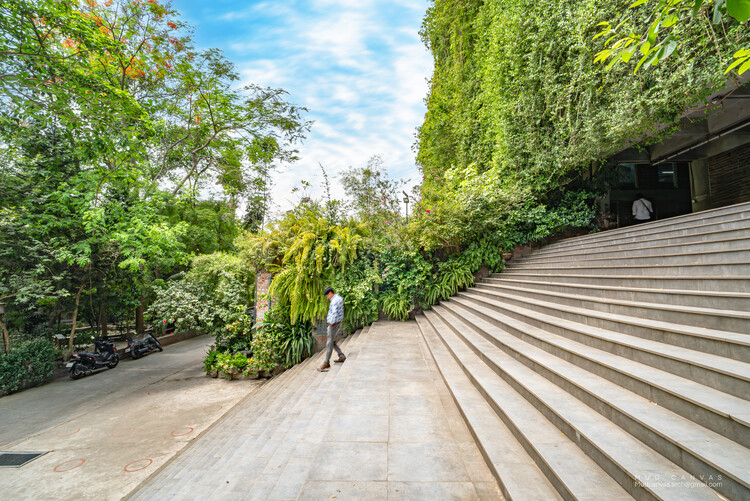
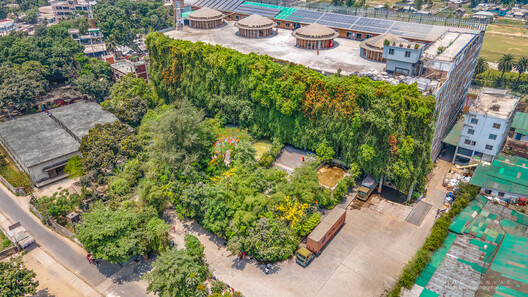
Nakshabid Architects' design challenges the conventions of industrial architecture in Bangladesh, a context long scrutinized internationally for poor working conditions and unsafe environments. The building, a rug factory designed for 5,000 employees, proposes an alternative vision of what a contemporary factory can be and questions deeply rooted social hierarchies of the workplace. The main front door serves as the only entrance for everyone, unlike a typical industrial facility, where workers and management use different entrances. At the entrance, workers face a Bonolota sculpture, a traditional Bengali representation of female strength and empowerment, which begins an interior route of artworks depicting women's multifaceted roles in work, family and community. Two grand ceremonial staircases, inspired by spaces traditionally associated with royalty and privilege, welcome all employees to ascend the seven-story building through a system of multiple routes and stairways.
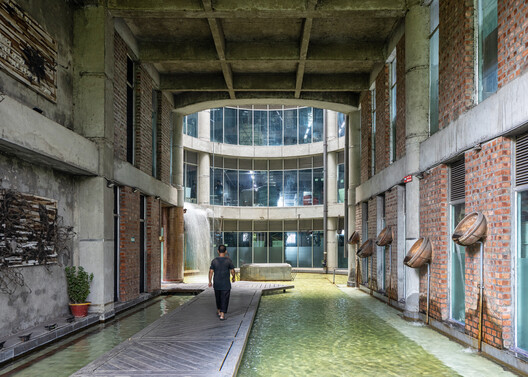
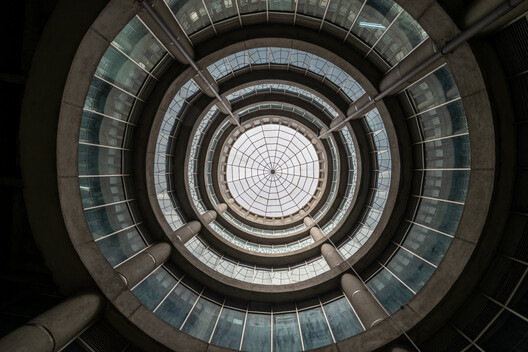
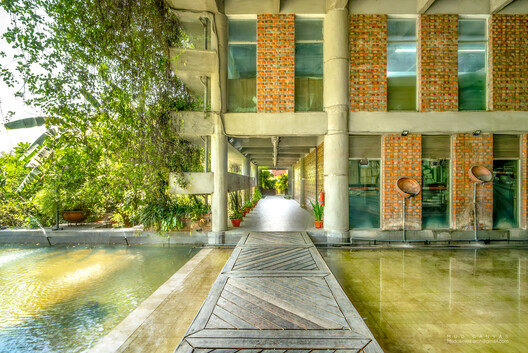
The 13,450 m² building is located in Robertsongonj, Rangpur, an area surrounded by open fields, informal settlements and roadside development. Based on a biophilic concept of well-being rooted in the traditional Bengali homestead, the workplace is designed to take advantage of natural ventilation and maximize daylight, rainwater, and wind, reducing reliance on mechanical systems. The facilities are organized around courtyards, deep verandahs, gardens, and a green facade. The factory includes water reservoirs, rainwater harvesting systems, and passive cooling systems that regulate temperature naturally. Abundant planting creates an ecosystem for insects and birds and provides a setting for workers' breaks. Additional amenities include a rooftop daycare center, an on-site medical clinic, a grocery store, a prayer room, and a shared canteen. Outside working hours, a dedicated stage is available for performances and events for workers' families and the wider community.
Related Article
Lion Green Road by Mary Duggan Architects and RUFFARCHITECTS Wins RIBA Stirling Prize 2026We asked a simple question: what if a factory were designed first as a home for the people who work in it? Every courtyard, garden, water body and shaded verandah grew from that question. A factory should not be a machine that consumes human energy. It should be a living place that restores it. At Green Field, we wanted to prove that industry can breathe, nurture and inspire. — Bayejid M. Khondoker from Nakshabid Architects
The RIBA International Prize Grand Jury was chaired by Bijoy Jain, founder of Studio Mumbai, and also included José Toral, co-founder of Peris + Toral Arquitectes and recipient of the RIBA International Prize 2024; and Dr. Sofie De Caigny, head of collections at the New Institute in Rotterdam. On Friday, October 16, RIBA announced Lion Green Road, a housing development in South London designed by Mary Duggan Architects with RUFFARCHITECTS for Croydon Council, as the recipient of the 2026 Stirling Prize. Another housing initiative, the Balearic Social Housing Model, was recently recognized with the 2026 OBEL Award for transforming social housing administration in the Balearic Islands between 2019 and 2023. The ArchDaily 2026 Next Practices Awards honorees were announced in mid-September, recognizing 20 emerging and forward-thinking practices expanding the possibilities of architecture today.


