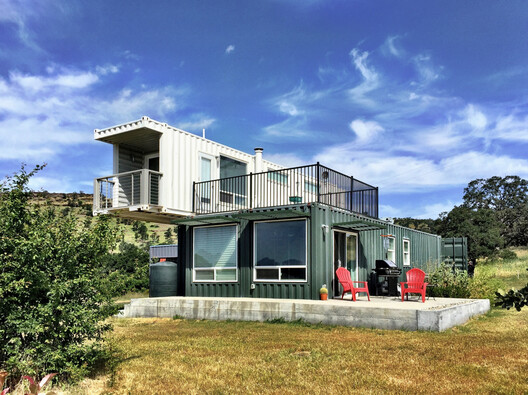
Far from simply transporting goods from A to B, shipping containers have become a go-to building material across the US, forming the basis of everything from tiny homes to container pools, site offices to workshops. But given the size of the country, and the range of climates found within its borders, the approach to container architecture can vary significantly from state to state, even county to county.
A container conversion in the desert Southwest faces very different conditions from one in New England, while projects along the Gulf Coast must account for humidity, storms, and salt air. These regional differences can influence everything from insulation and ventilation to roofing, foundations, and exterior protection. Let's take a closer look at these regional approaches, the local climate challenges to consider before a build, and the adaptations that can address them.
Regional Approaches to Climate Adaptation
The Arid Southwest
Challenges: Container conversions in Southern California, Arizona, New Mexico, and Nevada must handle extreme heat and UV exposure, along with rapid overnight temperature drops.
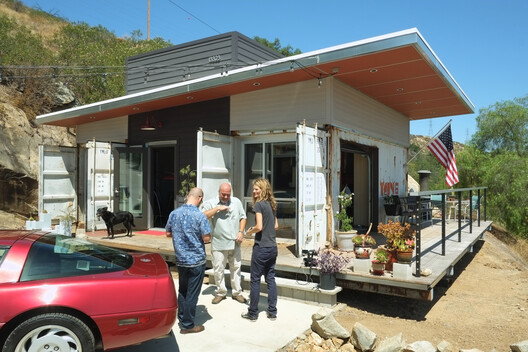
Solutions: White or reflective roof coatings can reduce the amount of heat that accumulates within the steel. A secondary roof (ramada) with plenty of overhang can go a step further, preventing the sun from hitting and heating the container directly. Insulation and ventilation are critical, and a climate control system can be a wise addition.
The Icy North
Challenges: The Northern Plains, the Upper Midwest, and New England all face bitterly cold winters, severe freeze-thaw cycles, and heavy snow loads on roofs.
Solutions: For insulation, a combination of exterior cladding and internal spray foam or rigid insulated panels (R30-R60, depending on local climate and applicable codes) can help isolate the steel from the cold. A sloped roof is recommended to shed heavy snow, while flat roofs may need to be suitably reinforced.
The Humid South
Challenges: Container conversions in southern states must deal with storms, extreme humidity, potential hurricane-force winds, and salt-spray corrosion if built near the coast.
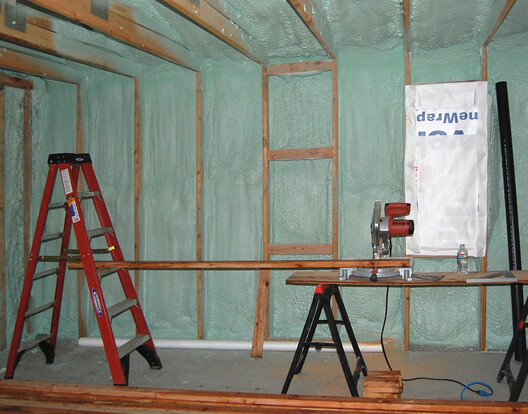
Solutions: Closed-cell spray foam insulation can help maintain a comfortable temperature inside the container while keeping humidity out to prevent the damaging effects of condensation. For the exterior, containers are made from weathering steel designed to develop a protective layer of rust, but a marine-grade protective coating adds an extra layer of protection. For high winds, heavy-duty corner castings can be anchored to concrete footings.
High-Density Hubs
Challenges: From New York to LA and Chicago to Miami, container builds must deliver climate mitigation within strict local planning rules and severely limited space.
Solutions: Stacking containers vertically maximizes space while also offering a small amount of insulation, particularly for containers sandwiched in the middle. In hotter regions, a living sedum green roof can help prevent heat buildup and help to accommodate city mandates for stormwater retention.
Permitting, Sourcing, and Siting
Beyond climate, other key container conversion considerations include:
- Code compliance: Conversions must align with local zoning ordinances, building standards, and regional energy codes (e.g., California Title 24).
- Procurement: When sourcing shipping containers in the United States, choose a vetted local supplier to minimize transport costs and carbon footprint.
- Foundation/site access: Depending on soil stability, the container may need screw piles, pier footings, or a gravel pit foundation. There must also be enough clearance for positioning with a truck or crane.
Conventional Construction Is Often the Better Option
While shipping containers can adapt remarkably well to a range of environments and conditions, extreme climates may push modification costs past a tipping point.
When a build demands extensive structural alterations—from additional insulation to custom roofing—the initial cost and efficiency gains offered by a shipping container conversion can be canceled out. Traditional builds can be the better option for designs with open plans, intricate geometries, or particular aesthetics.
Ultimately, containers excel as a building material when regional climate adaptations complement their core strengths: modular prefabrication, adaptability, and that uniquely industrial aesthetic.


