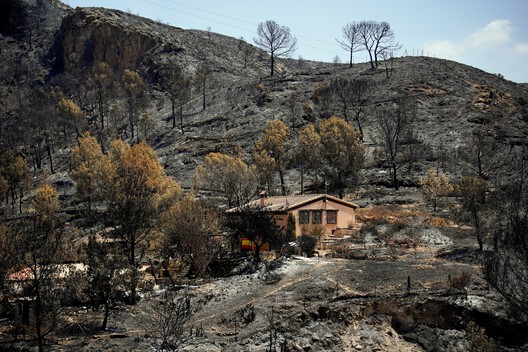
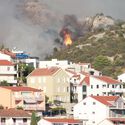
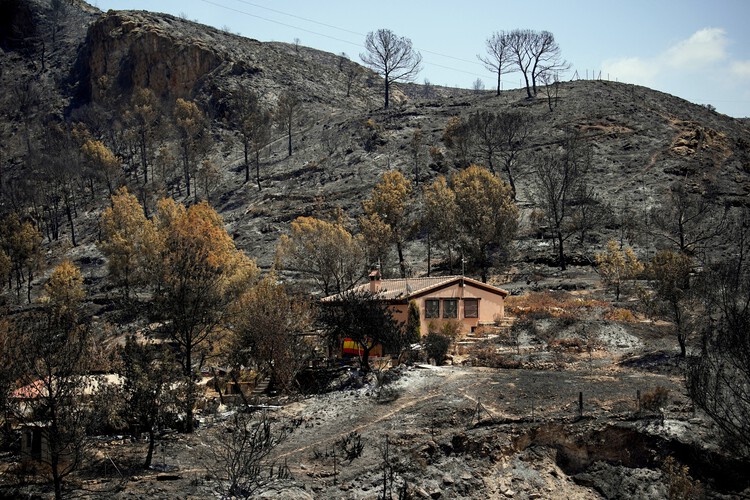
Severe late-August wildfires across northern Algeria have brought residential areas, agricultural lands, and critical transport corridors directly into the path of rapidly spreading flames. The destruction across Jijel, Béjaïa, and Tizi Ouzou claimed at least 12 lives and forced the emergency closure of major national highways. The latest outbreak follows a summer of repeated fires across the country, with authorities recorded nearly 2,000 fires nationwide in July, while fires in the northeastern province of Annaba at the end of the month forced more than 100 people to leave their homes and damaged nearly 150 houses. The current fires have again brought residential areas, roads and other infrastructure into the path of rapidly spreading flames. Forest fires occur regularly in northern Algeria during the summer, with increasingly frequent drought and periods of intense heat contributing to more severe fire conditions.
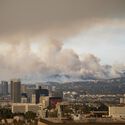
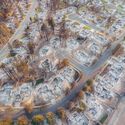
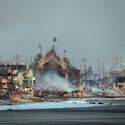
The situation in Algeria forms part of a wider 2026 wildfire season affecting communities across multiple continents. As of August 1, 112.3 million hectares had burned globally, according to data from the Global Wildfire Information System compiled by Our World in Data. Africa accounted for 55.1 percent of the total burned area, with the Democratic Republic of Congo recording the largest national total at 13.6 million hectares, followed by Australia at 11.8 million hectares and Angola at 7.5 million hectares. The figures include agricultural and prescribed burning, meaning they do not directly represent the extent of uncontrolled wildfires.
According to the European Forest Fire Information System (EFFIS), 634,473 hectares had burned across the European Union by August 27 in fires larger than 30 hectares. Although the figure remains below the 984,559 hectares recorded during the same period in 2025, it is more than twice the 2006-2025 average of 313,246 hectares. EFFIS forecasts very extreme conditions in isolated areas across central Europe and the Balkans, as well as Portugal, eastern Spain and the Atlas Mountains of North Africa, with extreme danger extending through parts of southeastern Europe and toward Ukraine. The forecast for August 31 to September 6 also indicates above-average temperatures across the Iberian Peninsula and North Africa, while below-average rainfall is expected in parts of the Iberian Peninsula, France, Italy and the Balkans.
Related Article
The Impact of Wildfires on Building Codes: Reflections on the Recent Los Angeles Fires
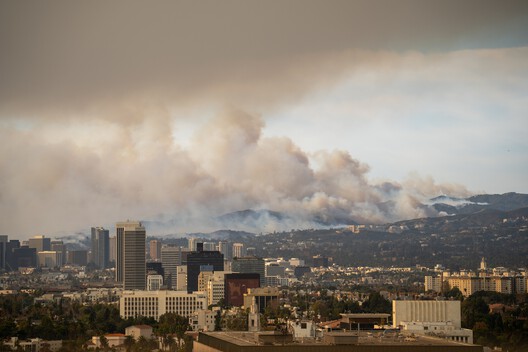
Spain has experienced one of the most severe fire seasons in Europe this year, with approximately 226,391 hectares burned by August 1. France has also faced major fires, while simultaneous fires in the two countries have led to mass evacuations. In the United Kingdom, fires have affected areas including the Cairngorms, while elsewhere in Europe, communities have faced smoke, evacuations and damage to homes and infrastructure. The impacts extend beyond Europe and North Africa. Canada had recorded approximately 2 million hectares burned by August 1, with fires across several provinces forcing communities to evacuate and sending smoke into parts of Canada and the United States. The United States had recorded approximately 2.4 million hectares burned, with major fires reported in Oregon, Washington and Idaho. Australia recorded approximately 11.8 million hectares burned during the same period.
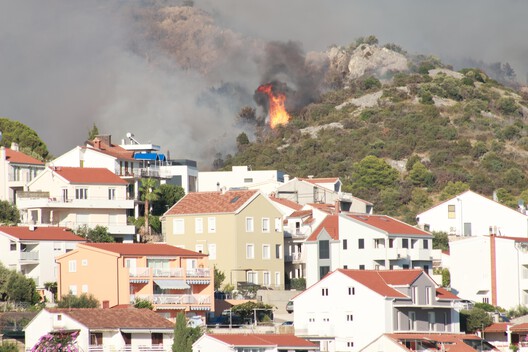
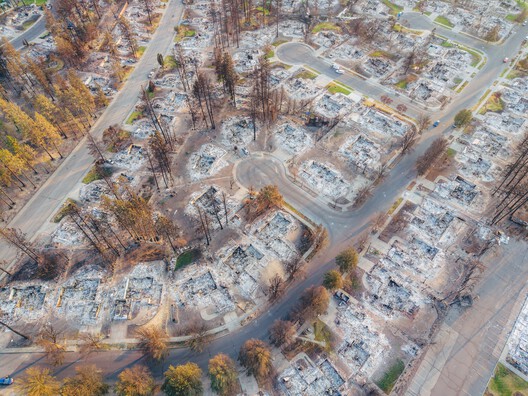
The scale and geographic spread of this year's fires are unfolding alongside increasingly hot and dry conditions associated with climate change. The combination of higher temperatures, drought and dry vegetation can create conditions that allow fires to spread more rapidly and become harder to contain. At the same time, the immediate impacts remain highly local: homes are evacuated, roads are closed, landscapes are burned and communities face the difficult process of returning and rebuilding. For the built environment, the consequences of the current fire season are particularly visible where fires reach settlements. Homes can be damaged or destroyed alongside roads and other infrastructure, while evacuations can rapidly turn ordinary streets and highways into critical emergency routes. In Algeria, the closure of three national highways demonstrates how wildfire can disrupt regional connectivity in addition to threatening individual properties.
Across different regions, extreme weather and seismic events have caused significant loss of life and damage to communities in recent weeks. On August 26, a glacier collapse triggered flash floods along the Nepal–Tibet border, destroying villages and leaving at least 350 people dead and more than 1,300 missing, with the most affected areas including Nepal's Rasuwa and Nuwakot districts. Earlier this month, a magnitude 7.4 earthquake struck Colombia, causing damage across several cities and killing at least 111 people. The event followed four significant earthquakes in Japan, the United States, and Venezuela within a 36-hour period in June, highlighting the range of environmental risks currently affecting communities and the built environment.