International Youth Day, observed annually on August 12, is marked in 2026 under the theme "Different Contexts, Common Aspirations," highlighting the shared aspirations of young people across diverse social, economic, and geographic realities. Despite differences in where and how they live, young people around the world continue to seek dignity, opportunity, meaningful participation, decent work, quality education, and a sustainable future. The day provides an opportunity to recognize their contributions while drawing attention to the conditions and opportunities that shape their lives.

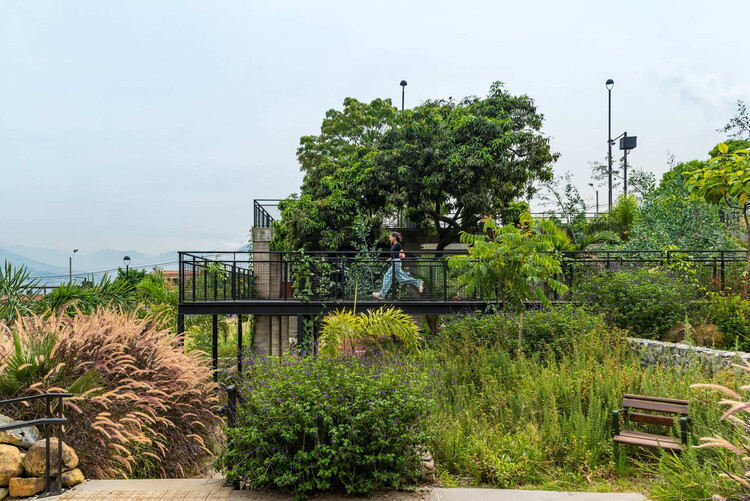
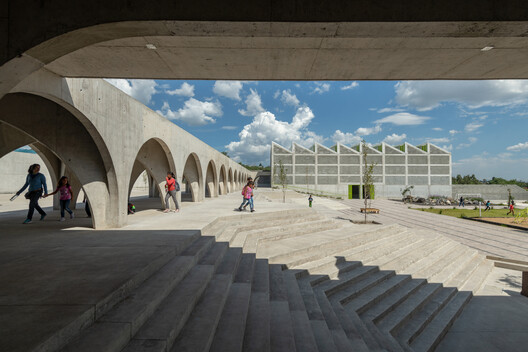
The 2026 theme places particular attention on young people in Least Developed Countries, Landlocked Developing Countries, and Small Island Developing States, where challenges related to poverty, climate change, geographic isolation, limited economic opportunities, and unequal access to digital technologies often intersect. At the same time, young people in these contexts continue to demonstrate resilience, leadership, and innovation, contributing to sustainable development within their communities and beyond. With nearly 1.3 billion people aged 15 to 24 worldwide, youth represent a significant share of the global population and an important force in shaping future social, economic, and environmental conditions. The United Nations highlights young people not only as recipients of education and policy but as active participants and co-creators in shaping the future.
Read on to discover a selection of articles published on ArchDaily that explore how architecture can respond to the aspirations and challenges facing younger generations, from housing and education to inclusive public spaces, community-led initiatives, and approaches to creating more sustainable and resilient environments.
Related Article
On International Day of the World's Indigenous Peoples: Toward a Deeper Understanding of Ancestral Constructive Culture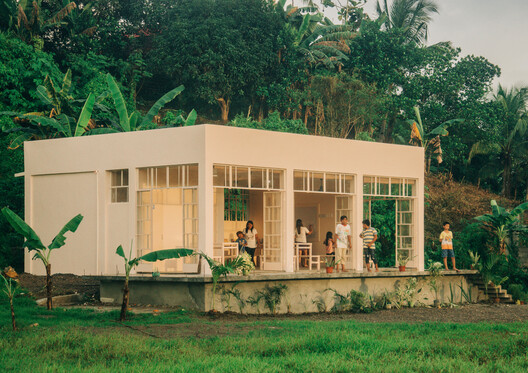
Education, Participation, and Community
Creating environments that support young people requires thinking beyond conventional educational spaces and recognizing the importance of places where they can gather, interact, play, express themselves, and participate in community life. Schools, youth centers, parks, and other public spaces can become platforms for learning and social connection, particularly when they respond to the needs and perspectives of their users. Participatory approaches can further strengthen this relationship by giving young people and local communities a role in shaping the spaces they inhabit. In this sense, architecture can contribute not only to education and personal development, but also to a stronger sense of belonging, agency, and collective identity. Designing with young people, rather than simply for them, can help create more inclusive environments that reflect diverse experiences and aspirations.
Are Our Cities Built for the Youth?
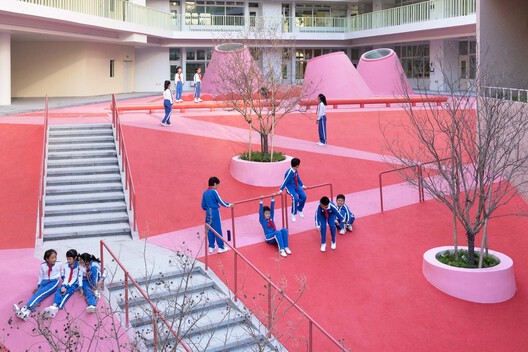
Schools at the Border: How Architecture Supports Learning in Conditions of Displacement
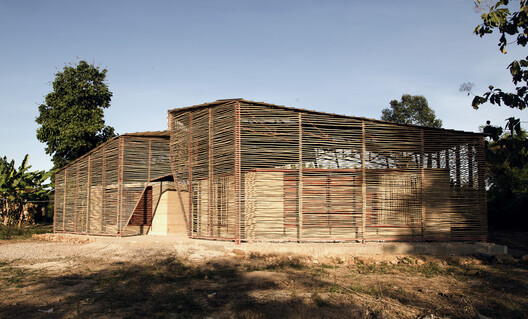
Youth Centers: Places to Develop Physical, Social, Emotional, and Cognitive Abilities
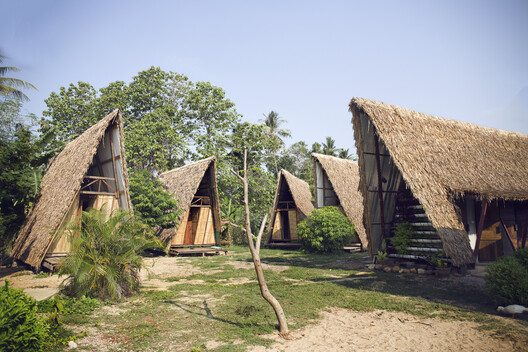
More than a Classroom: The Multifunctionality of Educational Spaces in Global South Communities
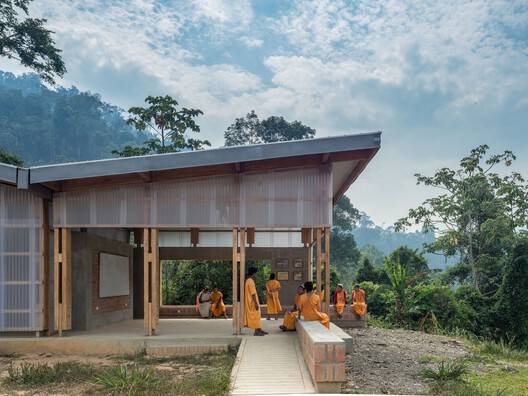
Reactivating Residual Public Spaces with Community-Led Design
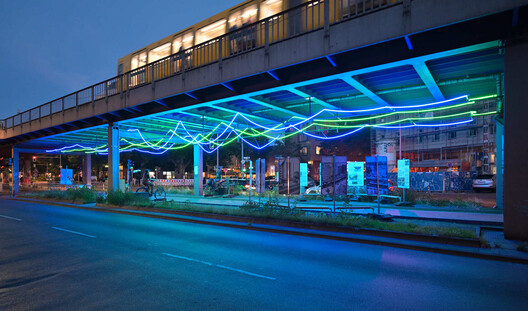
Social Sustainability: Participatory Design in Collective Space Creation
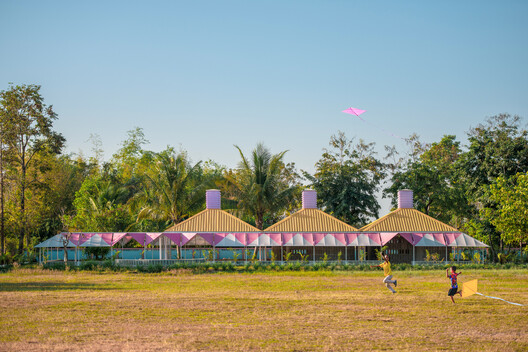
A Natural Childhood: How Architecture Connects Landscape, Culture, and Play
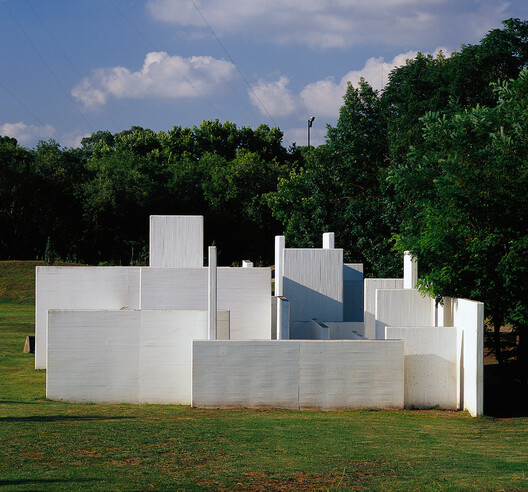
Dignified Housing and New Models of Living
Access to safe, affordable, and adequate housing is fundamental to young people's ability to build independent lives and participate fully in society. Yet rising housing costs, changing patterns of work and mobility, and shifting household structures are challenging conventional ideas of what a home should be. Architecture can respond by exploring models that combine affordability, flexibility, privacy, and opportunities for social connection. Shared and co-living arrangements, adaptive housing models, and approaches that make better use of existing resources can offer alternatives to increasingly inaccessible forms of housing. At the same time, addressing housing challenges requires looking beyond individual buildings to the policies, economic conditions, and urban systems that determine who can access a home. Rethinking housing is therefore also a question of dignity, equity, and opportunity.
Housing Affordability Crisis: Architectural and Policy Responses from Spain, France, Australia, and the United States
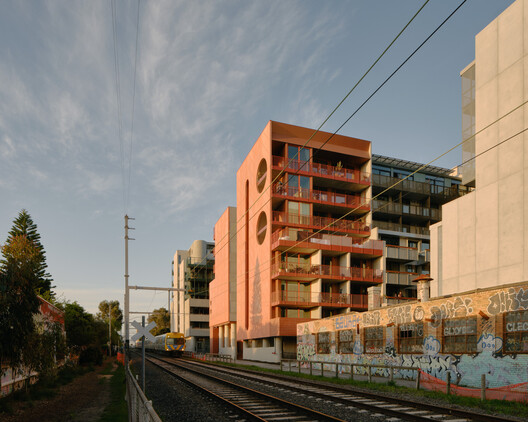
Co-Living: Rethinking Home for Temporary Belonging and Mobile Lifestyles
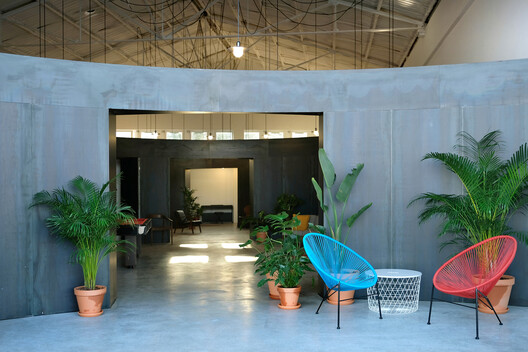
From Modernism to Multiculturalism: The Historical Evolution of Student Housing
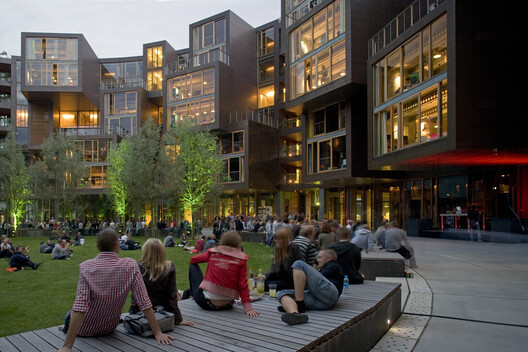
Maximized Density: How Co-Living Spaces Do More with Less
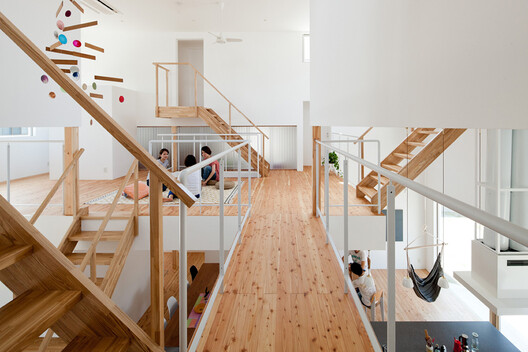
Building More Inclusive and Resilient Futures
The environments inhabited by younger generations will be shaped by interconnected challenges including climate change, resource scarcity, social inequality, and rapid urban transformation. Creating resilient places requires architecture to consider not only environmental performance, but also adaptability, cultural continuity, social inclusion, and long-term community needs. Strategies such as adaptive reuse can reduce the environmental impact of new construction while giving existing buildings new social and cultural roles, while vernacular practices can offer locally grounded responses to climate and resource constraints. More broadly, resilience can emerge from knowledge and practices already present within communities. By valuing local materials, collective knowledge, adaptability, and the capacity of places to evolve over time, architecture can help create environments that are better equipped to respond to uncertainty while supporting more equitable and sustainable futures.
Building Forward: How Vernacular Knowledge Is Shaping Contemporary Architecture
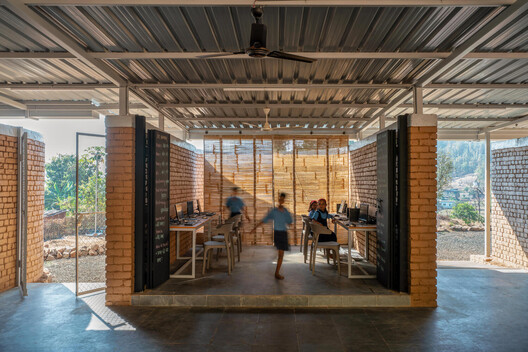
On Housing, Public Space, and Climate Resilience: In Conversation with the Winners of the 2026 UIA 2030 Award
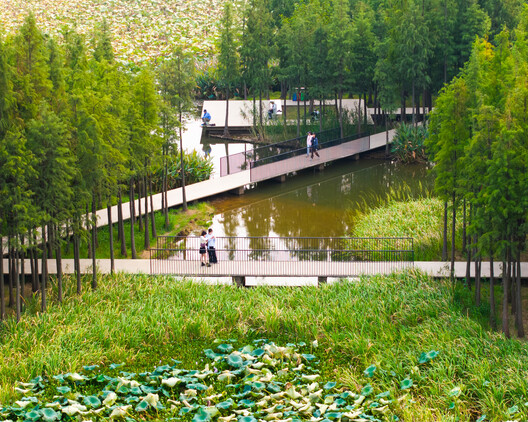
Community Architecture in Brazil: 4 Projects for Social Transformation
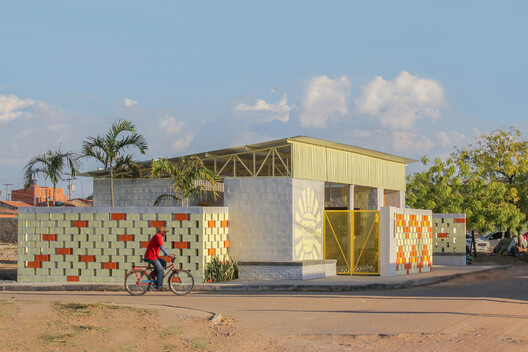
Craft in the Age of 3D-Printed Earth: Can Digital Tools Create a New Kind of Artisan?
Explore ArchDaily's input into recent International Day of the World's Indigenous Peoples, United Nations International Days: World Population Day, World Environment Day, Africa Day, and International Mother Earth Day.