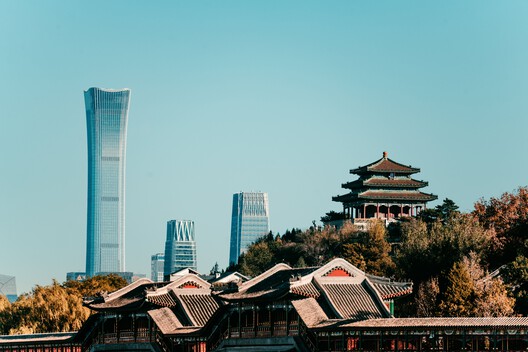
UNESCO-UIA World Capital of Architecture is a title created jointly by UNESCO and the International Union of Architects (UIA). On 5 August 2026, Beijing was named World Capital of Architecture for 2029, a title awarded every three years to a city that hosts a year of architecture-focused programming timed to coincide with the UIA World Congress of Architects. The designation was made upon the recommendation of the Joint Committee for the World Capital of Architecture, chaired by architect Dominique Perrault. It follows the recent conclusion of the UIA World Congress of Architects 2026 in Barcelona, current World Capital of Architecture, and builds on the experience of Rio de Janeiro and Copenhagen.
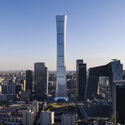
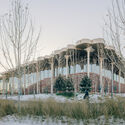
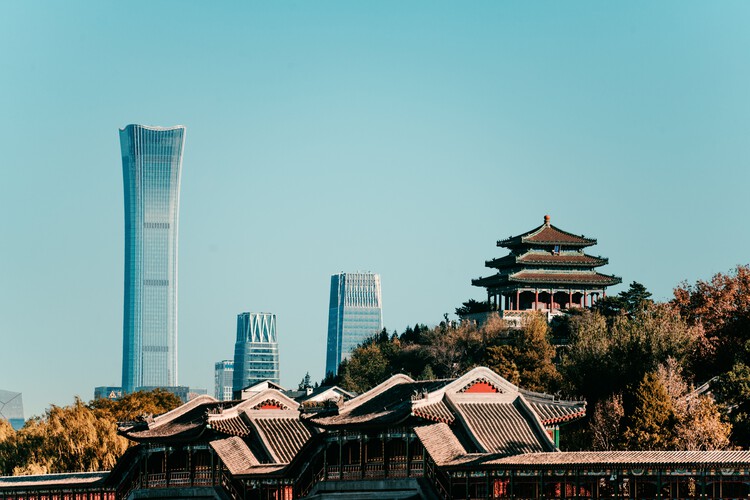
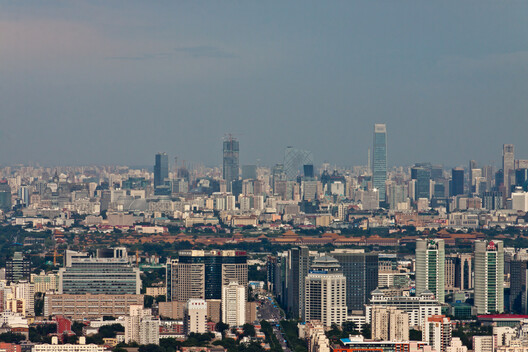
The World Capital of Architecture title recognises a city's commitment to using architecture, urban planning and culture as tools for sustainable development. It spotlights how cities address issues like urbanisation, heritage preservation, climate resilience and inclusive design. According to UNESCO, Beijing was selected for its ability to bring together one of the world's richest architectural heritages with a forward-looking vision of sustainable urban development. Its historic urban fabric, successful regeneration projects and contemporary architectural culture were cited as evidence of how heritage, innovation and community life can reinforce one another in shaping resilient, liveable cities.
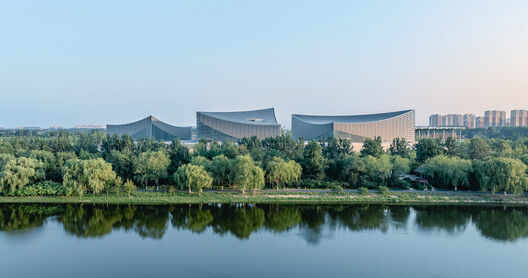

In the lead-up to 2029, Beijing is expected to organise a full calendar of exhibitions, conferences, workshops and cultural events centred on architecture and urbanism, culminating in the city's hosting of the UIA World Congress itself. Beijing 2029 takes the theme "Back to Balance," promoting architecture as a bridge between culture, nature and people. Through public events, the city aims to host international dialogue on how the built environment can contribute to more inclusive, sustainable and human-centred urban futures. The event brings together architects, planners, researchers, students, public officials and representatives of international organisations from around the world, and aims to strengthen cooperation among governments, architects, universities, cultural institutions and local communities.
Related Article
Beijing Architecture City Guide: 28 Projects to Understand Contemporary Architecture in a 3,000-Year-Old CityAs we look towards Beijing 2029, we are confident that the city's extraordinary architectural heritage, dynamic urban transformation, and forward-looking vision will inspire new international dialogue on the power of architecture in improving people's lives and in safeguarding shared heritage for future generations. - Khaled El-Enany, Director-General of UNESCO
In China, Shenzhen has been at the forefront of contemporary cultural architecture. Designed by a consortium of 3XN, B+H Architects and Zhubo Design, the Shenzhen Natural History Museum has opened to the public as the largest natural history museum in South China and among the largest recently completed museums of its kind worldwide. MAD's Shenzhen Bay Culture Square was recently completed, intended to serve as a cultural facility for design and cultural exchange. MVRDV recently revealed its design for Bihailou Art Village, a mixed-use project that combines cultural, commercial and public programmes within a vertically stacked composition derived from the firm's "Vertical Village" concept. Beyond individual buildings, China is also advancing landscape, agricultural and climate initiatives, including its Green Wall reforestation programme aimed at halting desertification in the Gobi Desert.


