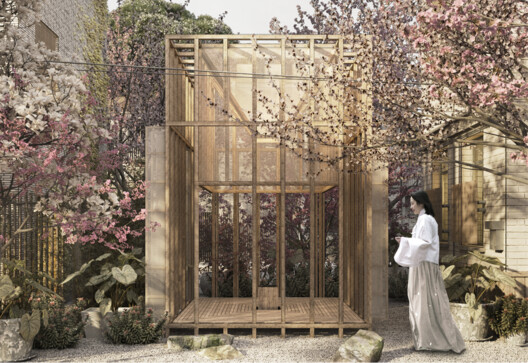
In an industry defined by building codes, climate urgency, and the pressures of the real estate market, the architectural competition has quietly become one of the discipline's most generative spaces. Unburdened by budgets, clients, or city regulations, competition entries allow architects to think at the edge of what the built environment could be, and increasingly, that speculative work is being taken seriously as a cultural and intellectual contribution in its own right. Buildner's Unbuilt Award, now in its second edition, is one of those efforts, by treating the unbuilt project as a platform for architects and designers to share concepts that challenge boundaries and inspire future possibilities. In this way, competitions like this allow architecture professionals and students to showcase ideas and visions that, even without being constructed, reflect the spirit of exploration and ingenuity in architecture.
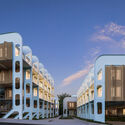
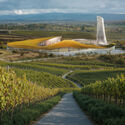
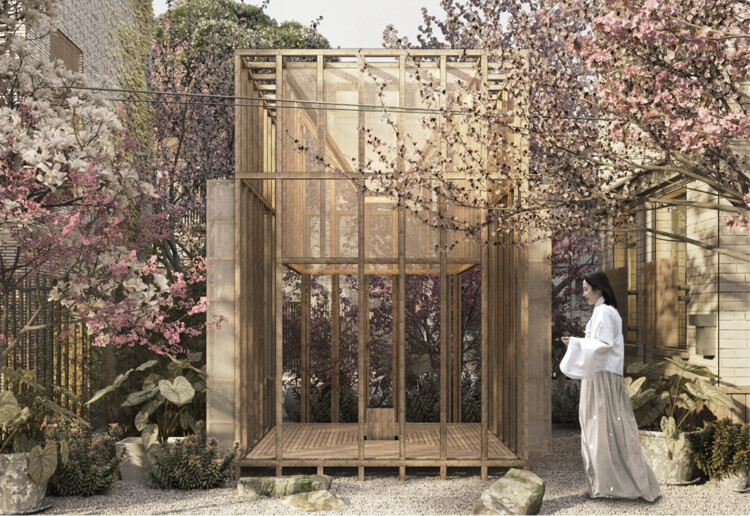
The 2025 edition brought together a 100,000 EUR prize fund distributed across three scales: small, medium, and large. At the same time, it drew a jury of ten practitioners and thinkers from across the discipline. Entries were evaluated not only on formal invention, but on the clarity of their conceptual narrative, their responsiveness to real-world pressures, and the quality of their visual communication. To understand what the jury was looking for, and what the competition's winning work reveals about the current state of architectural imagination, ArchDaily reached out to Lyndon Neri, one of the judges of the 2025 Unbuilt Award edition and co-founder of Neri&Hu Design and Research Office in Shanghai.