1. ArchDaily
  2. Neri&Hu Design and Research Office

Neri&Hu Design and Research Office: The Latest Architecture and News

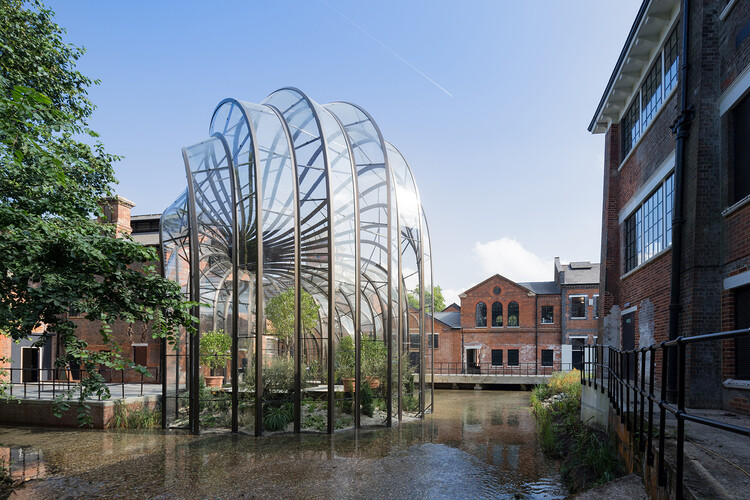
The Spirit of Space: 10 Distillery Projects Where Production Shapes Architecture

Subscriber Access | 

Unlike many industrial programs traditionally concealed behind neutral façades and hermetic spaces, contemporary distilleries often expose their production processes as an essential part of the architectural experience. The heat of the stills, the vapors of distillation, and the paths traced by raw materials cease to function merely as technical operations and instead assume spatial prominence.

Although they produce different spirits, the projects selected below share similar architectural challenges. All must organize industrial flows, control specific conditions of temperature, ventilation, and storage, and reconcile technical areas with public visitation routes. At the same time, each distillery develops particular responses to its territory, revealing different ways of relating production to landscape.

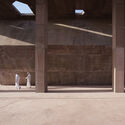
The Spirit of Space: 10 Distillery Projects Where Production Shapes Architecture - Image 1 of 4The Spirit of Space: 10 Distillery Projects Where Production Shapes Architecture - Image 2 of 4The Spirit of Space: 10 Distillery Projects Where Production Shapes Architecture - Image 3 of 4The Spirit of Space: 10 Distillery Projects Where Production Shapes Architecture - Image 4 of 4The Spirit of Space: 10 Distillery Projects Where Production Shapes Architecture - More Images+ 21

Shaping Architectural Continuity: 25 Revitalization Projects Across Historic, Industrial, and Natural Sites

Heritage sites constitute complex spatial archives in which architecture, history, and collective memory converge. They encompass a wide spectrum of contexts—from archaeological remains, ancient and historic townscapes, UNESCO-listed landscapes, to early modern civic structures and industrial infrastructures. Yet these environments confront challenges: climate change, urban transformation, disaster, shifting social needs, and the gradual erosion of material fabric. Revitalization and restoration projects respond to these conditions by positioning architectural and spatial practice as an active mediator between preservation and the contemporary topologies.

In current practice, conservation is understood as a creative process of adaptation and reinterpretation that serves both communities and inhabitants. At the same time, monumental architecture continues to define the identity and landscape of a place for wider audiences and future generations. Architects and planners are called upon to negotiate sensitive historic contexts while introducing new programs, techniques, and spatial experiences. They exemplify diverse design approaches, including precise structural interventions, climate-responsive strategies, and meticulous material restoration, alongside the thoughtful insertion of new architectural elements. Equally important is their engagement with vernacular knowledge and materiality, which preserves the locality and cultural specificity of each site.

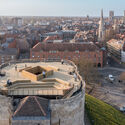
Shaping Architectural Continuity: 25 Revitalization Projects Across Historic, Industrial, and Natural Sites - Image 1 of 4Shaping Architectural Continuity: 25 Revitalization Projects Across Historic, Industrial, and Natural Sites - Image 2 of 4Shaping Architectural Continuity: 25 Revitalization Projects Across Historic, Industrial, and Natural Sites - Image 3 of 4Shaping Architectural Continuity: 25 Revitalization Projects Across Historic, Industrial, and Natural Sites - Image 4 of 4Shaping Architectural Continuity: 25 Revitalization Projects Across Historic, Industrial, and Natural Sites - More Images+ 21

Obsolete Typologies Revived Through 17 Adaptive Reuse Projects

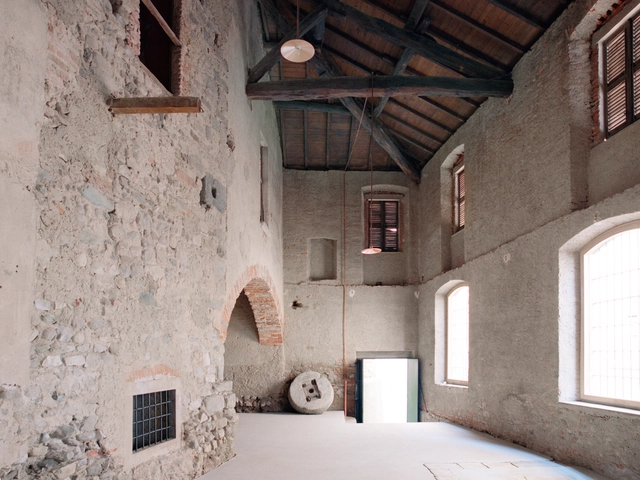
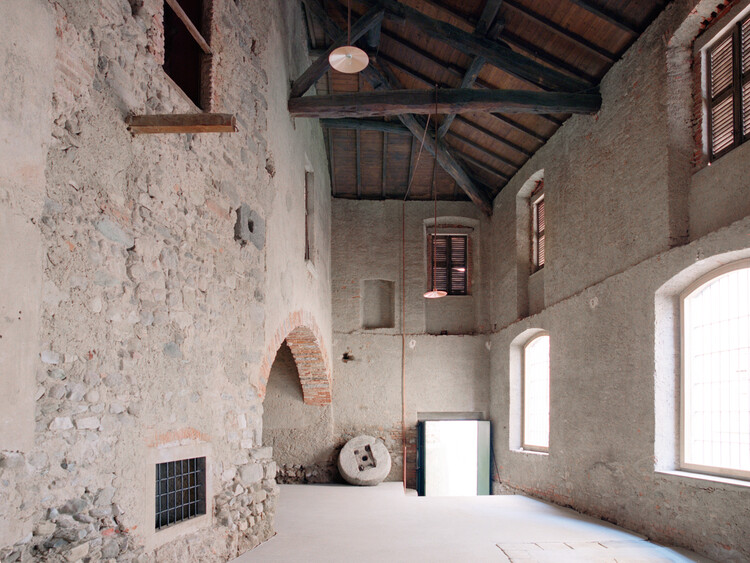
Adaptive reuse is shifting from simple preservation to active revitalization, a process of structurally rescuing and reprogramming architectural typologies whose original functions are no longer relevant. The obsolescence of architectural spaces occurs for varied reasons: sociological shifts, leaving spaces uninhabited; technological advances, phasing out specific machinery; and economic changes, making centralized functions necessary. The strategy of repurposing focuses on achieving spatial and functional longevity through minimal interventions, allowing the original structure to serve as the memory anchor of the project.

This wave of adaptive reuse treats the historic shell as a limited resource, prioritizing structural permanence over surface aesthetics. Designers are engaging in a sort of archaeological process by exposing the original structural essence: the heavy timber, raw concrete, or monumental masonry. Interventions are confined to meeting new programmatic needs, often appearing as an independent insertion within the ancient envelope. This contrast redefines the building's lifespan not as a singular narrative but as a layered story of continuous events.

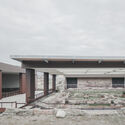
Obsolete Typologies Revived Through 17 Adaptive Reuse Projects - Image 9 of 4Obsolete Typologies Revived Through 17 Adaptive Reuse Projects - Image 4 of 4Obsolete Typologies Revived Through 17 Adaptive Reuse Projects - Image 13 of 4Obsolete Typologies Revived Through 17 Adaptive Reuse Projects - Image 5 of 4Obsolete Typologies Revived Through 17 Adaptive Reuse Projects - More Images+ 13

Shanghai Architecture City Guide: 30 Projects Showcasing the City's Diverse Contemporary Architecture

Subscriber Access | 

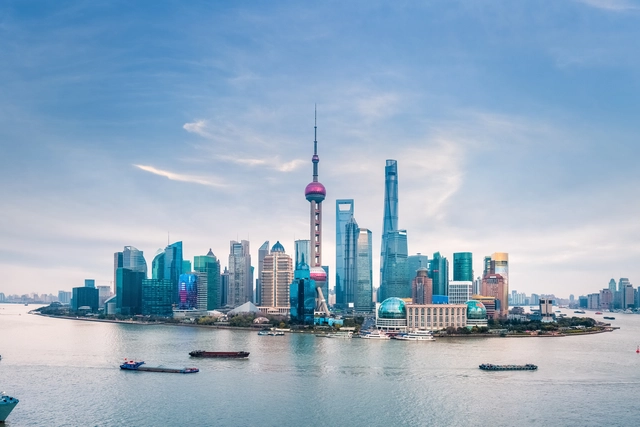
Shanghai, as one of China's most representative global cities, features an architectural vocabulary that seamlessly blends its distinctive "Haipai" (Shanghai style) urban character with an international perspective. The city boasts a rich spatial hierarchy, ranging from the micro-level of alleyways and neighborhoods to the macro-scale of urban planning. From the Suzhou Creek to the Huangpu River, every architectural landmark embodies Shanghai's unique history, culture, and vision for the future.
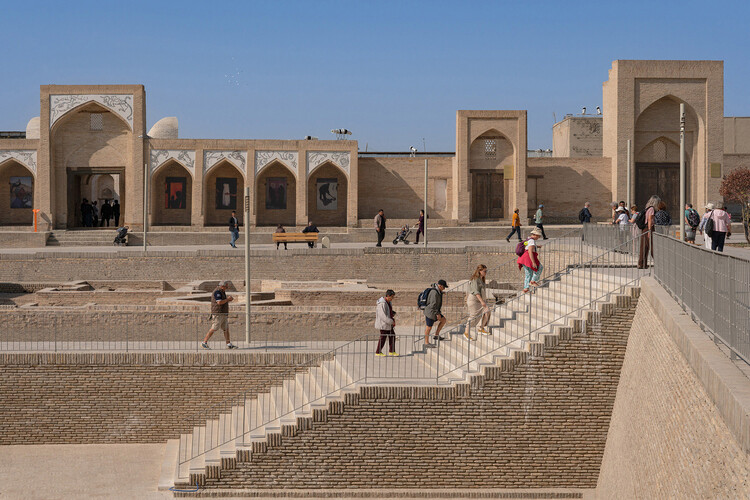
Shanghai Architecture City Guide: 30 Projects Showcasing the City's Diverse Contemporary Architecture - Image 1 of 4Shanghai Architecture City Guide: 30 Projects Showcasing the City's Diverse Contemporary Architecture - Image 2 of 4Shanghai Architecture City Guide: 30 Projects Showcasing the City's Diverse Contemporary Architecture - Image 3 of 4Shanghai Architecture City Guide: 30 Projects Showcasing the City's Diverse Contemporary Architecture - Image 4 of 4Shanghai Architecture City Guide: 30 Projects Showcasing the City's Diverse Contemporary Architecture - More Images+ 27

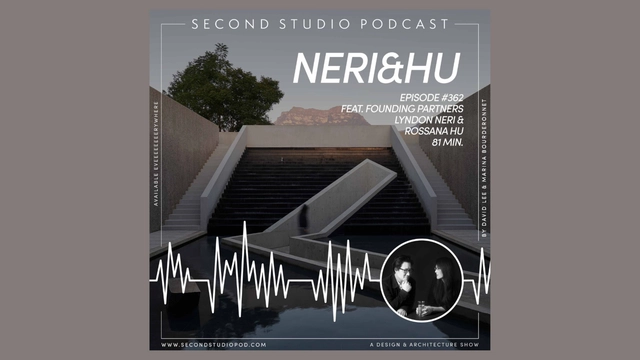
The Second Studio Podcast: Interview with Neri&Hu

The Second Studio (formerly The Midnight Charette) is an explicit podcast about design, architecture, and the everyday. Hosted by Architects David Lee and Marina Bourderonnet, it features different creative professionals in unscripted conversations that allow for thoughtful takes and personal discussions.

A variety of subjects are covered with honesty and humor: some episodes are interviews, while others are tips for fellow designers, reviews of buildings and other projects, or casual explorations of everyday life and design. The Second Studio is also available on iTunes, Spotify, and YouTube.

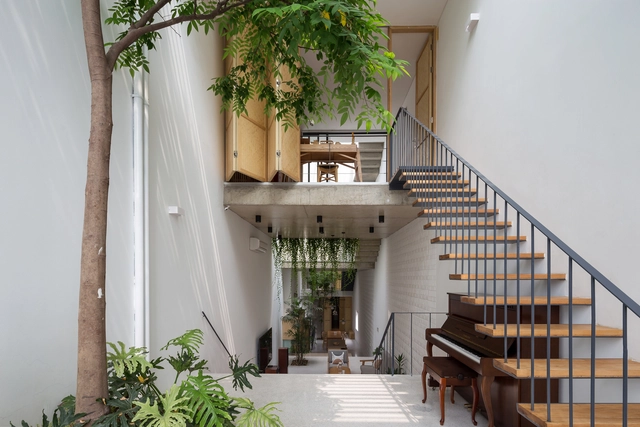
This week David and Marina of FAME Architecture & Design are joined by Architects Lyndon Neri and Rossana Hu, founding partners of Neri&Hu Design and Research Office, to discuss their upbringing, moving to the United States in their youth; meeting at Berkeley; studying and teaching Architecture; moving to China; starting their office together; running a multi-disciplinary office; their philosophy; and more.
The Second Studio Podcast: Interview with Neri&Hu - Image 1 of 4The Second Studio Podcast: Interview with Neri&Hu - Image 2 of 4The Second Studio Podcast: Interview with Neri&Hu - Image 3 of 4The Second Studio Podcast: Interview with Neri&Hu - Image 4 of 4The Second Studio Podcast: Interview with Neri&Hu - More Images+ 7

5 Typologies of Multigenerational Family Homes

Rising living costs are relevant hurdles to young people, seeking a place to live, while much older generations might find it more difficult to settle into comfortable post-retirement settings. These general issues have been pushing forth a recurring solution, namely a return to multigenerational family living. 

While communal living concepts and developments had been adopted in recent years, familial involvement is proving to be a financially, legally, and emotionally viable alternative. 

5 Typologies of Multigenerational Family Homes - Image 1 of 45 Typologies of Multigenerational Family Homes - Image 2 of 45 Typologies of Multigenerational Family Homes - Image 69 of 45 Typologies of Multigenerational Family Homes - Image 73 of 45 Typologies of Multigenerational Family Homes - More Images+ 74

2023 Venice Architecture Biennale: 63 National Pavilions and 89 Participants with Significant Representation from Africa

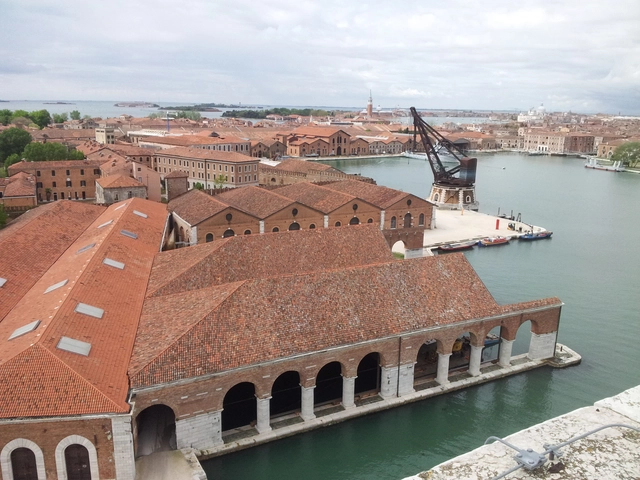
Announced today in a live presentation, the 18th International Architecture Exhibition, titled The Laboratory of the Future, curated by Lesley Lokko, will be open to the public from May 20 to November 26, 2023, in Venice, Italy. This edition will include 63 National Pavilions, 27 of which are at the Giardini, 22 at the Arsenale, and 14 in the city center of Venice. Structured in six parts, the exhibition will include 89 Participants, over half of whom are from Africa or the African Diaspora, with a 50/50 gender balance, and an average age of 43 for participants. Contributors include Adjaye Associates, atelier masōmī, Kéré Architecture, MASS Design Group, Sumayya Vally and Moad Musbahi, Theaster Gates Studio, Andrés Jaque / Office for Political Innovation, Liam Young, Neri&Hu Design and Research Office, to name a few.
2023 Venice Architecture Biennale: 63 National Pavilions and 89 Participants with Significant Representation from Africa - Image 1 of 42023 Venice Architecture Biennale: 63 National Pavilions and 89 Participants with Significant Representation from Africa - Image 2 of 42023 Venice Architecture Biennale: 63 National Pavilions and 89 Participants with Significant Representation from Africa - Image 3 of 42023 Venice Architecture Biennale: 63 National Pavilions and 89 Participants with Significant Representation from Africa - Image 4 of 42023 Venice Architecture Biennale: 63 National Pavilions and 89 Participants with Significant Representation from Africa - More Images+ 8

The Voice of Women in Chinese Architecture

Women's studies officially began in China in the early 1980s. Women awoke and started to take bigger roles in society as it grew. Women had been working as architects for a century, but Lin Huiyin was not recognized as the country's first female architect until the 1920s due to the profession's tardy development in China. But nowadays, more and more female architects are filling crucial positions.

The Voice of Women in Chinese Architecture - Image 1 of 4The Voice of Women in Chinese Architecture - Image 2 of 4The Voice of Women in Chinese Architecture - Image 3 of 4The Voice of Women in Chinese Architecture - Image 4 of 4The Voice of Women in Chinese Architecture - More Images+ 8

Neri&Hu Designs the Pernod Ricard Malt Whisky Distillery in Emeishan, China

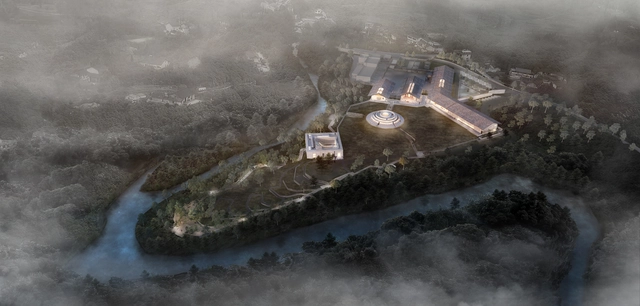
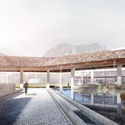
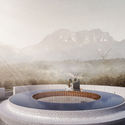
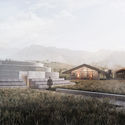
Neri&Hu has designed a distillery and brand home for China’s first whisky, in Emeishan, Sichuan, China. The Pernod Ricard Malt Whisky Distillery puts in place a timeless architecture, inspired by the site itself and its unique components, blending together whisky-making and the landscape into one holistic narrative.­­­

Neri&Hu Designs the Pernod Ricard Malt Whisky Distillery in Emeishan, China - Image 1 of 4Neri&Hu Designs the Pernod Ricard Malt Whisky Distillery in Emeishan, China - Image 2 of 4Neri&Hu Designs the Pernod Ricard Malt Whisky Distillery in Emeishan, China - Image 3 of 4Neri&Hu Designs the Pernod Ricard Malt Whisky Distillery in Emeishan, China - Image 4 of 4Neri&Hu Designs the Pernod Ricard Malt Whisky Distillery in Emeishan, China - More Images+ 14

Winners of the ArchDaily China Building of the Year 2020 Awards

Another year, another successful ArchDaily China Building of the Year Awards! With more than 20,000 votes gathered over the past 20 days, the results of the 2020 edition are in! Once more, the award has proved to be the largest architecture prize centered around people’s opinion. Crowdsourced, the most relevant projects of the year were nominated and selected by our readers.

This year we celebrate three projects -- highlighting a wide range of interventions, typologies, scale, material and locations, the winners are a mere reflection of the vast outreach of the profession. With new names surfacing every year, this edition, as the previous ones did, honors well-established practices and the newcomers. High-profile figures include Atelier FCJZ with its bridge museum in the Chinese countryside, Neri&Hu Design and Research Office and its sculpture art center, and Atelier Lai's Bamboo Bridge.

True to its status, ArchDaily China, the most far-reaching Chinese architectural website, is and will always be a platform for all architecture enthusiasts. Curating the best in the world, thanks to the trust of architectural firms and the devotion of our readers, ArchDaily’s realm keeps expanding exponentially. For that, we are grateful! 

ArchDaily China Building of the Year 2020 Awards: The Finalists

Following an exciting week of nominations, ArchDaily’s readers have evaluated over 800 projects and selected 10 finalists of the Building of the Year Award. Over 20,000 architects and enthusiasts participated in the nomination process, choosing projects that exemplify what it means to push architecture forward. These finalists are the buildings that have inspired ArchDaily readers the most.

Kimpton Da An Hotel / Neri&Hu Design and Research Office

Kimpton Da An Hotel / Neri&Hu Design and Research Office - Interior Photography, Hotels Interiors, Table, ChairKimpton Da An Hotel / Neri&Hu Design and Research Office - Interior Photography, Hotels Interiors, Kitchen, Table, ChairKimpton Da An Hotel / Neri&Hu Design and Research Office - Interior Photography, Hotels Interiors, Bedroom, Lighting, BedKimpton Da An Hotel / Neri&Hu Design and Research Office - Interior Photography, Hotels InteriorsKimpton Da An Hotel / Neri&Hu Design and Research Office - More Images+ 25

WA Awards for Chinese Architecture 2018

WA Awards for Chinese Architecture (WAACA) was established by World Architecture magazine in 2002, and was awarded biennially. The mission of WAACA is to encourage and introduce completed works addressing the national conditions of China with innovative values. It aims at enlivening the academic atmosphere of Chinese architectural community, promoting the prosperity of Chinese architectural design, enhancing the quality of Chinese architecture, contributing to the public understanding and recognition of architectural industry in China, and introducing Chinese architects and architectures to the world.

In 2014, the seventh cycle of WA Awards for Chinese Architecture expanded to a larger range, with increased the categories of the awards, and identifying more clearly the value appeal of each award. By encouraging more types of projects to participate in the selection, WAACA intends to introduce more outstanding Chinese architectural works to the Chinese society and the world.

Oct 12th, 2018, when 2018 WAACA was held in Beidaihe, the jury selected 59 entries in total for Winners, Highly commended and Shortlisted projects of WA Achievement Award, WA Design Experiment Award, WA Social Equality Award, WA Technological Innovation Award, WA City Regeneration Award and WA Housing Award from a total of 354 valid entries on the basis of their independent judgment.

15 Impressive Atriums (And Their Sections)

Subscriber Access | 

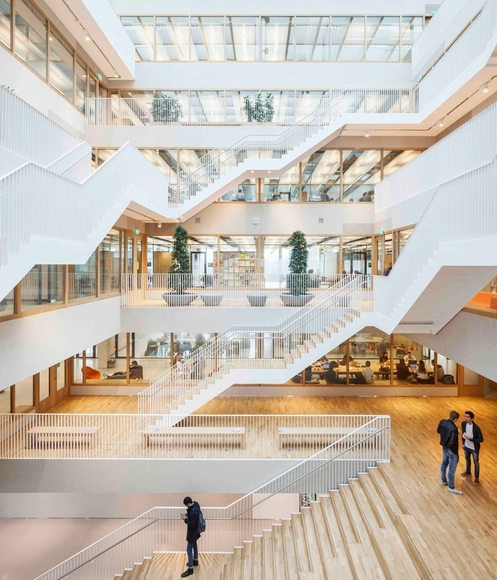
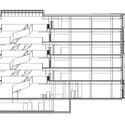
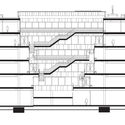
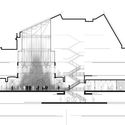
15 Impressive Atriums (And Their Sections) - Image 1 of 415 Impressive Atriums (And Their Sections) - Image 2 of 415 Impressive Atriums (And Their Sections) - Image 3 of 415 Impressive Atriums (And Their Sections) - Image 4 of 415 Impressive Atriums (And Their Sections) - More Images+ 26

Offices and cultural buildings both offer the perfect opportunity to design the atrium of your dreams. These central spaces, designed to allow serendipitous meetings of users or to help with orientation in the building, are spacious and offer a lot of design freedom. Imposing scales, sculptural stairs, eccentric materials, and indoor vegetation are just some of the resources used to give life to these spaces. To help you with your design ideas, below we have gathered a selection of 15 notable atriums and their section drawings.

Look Inside a Collection of Shanghai-Based Architecture Offices, Photographed by Marc Goodwin

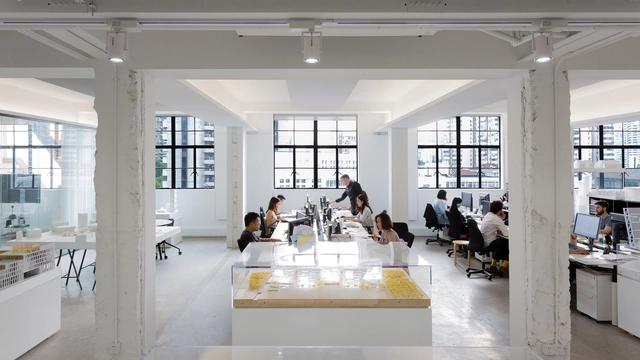
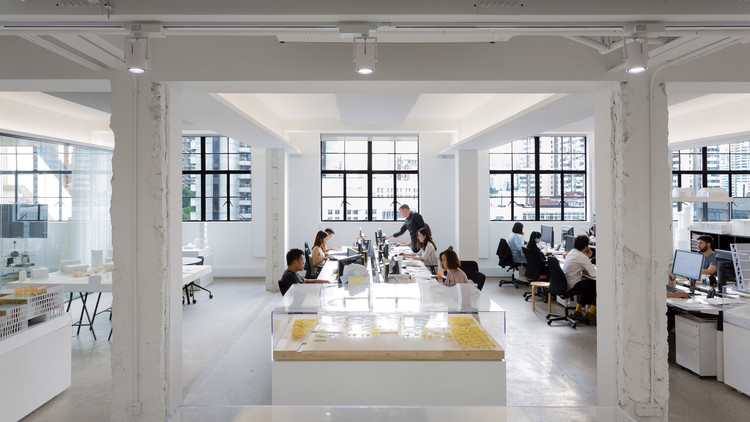
Through his series of architectural photographs, photographer, Marc Goodwin, is giving us an inside look into the architecture firms of the world’s greatest cities. His work has brought us through a collection of Nordic architectural offices, firms both large and small in London, numerous studios within Beijing, a selection of practices in Seoul, and a compendium of offices through the French capital. Shanghai is the next to be added to his list with his most recent collection showcasing the rich architectural culture of China’s largest city.

Look Inside a Collection of Shanghai-Based Architecture Offices, Photographed by Marc Goodwin - Image 1 of 4Look Inside a Collection of Shanghai-Based Architecture Offices, Photographed by Marc Goodwin - Image 2 of 4Look Inside a Collection of Shanghai-Based Architecture Offices, Photographed by Marc Goodwin - Image 3 of 4Look Inside a Collection of Shanghai-Based Architecture Offices, Photographed by Marc Goodwin - Image 4 of 4Look Inside a Collection of Shanghai-Based Architecture Offices, Photographed by Marc Goodwin - More Images+ 29

PRODUCE Workshop's "Fabricwood" Named World's Best Interior of 2017

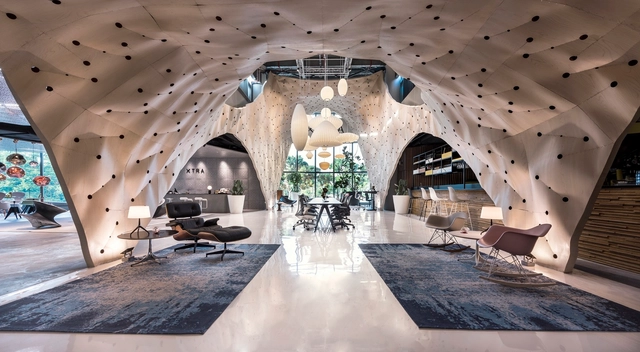
PRODUCE Workshop's flexible plywood "Shop-in-Shop" interior for Herman Miller at the XTRA flagship store in Singapore has been named the world's best interior of 2017 at the INSIDE World Festival of Interiors, which took place alongside the 2017 World Architecture Festival in Berlin. The overall winner was selected from a list of 9 nine category winners announced over the first two days of the event, which themselves were selected from a shortlist of 78 projects.

Dubbed "Fabricwood" by its designers, the winning space comprises a 20-meter arched structure constructed of plywood panels modeled to give the appearance of fabric. The installation was also the winner of the Display category.

Last year's top honors were awarded to Hangzhou AN Interior's Black Cant System.

Read on to see all of the category winners.

2017 World Architecture Festival Announces Day 1 Award Winners

The World Architecture Festival (WAF) has announced the Day 1 category winners of their 2017 awards slate. Winners selected among 32 categories over the first two days of the conference will then continue on to compete for the title of the World Building of the Year 2017 to be announced on the final day of the event on Friday.

The world’s largest architectural award program, the WAF Awards year saw its biggest year yet, with a total of 924 entries received from projects located in 68 countries across the world. The finalist projects will be selected live at the festival by a Super Jury made up of jury chair Robert Ivy, Chief Executive Officer of the American Institute of Architects; Nathalie de Vries, Director & Co-founder of MVRDV; Ian Ritchie, Founder of Ian Ritchie Architects; and Christoph Ingenhoven, Founder of Ingenhoven Architects.

You can check out the full shortlist here, and see which built and future projects took home awards after the break.

BEI Function Space / Neri&Hu Design and Research Office

BEI Function Space / Neri&Hu Design and Research Office - Interior DesignBEI Function Space / Neri&Hu Design and Research Office - Interior Design, Handrail, LightingBEI Function Space / Neri&Hu Design and Research Office - Interior DesignBEI Function Space / Neri&Hu Design and Research Office - Interior DesignBEI Function Space / Neri&Hu Design and Research Office - More Images+ 17

  • Area Area of this architecture project Area:  350
  • Year Completion year of this architecture project Year:  2017
  • Manufacturers Brands with products used in this architecture project
    Manufacturers:  dormakaba, De La Espada, Hafele, Magis, Neri&Hu