

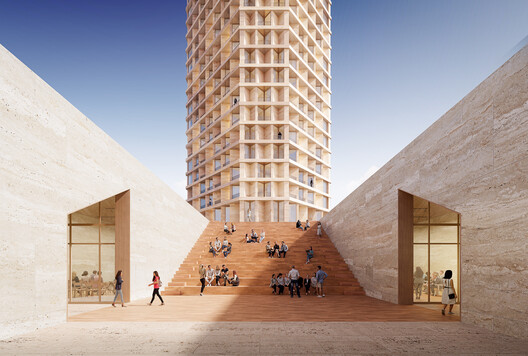
On June 3, 2026, Herzog & de Meuron was selected to revitalize the Palace of Congresses building in Tirana, Albania. The project was designed along with collaborators Julian Beqiri, Marsela Demaj, Michel Desvigne Paysagistes (MDP), ARUP, LDK, Gentian Shkurti, SUEB Industries sh.p.k., The Space Factory Ltd, MBBM, and KLAR sh.p.k. The Palace of Congresses (or Pallati i Kongreseve) was built during the People's Socialist Republic of Albania and opened in 1986 to host the Congresses of the Party of Labour of Albania and other official activities. The International Competition for the Redevelopment of the Palace of Congresses, carried out by the Albanian government, called for a comprehensive transformation of the building while preserving its historical identity. The project should address serious infrastructural issues and bring the Palace to contemporary standards in terms of technology, functionality, and quality of spaces.
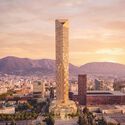
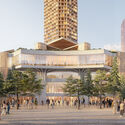
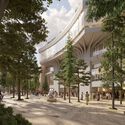
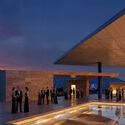
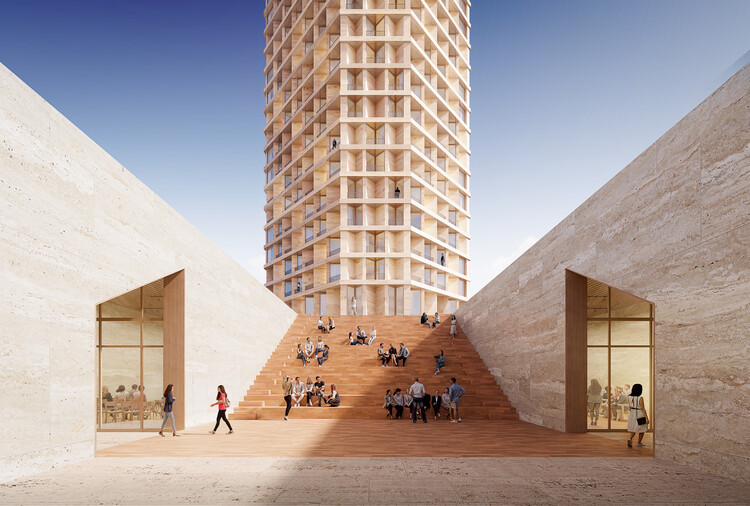
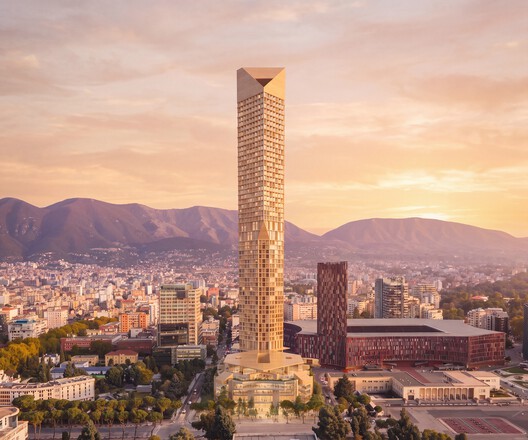
From its socio-political functions to the present day cultural use, the Palace of Congresses' main 2,100-seat hall and the areas with smaller capacity are used as a venue for conferences, festivals, exhibitions, ceremonies, and concerts. The International Competition for the Redevelopment of the Palace of Congresses was organised by the Albanian Government to transform it "into a new destination for Tirana's tourism, culture, and social life, further strengthening its role as a major hub of public life and daily activity in the capital." The competing architectural concepts should point to that objective by reorganizing the building's interior and revamping its image as "one of the capital's most symbolic public spaces."
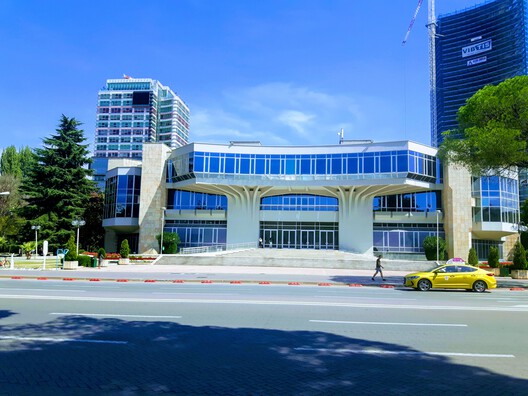
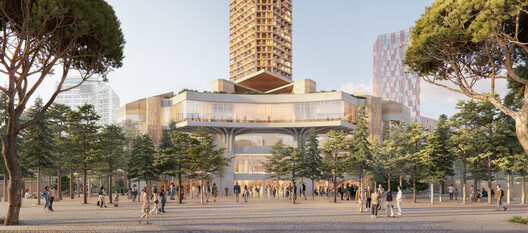
According to the description by Herzog & de Meuron, the redesign intervenes in the existing building only where necessary. The office describes the existing building as "an important witness to the history of both Tirana and Albania," with the renovation seeking not to alter its identity but to reinforce its public functions. With a site area of 4,760 sqm and a gross floor area of 55,000 sqm, the new design adds a multifunctional tower accommodating offices and a hotel, along with a new palace garden for public gathering at the building's entrance. As pointed out by the authorities, this is the 15th international competition carried out by the Albanian government for new architectural projects. The government has focused its efforts on developing landmark projects designed by international firms, turning the city into a destination for architectural tourism.
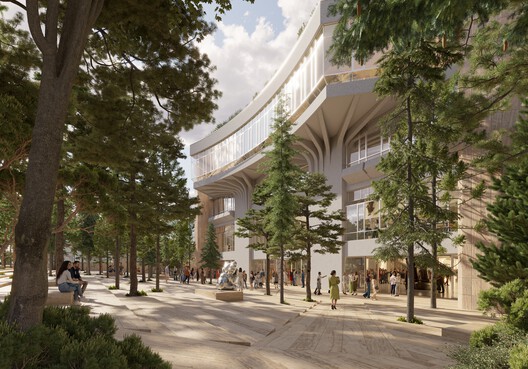
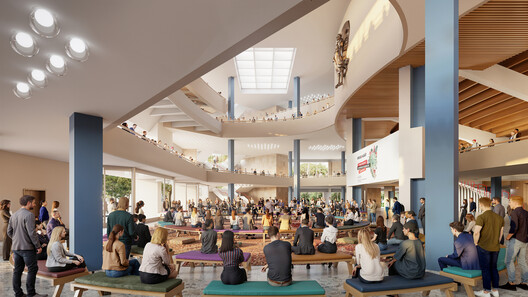
Various figures from the field of architecture gathered in Tirana over the past few days for the second edition of the Bread & Heart Festival 2026, aimed at connecting international figures from the architectural community, such as Francis Kéré, Jeanne Gang, Ma Yansong, and Sumayya Vally, with local practitioners, institutions, and a broader audience. Recent project news includes the advances of Casanova+Hernandez Architects' renovation of Albania's National Historical Museum in Skanderbeg Square, the selection of Rojkind Arquitectos, Pedro Reyes, SON Architects, Motus Holdings, and ASAB to redevelop the Zyber Hallulli site, and MVRDV's design of a spherical landmark for Tirana's new Asllan Rusi Sports Palace.


