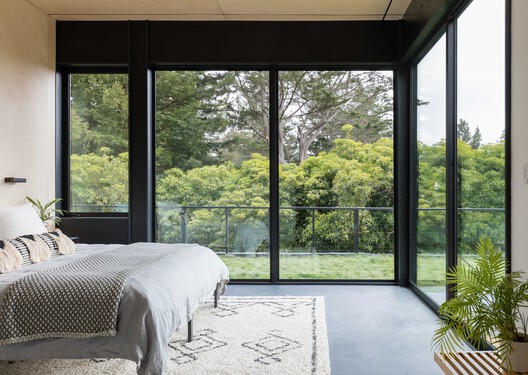
What makes a home resilient? Extreme weather events are becoming increasingly frequent around the world. From power outages, hurricanes, and earthquakes to wildfires, floods, and droughts, the world is experiencing a process of transformation and adaptation that requires collaboration among diverse disciplines. The role of architecture in the built environment reflects an opportunity to rethink how homes perform under changing environmental conditions—not only by anticipating the unexpected. Designing for resilience means thinking holistically, considering material choices, energy systems, landscaping, and construction details that anticipate disruption and help homes recover quickly. It involves creating architecture that evolves with the environment, is worth preserving, and endures for years and generations.
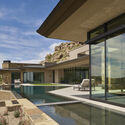
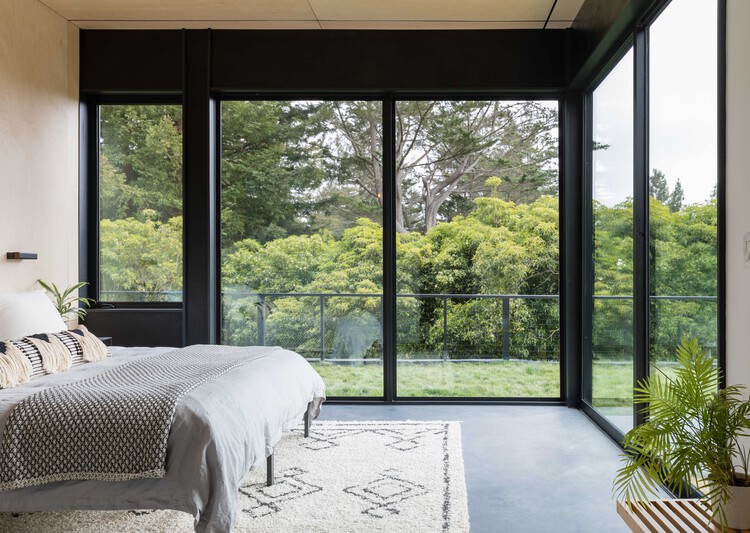
When it comes to residential design, resilience has emerged as a key consideration, revealing the possibility of combining innovation, safety, and aesthetic quality. Resilient design is about stewardship and focuses on creating structures that anticipate, endure, and recover from natural disasters such as wildfires, high winds, flooding, and power outages. By combining protective elements to achieve functionality and durability, professionals in the design and building sectors integrate a range of components into resilient homes, including:
- Fire-resistant siding and roofing to minimize wildfire damage.
- Strategic landscaping and site planning to mitigate risks from natural disasters.
- Sealed, high-performance building envelopes to combat moisture and air infiltration.
- Durable fenestration systems that can withstand extreme weather conditions.
According to the 2024 AIA Firm Survey Report, more than 60% of architects now incorporate resilient design elements into their material selections for residential projects. But why does resilience matter in architecture? The National Centers for Environmental Information (NCEI) reports that the United States experienced 27 confirmed weather and climate disaster events in 2024, each causing losses exceeding $1 billion. These events ranged from droughts and floods to severe storms and tropical cyclones.
Extending far beyond individual homes, resilient design gives communities the opportunity to recover more quickly from disruptive events. By enabling faster recovery, the adoption of resilient building design standards can significantly reduce damage and help protect lives and property. This holistic approach brings together foresight, strategic planning, and advanced material solutions. Climate-resilient architecture also ensures compliance with evolving building regulations in wildfire-prone areas such as California. Features like WUI-compliant windows and Title 24–compliant windows promote both innovation and adherence to regulatory standards.
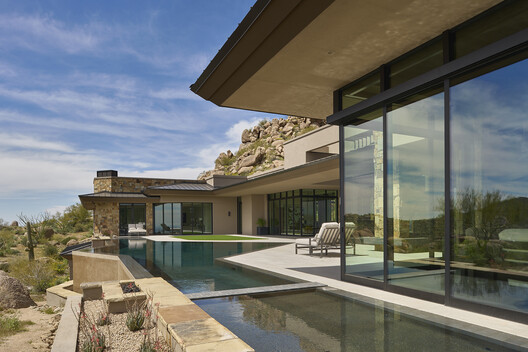
Beyond performance and durability, quality window and door systems offer long-term value. Resilient windows and doors can mean lower cooling costs, more stable indoor temperatures, and increased protection. By combining resilience and aesthetics, Western Window Systems' solutions cater to architects, builders, and interior designers who prioritize building materials suitable for high-risk fire zones and energy-efficient construction techniques. As part of their core philosophy, resilience is built into their components, reflecting a trajectory of design adaptation that anticipates the potential impacts of flooding, hail, drought, earthquakes, power outages, wildfires, and more.
Building with Flame in Mind
According to the National Interagency Fire Center, nearly 9 million acres burned in U.S. wildfires in 2024—more than half of them in wildland–urban interface zones. Wildfires remain a persistent threat, demonstrating that site design can play a vital role in fire mitigation. To help reduce fire spread, architects and designers should consider managing vegetation near the home, selecting less flammable species for trees and shrubs, and limiting mulch or grasses near the foundation. However, designing for fire does not mean abandoning wood. While fiber cement, metal, brick, stone, and stucco siding offer high fire resistance, mass timber and glulam products also demonstrate surprising fire performance. When exposed to flame, their outer layer chars, protecting the structural core.
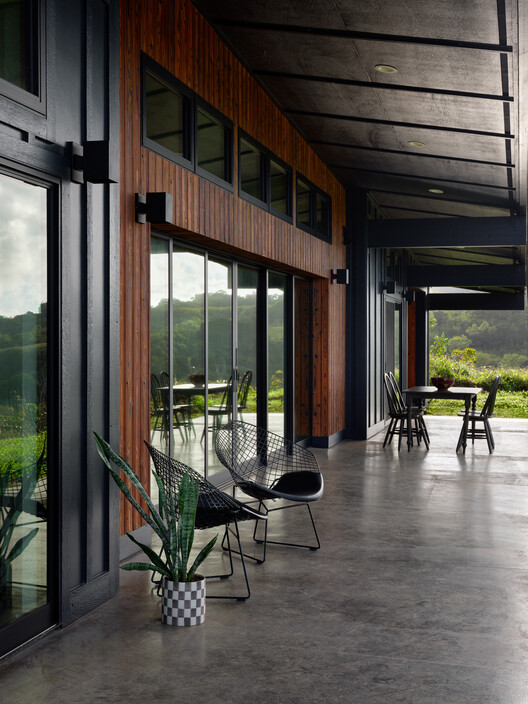
Aluminum windows as well as tempered glass can also contribute to fire resistance. Aluminum window frames, such as those produced by Western Window Systems, are noncombustible, corrosion-resistant, and capable of withstanding extreme heat. With a melting point of approximately 1,200°F, these frames offer extreme durability in fire-prone and high-exposure environments. In addition, many of their options meet California's Wildland–Urban Interface (WUI) Building Standards and Title 24 energy efficiency requirements. Beyond ensuring safer designs, architects and builders can work with these materials to achieve higher performance, as well as greater durability and reliability, in disaster-resistant homes. By adressing glazing and openings in wildfire-prone areas, the analysis of factors such as ember intrusion risks, WUI glazing considerations, and the role of tempered or multi-pane glass assemblies in fire exposure demonstrate a vital approach that links wildfire resilience to building envelope design.
Standing Up to the Storm
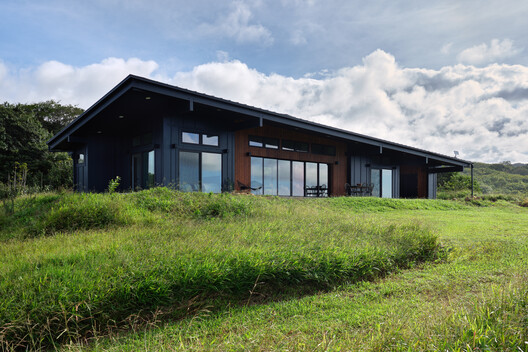
From monsoons in Tucson, Arizona, to superstorms in New York City, high winds and driving rain have pushed resilience to the center of residential practice. Recognizing how rain must be managed across the building envelope, many architects now adopt oversized gutters, detailed flashing, and sloped drainage planes as standard practice. For example, a new home on Maui's northeast shore in Hawaii incorporates Western Window Systems products that blend aesthetics with resilience. Hawaii's climate can be particularly demanding on building materials due to its tropical nature, with conditions that vary depending on altitude and surroundings. Airborne salt spray can scratch and degrade glazing in windows and doors, while heavy rains and higher temperatures can affect interior comfort. David Sellers, principal of Hawai'i Off Grid Architecture & Engineering, adds that the site receives 90–100 inches of rain each year, making durable glazing and long-lasting hardware essential. In addition, a deep roof overhang was designed to protect rooms from both rain and intense sun.
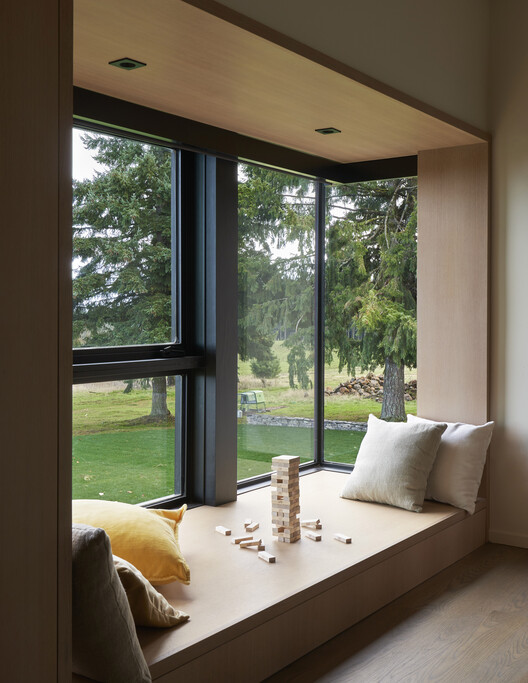
Regarding different environmental conditions, architects often select diverse glazing systems considering design pressure ratings in relation to wind loads, laminated versus tempered glazing strategies, frame depth and structural reinforcement for large openings. Architectural solutions that incorporate laminated glass and reinforced frames provide structural durability in the face of windstorms and heavy rain. In terms of laminated glass and products with high design pressure (DP), a DP rating of 50 or higher indicates stronger resistance to wind loads and structural stress. These ratings are verified by standards established by the Fenestration and Glazing Industry Alliance (FGIA) and the Window & Door Manufacturers Association (WDMA).
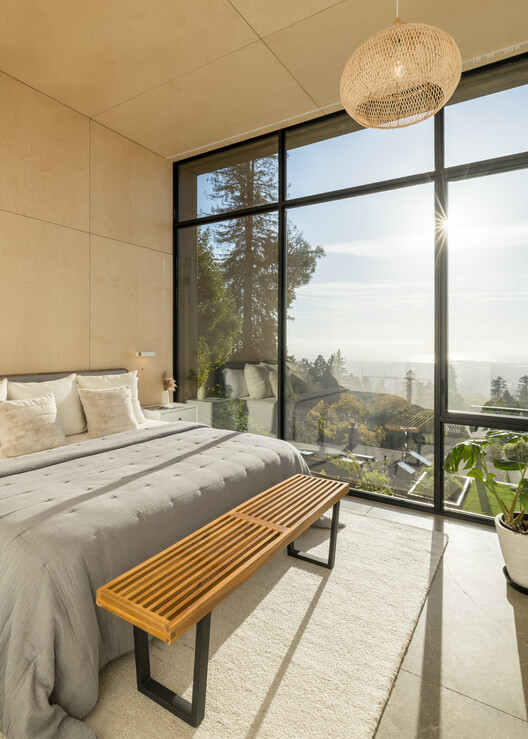
Based on structural performance, aesthetics and thermal expansion, the thermal performance design of glazing systems provides a framework to meet architects' needs for sightlines, sizes, strength, and configurability. For example, the Performance Line doors' resistance to wind load is influenced by the placement of the thermal break within the extrusion. As Richard Mazur, Western Window Systems' design engineering manager, states "Structurally, when you add a thermal break, you are going to be producing a less stiff shape. This is due to the interface between the thermal break and the aluminum. On the Performance Line, the crimps that hold the thermal strut in place will break free once a certain transverse shear stress is reached. If this limit is reached under wind load, this will cause the crimps to fail and cause the stile to suffer permanent deflection, even though we did not reach the yield stress limit for the aluminum. We can improve the stiffness/performance by where we place the thermal break in the extrusion."
Managing Too Much or Too Little
Managing and conserving water is one of the central focuses of resilient design. Capturing precipitation represents more than a request shared among professionals, clients, and developers—it reflects a commitment to engaging with the surrounding environment in order to achieve self-sufficiency, sustainability, and resilience. Site features such as swales and rain gardens can absorb runoff and support landscapes during dry periods. At the same time, drought-resistant plantings with deep root systems can help reduce fire risk and prevent erosion on sloped sites.
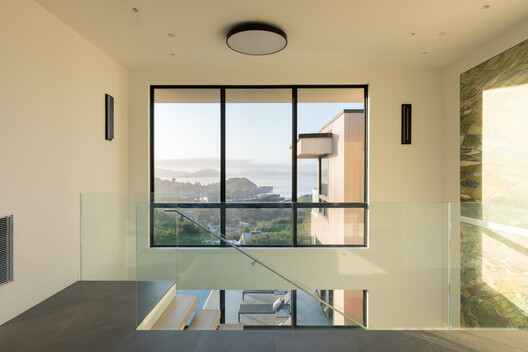
In flood-prone areas, architects and designers are working to raise floor elevations, divert stormwater away from structures, and design outdoor spaces that can temporarily hold heavy rainfall. Strategies often include subtle site grading, well-placed plantings, and the use of permeable surfaces. In dialogue with natural environments—whether providing scenic views or maximizing natural light—expansive glazing systems interact not only with their surroundings but also contribute to the overall performance of the building envelope.
Keeping the Lights On
According to the nonprofit research group Climate Central, weather contributed to more than 80% of all power outages in the United States between 2000 and 2023. Interest in greater control over energy supply has continued to grow, with solar panels emerging as one possible response to this demand, though they rarely provide enough power for large homes with high electrical demands. Many architects are integrating backup power generators for clients who want assurance that HVAC systems, refrigeration, and communications will continue operating during emergencies.
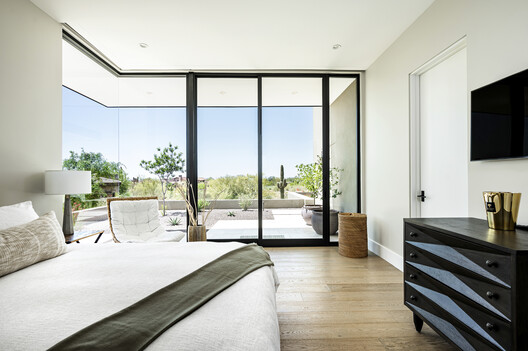
In the face of unpredictable weather conditions, high-performance windows and doors play a critical role in resilient residential design. By incorporating materials and technologies that reduce heat transfer and manage solar gain, Western Window Systems offers several product families designed to balance expansive glazing with structural strength and energy performance. Systems such as the Performance Line and Series 8000 use slim aluminum framing, advanced glazing options, and thermal breaks to support resilient residential design without compromising architectural expression. Solutions that understand architects' thoughts and design visions contribute not only to the materialization of an idea but also to what a client has in mind or envisions. When architect Michael Gale designed a home in Lafayette, California, he wanted to ensure that the thin lines he drew on paper didn't become thick, clunky window frames in reality. As he explains, it was possible to install 11-foot sliding glass doors that pull away from the corner to provide expansive views while operating smoothly, combining elegance with strength.
Beyond material solutions, optimizing resilient residential design requires collaboration among architects, builders, interior designers, and many other professionals in the construction industry. From technical documentation and design studios to streamlined processes, Western Window Systems places resilience at the center of its design priorities. In response to the wide range of challenges posed by natural environments, the development of building materials for fire-prone regions, energy-efficient aluminum windows, and tempered glass solutions contributes to creating safer and more climate-resilient futures.


