The International Union of Architects (UIA), in partnership with UN-Habitat, has released the Stage 1 results of the third cycle of the UIA 2030 Award, identifying the projects selected as Regional Finalists. The shortlisted entries were drawn from submissions across the UIA's five global regions and will advance to the second stage of evaluation. Established in alignment with the UN 2030 Agenda for Sustainable Development, the award framework positions the built environment within broader discussions on sustainable urban development and global policy objectives.
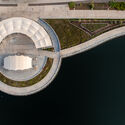
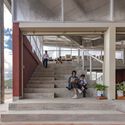
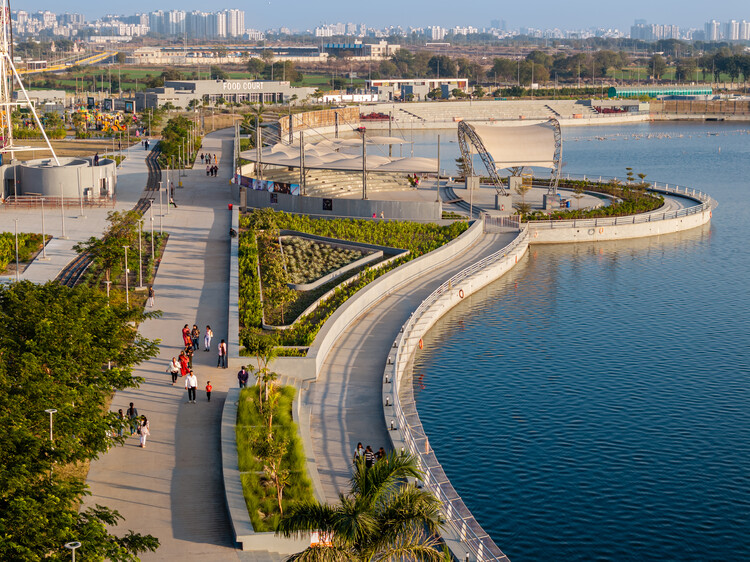
Launched in 2021, the biennial UIA 2030 Award focuses on built projects that demonstrate measurable contributions to the Sustainable Development Goals, with particular attention to SDG 11: Sustainable Cities and Communities and the New Urban Agenda. The third cycle received a wide range of submissions reflecting diverse regional, social, and environmental conditions. Following a structured and rigorous review, the international jury selected Regional Finalists based on criteria including building performance, design quality, contextual integration, and the extent to which projects address sustainability through a holistic, life-cycle approach.
The Regional Finalists will now proceed to Stage 2 of the award process. Shortlisted teams will be invited to submit a three-minute video presentation documenting the project in use, its context, and its response to relevant SDG targets, along with any additional materials required for further assessment. After the evaluation of Stage 2 submissions received by 6 March 2026, one winner will be selected in each category, with commendations awarded to the remaining finalists during an official ceremony held in conjunction with the UN-Habitat World Urban Forum in Baku, Azerbaijan.
Read on to discover the list of finalists.
Category 1: Ensure availability and sustainable management of water and sanitation for all
Meishe River Restoration: Turning Grey Into Green by Turenscape, China
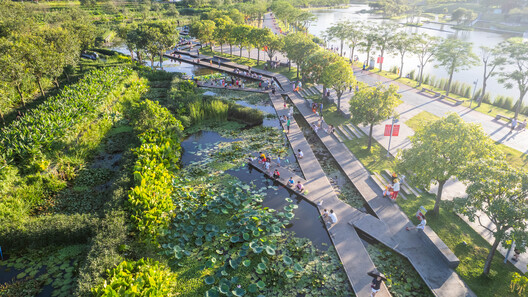
Sanxiushan Village, Wetland Landscape by Huaqiao University - School of Architecture, China
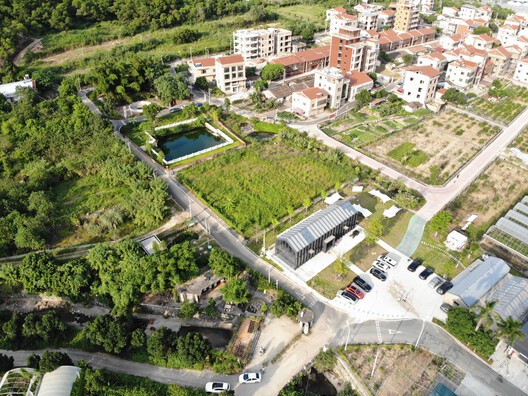
The Phi Phi Wastewater Management Ecological Park by Arsomslip Community and Environmental Architect Co. Ltd., Thailand
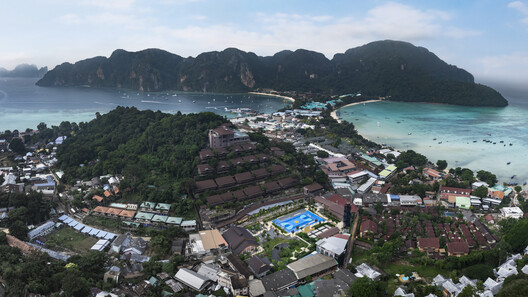
Category 2: Protect labour rights and promote safe working environments
Tierras Temporary Housing Units in Palenque by Manuel Cervantes Céspedes, Mexico
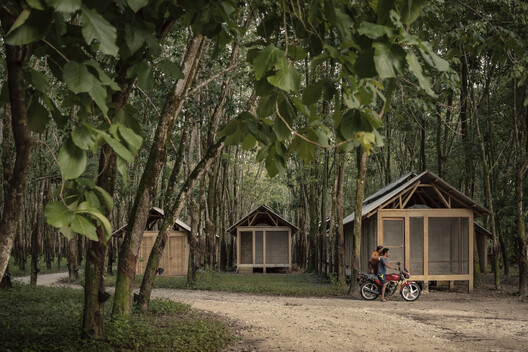
Taoli – Zhaoshan Village Center by SUP Atelier of THAD, China
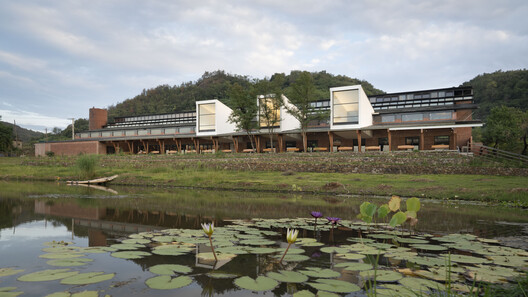
Category 3: Adequate, safe, and affordable housing
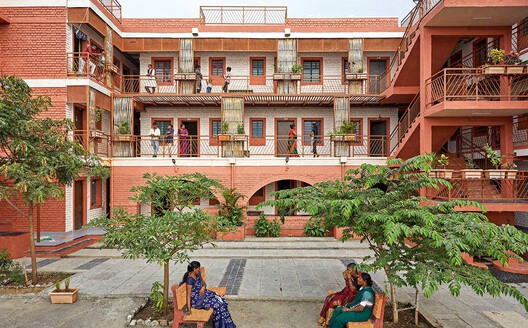
Sanjaynagar Slum Redevelopment by Community Design Agency, India
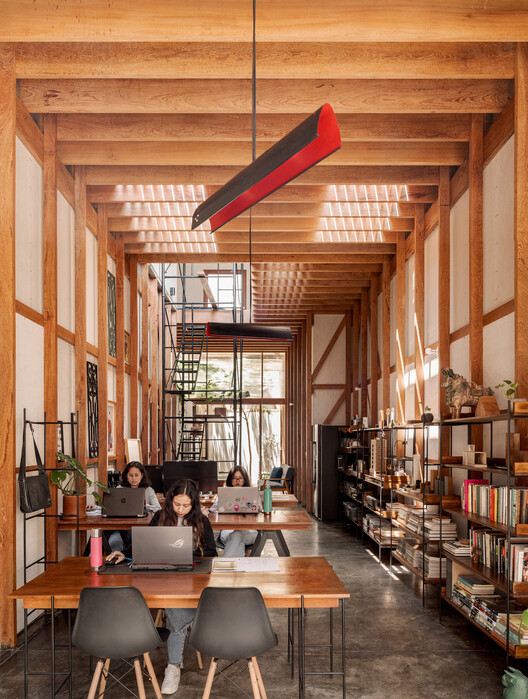
Inhabited Work in Huayruro by Cesar Tarazonna, Peru
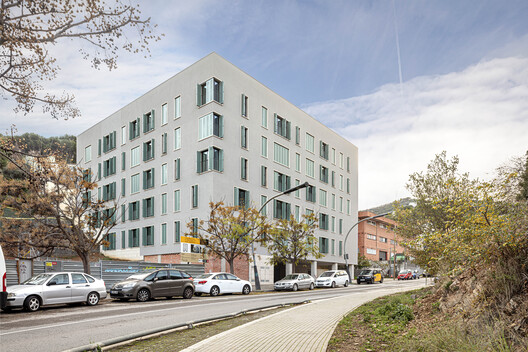
31 Social Housing in Torre Baró by Aldayjover Architecture and Landscape + Burgos & Garrido Arquitectos JV, Spain
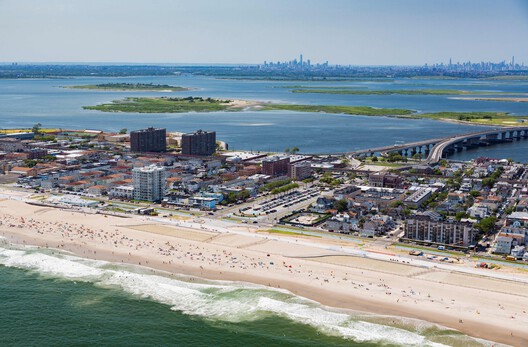
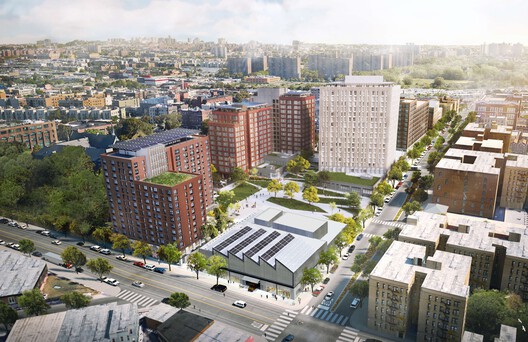
The Peninsula Mixed-Use Campus by WXY, United States
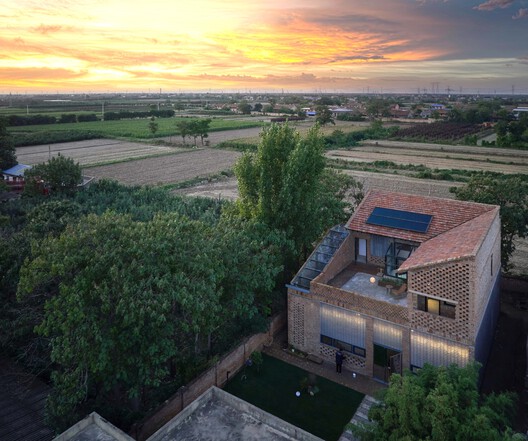
Gao Bo by Xi'an University of Architecture and Technology Design and Research Institute, China
Category 4: Participatory, land-use efficient, and inclusive planning
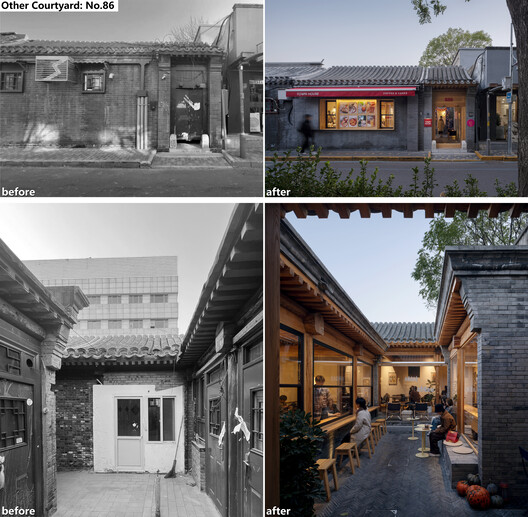
Hutong Community Renewal by Architectural Design and Research Institute of Tsinghua University, China
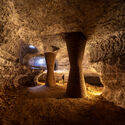
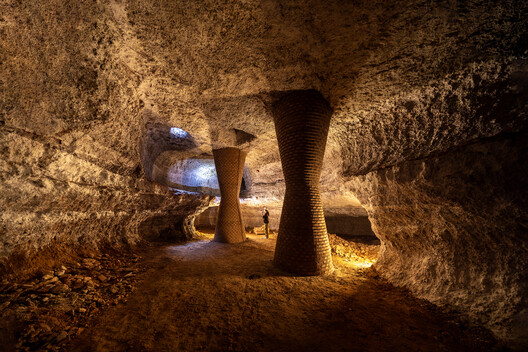
Stabilisation of Anthropogenic Urban Cave System in Tomelloso by Aguado + Vellés + Aperte, Spain
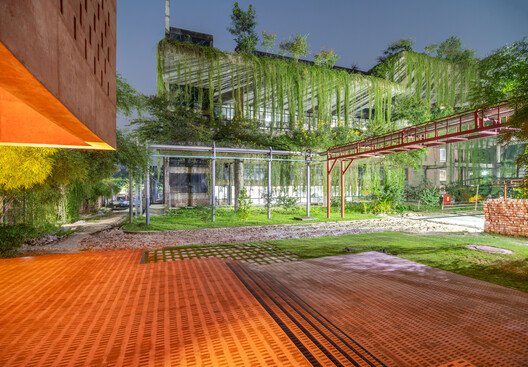
IDS Industrial Precinct Masterplan by Saiqa Iqbal Meghna & Suvro Sovon Chowdhury, Bangladesh
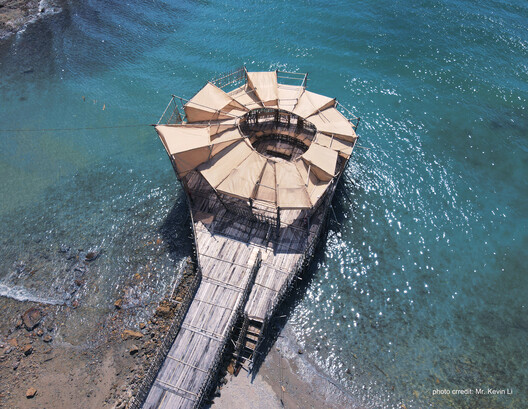
E.CO Rotunda by The University of Hong Kong, China
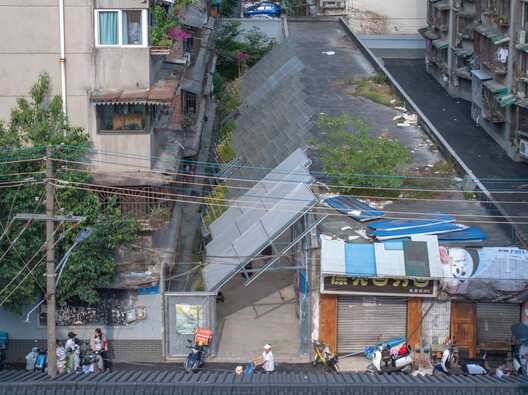
CACP "Designing?" by YIIIE Architects, China
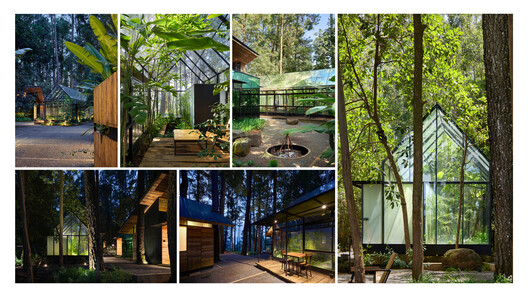
74/1, Kodikanda by Architect Damith Premathilake, Sri Lanka
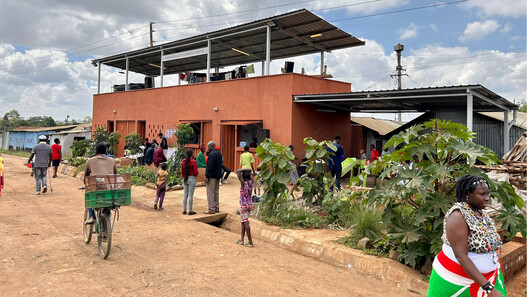
Kahawa West Health Centre by Nicholas Simwichi, Kenya
Category 5: Access to green and public space
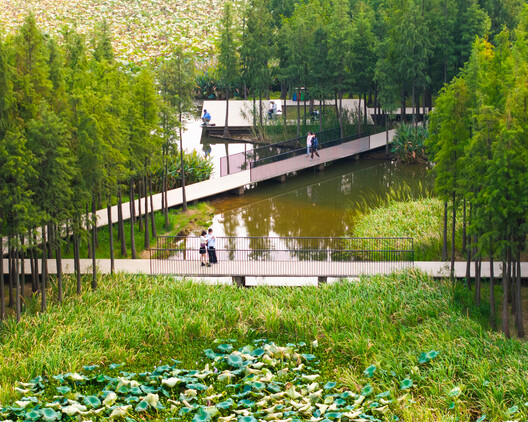
A Floating Forest: Fish Tail Park in Nanchang City by Turenscape, China
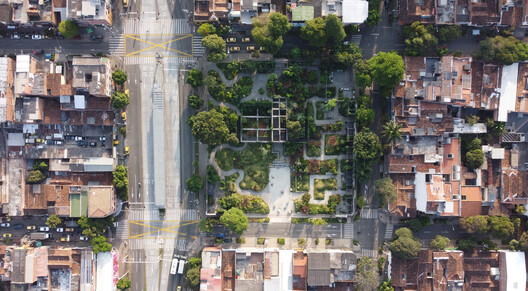
Parque Prado by Connatural Arquitectura en el Paisaje, Colombia
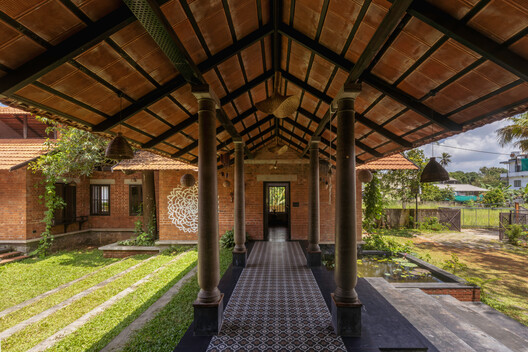
Śhālā Twam (A Space for You) by Bhoomija Creations, India
Sanath Road, Gurugram by Beyond Built Pvt. Ltd., India
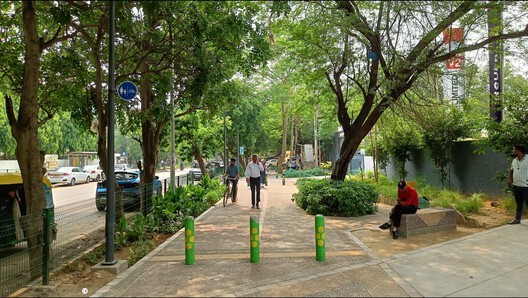
Espacio Modelo by Intendencia de Montevideo, Uruguay
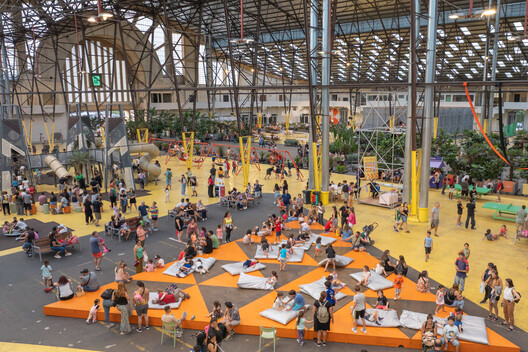
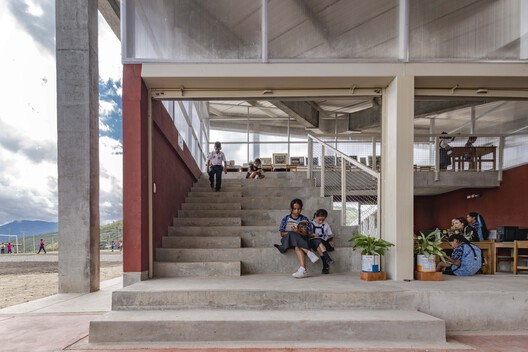
La Jalquilla: A School for All by Asociación Semillas Para el Desarrollo Sostenible, Peru
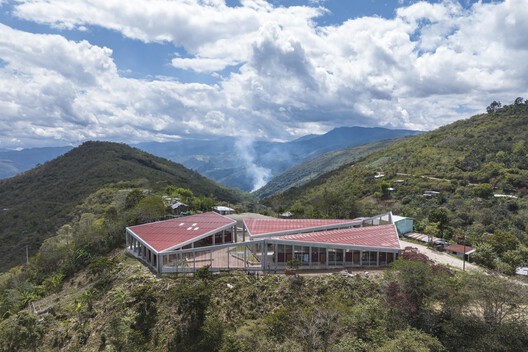
Ho Chi Minh City Book Street by TA Landscape Architecture, Vietnam
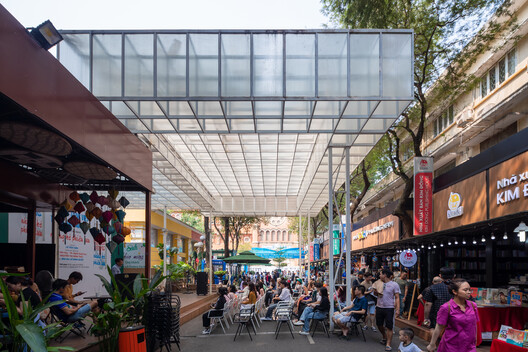
Community Plug by Studio Aranya, India
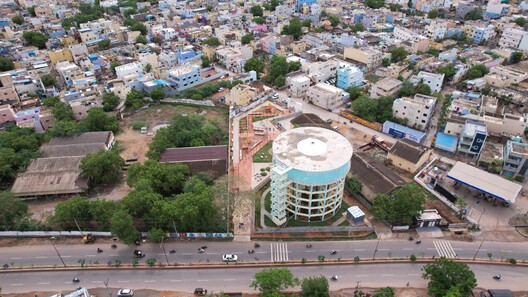
Nyhamnen Ferryterminal Park by ZITA (Zona Industrial Taller de Arquitectura), Sweden
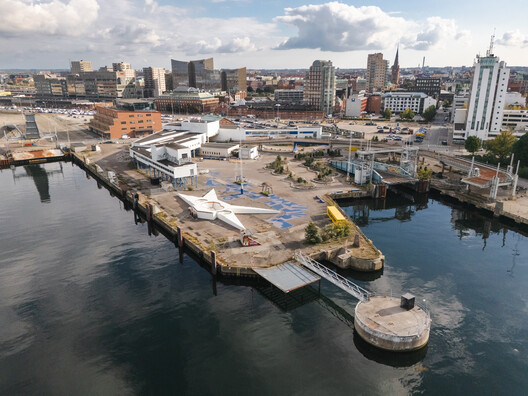
Al Hakoura Community Garden, Ramallah by Ramallah Municipality and UN-Habitat, Palestine
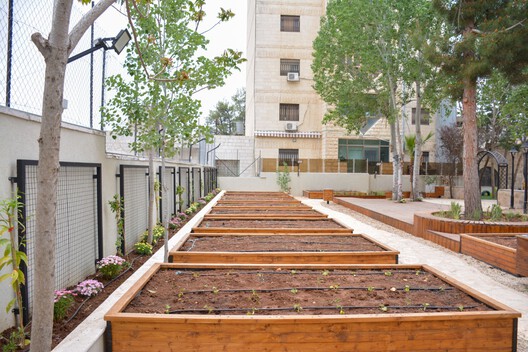
Mashiach Now Square, São Paulo by Natureza Urbana, Brazil
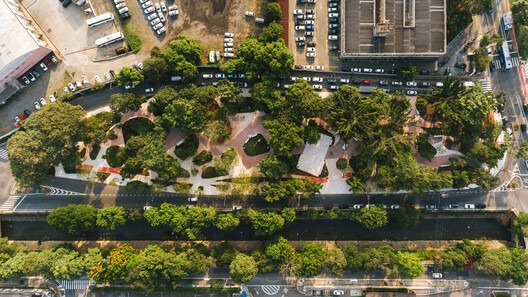
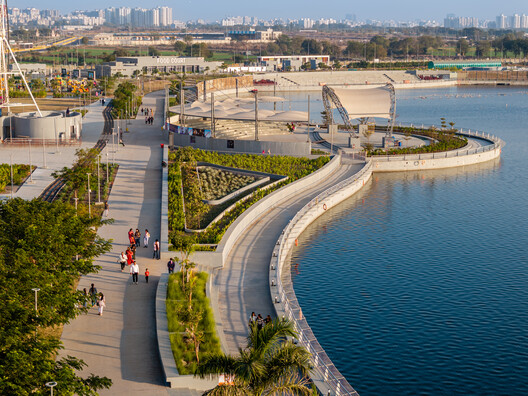
Atal Sarovar: A Water-Sensitive Urban Integration by Ini Design Studio, India
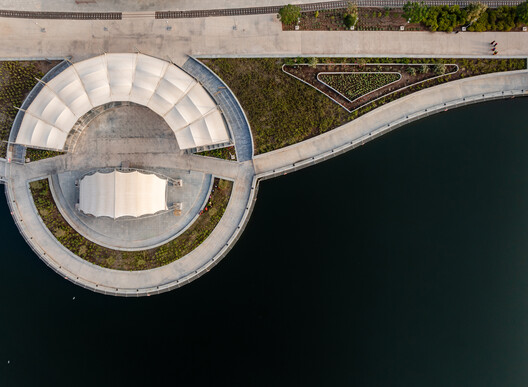
Sweitat Garden by Al Ameed Architects and Engineers Company, Palestine
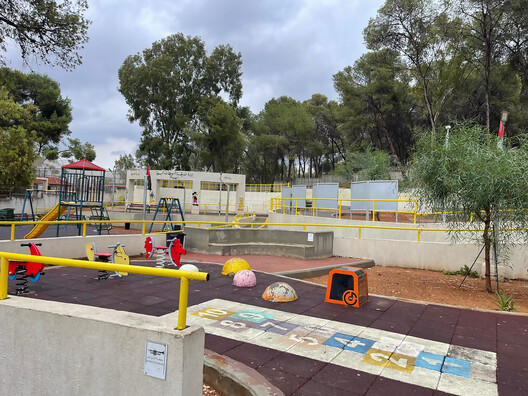
Baiyanqian Village Community Center by Yuan Architectural Design Studio, China
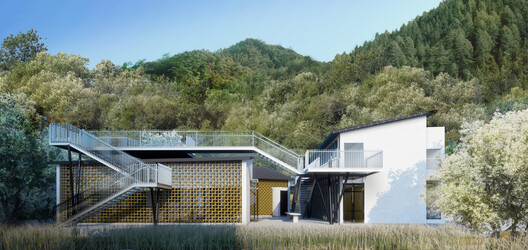
Category 6: Strengthen resilience and adaptive capacity to climate-related disasters
Les Mamas Belgues Flooding Park by Síntesi Arquitectes, Spain
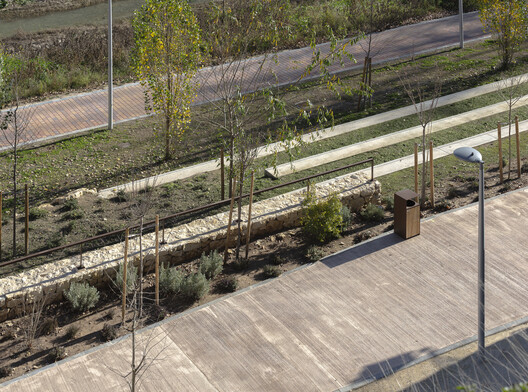
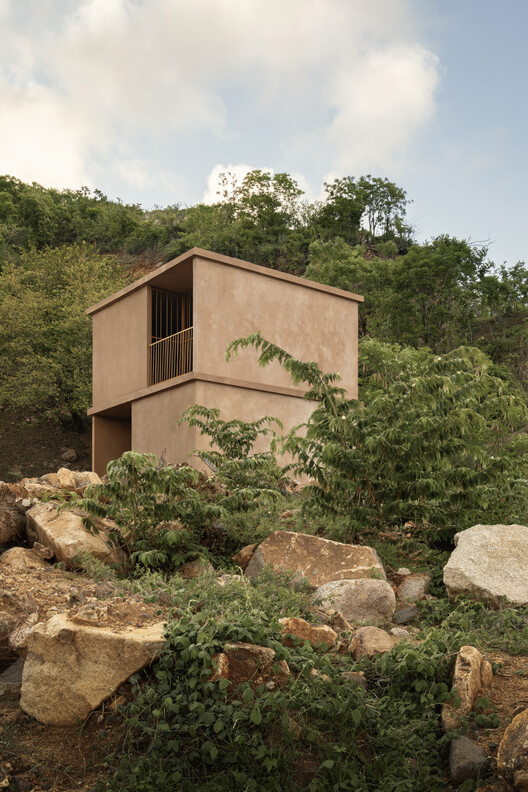
Acapulco de Juárez, Guerrero by Manuel Cervantes Céspedes, Mexico
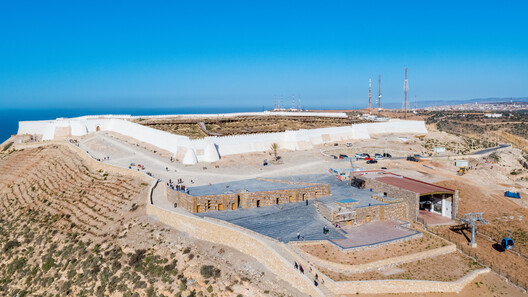
Revitalisation of the Citadel of Agadir Oufella by Studio Salima Naji Architecte, Morocco
Rockaway Resiliency and Coastal Adaptation by WXY, United States