

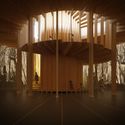
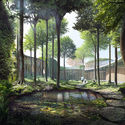
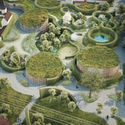
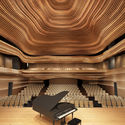
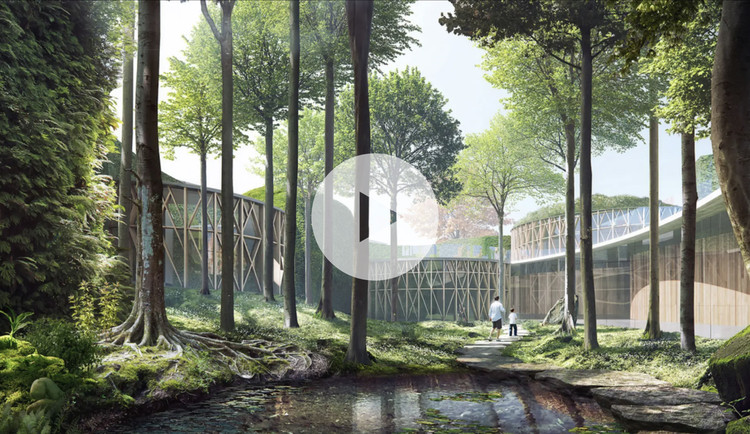
Talking to the Louisiana Channel, iconic Japanese architect Kengo Kuma discusses the many influences that have shaped his work - and also delves into the impact that the ongoing pandemic has had on the architectural field. In the interview, Kuma describes how influential his early upbringing was to his architectural career. Growing up in a small wooden house in the 1950s - originally built in 1942, would go on to guide his architectural perchance of using wood in his projects. Kuma also mentions Japanese architect Kenzu Tange as a key inspiration and cites Tange's Yoyogi National Gymnasium - constructed for the 1964 Summer Olympics in Tokyo - as a project that would influence him towards an architectural career.
Wood: The Latest Architecture and News
“When You Enter Architecture You Enter Another World” in Conversation With Kengo Kuma
https://www.archdaily.com/962815/when-you-enter-architecture-you-enter-another-world-in-conversation-with-kengo-kumaMatthew Maganga
Vaulted and Arched Ceilings in Argentine Houses: Examples Using Brick, Wood, and Concrete


A vault is a constructive technique that is achieved by compressing the materials forming it together. While this technique has existed since the time of the ancient Romans, certain types of vaulted ceilings, such as the Catalan or Valencian timbral vault, only reached popularity in some areas of the world at the start of the 19th century thanks to their lost cost and ready availability. With the ability to span over 30 meters and add substantial height to structures, vaulted ceilings became a go-to for the construction of industrial spaces such as workshops, factories, and warehouses.
https://www.archdaily.com/961183/vaulted-and-arched-ceilings-in-argentine-houses-examples-using-brick-wood-and-concreteBelén Maiztegui
Why Should Architects Understand and Care About Carbon and Life Cycle Assessment?
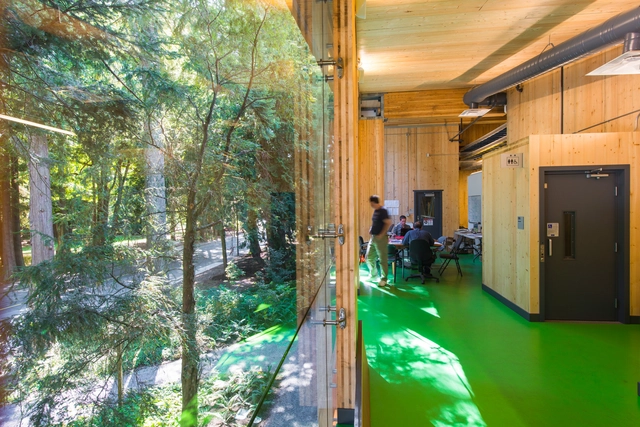
Yes, we know. We have been talking a lot about carbon. Not only here, but everywhere people seem to be discussing the greenhouse effect, carbon dioxide, fossil fuels, carbon sequestration, and several other seemingly esoteric terms that have increasingly permeated our daily lives. But why is carbon so important and why do we, as architects, architecture students, or architecture enthusiasts, have to care about something that seems so intangible?
https://www.archdaily.com/959800/how-embodied-carbon-and-life-cycle-analysis-can-support-decisions-in-an-architectural-projectEduardo Souza
Mass Timber: Shattering the Myth of Code Exceptions
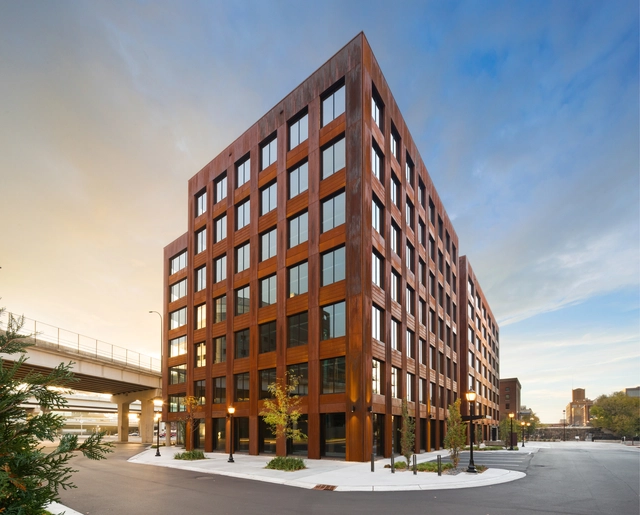
Structural timber is in the midst of a renaissance; an ironic trend given that timber is arguably the most ancient of building materials. But new innovations in structural timber design have inspired a range of boundary-pushing plans for the age-old material, including everything from bridges to skyscrapers. Even more crucially, these designs are on the path to realization, acceding to building codes that many (mistakenly) view as restrictive to the point of impossibility.
The timber structures of today aren't just breaking records - they're doing it without breaking the rules.
https://www.archdaily.com/908942/mass-timber-shattering-the-myth-of-code-exceptionsLindsey Leardi
Alvar Aalto and the Use of Timber: From Stools to Ceilings and Structures
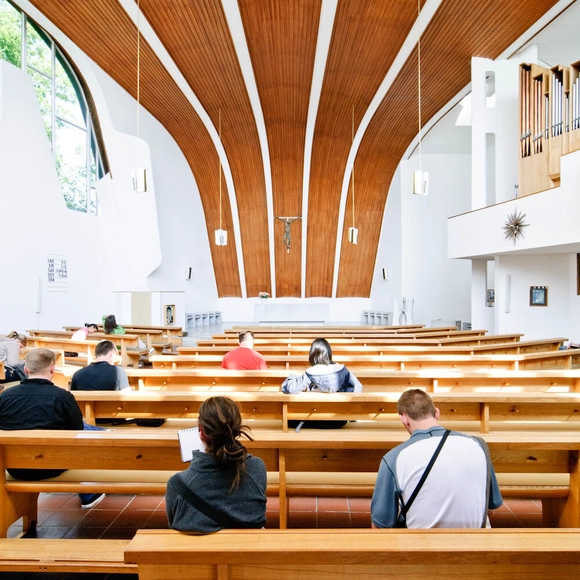
Many describe the work of Alvar Aalto as an embodiment of the concept of Gesamtkunstwerk (a total work of art), where architecture, design, and art merge into one. The Finnish architect is a pioneer in the so-called organic strand of modern architecture in the early 20th century and has strongly influenced what we know today as Scandinavian architecture. According to a description on the MoMA website: "his work reflected a deep desire to humanize architecture through an unorthodox handling of shapes and materials that was rational and intuitive." Its methods of bringing natural light into buildings are extolled and studied repeatedly until today. But throughout Aalto's career, wood has always been present and taken many different forms. From structures to ceilings to stools, Alvar Aalto brought this natural material to the fore.
https://www.archdaily.com/960708/alvar-aalto-and-the-use-of-timber-from-stools-to-ceilings-and-structuresEduardo Souza
Brazilian Houses: 10 Homes Using Rustic Wood
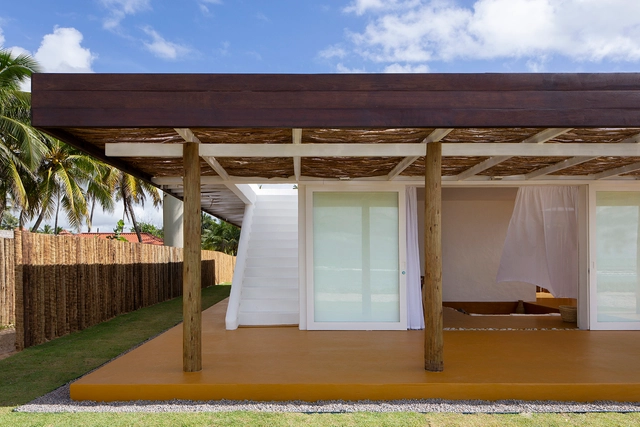
Wood is, without a doubt, one of the most versatile building materials there is. Treated lumber, boards, composites, or rustic hardwood, have structural and visual qualities that attract architects and clients searching for a wide range of possible applications and designs. Logs are one of the oldest ways of using this material since they require very little treatment and processing after the tree is cut and are the most natural form of lumber.
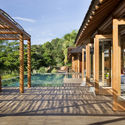
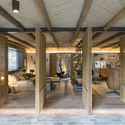
Rustic lumber is often used in vacation homes, but not only for this purpose. Below, we have gathered Brazilian houses that use rustic wood elements either in their structure or walls and finishings.
.jpg?1617310151 "Casa da Mata Azul / Studio Carlito e Renata Pascucci. Photo: © Monica Antunes")


https://www.archdaily.com/960375/brazilian-houses-10-homes-using-rustic-woodEquipe ArchDaily Brasil
Engineered Timber Helps Indigenous Architecture in North America to Emphasize Resilience
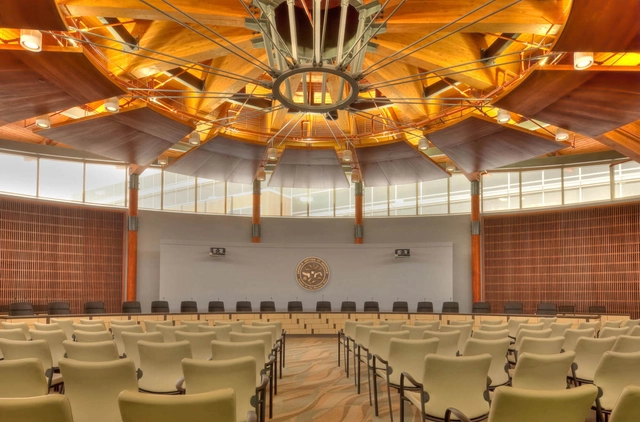
The rising popularity of mass timber products in Canada and the United States has led to a rediscovery of fundamentals among architects. Not least Indigenous architects, for whom engineered wood offers a pathway to recover and advance the building traditions of their ancestors. Because timber is both a natural, renewable resource and a source of forestry jobs, it aligns with Indigenous values of stewardship and community long obscured by the 20th century’s dominant construction practices.

https://www.archdaily.com/960630/engineered-timber-helps-indigenous-architecture-in-north-america-to-emphasize-resilienceBill Millard
Juniper House / Murman Arkitekter
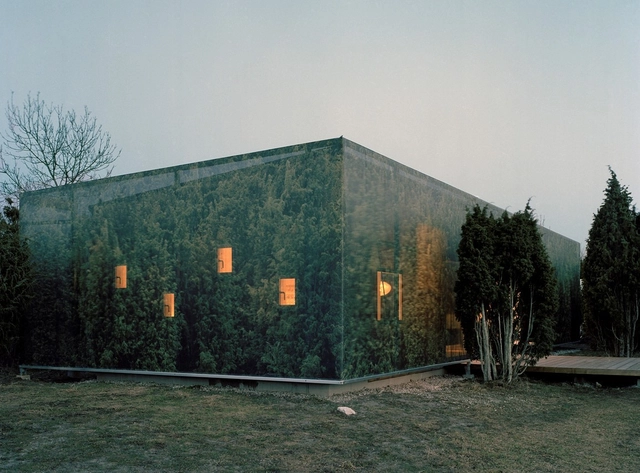


-
Architects: Murman Arkitekter
- Area: 50 m²
- Year: 2007
https://www.archdaily.com/624169/juniper-house-murman-arkitekterCristian Aguilar
Timber’s Prefab Advantage: How Offsite Prefabrication and Wood Construction can Boost Quality and Construction Speed
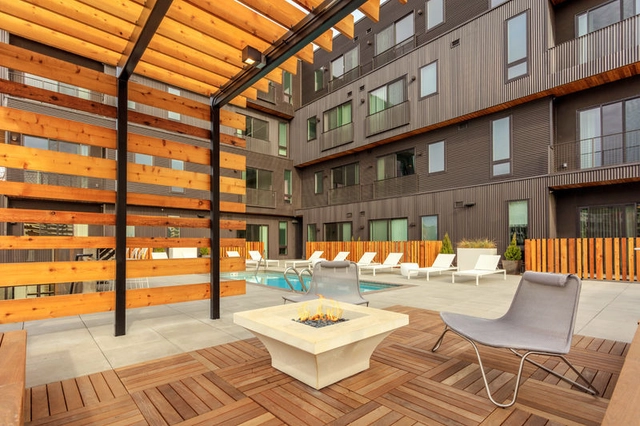
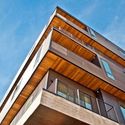
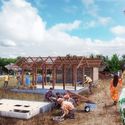
Prefabrication is not a new concept for architects, but its usage is evidently on the rise. With today’s limited spatial capacity and need for cost efficiency, the industrial strategy of architectural production has shifted towards an all-around-efficient approach, in some cases assembling projects in a matter of days or weeks [1][2].
Prefabricated wood components, used in both wooden frames and mass timber constructions, have helped solve many design and engineering challenges. In addition to material and time efficiency, reduced waste, and cost control [1][2], prefabricated wood elements offer the advantages of high performing and energy efficient passive designs [3].

https://www.archdaily.com/927380/timbers-prefab-advantage-how-offsite-prefabrication-and-wood-construction-can-boost-quality-and-construction-speedDima Stouhi
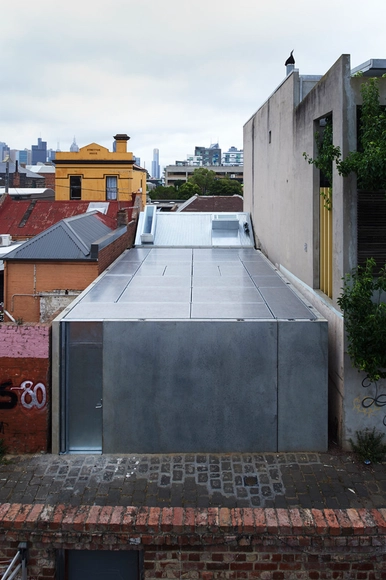
Green House / Sean Godsell Architects


-
Architects: Sean Godsell Architects
- Area: 77 m²
- Year: 2014
-
Professionals: Filter ESD, Meredith Withers, Michael Taylor Architecture, Plan Cost Australia, Sargant Construction, +2
https://www.archdaily.com/632154/green-house-sean-godsell-architectsDaniel Sánchez
Is It Time To Start Thinking About Wooden Industrial Buildings?
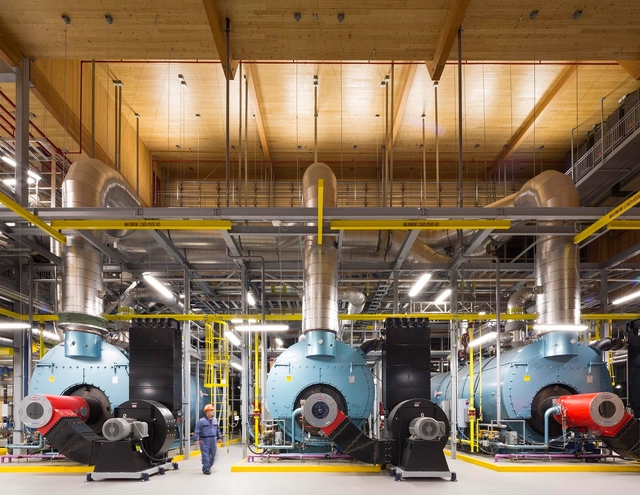
Industrial buildings are among the best examples of Louis Sullivan's famous phrase "form follows function." Generally, they are functional, efficient buildings, quick to build and unornamented. That is why, when we study the industrial heritage of different cities and countries, we are able to understand local materials, technologies, and traditional construction methods of the time. England's red brick factories come to mind, as well as the roof lanterns used to provide natural light to factories and other typical construction elements. Metallic and precast concrete structures are currently the most commonly used due to a combination of construction efficiency, cost, the possibility of expansive spans, and the unawareness of the benefits of other materials, such as wood. Often, these industrial warehouses are also characterized by being cold and impersonal, in addition to having a considerable carbon footprint. But Canada's experience in recent years is noteworthy, where there have been an increasing number of wooden buildings constructed for industrial programs.
https://www.archdaily.com/954714/is-it-time-to-start-thinking-about-wooden-industrial-buildingsEduardo Souza
How to Structure Buildings as Bridges
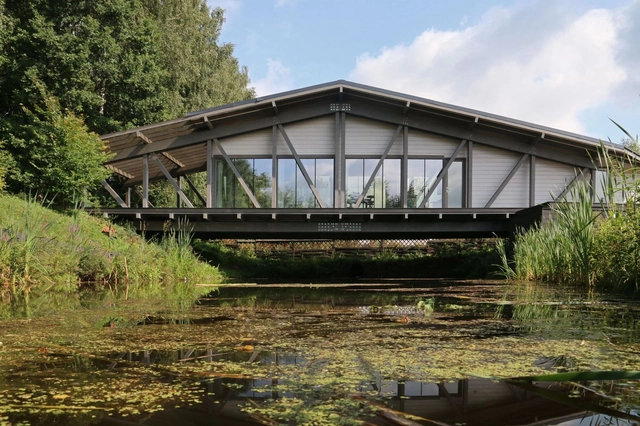
Metaphorically, building bridges equates to creating new opportunities, connections, and paths. The first bridges likely formed naturally with logs falling across rivers and natural depressions, though humans have also been building rudimentary structures to overcome obstacles since prehistory. Today, technological advances have made it possible to erect bridges that are both impressive and sculptural, playing a key role in transportation and connectivity. Usually needing to overcome large spans, with few points of support, bridges can be quite difficult to structure. But when is the bridge more than a connection between two points, instead resembling a building with a complex program? How can these 'bridge houses' be structured?
https://www.archdaily.com/957274/how-to-structure-buildings-as-bridgesEduardo Souza
Timber Tutorial: How to Build Taller with Wood
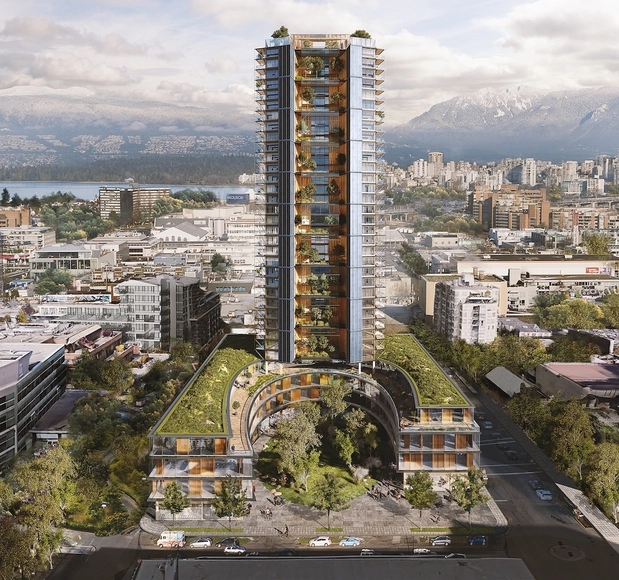
Tall timber buildings are on the rise. Design teams around the world are taking advantage of ever-evolving mass timber technologies, resulting in taller and taller structures. Building off our recent article exploring the future of high-rise buildings, we’re taking a deeper dive into new emerging timber technologies and the advantages of building taller with wood. This tutorial explores how to make tall timber structures a reality.


https://www.archdaily.com/926684/timber-tutorial-how-to-build-taller-with-woodEric Baldwin
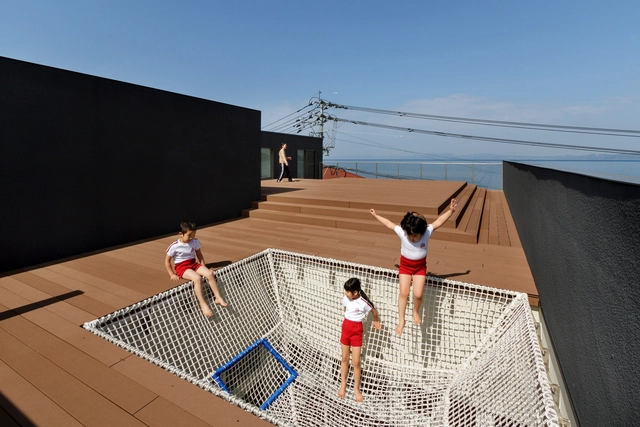
OB Kindergarten and Nursery / HIBINOSEKKEI + Youji no Shiro




-
Architects: HIBINOSEKKEI, Youji no Shiro
https://www.archdaily.com/635225/ob-kindergarten-and-nursery-hibinosekkei-youji-no-shiroCristian Aguilar
BIM: Offsite Wood Construction at Your Fingertips With QWEB
| Sponsored Content
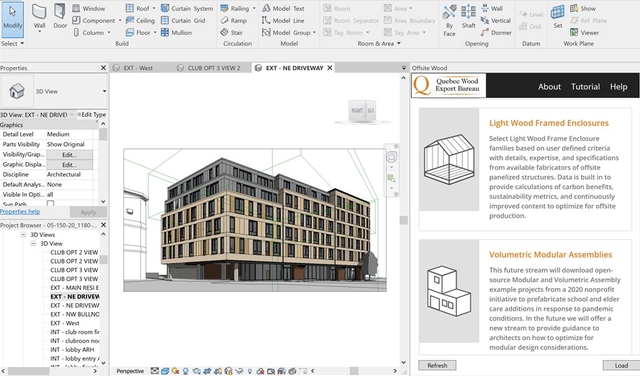
Quebec Wood Export Bureau is adding another tool to your arsenal: a free BIM plugin on Revit. With the help of its wood-producing members, the nonprofit group has stepped into the free software world to put a growing suite of structural wood system components at architects’ fingertips.
https://www.archdaily.com/955920/bim-offsite-wood-construction-at-your-fingertips-with-qwebRene Submissions
Defining Spaces with Wood: Joinery in Brazilian Apartments





Wood in architecture, when properly managed, is often associated with sustainability but also with a sense of comfort and coziness. Well-designed joinery can provide versatility and uniqueness to interior design, among so many other benefits.
https://www.archdaily.com/955092/defining-spaces-with-wood-joinery-in-brazilian-apartmentsEquipe ArchDaily Brasil
Timber Takes the Heat: What Every Architect Should Know About Wood Construction and Fire Protection
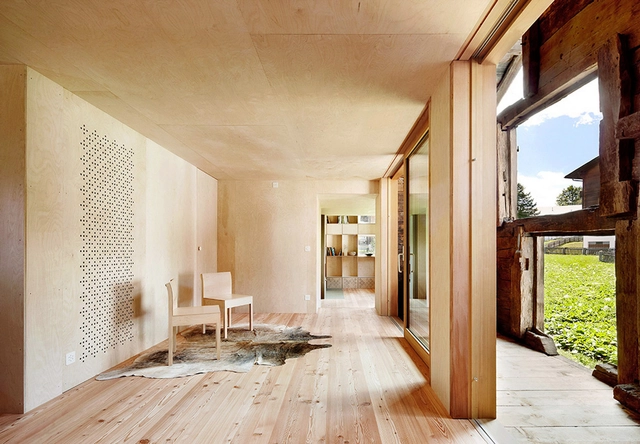
Since immemorial time, humans have constructed their shelter and homes using wood. Gradually these structures grew more complex, but wood has continued to play a fundamental role in architecture and construction. Today, especially due to growing concerns about climate change and carbon emissions, wood has been regaining significance as an important building material for the future, if used consciously and sustainably. Wood’s structural performance capabilities make it appropriate for a broad range of applications—from the light-duty repetitive framing common in low and mid-rise structures to the larger and heavier, often hybrid systems, used to build arenas, offices, universities and other buildings where long spans and tall walls are required.
https://www.archdaily.com/929177/timber-takes-the-heat-what-every-architect-should-know-about-wood-construction-and-fire-protectionEduardo Souza
Spa Querétaro / Ambrosi I Etchegaray
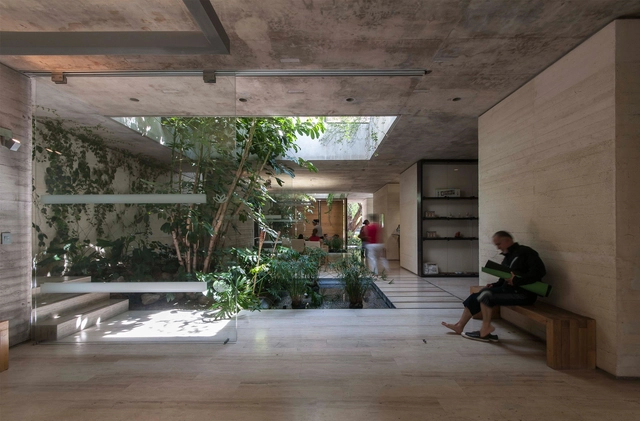

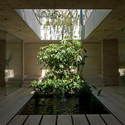
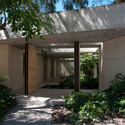
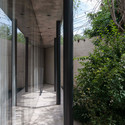

-
Architects: Ambrosi I Etchegaray
- Area: 490 m²
- Year: 2010
-
Manufacturers: test unificacion 2
https://www.archdaily.com/318920/spa-queretaro-ambrosi-i-etchegarayJavier Gaete