1. ArchDaily
  2. Women Architects

Women Architects: The Latest Architecture and News

Women Light Artists Explore the Intersection of Space, Technology and Community

In the world of interior design, light serves as an essential medium, but light can also create immersive public spaces. While James Turrell, Olafur Eliasson, and Dan Flavin are celebrated for their transformative mastery of color, reflections, and luminous contrasts, it's crucial to note that the realm of light art isn't exclusively male-dominated. In response to the underrepresentation of female light artists, a refreshing and enlightening perspective emerges from the British lighting designers Sharon Stammers and Martin Lupton of Light Collective.

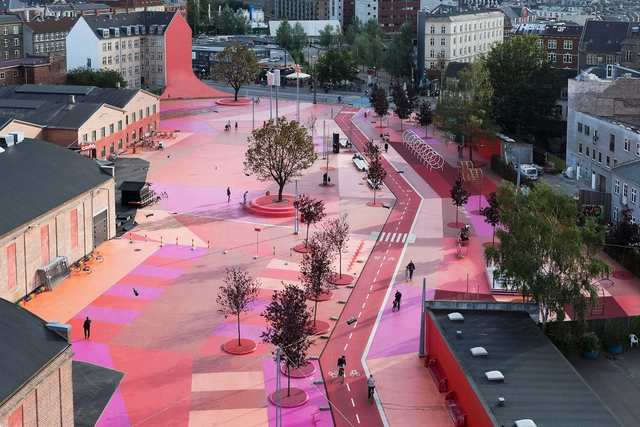
After founding the platform "Women in Lighting" their book "Women Light Artists," takes a bold step in introducing us to 40 creative women whose work radiates with responsive ingenuity and brilliance. The book offers a captivating spectrum of projects from interactive pools to the play of colorful daylight shadows dancing across a bridge in London, from the peaceful projection onto an iconic Berlin landmark to the vivid rainbow arching above Manhattan's skyline, each work embodies a unique dialogue between light and space. The luminous journey offers a valuable tribute to the power of female artists who, for far too long, have remained in the shadows.


Women Light Artists Explore the Intersection of Space, Technology and Community - Image 1 of 4Women Light Artists Explore the Intersection of Space, Technology and Community - Image 2 of 4Women Light Artists Explore the Intersection of Space, Technology and Community - Image 3 of 4Women Light Artists Explore the Intersection of Space, Technology and Community - Image 4 of 4Women Light Artists Explore the Intersection of Space, Technology and Community - More Images+ 5

“It’s Not About What Makes Good Design, but What Makes Good Design for Wellbeing”: Alex Depledge on Resi

Subscriber Access | 

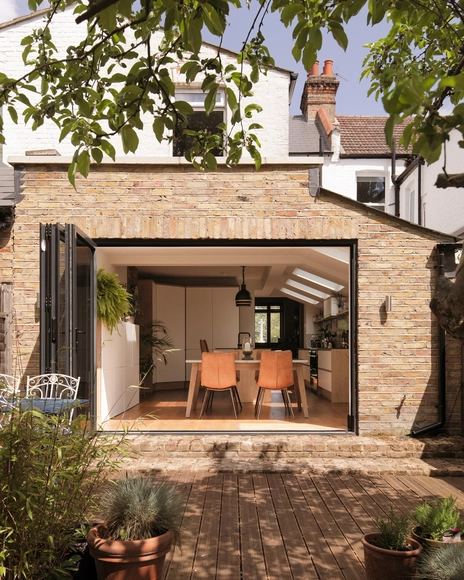
What is architecture? Is it grand designs with complex structures, defying the laws of physics? Is it simple, everyday buildings that, when put together, create the urban fabric? In the mid-18th century, Laugier introduced the concept of the Primitive Hut, a structure, essentially a home, designed and built to meet the primitive man’s basic needs: shelter from the elements and nature. Any structure that meets these requirements would be considered authentic architecture. However, since then, our needs have evolved and are much more elaborate, especially when it comes to our homes. They need to provide shelter, security, thermal comfort, and space. Our homes have to be economical, environmentally friendly, and have access to the internet, among many other prerequisites. So what would the ideal modern human’s home, and thus true architecture, look like?
The Science of a Happy Home Report, carried out by Resi first in 2020 and then again in post-pandemic 2023, sought to discover exactly what elements people believed made up the ultimate happy home. The results were six prominent qualities: a home that is adaptable to meet our changing needs, a home that allows us to connect and build relationships, a home that mirrors our personality and values, a nourishing home that provides the conditions we need to thrive (i.e. air quality), a home that helps us relax, and a home that offers security and makes us feel safe. These needs, however, aren't being met for the majority of UK homes, and that's where Resi comes in.

“It’s Not About What Makes Good Design, but What Makes Good Design for Wellbeing”: Alex Depledge on Resi - Image 1 of 4“It’s Not About What Makes Good Design, but What Makes Good Design for Wellbeing”: Alex Depledge on Resi - Image 2 of 4“It’s Not About What Makes Good Design, but What Makes Good Design for Wellbeing”: Alex Depledge on Resi - Image 3 of 4“It’s Not About What Makes Good Design, but What Makes Good Design for Wellbeing”: Alex Depledge on Resi - Image 4 of 4“It’s Not About What Makes Good Design, but What Makes Good Design for Wellbeing”: Alex Depledge on Resi - More Images

Intersectional Design: Rethinking Architecture for the Future

Design stems from nuance, empathy, and understanding. The best solutions address the needs, identities, and context of a client and place. A designer's response needs to be informed by these different realities. Intersectional Design is a method of designing by thinking through how factors of identity (gender, race, sexuality, class, and many more) interact with one another. In understanding how these factors combine, we can more deeply understand the context of use and an individual user's priorities.

Intersectional Design: Rethinking Architecture for the Future - Image 1 of 4Intersectional Design: Rethinking Architecture for the Future - Image 2 of 4Intersectional Design: Rethinking Architecture for the Future - Image 3 of 4Intersectional Design: Rethinking Architecture for the Future - Image 4 of 4Intersectional Design: Rethinking Architecture for the Future - More Images+ 5

5 Iconic Designers and Their Furniture Milestones: Aalto, Gray, Le Corbusier, Van der Rohe & Panton

Subscriber Access | 

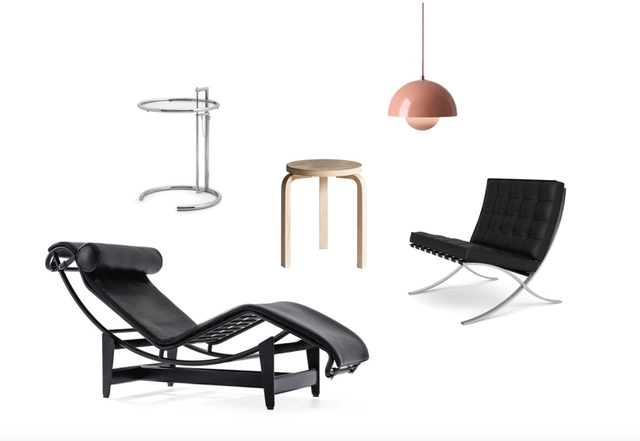
The 20th century is almost certainly the most important period when it comes to interior design icons. The list of protagonists who have contributed to making this era of design such a great one is certainly too long to truly do justice to all of them and their classic furniture designs. For this reason, here we present just a small selection of architects and designers such as Eileen Gray, Le Corbusier and Verner Panton, who have written design history over the past century, and which still continue to make an impression to this day all of whom can be found on the Architonic Platform. Our journey includes extraordinary talents from all corners of the world: A look back at the furniture world of yesterday, which was then of tomorrow, and today still shines as brightly and timelessly as ever.

AIA Announces Evelyn Lee as its 2025 President

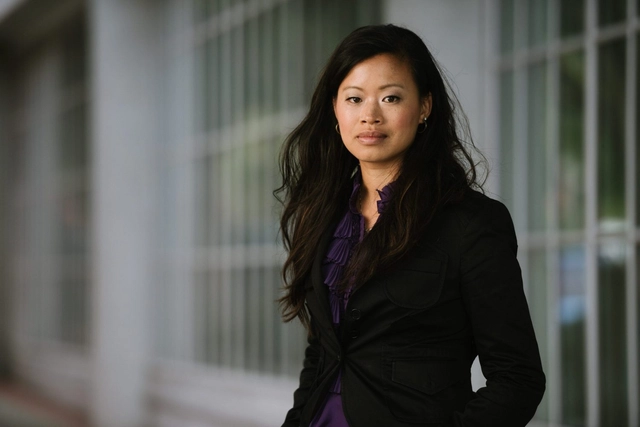
The American Institute of Architects has elected Evelyn Lee as the 2025 President-elect. During the AIA annual meeting, Lee has been selected to take the position of 2024 First VP President-Elect, and afterward to become president in 2025. AIA has also elected Heather Philip-O'Neal to serve as Treasurer between 2024-2025, and Latoya N. Kamdang as the elected At-large Director.

Evelyn Lee is the Global Head of Workplace Strategy and Innovation at Slack Technologies, Founder of the Practice of Architecture, and Co-Host of the Podcast Practice Disrupted. She is also a member of the National Organization of Minority Architects (NOMA). From 2020 to 2021, she served as the first female Treasurer to the AIA National Board. She is also widely published, having managed a monthly column for Contract magazine, in addition to various other online publications, where she developed recurring content on the business of architecture. Additionally, Evelyn Lee has been featured as a speaker, panelist, and moderator at national design and architecture conferences, including AIA National Convention, Dwell on Design, and Women in Green.

Marta Maccaglia Receives the DIVIA Award: Diversity in Architecture 2023

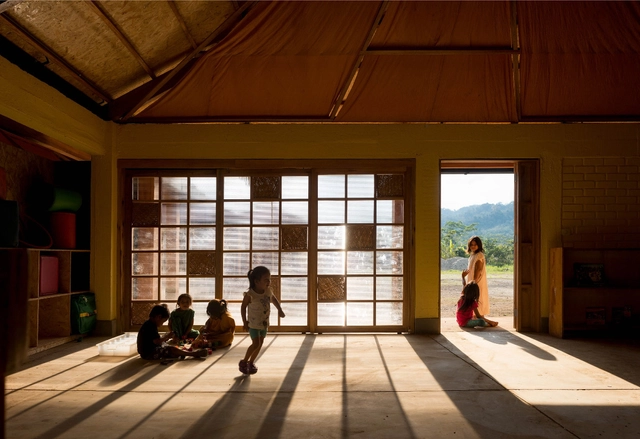
The Diversity in Architecture Prize (DIVIA) was awarded to Italian architect Marta Maccaglia, founder of Semillas, for her commitment to educational construction in Peru. This international recognition of 20,000 euros aims to promote the visibility of women in the architecture industry. Among the five finalists of this edition were Tosin Oshinowo (Nigeria), May al-Ibrashy (Egypt), Noella Nibakuze (Rwanda), and Katherine Clarke and Liza Fior (United Kingdom).

Breaking Barriers: 11 Profiles to Celebrate 80 Years of Women in Finnish Architecture

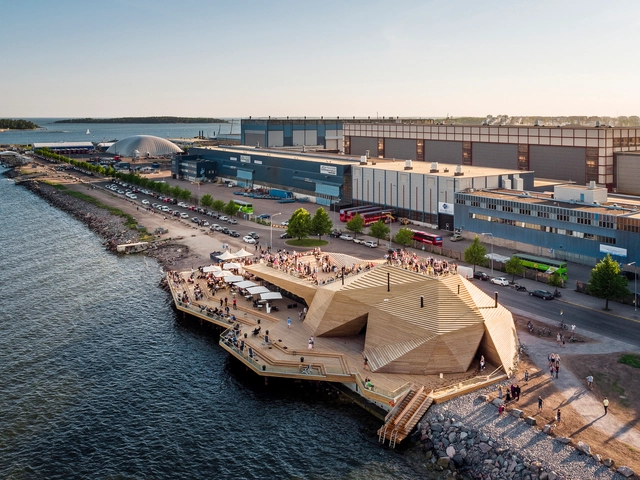
As early as the 20th century, women in Finland were already involved in the field of architecture. In fact, Signe Hornborg (1862-1916), a Finnish architect, was the first woman in Europe to graduate as an architect in 1890. Pirkko-Liisa Schulman, in her essay on The Changing Careers of Women Architects, notes that Hornborg was granted special permission to study at the Polytechnic Institute of Helsinki. After her, several other women such as Inez Holming, Signe Lagerborg, Bertha Enwald, Wivi Lönn, and Albertina Östman also pursued careers in architecture, with eighteen women having already trained as architects by the time the Polytechnic Institute became a university in 1908.

Wivi Lönn (1872-1966) established and ran her own architectural office in Finland, becoming the first woman to do so. Lönn designed a number of significant public facilities and received widespread professional recognition, serving as a role model for aspiring female architects. And in May 1942, while a group of female architects gathered to commemorate Wivi Lönn's 70th birthday, they founded Architecta, the Finnish Association of Women Architects. At that point, up to a hundred women architects had already graduated in Finland. To celebrate the 150th birthday of architect Lönn and the 80th anniversary of the organization, Architecta commissioned interviews that highlight the different types of careers pursued by women in the field. Discover the profiles of 11 female Finnish architects with texts by Paula Holmila, journalist and architecture critic at Helsingin Sanomat, translated by Pirkko-Liisa Schulman.

Breaking Barriers: 11 Profiles to Celebrate 80 Years of Women in Finnish Architecture - Image 1 of 4Breaking Barriers: 11 Profiles to Celebrate 80 Years of Women in Finnish Architecture - Image 2 of 4Breaking Barriers: 11 Profiles to Celebrate 80 Years of Women in Finnish Architecture - Image 3 of 4Breaking Barriers: 11 Profiles to Celebrate 80 Years of Women in Finnish Architecture - Image 4 of 4Breaking Barriers: 11 Profiles to Celebrate 80 Years of Women in Finnish Architecture - More Images+ 12

Barefoot Social Architecture: 10 Projects by Yasmeen Lari, the 2023 RIBA Royal Gold Medal Winner

Subscriber Access | 

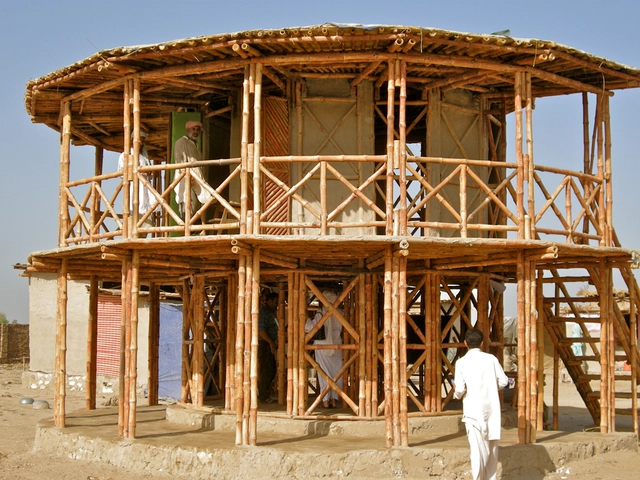
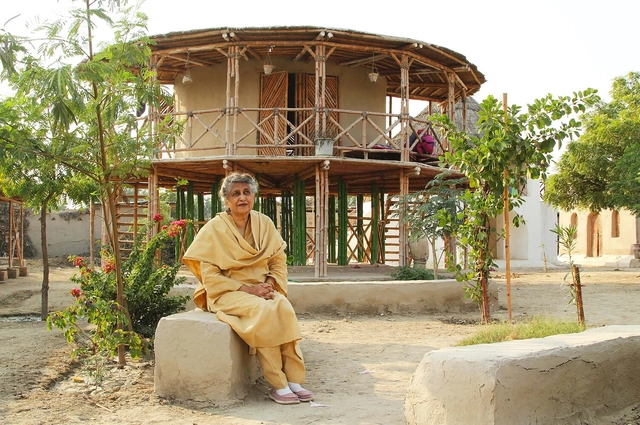
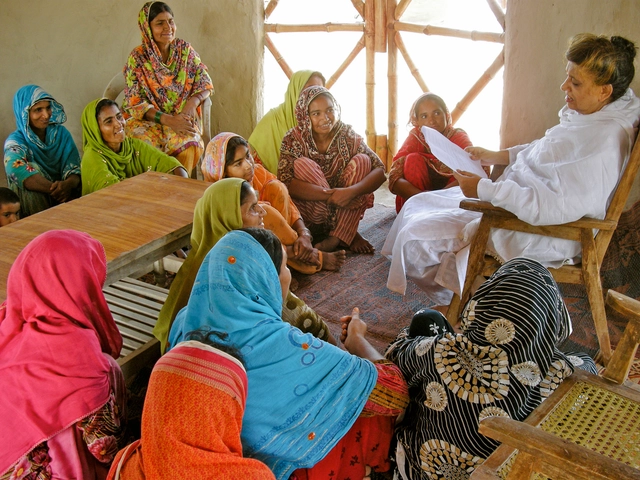
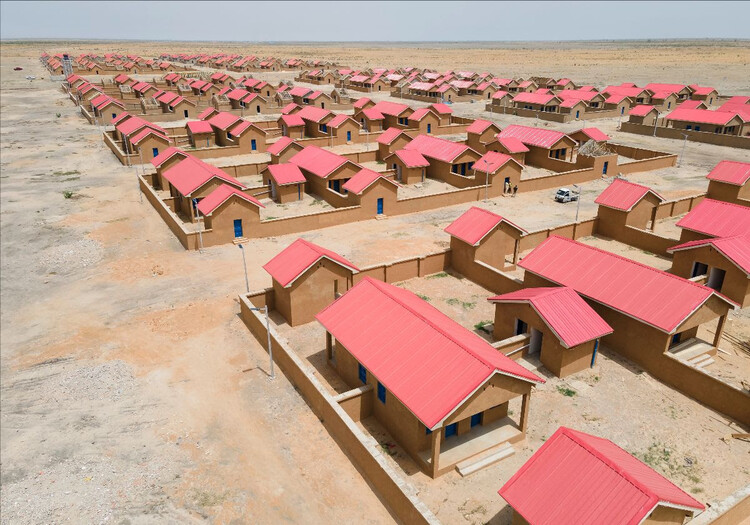
Yasmeen Lari, recognized as the first female architect in Pakistan, has had a significant impact both in her home country and internationally due to her innovative and socially conscious approach to architecture. Through a systemic approach, Lari’s work takes into consideration local culture, site-specific opportunities, and challenges. Born in Pakistan in 1941, Yasmeen Lari moved to London with her family at the age of 15. After graduating from Oxford Brooks School of Architecture, she returned to Pakistan at the age of 23 to establish Lari Associates with her husband, Suhail Zaheer Lari. The couple settled in Karachi. Here, she began to study Pakistan’s ancient towns and the vernacular architecture of earth buildings, igniting her interest in the architectural heritage and traditional techniques of her country. In 1980, she co-founded the Heritage Foundation of Pakistan with her husband, becoming instrumental in the preservation of her country’s rich cultural heritage.

Barefoot Social Architecture: 10 Projects by Yasmeen Lari, the 2023 RIBA Royal Gold Medal Winner - Image 1 of 4Barefoot Social Architecture: 10 Projects by Yasmeen Lari, the 2023 RIBA Royal Gold Medal Winner - Image 2 of 4Barefoot Social Architecture: 10 Projects by Yasmeen Lari, the 2023 RIBA Royal Gold Medal Winner - Image 3 of 4Barefoot Social Architecture: 10 Projects by Yasmeen Lari, the 2023 RIBA Royal Gold Medal Winner - Image 4 of 4Barefoot Social Architecture: 10 Projects by Yasmeen Lari, the 2023 RIBA Royal Gold Medal Winner - More Images+ 14

Yasmeen Lari Receives the 2023 RIBA Royal Gold Medal for Architecture

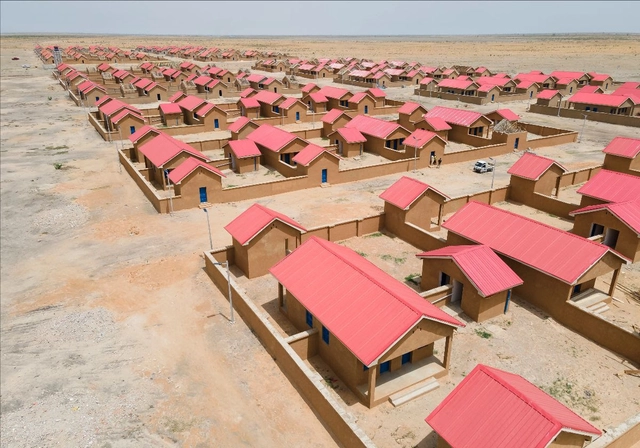
The Royal Institute of British Architects (RIBA) announced that Professor Yasmeen Lari, Pakistan’s first female architect, will receive the 2023 Royal Gold Medal for architecture. The award, one of the highest honors for architecture and the first to be personally approved by King Charles III, recognizes Yasmeen Lari’s work in championing zero-carbon self-build concepts for displaced populations. The Royal Gold Metal will be officially presented to Yasmeen Lari in June 2023.

Yasmeen Lari Receives the 2023 RIBA Royal Gold Medal for Architecture - Image 1 of 4Yasmeen Lari Receives the 2023 RIBA Royal Gold Medal for Architecture - Image 2 of 4Yasmeen Lari Receives the 2023 RIBA Royal Gold Medal for Architecture - Image 3 of 4Yasmeen Lari Receives the 2023 RIBA Royal Gold Medal for Architecture - Image 4 of 4Yasmeen Lari Receives the 2023 RIBA Royal Gold Medal for Architecture - More Images+ 2

Atelier Masōmī Designs the Ellen Johnson Sirleaf Presidential Center for Women and Development in Liberia

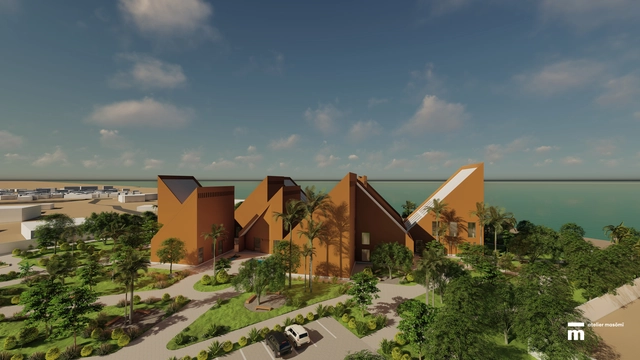
Atelier Masōmī has just revealed its design for The Ellen Johnson Sirleaf Presidential Center for Women and Development (EJS Center). President Ellen Johnson Sirleaf chose an all-female team to work on the project with lead architect Mariam Issoufou Kamara of Atelier Masōmī, exhibition's architect Sumayya Vally of Counterspace, and the local architect Liberian architect Karen Richards Barnes. The EJS Center, located in Liberia’s capital Monrovia, will provide digital access to former President Ellen Johnson Sirleaf’s personal and professional archives.

Atelier Masōmī Designs the Ellen Johnson Sirleaf Presidential Center for Women and Development in Liberia - Image 1 of 4Atelier Masōmī Designs the Ellen Johnson Sirleaf Presidential Center for Women and Development in Liberia - Image 2 of 4Atelier Masōmī Designs the Ellen Johnson Sirleaf Presidential Center for Women and Development in Liberia - Image 3 of 4Atelier Masōmī Designs the Ellen Johnson Sirleaf Presidential Center for Women and Development in Liberia - Image 4 of 4Atelier Masōmī Designs the Ellen Johnson Sirleaf Presidential Center for Women and Development in Liberia - More Images

Architecture as Activism: Yasmeen Lari’s Eco-Feminist Work

Subscriber Access | 

Yasmeen Lari’s Pakistani Chulah - an outdoor stove used by women in South Asia- is a powerful intervention that highlights the architect's commitment to feminist and environmental activism. The project synchronically tackles issues of deforestation, pollution, and health hazards faced by women in rural areas. Her design is systemic, locally specific, and conscious of the needs of society’s most vulnerable - women and nature. Her vast body of humanitarian work elaborated on in Yasmeen Lari: Architecture for the Future, opens up a dialogue for viewing architecture through an eco-feminist lens.

Architecture as Activism: Yasmeen Lari’s Eco-Feminist Work - Image 1 of 4Architecture as Activism: Yasmeen Lari’s Eco-Feminist Work - Image 4 of 4Architecture as Activism: Yasmeen Lari’s Eco-Feminist Work - Image 3 of 4Architecture as Activism: Yasmeen Lari’s Eco-Feminist Work - Image 2 of 4Architecture as Activism: Yasmeen Lari’s Eco-Feminist Work - More Images+ 1

The Legacy of Jane Drew: A Trailblazer for Women in Architecture

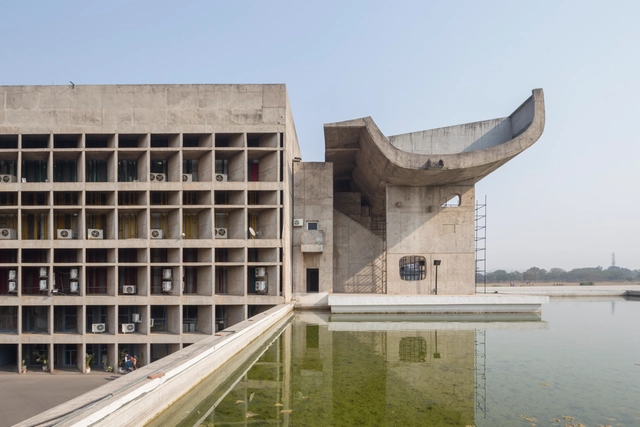
In 1950, the famous Le Corbusier was asked to design the new state capital of Chandigarh for Punjab following its separation and recent independence. The opportunity to create a new utopia was unparalleled- and is now seen as one of the greatest urban experiments in the history of planning and architecture. The city employed grid street patterns, European-style thoroughfares, and raw concrete buildings- the zenith of Corbusier’s ideals throughout his career. But what is lesser known about the ideation and realization of Chandigarh, was the woman who brought her experience of designing social housing across Africa to the project. For three years, working alongside Corbusier, and helping him design some of the best-known buildings in Chandigarh, was Jane Drew.

Spanish Women Architects Who are Redefining Workspaces

Subscriber Access | 

From assigned cubicles to open plan coworks, workspaces have been transforming their design strategies following society’s changing lifestyles. While traditional layouts encouraged more independent work (avoiding social distractions), adjusting to new technologies and ways of thinking has enhanced productivity while respecting communication, wellness consciousness and the benefits of feeling comfortable at work.

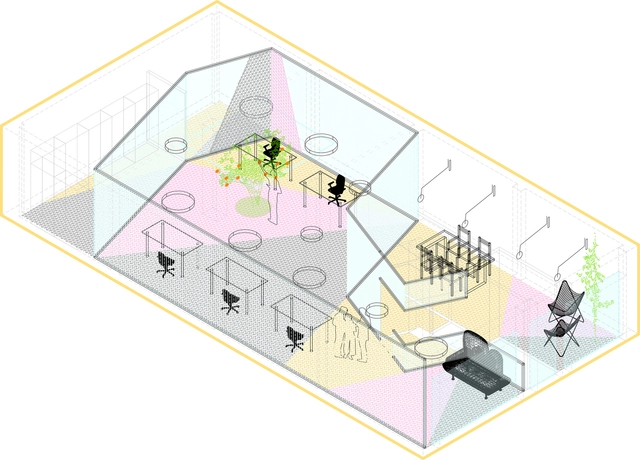
Architects have followed these changing trends, proposing diverse workspace typologies, adapting to multiple working styles, and organizing them to create optimal productive spaces. Among them, Spanish women-led architecture offices from different backgrounds and styles stand out for introducing layouts that redefine what is commonly known as a workspace. Below we present a selection of innovative refurbishment projects, all of which showcase flexible and dynamic workspace design. 

The Diversity in Architecture-DIVIA Award, Dedicated to Women Architects, Selects Five Finalists

The Diversity in Architecture Award (DIVIA) has selected its 5 finalists, from a list of 29 nominees: Tosin Oshinowo (Nigeria), May al-Ibrashy (Egypt), Marta Maccaglia (Peru), Noella Nibakuze (Rwanda), and Katherine Clarke and Liza Fior (UK). The prize, dedicated to women architects, celebrates female figures by awarding and validating their work. Based in Berlin, the award platform promotes equality between men and women, making the discipline observable to all, and setting an example for the next generation of younger women architects.

The  Diversity in Architecture-DIVIA Award, Dedicated to Women Architects, Selects Five Finalists  - Image 1 of 4The  Diversity in Architecture-DIVIA Award, Dedicated to Women Architects, Selects Five Finalists  - Image 2 of 4The  Diversity in Architecture-DIVIA Award, Dedicated to Women Architects, Selects Five Finalists  - Image 3 of 4The  Diversity in Architecture-DIVIA Award, Dedicated to Women Architects, Selects Five Finalists  - Image 4 of 4The  Diversity in Architecture-DIVIA Award, Dedicated to Women Architects, Selects Five Finalists  - More Images+ 10

International Women’s Day 2023: Innovative Women at the Forefront of Global Challenges

Subscriber Access | 

Looking back at 2022, last year had seen major female-led stories. Kimberly Dowdell was chosen as AIA’s First Black Woman President, Carol Ross Barney has received the 2023 AIA Gold Medal, Jeanne Gang won the 2023 Charlotte Perriand Award, Frida Escobedo was selected among the 100 Emerging Leaders by TIME 2022, Renée Gailhoustet was presented with the 2022 Royal Academy Architecture Prize, "Infinite Freedom, A World for a Feminist Democracy" opened at the 2022 Biennale of FRAC in France, and ArchDaily presented SkyFrame’s Women in Architecture’s documentary, following Toshiko Mori, Gabriela Carrillo and Johanna Meyer-Grohbrügge, three architects in three different countries, in different contexts, at different stages of their life and career, but with a lot in common. And that's just to name a few...

After arguing in 2021 “why is it still important to talk about "female architects"? and contributing to “rebalancing forces and adjusting narratives” in 2022, for its 3rd edition of the annual International Women’s month coverage, ArchDaily will focus on the achievements of female architects working specifically on global challenges, and finding innovative approaches to the problems of today. Fitting partially with the theme selected by the United Nations for the 2023 International Women’s Day, centered on Innovation and technology for gender equality, ArchDaily will reflect on what is innovation in the face of global challenges.

International Women’s Day 2023: Innovative Women at the Forefront of Global Challenges - Image 1 of 4International Women’s Day 2023: Innovative Women at the Forefront of Global Challenges - Image 2 of 4International Women’s Day 2023: Innovative Women at the Forefront of Global Challenges - Image 3 of 4International Women’s Day 2023: Innovative Women at the Forefront of Global Challenges - Image 4 of 4International Women’s Day 2023: Innovative Women at the Forefront of Global Challenges - More Images+ 10

ArchDaily’s Readers Select Who Should Win the 2023 Pritzker Prize

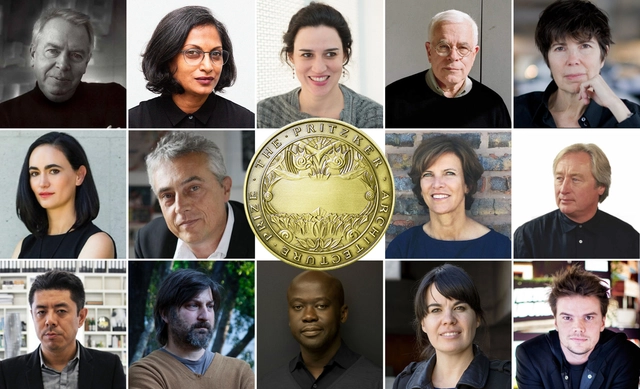
As part of our yearly tradition, we have asked our readers who should win the 2023 Pritzker Prize, the most important award in the field of architecture.

For those who don't know, the Pritzker Prize is funded by Jay Pritzker through the Hyatt Foundation in the United States and has been awarded to living architects, regardless of their nationality, whose built work "has produced consistent and significant contributions to humanity through the art of architecture."

Premiere: Documentary "Women in Architecture"

We are happy to premiere the documentary "Women in Architecture", a project initiated by Sky-Frame, directed by Boris Noir.

A better built environment is also an inclusive one. That's why diversity is key to our profession, as it expands our views of the world and connects us with the real needs of society. So we opened a window into the professional and personal lives of three women in architecture who bring something unique to the world, to inspire others. 

The project has been initiated by Sky-Frame to shed more light on the role of women in architecture, by increasing their visibility and empowering them to realize their full potential.

"To make our world a better place. Everyone should have an idea of how architecture works and what it can have an impact on. We live in the era where humans are changing the planet, architecture is one of the most important tools", stated film-maker Boris Noir about the idea behind the film. 

We reached out to Toshiko Mori, Gabriela Carrillo and Johanna Meyer-Grohbrügge, three architects in three different countries, in different contexts, at different stages of their life and career, but with a lot in common: recognized practitioners, with a passion for education, working with communities, and a sensibility towards the needs of society and the built environment.

The Voice of Women in Chinese Architecture

Women's studies officially began in China in the early 1980s. Women awoke and started to take bigger roles in society as it grew. Women had been working as architects for a century, but Lin Huiyin was not recognized as the country's first female architect until the 1920s due to the profession's tardy development in China. But nowadays, more and more female architects are filling crucial positions.

The Voice of Women in Chinese Architecture - Image 1 of 4The Voice of Women in Chinese Architecture - Image 2 of 4The Voice of Women in Chinese Architecture - Image 3 of 4The Voice of Women in Chinese Architecture - Image 4 of 4The Voice of Women in Chinese Architecture - More Images+ 8