1. ArchDaily
  2. Willem Marinus Dudok

Willem Marinus Dudok: The Latest Architecture and News

Hilversum Town Hall: Willem Dudok’s Monument to Civic Architecture

Subscriber Access | 

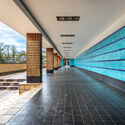
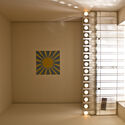
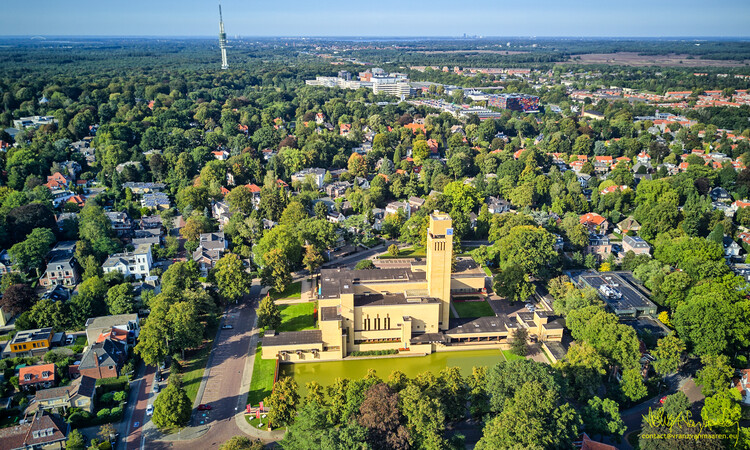
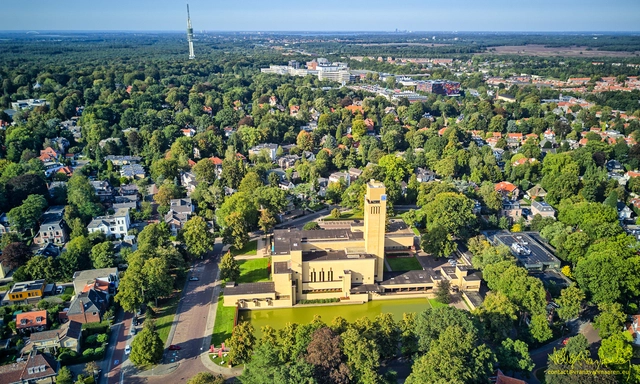
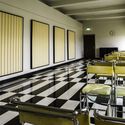
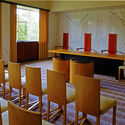
In the Dutch city of Hilversum, a municipal building completed in 1931 redefined the very idea of what a town hall could be. More than a house for local administration, the Hilversum Town Hall became the architectural expression of a community in transformation. With its tower rising above reflective ponds, its brick masses composed around courtyards, and its carefully detailed interiors, the building asserted that civic architecture could unite function with symbolism, efficiency with ceremony.

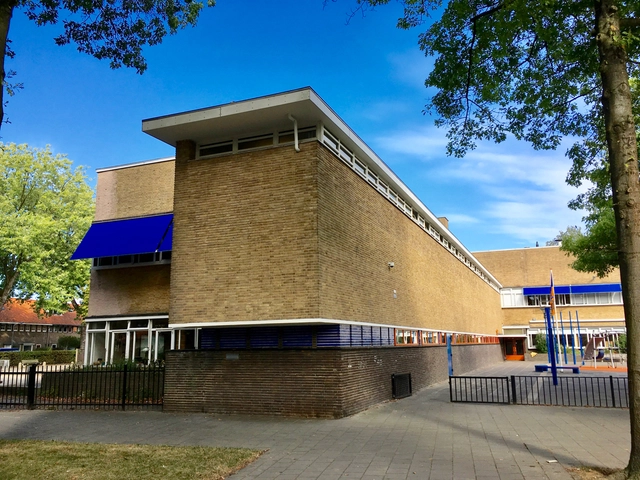
The architect behind this vision, Willem Marinus Dudok, was not only responsible for individual buildings but for the broader shaping of Hilversum itself. As a city architect and planner, he designed schools, housing districts, and parks, developing a language that fused Dutch craftsmanship with Modernist clarity. The town hall represented the culmination of this trajectory: a civic centerpiece where urban ambition, material refinement, and human scale converged in a single, coherent form.
Hilversum Town Hall: Willem Dudok’s Monument to Civic Architecture - Image 1 of 4Hilversum Town Hall: Willem Dudok’s Monument to Civic Architecture - Image 2 of 4Hilversum Town Hall: Willem Dudok’s Monument to Civic Architecture - Image 3 of 4Hilversum Town Hall: Willem Dudok’s Monument to Civic Architecture - Image 4 of 4Hilversum Town Hall: Willem Dudok’s Monument to Civic Architecture - More Images+ 24

Now You Can Browse the Complete Works of Dutch Modernist Willem Marinus Dudok

Dutch journalist Peter Veenendaal has completed a website that features all 136 built works by modernist Willem Marinus Dudok. Dudok, who was formally trained as an engineer, has been hailed as one of the Netherlands’ most influential architects, boasting a prolific career beginning with military barracks and encompassing numerous municipal buildings throughout Europe. Influenced by Frank Lloyd Wright, Dudok is remembered for his form-driven modernism, leaving his legacy in the work of later architects from the United Kingdom and the Netherlands.

Veenendaal has dedicated a substantial portion of his career to documenting Dudok’s work, including a documentary of his most significant projects entitled “City of Light.” Continue on to Veenendaal’s new website here to explore Dudok’s full portfolio.

Now You Can Browse the Complete Works of Dutch Modernist Willem Marinus Dudok - Image 1 of 4Now You Can Browse the Complete Works of Dutch Modernist Willem Marinus Dudok - Image 2 of 4Now You Can Browse the Complete Works of Dutch Modernist Willem Marinus Dudok - Image 3 of 4Now You Can Browse the Complete Works of Dutch Modernist Willem Marinus Dudok - Featured ImageNow You Can Browse the Complete Works of Dutch Modernist Willem Marinus Dudok - More Images+ 30

“City of Light”: The Story of Willem Dudok’s De Bijenkorf Rotterdam

Subscriber Access | 

Produced by Dutch journalist Peter Veenendaal, City of Light is a documentary that covers the design, construction, and social effects of Willem Marinus Dudok’s De Bijenkorf in Rotterdam, the Netherlands. De Bijenkorf opened in Rotterdam in 1930, and after barely surviving the Second World War, it was destroyed in 1960 to make way for a Metro Station and a new store designed by Marcel Breuer and largely forgotten. City of Light presents Dudok’s shopping center as an important model for retail architecture that came about during the formative years of the shopping mall, and includes interviews with historians, former employees, and local enthusiasts to bring the building back to life.

Despite being relatively unknown today, Dudok’s De Bijenkorf was important not only for the architectural community, but also for the city of Rotterdam. In Veenendaal’s documentary, architectural historian Herman van Bergeijk remarks that at the time of its construction, De Bijenkorf was the “largest and most modern department store in Europe." The store was immensely popular with locals; according to the video over 70,000 people visited on opening day to explore the building, and over time, it became an icon of Rotterdam's growing commercial success.