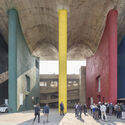
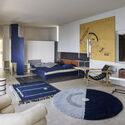
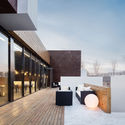
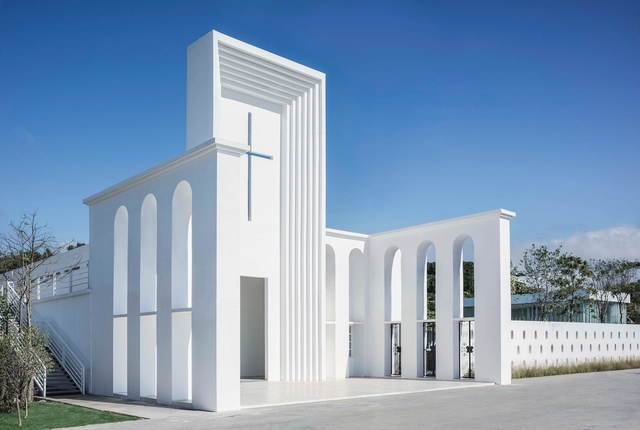
Color of the Year 2026 "Cloud Dancer". Image Courtesy of Pantone
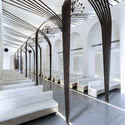
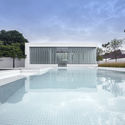
PantoneColor Institute has introduced PANTONE 11-4201 Cloud Dancer as the Color of the Year 2026, a soft white selected for its understated presence and sense of visual calm. The hue, described as balanced and airy, appears against a broader cultural context in which designers and creatives are reassessing the role of clarity, simplicity, and spatial quietude. Framed as a color that resembles a blank canvas, Cloud Dancer signals a renewed interest in environments that support reflection and measured creativity rather than constant acceleration.
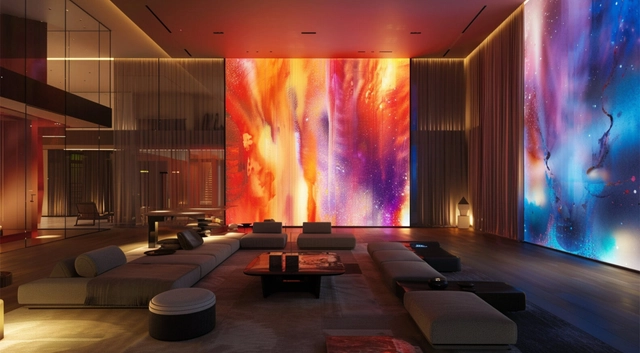
Walls have long been more than mere structural elements; they are canvases that narrate stories, reflecting desires for nature, spirituality, or the pursuit of tranquility and stimulation. With advancements in addressable LED pixels, walls have evolved into immersive digital surfaces capable of displaying any image in large format, adapting to the needs of the moment.
However, while universities continue to train architects and interior designers to create static buildings, the art of meaningful storytelling through digital screens—especially those with dynamics—remains largely unexplored in academic curricula.
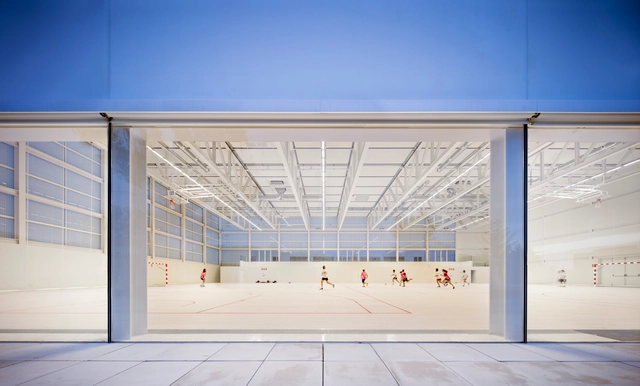
In Copenhagen, during the 2024 UNESCO International Day of Light, The Daylight Award has announced Spanish architect and professor Alberto Campo Baeza as the laureate for the architecture category and German professor of chronobiology Till Roenneberg for his scientific research regarding the impact of daylight. The two categories create an interdisciplinary bridge between fields, grounding architectural thinking with high-level research. The two winners have been commended for scientific investigations into issues like circadian rhythms and dependencies in the case of Professor Roenneberg, and the poetic qualities obtained through the use of daylight in Alberto Campo Baeza’s architectural works.
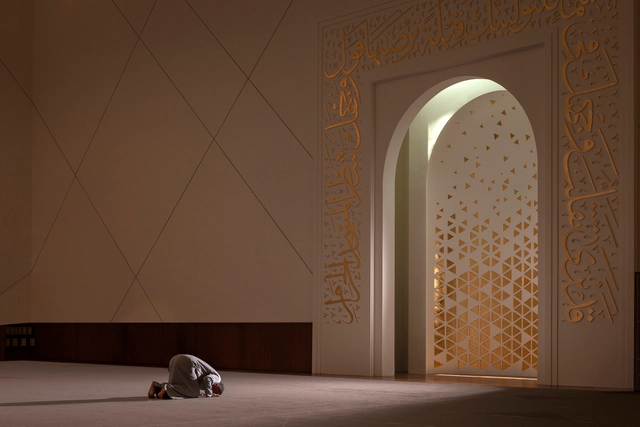
The Islamic Architecture style has a diverse history, spanning over a millennium, stretching from Western Africa to Europe to Eastern Asia. Beginning in early 7th century Arabia, this form of architecture emerged with the rise of the Islamic civilization. In fact, Al Masjid Al Nabawi, the first Mosque to ever be constructed was built in 622, in Medina, Saudi Arabia. Moreover, early Islamic architecture was influenced by the pre-existing styles around the region, such as Roman, Byzantine, and Persian qualities.
Today, Islamic architecture is known for its acute attention to detail, craftsmanship, and its spiritual symbolism. Furthermore, as color plays an essential role in architecture, influencing the emotional experience of the space, different colors have been utilized over the years in Islamic Architecture to evoke certain meanings. In Islamic Architecture, colors hold significant spiritual symbolism, reflecting the values and beliefs of the Islamic faith. Four core colors, Green, Blue, Gold, and White, are each used to convey various cultural, religious, and symbolic meanings.
Read on to discover the use of these colors in various Islamic architectural icons around the world.
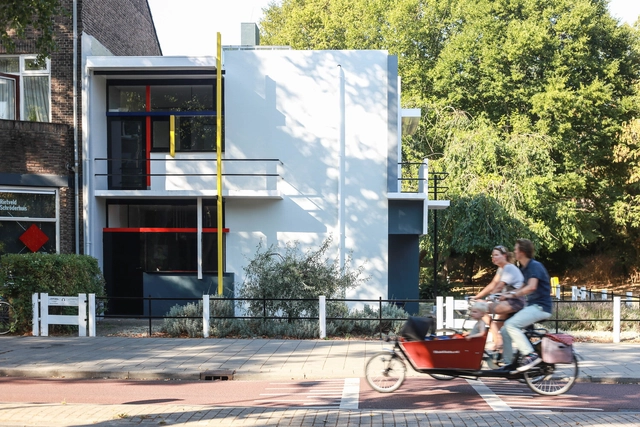
Given that the architects of modernity were in search of purity of form, it stands to reason that the image of this modern architecture is almost inevitably rendered in white in the collective imagination. Relieved of superfluous decorations, modern architecture became associated with the predominant use of white surfaces to highlight the volumetric composition. Combined with the concept of “material truth” first articulated by Victorian critic John Ruskin, white-colored architecture is often understood as straightforward, clear, and sincere.
In the heyday of high modernism, architects such as Le Corbusier and Mies van der Rohe extolled the aesthetic value of whiteness, which they viewed as connoting purity and simplicity. Mies van der Rohe’s Farnsworth House, for example, paired the stripped-down whiteness of its structural skeleton with expansive floor-to-ceiling windows, using the enveloping natural light to further elevate the already heavenly aspirations of the space. Today, some contemporary architects and designers have evolved the sublime aesthetics of white high modern architecture by using translucent fabric partitions, complementing the purity of the white walls with the fabrics’ ethereal play of light and shadow. Below, we discuss different design strategies for working with white fabrics in this way, and include two examples of projects that have used translucent fabrics in soothing but innovative ways.
https://www.archdaily.com/957021/white-atmospheres-how-to-create-calm-spaces-with-fabric-partitionsLilly Cao
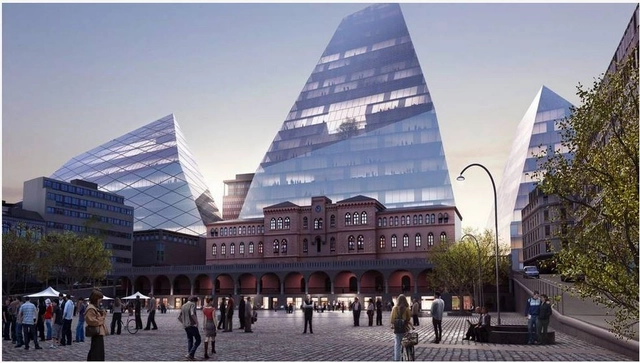
Nearly 100 architects, designers, and consultants have been developing designs for a competition for the new government quarter in Oslo. Drawing an initial 24 entries, the intent of the competition was to generate viable solutions for the future relocation of all government ministries (excluding the defense ministry), emphasizing an urban atmosphere and public elements. In the six shortlisted proposals from both local and international firms, including BIG, Snøhetta, and MVRDV, the themes of building tall and introducing green space emerged.
Now a ten-member committee of industry professionals will assist Statsbygg, the public construction advisers collaborating on the government's behalf, with the evaluation of each design. Take a look at the six proposals after the break.