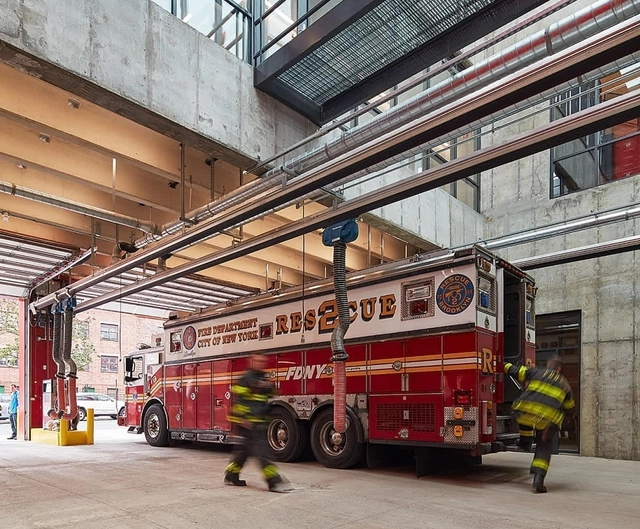
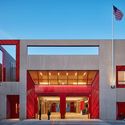
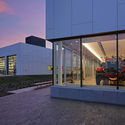
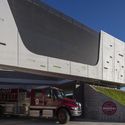
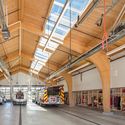
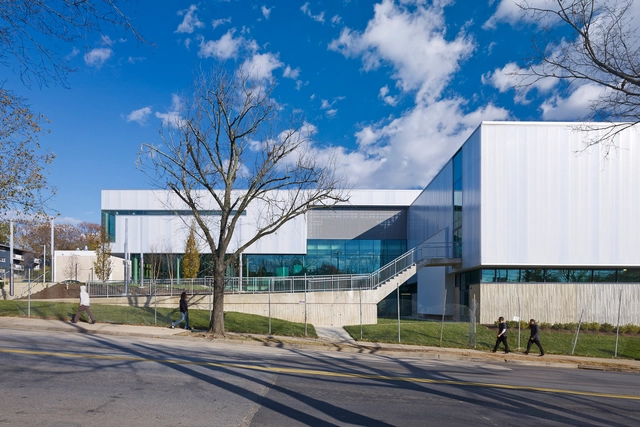
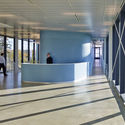
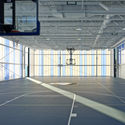
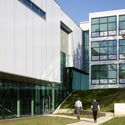
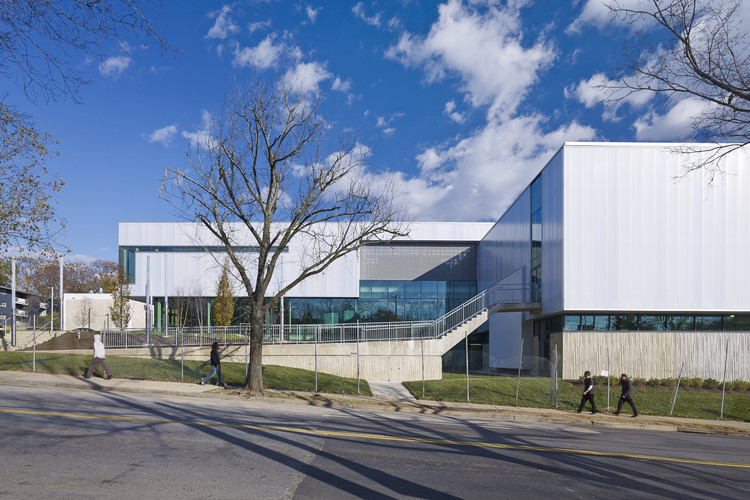
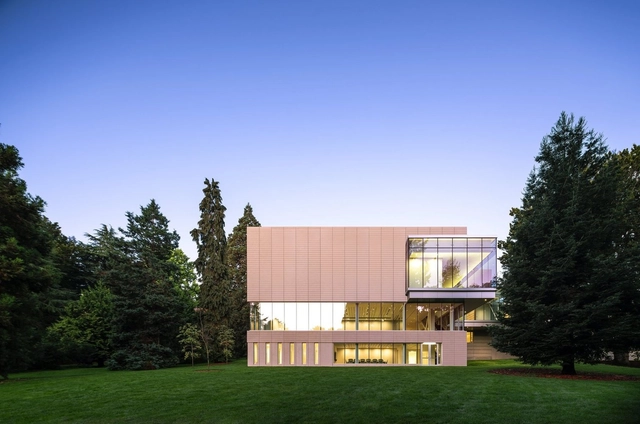
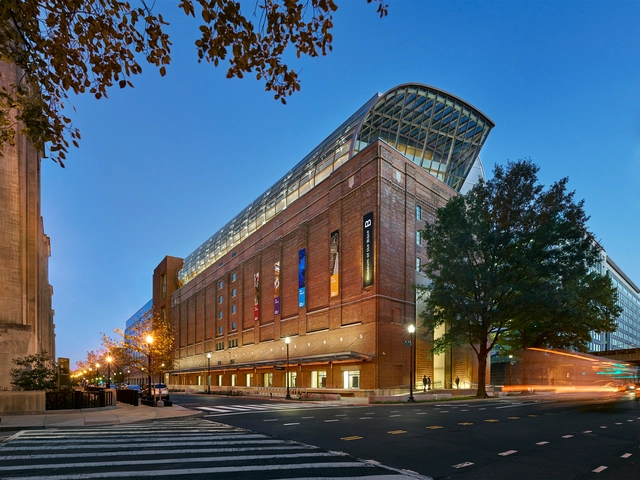
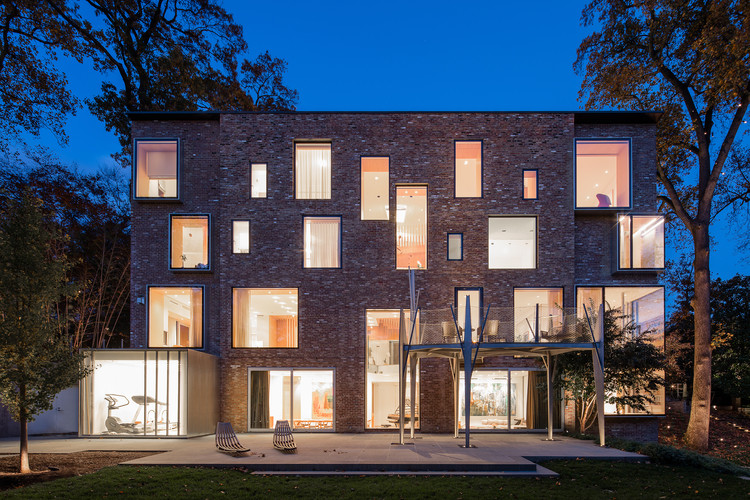
Architects are charged with protecting the public’s health, safety, and well-being. When buildings fail, whether through increased loads, poor design, or natural disasters, that charge also falls to those capable and willing to aid people in need. Firefighters regularly experience architecture’s collapse, often risking life and limb to save occupants and individuals they do not know. Yet firefighters and emergency personnel also have their own buildings they call home, rare typologies where recreational, domestic, and professional activities collide.
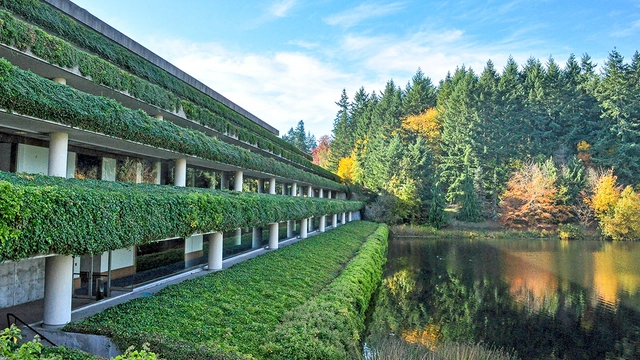
The Weyerhaeuser Corporate Headquarters in Federal Way, Washington is one of the most iconic projects bringing architecture and landscape together. The current owners of the site, Los Angeles-based Industrial Realty Group (IRG), have shared plans to clear-cut 132 largely forested acres on the 425-acre campus to build 1.5 million square feet of warehouses. Now the group is facing pushback from architects, preservationists and landscape architects across the country.
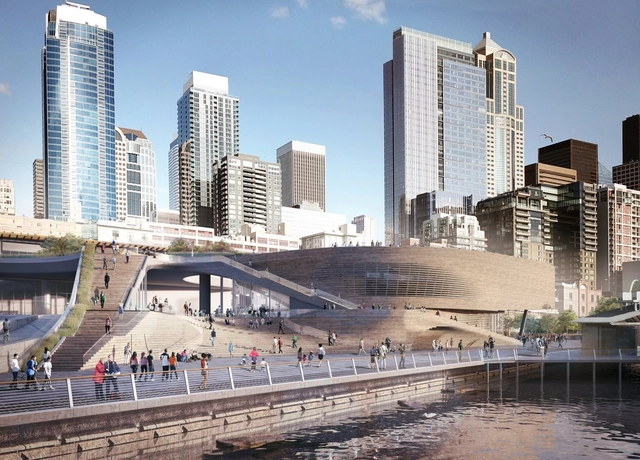
Seattle Aquarium Ocean Pavilion. Image Courtesy of LMN Architects
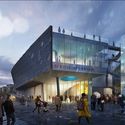
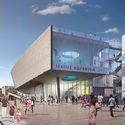
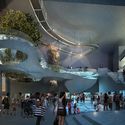
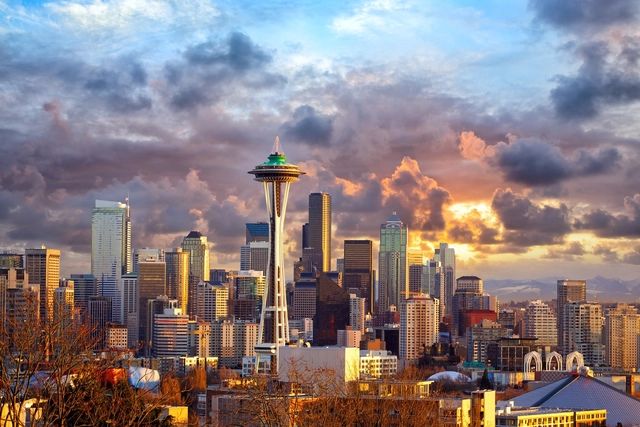
Design practice LMN Architects have unveiled new details of the design for the Seattle Aquarium Ocean Pavilion. The $113 million project will include the 50,000-square-foot Pavilion sited adjacent to the existing Seattle Aquarium. The pavilion will link together the new Seattle Waterfront, downtown and the historic Pike Place Market.
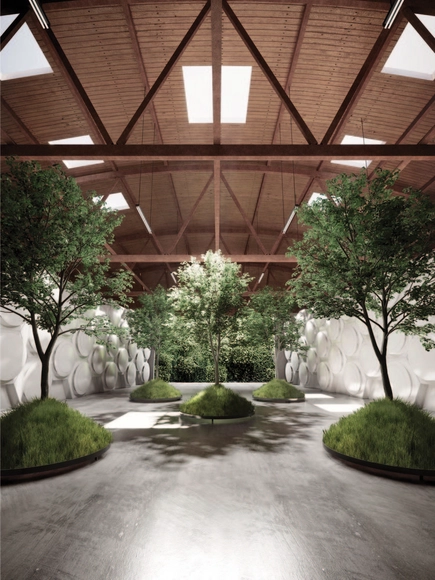
The international design firm Olson Kundig has designed a new sustainable option for after-death care. In fact, the architects created the world’s first facility for converting human remains into soil, a flagship building for Recompose in Seattle.
The Seattle Asian Art Museum renovation by LMN Architects and landscape architect Walker Macy is set to open in February next year. The project takes the original, early 20th-century building and brings it up to 21st-century standards. The renovation includes the preservation of the 1933 building and Art Deco front façade and a new glass-enclosed park lobby overlooking the Olmstead-designed Volunteer Park.
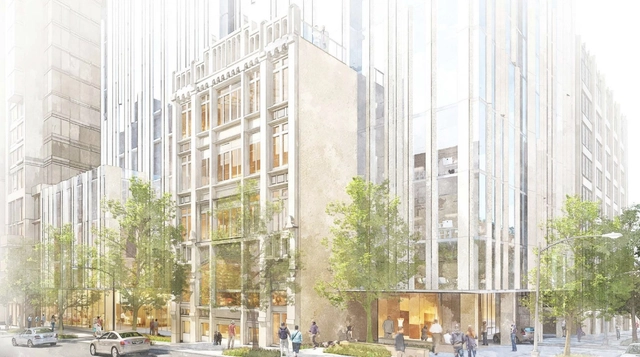
Kengo Kuma & Associates have proposed a new 40-story mixed-use skyscraper incorporating a historic Gothic Revival facade in Seattle. Located in the Belltown neighborhood, the project would reuse the ornate five-story Bebb & Gould’s Terminal Sales Annex facade. Made in collaboration with Ankrom Moisan Architects and the landscape architecture firm Berger Partnership, the project aims to reinforce the Gothic and Art Deco heritage of Seattle’s downtown.
Microsoft has unveiled plans to commit $500 million to advance affordable housing solutions across the city of Seattle, Washington. The money, to be distributed as loans and grants, will kick-start new solutions to the city’s housing crisis, where income increases have lagged behind rising housing prices.
The investment breaks down as $225 million committed to subsidize middle-income housing construction in six targeted cities, $250 million to support low-income housing across the King County region, and $25 million to philanthropic grants to address homelessness in the greater Seattle region. The tech giant has targeted the region in close proximity to the site of its Redmond headquarters expansion, expected to accommodate 8,000 new employees.
https://www.archdaily.com/909841/microsoft-is-investing-500-dollars-million-in-seattle-affordable-housingNiall Patrick Walsh
After its opening in September last year, the now completed Smithsonian National Museum of African American History and Culture can be seen in full swing, thanks to this new photoset taken by photographer Brad Feinknopf. Designed by Freelon Adjaye Bond / SmithGroup JJR (a collaboration which included Perkins + Will'sPhil Freelon, David Adjaye from Adjaye Associates, Davis Brody Bond, and SmithGroup JJR), the 420,000 square foot building houses numerous galleries and collections, as well as a theater. Maintaining a strong connection to America’s engrained African history and roots through its bronze filigree envelope, the museum asserts a subtle presence in the landscape, coexisting alongside the Washington Monument and National Museum of American History.