1. ArchDaily
  2. Videography

Videography: The Latest Architecture and News

I'm Still Here: How Rio de Janeiro’s Architecture and Urbanism Shape the Oscar-Nominated Brazilian Film

Subscriber Access | 

A radiant Rio de Janeiro, bathed in sunlight and carried by the ocean breeze. The beach is full of life—children run across the sand, families enjoy their time together, and laughter drifts through the air. This vibrant postcard from the 1970s, depicting a Cidade Maravilhosa exuding freedom and vitality, sets the stage for "I'm Still Here," a Brazilian film that film which recently won the Oscar for Best International Feature, marking a first for Brazilian cinematography. Further recognizing its merits, the film also received Oscar nominations for Best Actress and Best Picture. The film's setting provides a rich backdrop for exploring the urban landscape of Rio during a pivotal period in its history. As the story unfolds, this bright and open setting gives way to the architectural and urban impacts of the fear and uncertainty of the military dictatorship that ruled Brazil for over two decades.

I'm Still Here: How Rio de Janeiro’s Architecture and Urbanism Shape the Oscar-Nominated Brazilian Film - Image 1 of 4I'm Still Here: How Rio de Janeiro’s Architecture and Urbanism Shape the Oscar-Nominated Brazilian Film - Image 2 of 4I'm Still Here: How Rio de Janeiro’s Architecture and Urbanism Shape the Oscar-Nominated Brazilian Film - Image 3 of 4I'm Still Here: How Rio de Janeiro’s Architecture and Urbanism Shape the Oscar-Nominated Brazilian Film - Image 4 of 4I'm Still Here: How Rio de Janeiro’s Architecture and Urbanism Shape the Oscar-Nominated Brazilian Film - More Images+ 5

Perfect Days: An Ode to Tokyo's Public Toilets

Subscriber Access | 

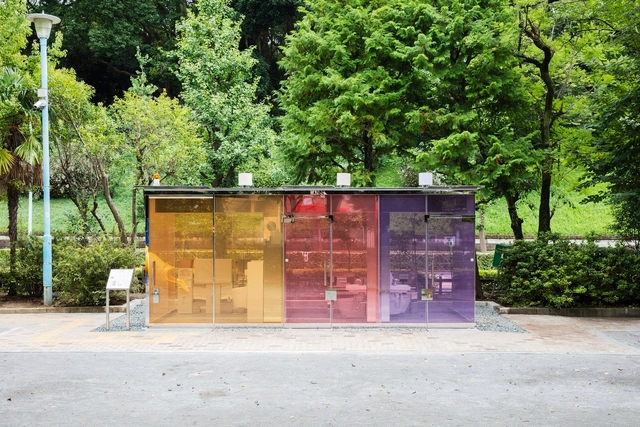
"A bathroom is a place where everyone is equal—there is no rich or poor, no old or young; everyone is part of humanity." This reflection was shared by Wim Wenders, exponent of New German Cinema and director of the film Perfect Days (2023) when asked about the striking sets of his most recent work. Wenders selected Tokyo's public restrooms to craft a narrative that deeply explores themes of solitude, simplicity, and the beauty of everyday life.

The story follows Hirayama, a middle-aged man working as a public toilet cleaner in Tokyo. His life is simple and routine, yet filled with small pleasures and moments of reflection. This modest lifestyle contrasts with the technological, colorful, and innovative designs of the public restrooms he cleans every day.

Perfect Days: An Ode to Tokyo's Public Toilets - Image 1 of 4Perfect Days: An Ode to Tokyo's Public Toilets - Image 2 of 4Perfect Days: An Ode to Tokyo's Public Toilets - Image 3 of 4Perfect Days: An Ode to Tokyo's Public Toilets - Image 4 of 4Perfect Days: An Ode to Tokyo's Public Toilets - More Images+ 12

How Architecture Speaks Through Cinema

Subscriber Access | 

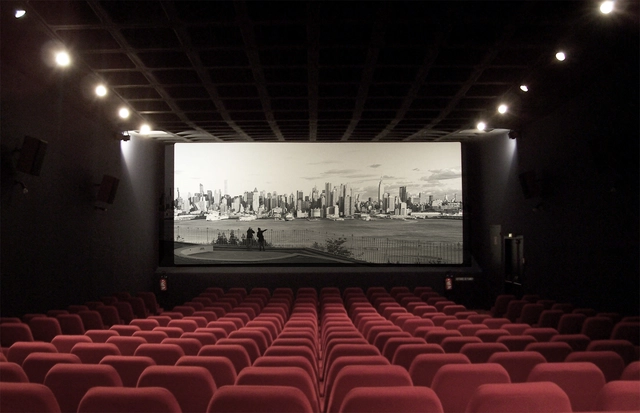
Jean-Luc Godard, through his films, talks about architecture almost as easily as he talks about cinema itself. In honor of the nouvelle vague icon, who passed away today at the age of 91, we revisit How Architecture Speaks Through Cinema.

There are several ways of making films. Like Jean Renoir and Robert Bresson, who make music. Like Sergei Eisenstein, who paints. Like Stroheim, who wrote sound novels in silent days. Like Alain Resnais, who sculpts. And like Socrates, Rossellini I mean, who creates philosophy. The cinema, in other words, can be everything at once, both judge and litigant. — Jean-Luc Godard [1] 

When Nature and Architecture Become One: A Conversation with Dara Huang

Subscriber Access | 

Transcendentalist philosophers have long shared the idea that humans and nature are equal forces that should coexist in harmony. The notion has since expanded to the architecture world, with Frank Lloyd Wright shedding light on the term “organic architecture” as early as the 1900s. In recent years, driven by an increased interest in living closer to nature, architects continue to delve into the concept of integrating interior and exterior, blurring out visual and physical boundaries to bring landscapes indoors.

In Sky-Frame’s latest film, part of the series “My point of view”, a conversation with architect Dara Huang explores this notion, questioning how architecture can merge nature, sustainability and lifestyle within its form, without relying on more technology or materials to do so.

Living with Sky-Frame: Where Boundaries Fade Away

 | Sponsored Content

Sky-Frame Swiss-made frameless windows and sliding doors continue to revolutionize the transition between indoors and outdoors, by providing unbounded spatial experiences with spectacular vistas.

Burning Man's ORB Through the Animated Lens of Another :

Subscriber Access | 

One of the main attractions of 2018’s Burning Man Festival was the ORB, designed by Bjarke Ingels, Iacob Lange & Laurent de Carniere. The inflated spherical mirror was created as a conceptual representation of Earth and human expression, leaving no trace after its deflation. The project consumed 30 tons of steel, 1,000 welding and sewing hours, and $300,000 of personal funds to make the ORB come to life.

As part of their mini-film series, creative duo another : have collaborated with music composer Yu Miyashita and released a short video that explores the process of creating the ORB in an otherworldly way.

SKNYPL Explores the Role of Urbanism in Creating and Overcoming Fear

Subscriber Access | 

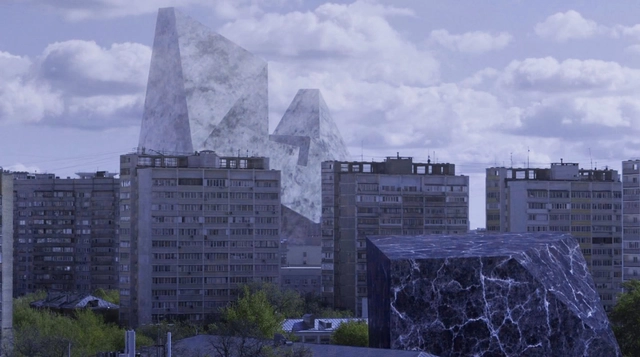
The London Festival of Architecture, the world’s largest annual festival of its kind, took place across the city this June. The month-long festival welcomed thousands of people to explore architecture installations and creations, and take part in the activities and discussions, which included an event put together by SKNYPL.

The theme for the year 2019 was ‘Boundaries’ in all its forms: zones, walls, city limits… And for their first international show, SKNYPL presented “PHOBOS”, a film-installation about Moscow and the fearful impact of having physical and metaphysical boundaries. The studio created a special online version of the film especially for ArchDaily readers.