1. ArchDaily
  2. Vernacular Architecture

Vernacular Architecture: The Latest Architecture and News

World Architecture Day 2025: How We Design for Strength in an Age of Crisis

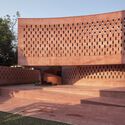
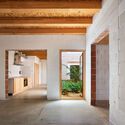
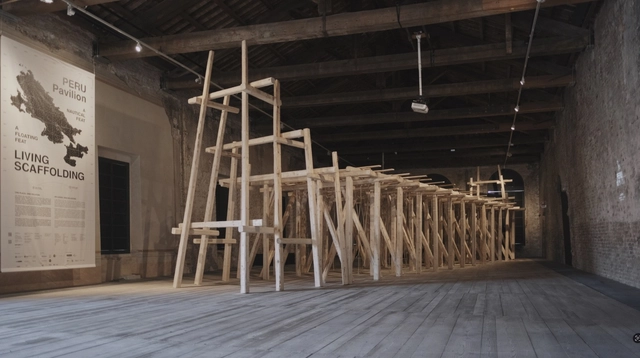
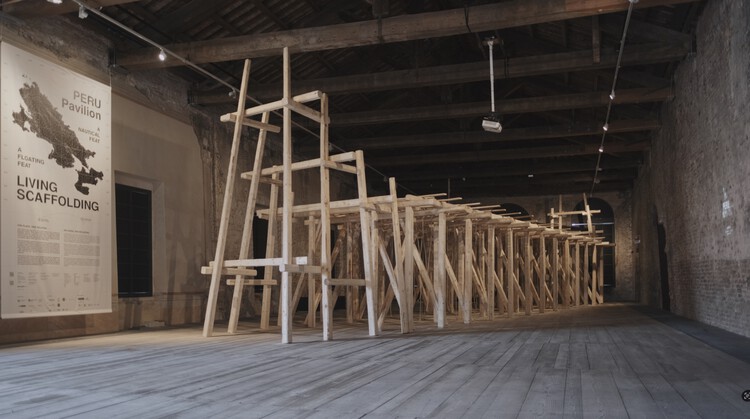
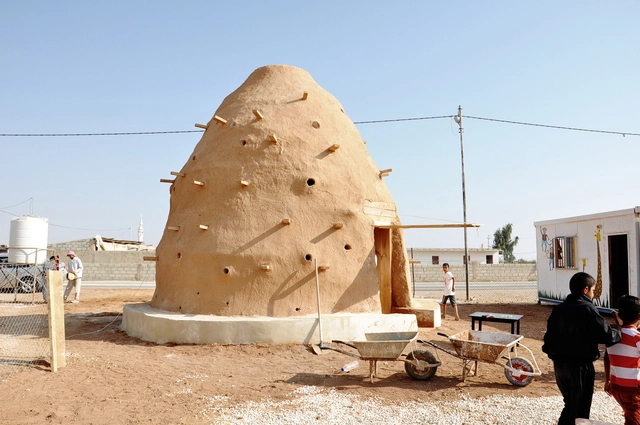
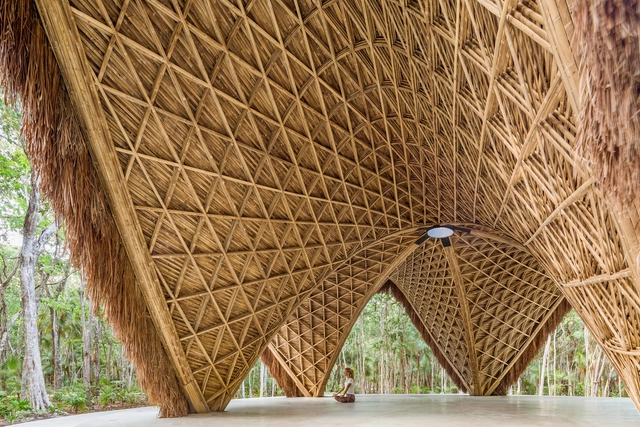
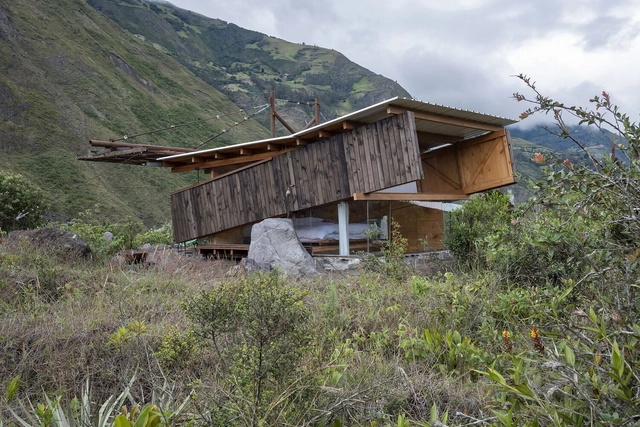
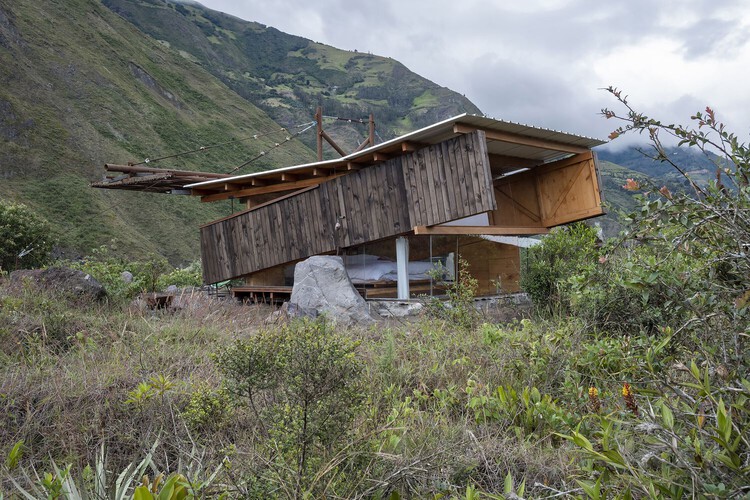
Today, on the first Monday of October, we celebrate World Architecture Day. This year, the International Union of Architects (UIA) has set the theme "Design for Strength," a powerful call to action that resonates deeply with the UN's focus on urban crisis response. In a world facing unprecedented environmental and social disruptions, this theme challenges us to move beyond temporary fixes. It asks: How can our buildings and cities not only withstand shocks but also foster equity, continuity, and resilience?

While the concept of strength in architecture can easily evoke images of reinforced concrete and steel, a more profound interpretation is emerging, one that defines strength not as mere rigidity, but as a holistic capacity to endure and adapt. This includes many facets, from ecological resilience and stewardship to long-lasting concepts of social resilience or the long-lasting conservation of existing urban structures, all contributing to a built environment more able to respond to the multitude of crises faced by cities worldwide.

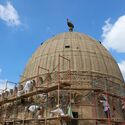
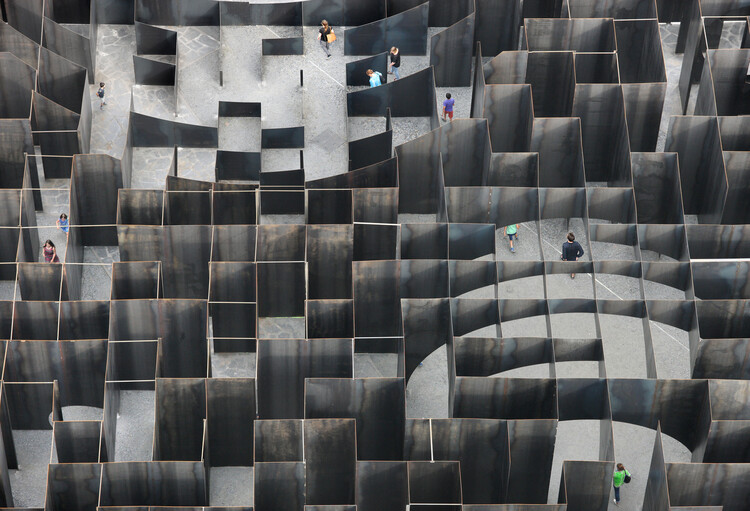
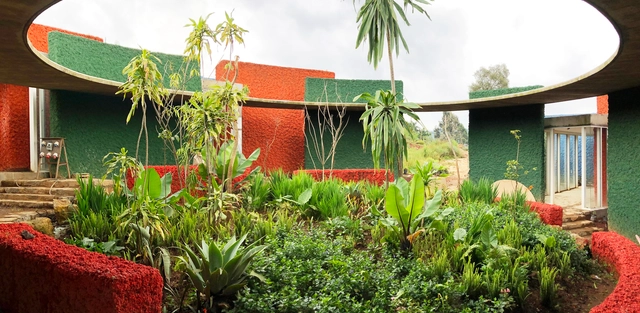
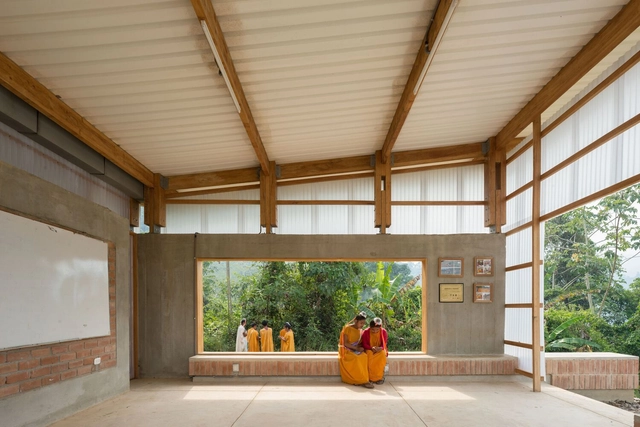
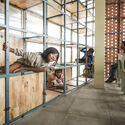
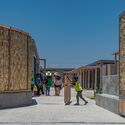
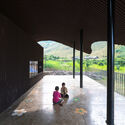
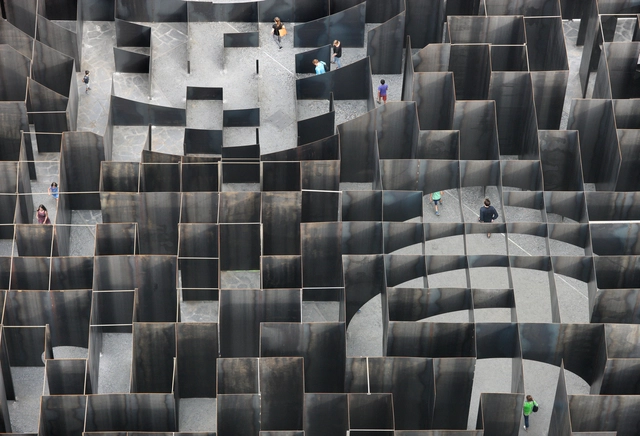
World Architecture Day 2025: How We Design for Strength in an Age of Crisis - Image 1 of 4World Architecture Day 2025: How We Design for Strength in an Age of Crisis - Image 2 of 4World Architecture Day 2025: How We Design for Strength in an Age of Crisis - Image 3 of 4World Architecture Day 2025: How We Design for Strength in an Age of Crisis - Image 4 of 4World Architecture Day 2025: How We Design for Strength in an Age of Crisis - More Images+ 20

The Ukrainian Pavilion at the Venice Biennale Presents a Parallel Between Vernacular and Emergency Architecture

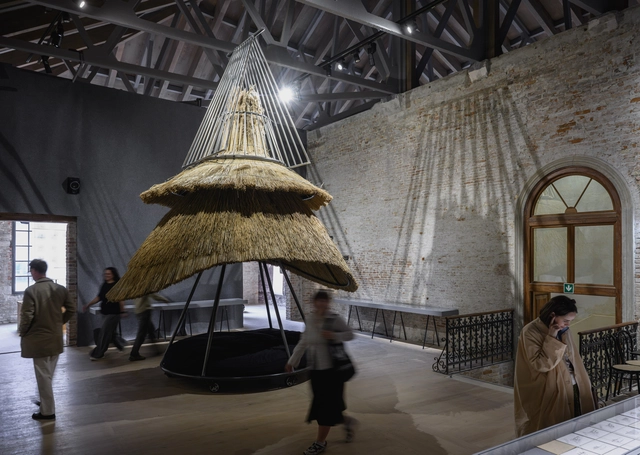
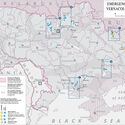
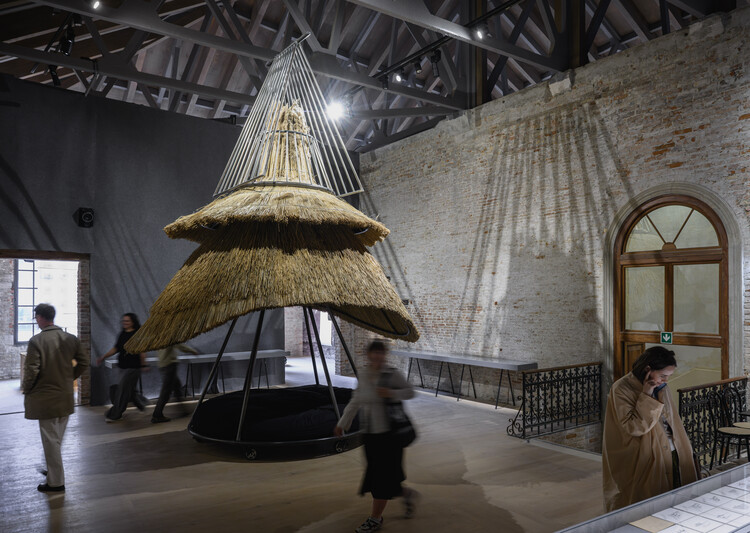
The Ukrainian pavilion at the 19th International Architecture Exhibition – La Biennale di Venezia explores the intersection of traditional building methods and improvised construction during wartime crises. Under the title "DAKH (ДАХ): Vernacular Hardcore", the exhibition refers to the concept of the roof ("dakh" in Ukrainian) as a primary shelter in architecture, examining the roofs of an "architecture without architects" both in the country's constructive tradition and in the contemporary reality of aerial vigilance over its national territory. Curated by Bögdana Kosmina, Michał Murawski, and Kateryna Rusetska, the Ukrainian display consists of a six-element exhibition at the Arsenale's Sale d'Armi and an accompanying nomadic program titled Planetary Hardcore.

The Ukrainian Pavilion at the Venice Biennale Presents a Parallel Between Vernacular and Emergency Architecture - Image 1 of 4The Ukrainian Pavilion at the Venice Biennale Presents a Parallel Between Vernacular and Emergency Architecture - Image 2 of 4The Ukrainian Pavilion at the Venice Biennale Presents a Parallel Between Vernacular and Emergency Architecture - Image 3 of 4The Ukrainian Pavilion at the Venice Biennale Presents a Parallel Between Vernacular and Emergency Architecture - Image 4 of 4The Ukrainian Pavilion at the Venice Biennale Presents a Parallel Between Vernacular and Emergency Architecture - More Images+ 29

Longevity Through Renewal: The Enduring Wisdom of Hong Kong's Water Villages

While Hong Kong is widely celebrated for its iconic harbor view, glittering skyline, and fast-paced urban lifestyle, its origins tell a different story—one deeply rooted in its relationship with water. Before transforming into a dense, vertical metropolis, Hong Kong's architectural identity was closely tied to its maritime context. Today, the city is often associated with slender, glass-clad towers that symbolize modernity. While visually striking in their pursuit of height and form, many of these buildings appear disconnected from their immediate environment, often overlooking natural site conditions, ecological responsiveness, and contextual sensitivity.
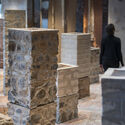
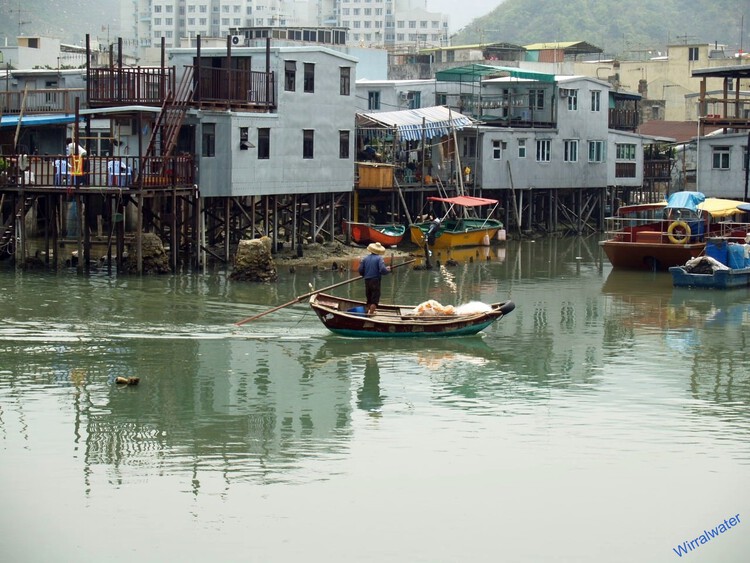
Historically, however, this was not the case. Hong Kong's earliest built environments—rural fishing villages in areas like Tai O, Aberdeen, and Shau Kei Wan—emerged through organic, community-driven spatial practices that engaged closely with their surroundings. These coastal and riverside settlements developed architectural systems tailored to the marine environment and to the rhythms of fishing life. Villages were sited around water, and construction strategies were adapted to fluctuating tides, terrain, and social use.

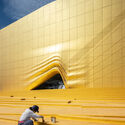
Longevity Through Renewal: The Enduring Wisdom of Hong Kong's Water Villages - Image 1 of 4Longevity Through Renewal: The Enduring Wisdom of Hong Kong's Water Villages - Image 2 of 4Longevity Through Renewal: The Enduring Wisdom of Hong Kong's Water Villages - Image 3 of 4Longevity Through Renewal: The Enduring Wisdom of Hong Kong's Water Villages - Image 4 of 4Longevity Through Renewal: The Enduring Wisdom of Hong Kong's Water Villages - More Images+ 13

Rhythms of the Soil: Architecture as Agroecology

At a time of ecological collapse and rising food insecurity, architecture is increasingly called upon to engage not only with landscapes but with the systems that sustain and regenerate them. Among these systems, agriculture occupies a paradoxical role, as both a leading contributor to environmental degradation and a potential agent of ecological recovery. Industrial farming has depleted soils, fragmented habitats, and driven climate change through monocultures, fossil-fuel dependency, and territorial standardization. In response, agroecology has emerged as a counter-practice rooted in biodiversity, local knowledge, and the cyclical rhythms of nature. It reframes farming not as extraction, but as regeneration of ecosystems, communities, and the soil itself.

This reframing opens space for architecture to contribute meaningfully. To align with agroecology is not only to support food production, but to engage with the broader cultural, spatial, and ecological conditions that sustain it. It implies designing with seasonal variation, supporting shared use, and building in ways that respect both the land and those who work it. Architecture becomes more than enclosure — it becomes a mediator of cultivation, reciprocity, and coexistence.

Rhythms of the Soil: Architecture as Agroecology - Image 1 of 4Rhythms of the Soil: Architecture as Agroecology - Image 2 of 4Rhythms of the Soil: Architecture as Agroecology - Image 3 of 4Rhythms of the Soil: Architecture as Agroecology - Image 4 of 4Rhythms of the Soil: Architecture as Agroecology - More Images+ 47

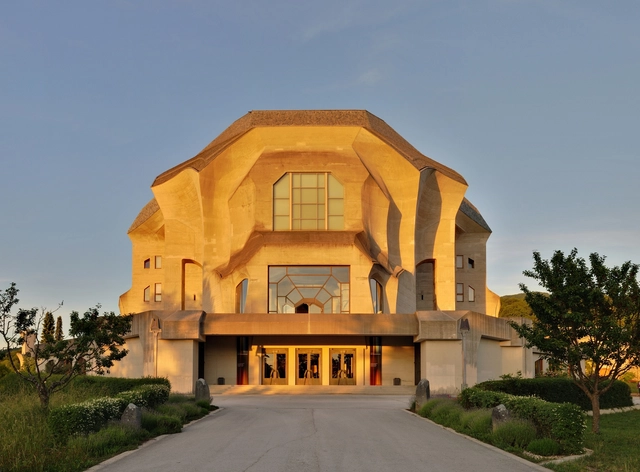
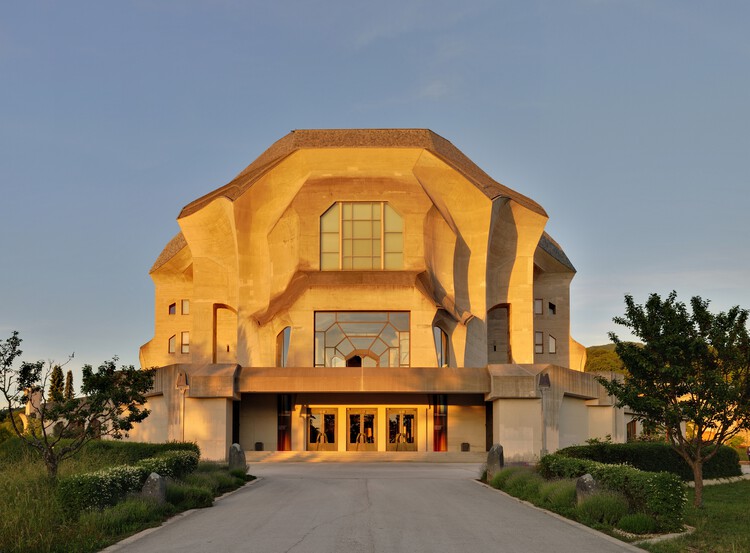
Living Cycles in Regenerative Architecture: Lessons from the Goetheanum

As climate uncertainty and ecosystem changes reshape design priorities, architecture plays an increasingly active role in these discussions, rather than merely observing. Within this perspective, the idea of making a "re" encourages a conscious step back to rethink, reconnect, and realign the relationship between buildings and their environments. This approach, central to regenerative architecture, extends beyond specific technologies or scales, encompassing everything from master plans that aim to re-naturalize cities to national pavilions that combine art and science.

What is the way forward? On the one hand, many current discussions emphasize technology; on the other, there are approaches that, rather than being in opposition, complement one another and broaden the range of possibilities, drawing on tradition, ancestral knowledge, and a profound understanding of the environment. Among these perspectives, the work of Rudolf Steiner and the anthroposophical movement, developed in the early 20th century, offers a vision and insights that connect architecture with ecological rhythms, materials, and community life.

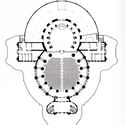
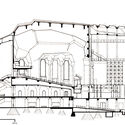
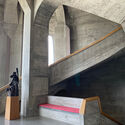
Living Cycles in Regenerative Architecture: Lessons from the Goetheanum - Image 1 of 4Living Cycles in Regenerative Architecture: Lessons from the Goetheanum - Image 2 of 4Living Cycles in Regenerative Architecture: Lessons from the Goetheanum - Image 3 of 4Living Cycles in Regenerative Architecture: Lessons from the Goetheanum - Image 4 of 4Living Cycles in Regenerative Architecture: Lessons from the Goetheanum - More Images+ 9

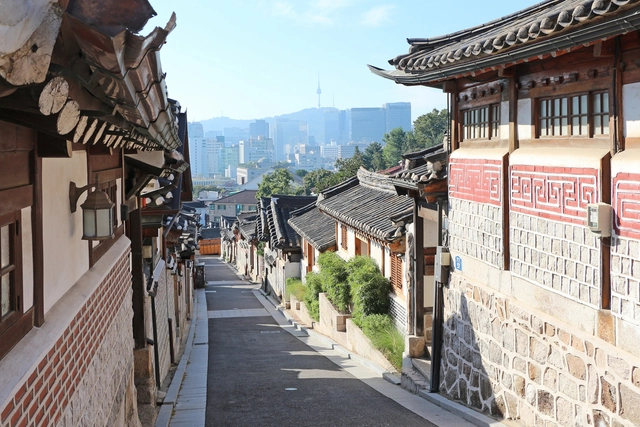
The Korean Hanok: Exploring Traditional Architecture's Environmental Principles

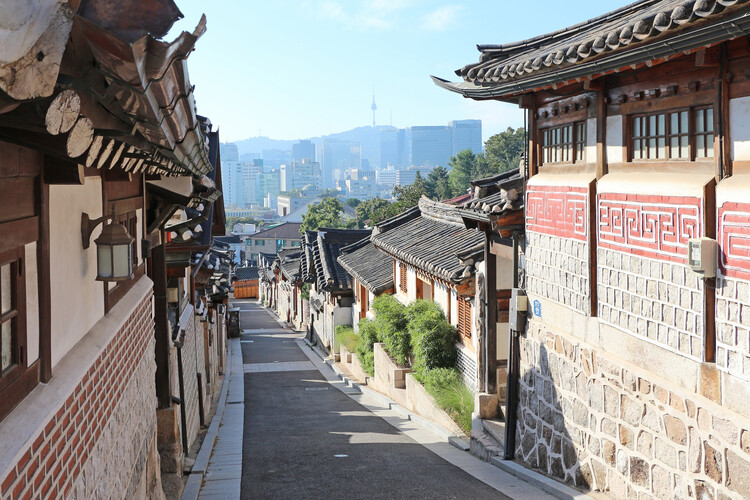
Vernacular architecture often utilizes locally sourced materials and construction practices honed over centuries. This approach raises questions about its potential relevance for contemporary design challenges. The prevalence of high-rise developments globally, often relying on sealed envelopes and mechanical climate control, contrasts with historical architectural practices. Traditionally, regional architectures emerged from local communities, fostering distinct cultural identities and integrating passive systems for ventilation, cooling, and heating, often utilizing natural elements. The Hanok, traditional Korean houses, serve as a case study. Beyond their current role in tourism, they are also an example of how vernacular knowledge can provide passive climate-response strategies that align with the current principles of creating environmentally friendly buildings.

The Korean Hanok: Exploring Traditional Architecture's Environmental Principles - Image 1 of 4The Korean Hanok: Exploring Traditional Architecture's Environmental Principles - Image 2 of 4The Korean Hanok: Exploring Traditional Architecture's Environmental Principles - Image 3 of 4The Korean Hanok: Exploring Traditional Architecture's Environmental Principles - Image 4 of 4The Korean Hanok: Exploring Traditional Architecture's Environmental Principles - More Images+ 4

Moroccan Pavilion at the Venice Architecture Biennale Showcases Earth as a Sustainable Building Material

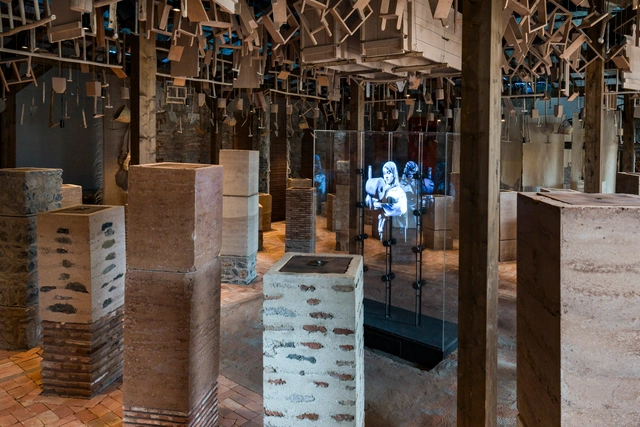
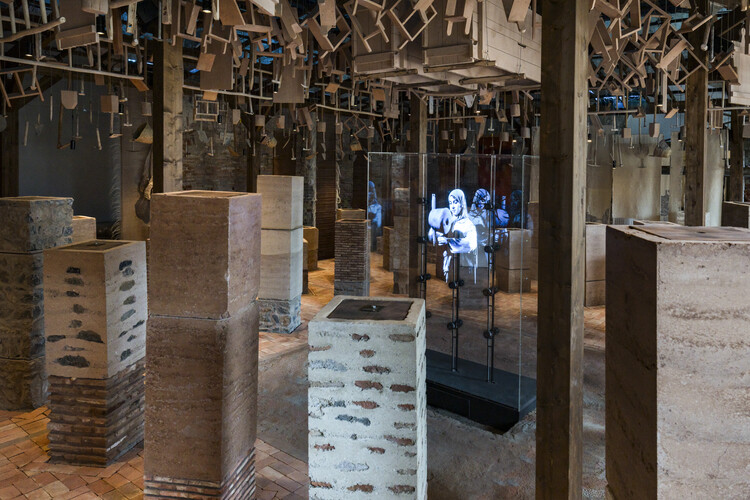
The Kingdom of Morocco's exhibition at the 19th International Architecture Exhibition – La Biennale di Venezia highlights Moroccan earth architecture and traditional construction techniques. The exhibition, titled Materiae Palimpsest, was curated by architects Khalil Morad El Ghilali and El Mehdi Belyasmine. In an exploration that blends ancient techniques with digital technologies, the exhibit features textile works by architect and artist Soumyia Jalal, along with holograms of artisans and tactile installations. The narrative presents earth as a renewable resource and sustainable material, and earth construction as a key to both preserving architectural heritage and addressing contemporary ecological and social challenges. Materiae Palimpsest offers an invitation to rethink architecture's current relationship with building materials, opening the way to locally rooted construction methods.

Moroccan Pavilion at the Venice Architecture Biennale Showcases Earth as a Sustainable Building Material - Image 1 of 4Moroccan Pavilion at the Venice Architecture Biennale Showcases Earth as a Sustainable Building Material - Image 2 of 4Moroccan Pavilion at the Venice Architecture Biennale Showcases Earth as a Sustainable Building Material - Image 3 of 4Moroccan Pavilion at the Venice Architecture Biennale Showcases Earth as a Sustainable Building Material - Image 4 of 4Moroccan Pavilion at the Venice Architecture Biennale Showcases Earth as a Sustainable Building Material - More Images+ 17

Slow Architecture as an Ethical Practice of Design and Construction

At the Bruder Klaus Field Chapel, designed by Peter Zumthor, the construction process involved the direct participation of residents from the small Swiss village of Mechernich. Using an internal formwork made of vertically placed wooden logs, concrete was prepared in small batches and poured manually, day after day, forming layers marked by subtle variations in the mix and application. At the end of the process, the wooden structure was reduced to ashes, leaving the chapel's interior impregnated with traces of fire and revealing a dark, tactile surface. The result was a quiet and deeply meaningful space, where collective action, time, and material transformation became part of the architecture. Centered on locally available resources and manual techniques, this construction method highlights how the choice of materials and building system can shape the experience of a space, reveal the time invested, and embed the culture of a place into the very matter of architecture. In doing so, it offers an example of how construction itself can become a regenerative act, restoring meaning, connecting communities, and honoring material cycles.

Slow Architecture as an Ethical Practice of Design and Construction - Image 1 of 4Slow Architecture as an Ethical Practice of Design and Construction - Image 2 of 4Slow Architecture as an Ethical Practice of Design and Construction - Image 3 of 4Slow Architecture as an Ethical Practice of Design and Construction - Image 4 of 4Slow Architecture as an Ethical Practice of Design and Construction - More Images+ 6

Village in the Vertical City: Tai Hang and the Afterlife of Vernacular Hong Kong

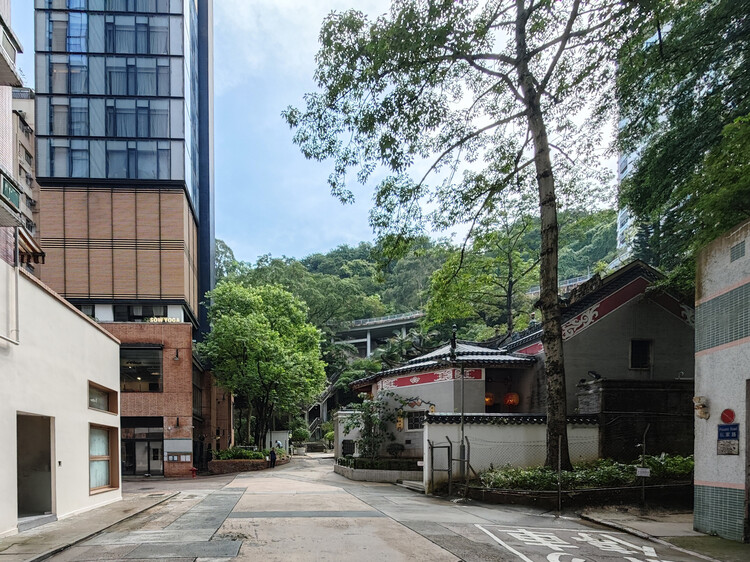
Vernacular architecture in Hong Kong originated as a series of small, coastal settlements—simple, village-like communities that reflected the city's early identity as a fishing hub. These seaside villages were typically composed of low-rise, timber-framed houses clustered around temples, forming tight-knit communities closely tied to the rhythms of the water.

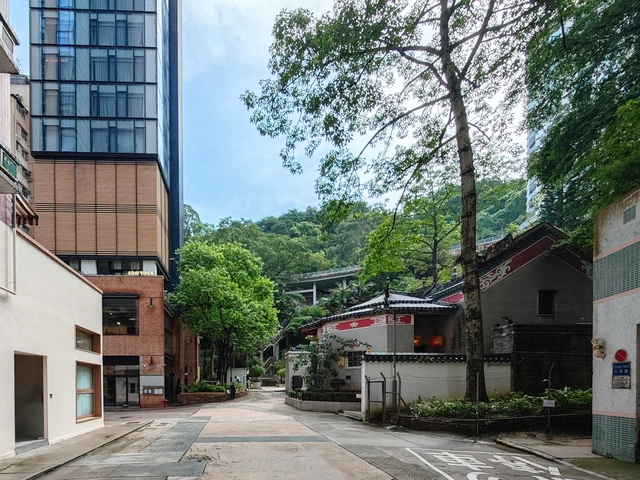
One notable example is Tai Hang, among the earlier settlements established by the Hakka people in Hong Kong. Originally located along a water channel that flowed from the nearby mountains to the sea, the area was once a vital washing site for villagers—hence its name, which literally means "Big Drainage." Before extensive land reclamation, Tai Hang sat quite close to the shoreline. Today, it lies nearly 700 meters inland.

Village in the Vertical City: Tai Hang and the Afterlife of Vernacular Hong Kong - Image 1 of 4Village in the Vertical City: Tai Hang and the Afterlife of Vernacular Hong Kong - Image 2 of 4Village in the Vertical City: Tai Hang and the Afterlife of Vernacular Hong Kong - Image 3 of 4Village in the Vertical City: Tai Hang and the Afterlife of Vernacular Hong Kong - Image 4 of 4Village in the Vertical City: Tai Hang and the Afterlife of Vernacular Hong Kong - More Images+ 11

Henning Larsen Designs Rammed Earth Campus for Youth Academy in Uganda

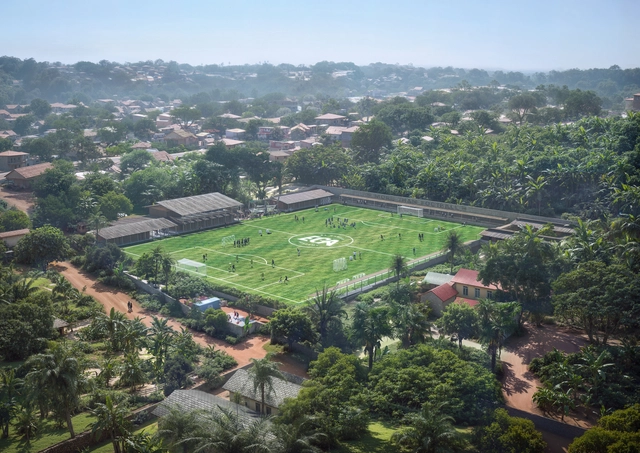
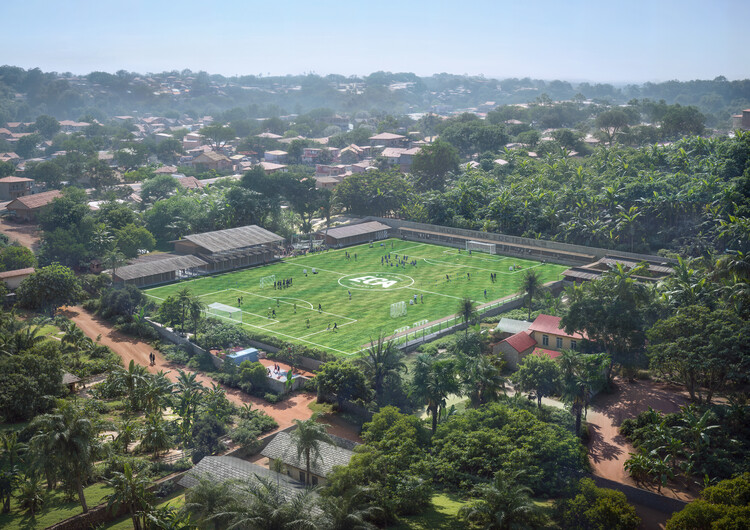
Henning Larsen, in collaboration with Kampala-based Siimi Design Studio, has revealed the design for a new modular campus for El Cambio Academy, a youth football and education institution located in Masaka, Uganda. The project is being developed using rammed earth construction, with bricks produced on site from locally excavated soil. Currently under construction, the first phase includes a boys' dormitory and is expected to be completed by summer 2025. The 1,280-square-meter campus is designed to accommodate 60 children between the ages of 9 and 16, providing facilities for both academic education and athletic training.

Henning Larsen Designs Rammed Earth Campus for Youth Academy in Uganda - Image 1 of 4Henning Larsen Designs Rammed Earth Campus for Youth Academy in Uganda - Image 2 of 4Henning Larsen Designs Rammed Earth Campus for Youth Academy in Uganda - Image 3 of 4Henning Larsen Designs Rammed Earth Campus for Youth Academy in Uganda - Image 4 of 4Henning Larsen Designs Rammed Earth Campus for Youth Academy in Uganda - More Images+ 1

On Designing National Pavilions: Power and Identity at Universal Exhibitions

Subscriber Access | 

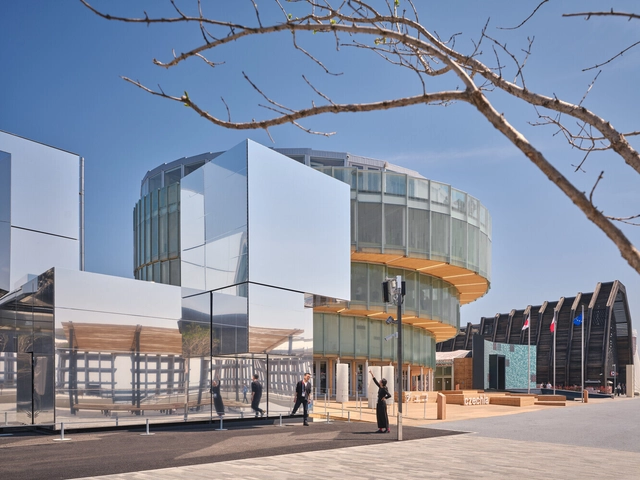
What can a pavilion’s architecture reveal about its country? At major World Expos, national pavilions are designed to answer this question, transforming into spaces laden with symbolism. Though temporary, these structures are rich in meaning, functioning as architectural expressions of political identity. Their forms and materials encapsulate national ambitions. Expo Osaka 2025, the latest chapter in this ongoing narrative, showcases how nations increasingly use built space to construct global images of themselves—sustainable, technological, culturally distinct, and geopolitically relevant.

On Designing National Pavilions: Power and Identity at Universal Exhibitions - Image 1 of 4On Designing National Pavilions: Power and Identity at Universal Exhibitions - Image 2 of 4On Designing National Pavilions: Power and Identity at Universal Exhibitions - Image 3 of 4On Designing National Pavilions: Power and Identity at Universal Exhibitions - Image 4 of 4On Designing National Pavilions: Power and Identity at Universal Exhibitions - More Images+ 10

How Breathable Should Facades Be? Exploring Permeability and Impermeability in Building Envelopes

The main role of architecture is to create structures that protect us from the environment and create spaces that are safe and comfortable for all types of needs and activities. By providing shelter, architecture also shapes the way people interact with their surroundings. Building technologies of the past rarely managed, however, to create a complete separation between us and the outside world.

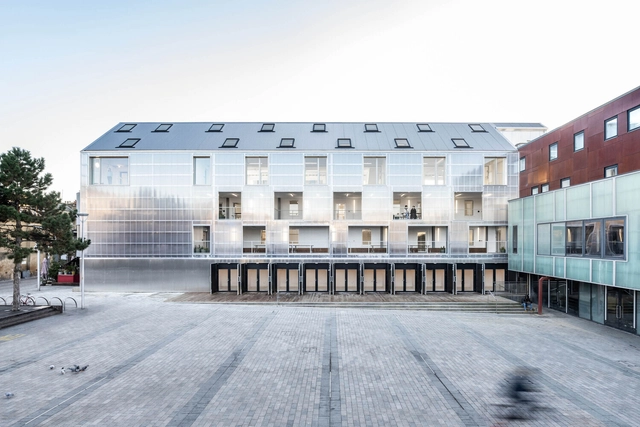
While impermeability was a desired outcome, the porous building materials available always allowed some water, wind, or outside particles to leak into the interior spaces. In contrast, modern technologies now allow for almost completely impermeable building envelopes, allowing for complete separation between indoors and outdoors, thus relying on engineered systems to regulate temperature, airflow, or humidity. This article explores the differences between these two contrasting approaches, exploring how building facades are equipped to regulate indoor comfort and its environmental impact.

How Breathable Should Facades Be? Exploring Permeability and Impermeability in Building Envelopes - Image 1 of 4How Breathable Should Facades Be? Exploring Permeability and Impermeability in Building Envelopes - Image 2 of 4How Breathable Should Facades Be? Exploring Permeability and Impermeability in Building Envelopes - Image 3 of 4How Breathable Should Facades Be? Exploring Permeability and Impermeability in Building Envelopes - Image 4 of 4How Breathable Should Facades Be? Exploring Permeability and Impermeability in Building Envelopes - More Images+ 5

Latin America at the 2025 Venice Biennale: Exploring Territory, Memory, and Ancestral Knowledge to Build the Present

The 19th edition of the Venice Architecture Biennale officially opened to the public on May 10, becoming a significant international platform for exploring the current state of global architecture and sparking conversations about the challenges the discipline faces today—both shared and specific to each territory. This year’s theme, "Intelligens. Natural. Artificial. Collective," proposed by general curator and Italian architect Carlo Ratti, invites reflection on architecture’s interconnection with other fields—such as art, artificial intelligence, and technology—while also emphasizing the importance of territories, landscapes, and, above all, the people who collectively shape our built environment.

Latin America at the 2025 Venice Biennale: Exploring Territory, Memory, and Ancestral Knowledge to Build the Present - Image 1 of 4Latin America at the 2025 Venice Biennale: Exploring Territory, Memory, and Ancestral Knowledge to Build the Present - Image 2 of 4Latin America at the 2025 Venice Biennale: Exploring Territory, Memory, and Ancestral Knowledge to Build the Present - Image 3 of 4Latin America at the 2025 Venice Biennale: Exploring Territory, Memory, and Ancestral Knowledge to Build the Present - Image 4 of 4Latin America at the 2025 Venice Biennale: Exploring Territory, Memory, and Ancestral Knowledge to Build the Present - More Images+ 17

Vernacular Building and AI: Can Data Alone Bridge the Gap?

As artificial intelligence (AI) becomes increasingly embedded in society, it's essential to pause and reflect on the foundations that sustain it—and the dimensions to which it extends. At the heart of AI's learning are datasets, whose structure and content shape how these systems interpret and respond to the world. This reliance creates a deep interdependence—one that not only informs AI's capabilities but also defines its potential blind spots. In light of this, we must ask: What forms of understanding might this process exclude, especially those not easily captured in digital form?

Vernacular Building and AI: Can Data Alone Bridge the Gap? - Image 1 of 4Vernacular Building and AI: Can Data Alone Bridge the Gap? - Image 2 of 4Vernacular Building and AI: Can Data Alone Bridge the Gap? - Image 3 of 4Vernacular Building and AI: Can Data Alone Bridge the Gap? - Image 4 of 4Vernacular Building and AI: Can Data Alone Bridge the Gap? - More Images+ 15

Between Algorithms and Ancestral Knowledge: Expanding the Concept of Architectural Intelligence

Artificial intelligence (AI) is no longer a futuristic idea in architecture — it is a concrete reality that is reshaping how we design. In seconds, computational systems can process and evaluate a wide range of variables — formal, programmatic, contextual, and regulatory — guiding architects toward highly optimized solutions. But as we embrace this algorithmic revolution, a critical question arises: can architectural intelligence be reduced to data-driven logic? In response, alternative approaches are gaining momentum — ones that value ways of building grounded in sensory experience, adaptation to place, and the intergenerational transmission of knowledge. In the exchange between artificial and ancestral forms of intelligence, a deeper understanding begins to take shape. Intelligence does not reside in the tools themselves, but in the intention and sensitivity with which we use them to navigate complex realities.

Between Algorithms and Ancestral Knowledge: Expanding the Concept of Architectural Intelligence - Image 1 of 4Between Algorithms and Ancestral Knowledge: Expanding the Concept of Architectural Intelligence - Image 2 of 4Between Algorithms and Ancestral Knowledge: Expanding the Concept of Architectural Intelligence - Image 3 of 4Between Algorithms and Ancestral Knowledge: Expanding the Concept of Architectural Intelligence - Image 4 of 4Between Algorithms and Ancestral Knowledge: Expanding the Concept of Architectural Intelligence - More Images+ 8

The Global Award for Sustainable Architecture Announces Its 2025 Laureates in Venice

The Global Award for Sustainable Architecture, created in 2006 by architect and scholar Jana Revedin, annually recognizes five architects—or offices—from around the world whose practices are grounded in the principles of sustainable development, participatory design, and a community-oriented approach. This recognition aligns with the global urgency surrounding today's pressing issues—the ecological and climate crises, as well as social, cultural, and economic challenges. Acknowledging architecture's critical role in shaping the built environment, the award seeks to highlight the work of creators who address these challenges with innovative and creative solutions.

The Global Award for Sustainable Architecture Announces Its 2025 Laureates in Venice - Image 9 of 4The Global Award for Sustainable Architecture Announces Its 2025 Laureates in Venice - Image 10 of 4The Global Award for Sustainable Architecture Announces Its 2025 Laureates in Venice - Image 11 of 4The Global Award for Sustainable Architecture Announces Its 2025 Laureates in Venice - Image 12 of 4The Global Award for Sustainable Architecture Announces Its 2025 Laureates in Venice - More Images+ 23

Towards an Architecture of Many Intelligences: How Collective Knowledge Shapes the Built Environment

As architecture navigates a rapidly changing world shaped by ecological urgency, social transformation, and technological acceleration, the notion of intelligence is shifting. No longer confined to individual cognition or artificial computation, intelligence can emerge from cultural memory, collective practices, and adaptive systems. In this broader sense, architecture becomes a field of convergence, where natural, artificial, and social intelligences intersect to offer new ways of designing and building.

Vernacular traditions embed generations of environmental knowledge, often transmitted through materials, construction techniques, and spatial logics finely tuned to local conditions; participatory platforms expand decision-making to wider communities to take part in shaping their environments, redistributing agency in the design process; and computational processes simulate and respond to complex data in real time bringing the capacity to analyse, simulate, and respond to complex variables — whether environmental, social, or behavioural — offering new forms of adaptability.

Towards an Architecture of Many Intelligences: How Collective Knowledge Shapes the Built Environment - Image 1 of 4Towards an Architecture of Many Intelligences: How Collective Knowledge Shapes the Built Environment - Image 2 of 4Towards an Architecture of Many Intelligences: How Collective Knowledge Shapes the Built Environment - Image 3 of 4Towards an Architecture of Many Intelligences: How Collective Knowledge Shapes the Built Environment - Image 4 of 4Towards an Architecture of Many Intelligences: How Collective Knowledge Shapes the Built Environment - More Images+ 25

More than a Classroom: The Multifunctionality of Educational Spaces in Global South Communities

Educational infrastructure is key to any community. The better the quality of these spaces, the better the learning experience for those who use them. However, these facilities often serve a much broader purpose than just education. In Global South communities, in countries like Peru or Vietnam, where a significant portion of the population lives in rural areas far from urban centers, there are few educational spaces and a lack of places where the entire community—not just the students—can come together.

More than a Classroom: The Multifunctionality of Educational Spaces in Global South Communities - Image 1 of 4More than a Classroom: The Multifunctionality of Educational Spaces in Global South Communities - Image 2 of 4More than a Classroom: The Multifunctionality of Educational Spaces in Global South Communities - Image 3 of 4More than a Classroom: The Multifunctionality of Educational Spaces in Global South Communities - Image 4 of 4More than a Classroom: The Multifunctionality of Educational Spaces in Global South Communities - More Images+ 23