1. ArchDaily
  2. UX Design

UX Design: The Latest Architecture and News

Architecture as a Platform: What Makes a Building Evolve?

Subscriber Access | 

Not long ago, recent enough to feel current, architecture entered a moment in which buildings became legible as products. The framing offered discipline and a refreshed perspective to an industry that often deems novelty more precious than operational clarity. Nudging exercises of "form" towards repeatability, user experience, performance, and scalability prepared buildings to be a "product" that could now be evaluated. Architecture is more answerable to how well it works, how clearly it communicates its use, and how consistently it delivers its intended experience.

The discipline of product design refreshes the perspectives of architects designing for a changing future. Along with offering a new vocabulary and a rubric for design, the field brings in accountability: a product must perform reliably across time and context. It must hold together as a system of decisions rather than a collection of parts. Quality, therefore, is no longer measured solely by uniqueness, but by consistency and by the ability to produce a predictable experience for its occupants.

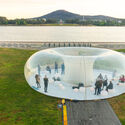
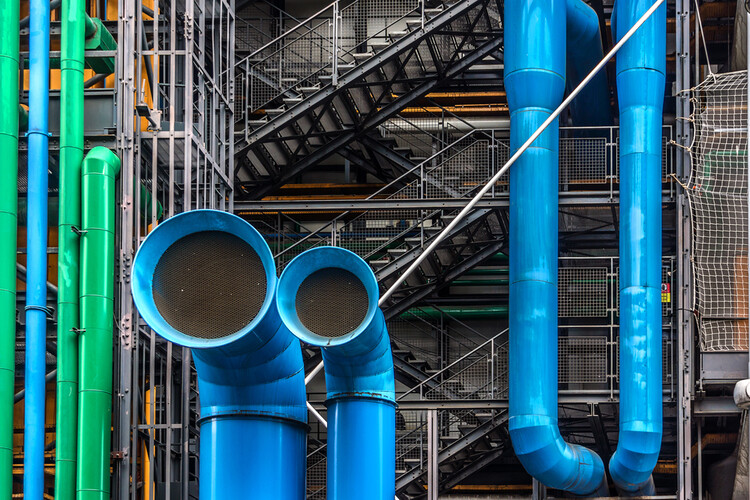
Architecture as a Platform: What Makes a Building Evolve? - Image 1 of 4Architecture as a Platform: What Makes a Building Evolve? - Image 2 of 4Architecture as a Platform: What Makes a Building Evolve? - Image 3 of 4Architecture as a Platform: What Makes a Building Evolve? - Image 4 of 4Architecture as a Platform: What Makes a Building Evolve? - More Images+ 2

The City as Interface: How Legible Cities Rethink Wayfinding Using UX Design

Design disciplines, like user experience (UX) design, have evolved to excel at devising experiences that make digital interfaces navigable. They accomplish this through a deep understanding of user needs and by mapping user journeys with meticulous attention to detail. The city represents a physical interface experienced by multiple users - residents, tourists, people of various ages and genders each experiencing it uniquely. In a time where digital interfaces are crafted for frictionless user experiences, why do many cities remain challenging to navigate?

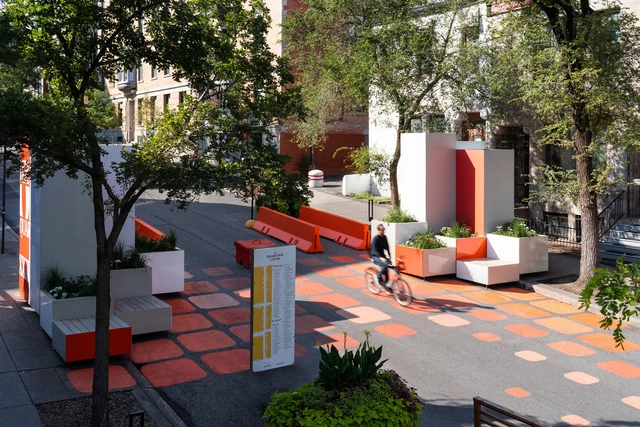
The City as Interface: How Legible Cities Rethink Wayfinding Using UX Design - Image 1 of 4The City as Interface: How Legible Cities Rethink Wayfinding Using UX Design - Image 2 of 4The City as Interface: How Legible Cities Rethink Wayfinding Using UX Design - Image 3 of 4The City as Interface: How Legible Cities Rethink Wayfinding Using UX Design - Image 4 of 4The City as Interface: How Legible Cities Rethink Wayfinding Using UX Design - More Images+ 5

The Employee Experience: Designing Workplaces from User Research

Subscriber Access | 

The average person spends approximately 90,000 hours, equivalent to one-third of a lifetime, at work. The workplace can be a second home to adults, and spending multiple hours has fueled a longstanding desire for change within the workplace. Over the decades, various factors, including pandemics, economic crises, and changing generational preferences, have impacted the nature of work and the places people work in. The recent phenomena of the Great Resignation and the widespread adoption of remote and hybrid work arrangements have accelerated the transformation of workplaces. In response, organizations are increasingly prioritizing the overall employee experience, recognizing the need to create environments that accommodate evolving work structures while fostering satisfaction, engagement, and well-being among their workforce.

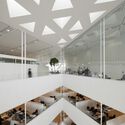
The Employee Experience: Designing Workplaces from User Research  - Image 1 of 4The Employee Experience: Designing Workplaces from User Research  - Image 2 of 4The Employee Experience: Designing Workplaces from User Research  - Image 3 of 4The Employee Experience: Designing Workplaces from User Research  - Image 4 of 4The Employee Experience: Designing Workplaces from User Research  - More Images

Human-Centered Design: What Architects Can Learn from UX Designers

Subscriber Access | 

The architectural practice has always been rooted in what people now call “human-centered design”. The term, coined by Irish engineer Mike Cooley in his 1987 publication “Human-Centred Systems” describes a design approach around identifying people’s needs and solving the right problem with simple interventions. Architecture balances between being aesthetic art and practical design. With multiple collaborators and goals for the project, the needs of the end-user often get compromised in the design process. To help architects better design for people, new methodologies may be inspired by human-centered design techniques developed by user experience (UX) designers.

Human-Centered Design: What Architects Can Learn from UX Designers  - Image 1 of 4Human-Centered Design: What Architects Can Learn from UX Designers  - Image 2 of 4Human-Centered Design: What Architects Can Learn from UX Designers  - Image 3 of 4Human-Centered Design: What Architects Can Learn from UX Designers  - Image 4 of 4Human-Centered Design: What Architects Can Learn from UX Designers  - More Images+ 4

Manuel Lima on How Data Visualization Can Shape Architecture and Cities

Manuel Lima is a designer, researcher and author well known for his work on visualizing and mapping complex networks. A Fellow of the Royal Society of Arts, he was named one of the "50 Most Creative and Influential Minds" by Creativity magazine, and is both the founder of VisualComplexity.com and a Senior UX Manager at Google.

We talked with Lima to find out his thoughts on the connection between data visualization and architecture. The following conversation explores his inspirations and process, as well as his views on how data visualization can help improve the quality of our cities.

The Problem with the “Designification” of Health Care

A wave of service providers and clinics is using catchy branding and interior design to attract patients frustrated with old-guard medical facilities. But is further commodification of health care the answer?

A few years ago I signed up for Oscar health insurance. Cofounded in 2012 by Joshua Kushner and headquartered in New York City, it was the health-care plan most of my similarly freelance friends used. Plus, if you lived in Brooklyn, as I did at the time, you could easily visit its Oscar Center, a primary-care space in a warehouse loft that also boasted the offices of literary magazines. I went in for a checkup, feeling slightly nervous as with any doctor appointment, but was surprised when I opened the door onto a spacious, minimalist, wood-floored, primary-colored office installed with glass walls and snake plants. There was even a yoga room adorned with the decal “Let the Healing Begin.”

Why a Career in UX Design is Perfect for Dissatisfied Architects

Subscriber Access | 

This article by Gavin Johns was originally published on Medium as "Architects, stop everything and pursue a career in UX."

As an architect turned user experience (UX) designer I have many strong opinions about both my former and my current profession. But in short, I am now enjoying greener pastures, getting the fulfillment I expected while studying architecture but the profession didn’t provide.

Many like-minded architects ask me when and why I decided to transition into software. This puts me in the unusual position of praising the initial skill-set achieved by studying architecture, while promoting departure from it. That said, I have a very abstract definition of architecture, and believe if you have the interest to pursue any other design discipline, you’ll be successful. This guide is intended for those driven and curious architects who are looking for a change.