1. ArchDaily
  2. Urban Typologies

Urban Typologies: The Latest Architecture and News

How Environments Shape Outdoor Dining Spaces: 24 Architectural Approaches

Subscriber Access | 

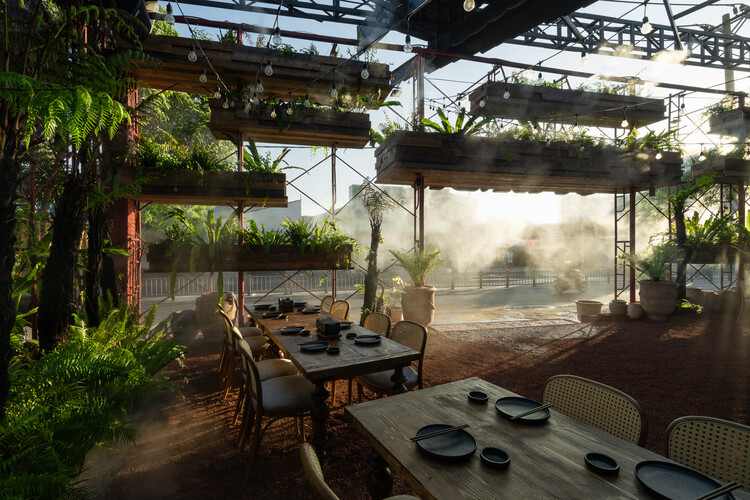
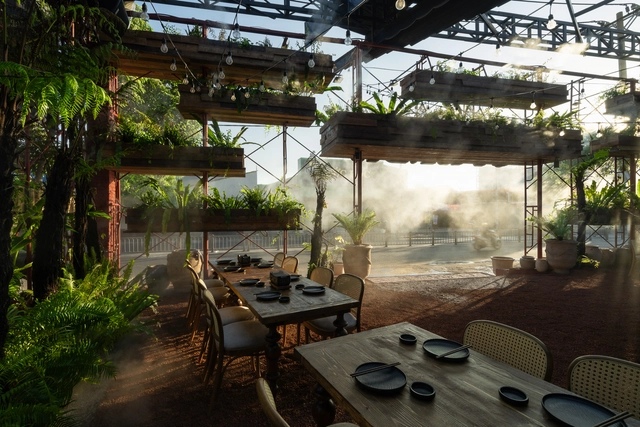
Outdoor terraces occupy a familiar threshold in cities around the world, operating as social rooms that sit between interior space and open air to host rituals of daily life. People meet to share a drink, watch the street's movement, or pause before returning to their routines. These places serve as cultural settings as much as commercial ones, revealing how hospitality and public life intersect to shape the city's character.

Climate influences these spaces more directly than almost any other design force, shaping how terraces function and how people inhabit them. Sun, wind, rain, and humidity guide decisions about orientation, shading, openness, and material selection. Each terrace becomes a negotiated space between human comfort and environmental pressure, and this negotiation can be read in every enclosure, surface, and spatial boundary.


How Environments Shape Outdoor Dining Spaces: 24 Architectural Approaches - Image 1 of 4How Environments Shape Outdoor Dining Spaces: 24 Architectural Approaches - Image 2 of 4How Environments Shape Outdoor Dining Spaces: 24 Architectural Approaches - Image 3 of 4How Environments Shape Outdoor Dining Spaces: 24 Architectural Approaches - Image 4 of 4How Environments Shape Outdoor Dining Spaces: 24 Architectural Approaches - More Images+ 35

Shifting Sediments: Rivers as an Architectural and Cultural Catalyst

Subscriber Access | 

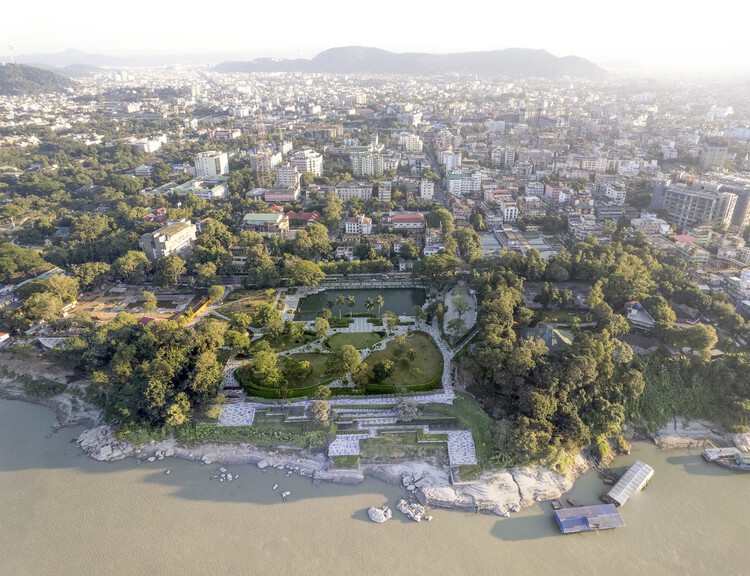
Rivers generate a distinct typology of architecture bound by design threads of material practice, environmental adaptation, cultural symbolism, and imagination. Each river system produces a unique ecosystem where water, soil, vegetation, and settlement converge to form a living network. Designing within this environment requires a capacity to read movement rather than resist it, to build on uncertain ground, and to understand permanence as a balance in motion. Unlike the fixed horizon of the sea, the river is never still. It teaches architects to think in gradients rather than boundaries, and to design as part of an evolving landscape.

Shifting Sediments: Rivers as an Architectural and Cultural Catalyst - Image 1 of 4Shifting Sediments: Rivers as an Architectural and Cultural Catalyst - Image 2 of 4Shifting Sediments: Rivers as an Architectural and Cultural Catalyst - Image 3 of 4Shifting Sediments: Rivers as an Architectural and Cultural Catalyst - Image 4 of 4Shifting Sediments: Rivers as an Architectural and Cultural Catalyst - More Images+ 8

Behind the Scenes, On Display: Self-Curated Journeys through the Museum Archive

The museum and gallery visit has long been a highly curated experience. Visitors are guided through a carefully orchestrated sequence of rooms, with hand-picked works arranged to tell a specific narrative, supported by signage, graphics, scenography, and calibrated lighting. Even the rarely changed exhibitions - the permanent collections, also typically rely on a strong curatorial voice— led by noted artists or curators—to set institutional stance and shape interpretation.

At the same time, storage areas for museums and galleries are typically kept separately—often within the same building but under tightly controlled access, and not infrequently off-site in dedicated facilities, such as the Louvre Conservation Centre. These zones have long been understood as highly controlled spaces not only in terms of access, but also in relation to climate, humidity, archival order, handling protocols, maintenance, and repair. For fear of thefts and that the spatial, environmental, and sequencing requirements of the archive could be disturbed, storage has traditionally been somewhat secretive and primarily serves academic researchers and art practitioners by request. Rarely does the general public gain a comprehensive picture of the works safeguarded by any given institution.

Behind the Scenes, On Display: Self-Curated Journeys through the Museum Archive - Image 1 of 4Behind the Scenes, On Display: Self-Curated Journeys through the Museum Archive - Image 2 of 4Behind the Scenes, On Display: Self-Curated Journeys through the Museum Archive - Image 3 of 4Behind the Scenes, On Display: Self-Curated Journeys through the Museum Archive - Image 4 of 4Behind the Scenes, On Display: Self-Curated Journeys through the Museum Archive - More Images+ 27

More Than Parking: 12 Projects to Reclaim Urban Space

Subscriber Access | 

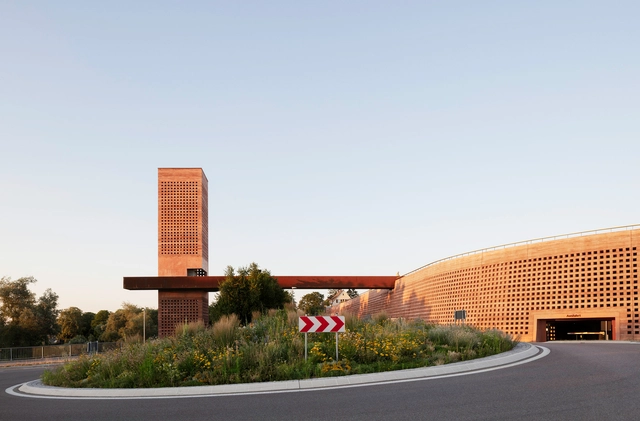
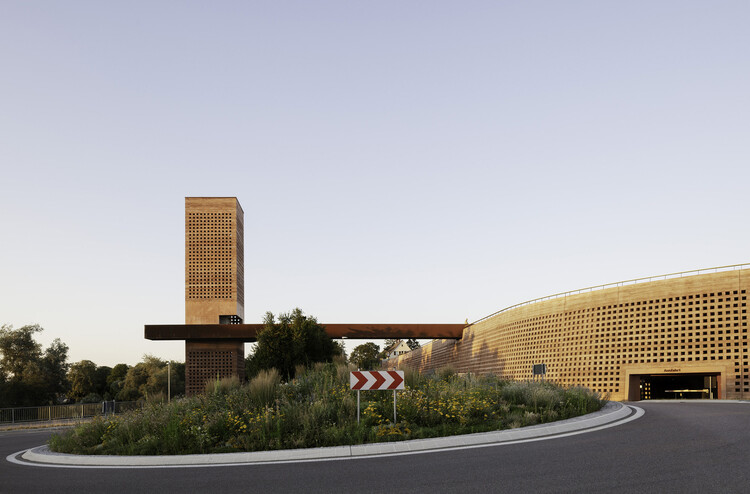
Marginalized in architectural discourse and often dismissed as purely functional, parking garages remain among the most ubiquitous structures in the urban landscape. Designed to accommodate the needs of private vehicles, they occupy central locations, shape skylines, and consume considerable resources, yet rarely receive the same attention — or architectural care — as cultural institutions, schools, or housing. Despite their prevalence, these buildings tend to fade into the background of daily life, treated as infrastructural necessities rather than as design opportunities.

This is beginning to change. As urban mobility undergoes profound transformations — from the decline of car ownership to the rise of electric vehicles and shared transport systems — the role of parking infrastructure is being redefined. Architects and planners are reimagining garages as adaptable frameworks that integrate public space, ecological functions, and mixed-use programs. These new approaches challenge the perception of parking as a residual typology and instead position it as a civic structure with the potential to support more inclusive, flexible, and sustainable urban models.

More Than Parking: 12 Projects to Reclaim Urban Space - Image 1 of 4More Than Parking: 12 Projects to Reclaim Urban Space - Image 2 of 4More Than Parking: 12 Projects to Reclaim Urban Space - Image 3 of 4More Than Parking: 12 Projects to Reclaim Urban Space - Image 4 of 4More Than Parking: 12 Projects to Reclaim Urban Space - More Images+ 26

Unfolding Privacy: Centering the Home Around the Courtyard

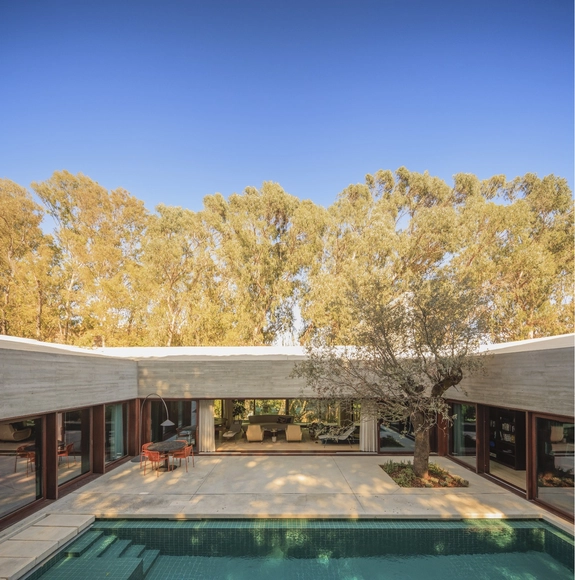
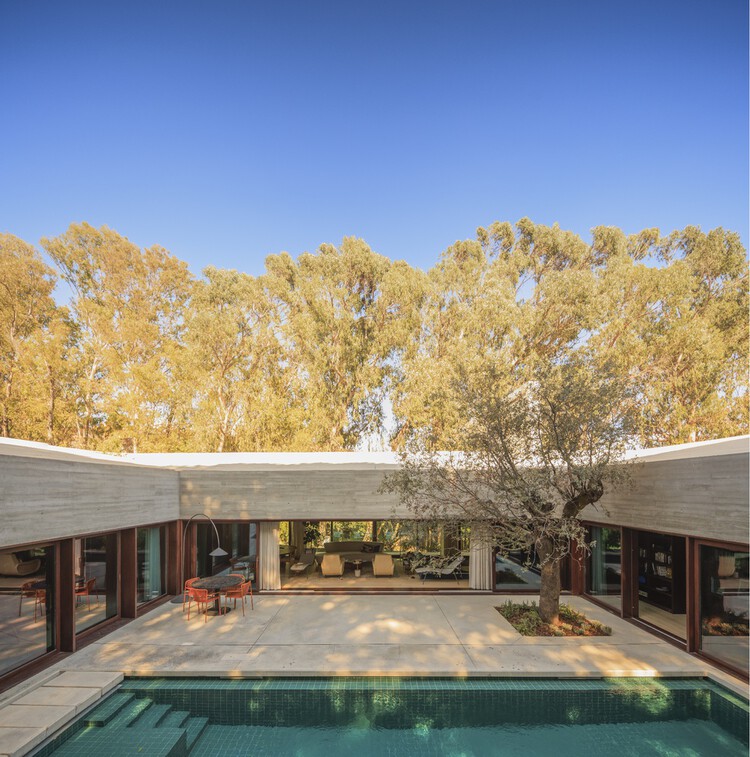
Patio houses embody one of the most enduring architectural typologies, encapsulating the duality of openness and seclusion while nurturing a profound connection with nature. While the term is also used in contemporary American real estate to describe low-maintenance, single-story dwellings on small lots, its classic architectural meaning refers to an introverted design organized around a private, central courtyard. It is this traditional form, the subject of this article, that traces its origins back thousands of years. Patio houses emerged independently in various regions, responding universally to fundamental human needs: privacy, climatic adaptability, and spatial coherence. Despite diverse geographic and cultural expressions, the core principles of introversion, controlled openness, and environmental sensitivity remain remarkably consistent throughout the evolution of this typology.

Unfolding Privacy: Centering the Home Around the Courtyard - Image 1 of 4Unfolding Privacy: Centering the Home Around the Courtyard - Image 2 of 4Unfolding Privacy: Centering the Home Around the Courtyard - Image 3 of 4Unfolding Privacy: Centering the Home Around the Courtyard - Image 4 of 4Unfolding Privacy: Centering the Home Around the Courtyard - More Images+ 53

Courtyardism: A Vision for a More Balanced Urban Future in the Greater Bay Area by Wang Weijen Architecture

Situated in one of the fastest-developing regions over the past decade—the southern part of China, including Hong Kong and the Greater Bay Area—urban growth has been driven by an overwhelming wave of commercial ambition. Projects here are often designed for maximum density, height, and efficiency, resulting in developments of enormous scale that can easily span several acres. Prioritizing transit-oriented development, these complexes frequently take the form of sprawling malls built directly above major transportation hubs. Designed to disorient and prolong foot traffic to encourage economic activities, these mega-structures have become commonplace in cities like Hong Kong and Shenzhen.

While this typology of megastructures offers clear advantages—economic efficiency, high development returns, and convenience for transit users—it almost invariably ignores its urban context and environment. These developments often turn a blind eye, deliberately so, to their environmental footprint and the city's walkability. At such overwhelming scales, the human walking experience is diminished, if not outright neglected. Pedestrians become interiorized—trapped within the insulated world of these complexes.

Courtyardism: A Vision for a More Balanced Urban Future in the Greater Bay Area by Wang Weijen Architecture - Image 1 of 4Courtyardism: A Vision for a More Balanced Urban Future in the Greater Bay Area by Wang Weijen Architecture - Image 2 of 4Courtyardism: A Vision for a More Balanced Urban Future in the Greater Bay Area by Wang Weijen Architecture - Image 3 of 4Courtyardism: A Vision for a More Balanced Urban Future in the Greater Bay Area by Wang Weijen Architecture - Image 4 of 4Courtyardism: A Vision for a More Balanced Urban Future in the Greater Bay Area by Wang Weijen Architecture - More Images+ 26

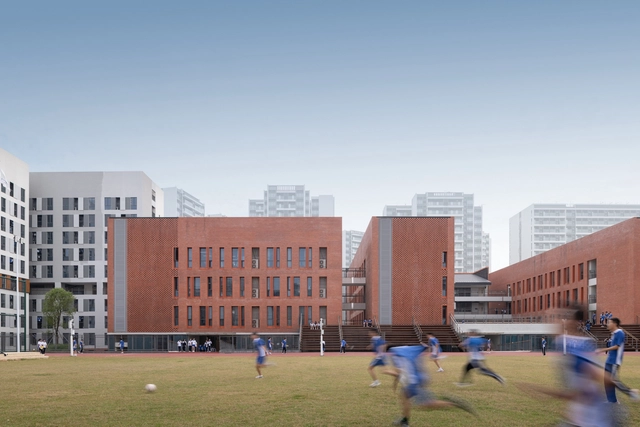
Inclusion, Encounter, and Creativity in Public Spaces: The Role of Skateboarding in the Pursuit of Urban Wellbeing

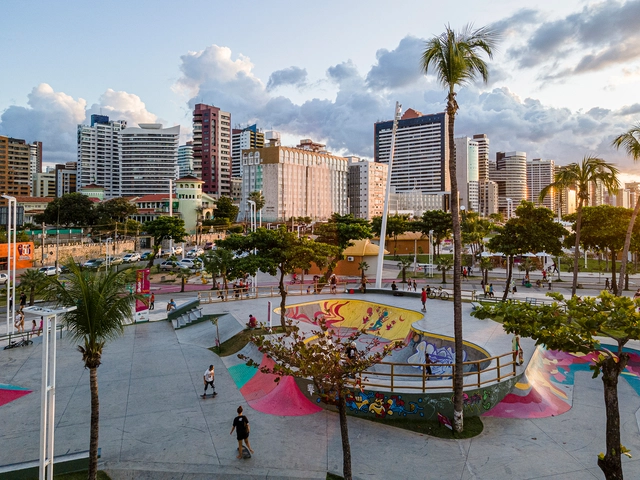
How is it possible to achieve emotional well-being in public spaces? What role do public spaces play in promoting urban well-being? Considering that sports practices can be a vital component in creating healthy public spaces, skateboarding, one of the most globally recognized urban activities, offers an alternative for building opportunities for the physical, recreational, social, cultural, and even professional development of multiple generations.

Inclusion, Encounter, and Creativity in Public Spaces: The Role of Skateboarding in the Pursuit of Urban Wellbeing - Image 1 of 4Inclusion, Encounter, and Creativity in Public Spaces: The Role of Skateboarding in the Pursuit of Urban Wellbeing - Image 2 of 4Inclusion, Encounter, and Creativity in Public Spaces: The Role of Skateboarding in the Pursuit of Urban Wellbeing - Image 3 of 4Inclusion, Encounter, and Creativity in Public Spaces: The Role of Skateboarding in the Pursuit of Urban Wellbeing - Image 4 of 4Inclusion, Encounter, and Creativity in Public Spaces: The Role of Skateboarding in the Pursuit of Urban Wellbeing - More Images+ 23

Types of Urban Blocks: Different Ways of Occupying the City

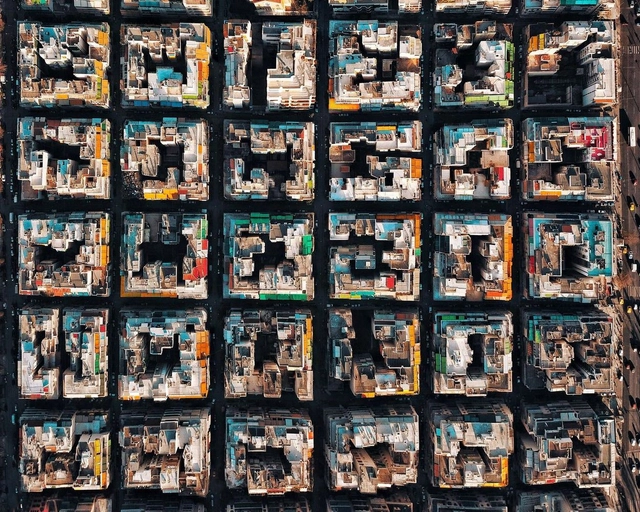
Urban blocks can be defined as the space within the street pattern of a city that is subdivided into land lots for the construction of buildings. This morphological element has been shaped according to the current views on urban design and its expectations over the centuries. It may consist of a single building structure or an area with several buildings that vary in size, detached structures surrounded by nature, or intricate labyrinths. Regardless of the composition, an urban block is the basic unit of a city's urban fabric and plays an important role in mediating between the public and private spheres.

Types of Urban Blocks: Different Ways of Occupying the City - Image 1 of 4Types of Urban Blocks: Different Ways of Occupying the City - Image 2 of 4Types of Urban Blocks: Different Ways of Occupying the City - Image 4 of 4Types of Urban Blocks: Different Ways of Occupying the City - Image 10 of 4Types of Urban Blocks: Different Ways of Occupying the City - More Images+ 10

Courtyards: The Heart of Multi-Generational Houses in India

Subscriber Access | 

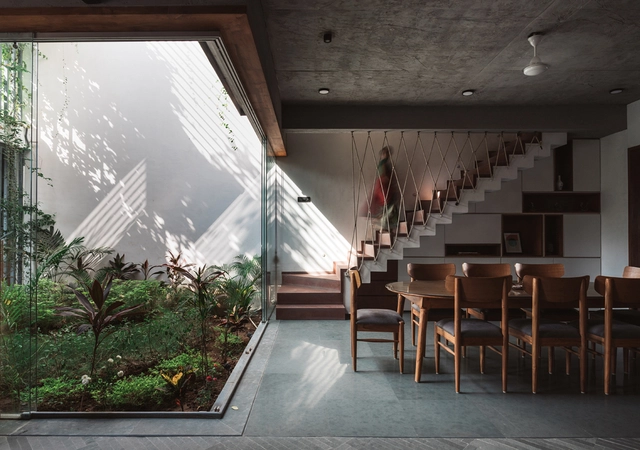
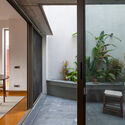
Residential architecture in India is a direct reflection of the ethnic practices and lifestyles led by its diverse citizens. The earliest houses were developed as units of larger community-centric settlements. The architecture of Indian residences is deeply enmeshed with cultural values - usually centering on the ideas of family and community relationships. A single home often shelters a large joint family and meets the needs of various age groups under one roof. Multigenerational living demands a unique spatial syntax to foster connections.

Courtyards: The Heart of Multi-Generational Houses in India  - Image 1 of 4Courtyards: The Heart of Multi-Generational Houses in India  - Image 2 of 4Courtyards: The Heart of Multi-Generational Houses in India  - Image 3 of 4Courtyards: The Heart of Multi-Generational Houses in India  - Image 4 of 4Courtyards: The Heart of Multi-Generational Houses in India  - More Images+ 4

"Architecture Can Be the Vehicle to Change How We Think About Traditional Typologies": In Conversation with BIG Partner, João Albuquerque

Subscriber Access | 

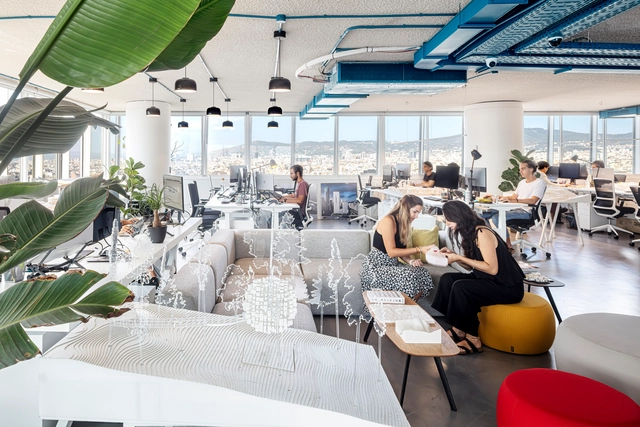
Keen to shape buildings and cities in Southern Europe, BIG has opened its latest office in Barcelona, Spain. Led by partner, João Albuquerque, the studio is seeking to create positive change and integrate into the city and the Spanish community. With a couple of projects spanning from the west to the east of the Mediterranean region, most notably Farfetch, and Fuse Valley campus in Portugal, the Joint Research Center in Sevilla for the European Commission, and the Gastronomy Open Ecosystem for Basque Culinary Center, BIG Barcelona is in constant evolution.

ArchDaily had the chance to talk to BIG Barcelona Partner João Albuquerque about the inception of the Barcelona office, his journey at BIG, and the firm's upcoming projects and involvement within the Spanish and Southern European markets.

"Architecture Can Be the Vehicle to Change How We Think About Traditional Typologies": In Conversation with BIG Partner, João Albuquerque - Image 1 of 4"Architecture Can Be the Vehicle to Change How We Think About Traditional Typologies": In Conversation with BIG Partner, João Albuquerque - Image 2 of 4"Architecture Can Be the Vehicle to Change How We Think About Traditional Typologies": In Conversation with BIG Partner, João Albuquerque - Image 3 of 4"Architecture Can Be the Vehicle to Change How We Think About Traditional Typologies": In Conversation with BIG Partner, João Albuquerque - Image 4 of 4Architecture Can Be the Vehicle to Change How We Think About Traditional Typologies: In Conversation with BIG Partner, João Albuquerque - More Images+ 25

In Praise of 5-Over-1 Buildings

Subscriber Access | 
In Praise of 5-Over-1 Buildings - Featured Image
Titan Court, Eugene, OR., photo by Christian Columbres Photography, courtesy of Robertson/Sherwood/Architects pc.

This article was originally published on Common Edge.

Although it was originally published in 2019, this essay by Randy Nishimura, lightly updated, serves as a rebuttal of sorts to Duo Dickinson’s recent Common Edge piece, “The Architectural Pandemic of the ‘Stick Frame Over Podium’ Building.” Dickinson likens the building type to a plague; Nishimura offers a contrarian’s perspective.

A recent spate of articles bemoaning the proliferation of 5-over-1 apartment buildings caught my attention. Outlets such as Bloomberg, Common Edge, Crosscut, and Curbed have all commented on the building type, the common thread being a reproach for their ubiquity, sameness, and inexpensive construction. Some of the critiques rightfully point to the confluence of multiple factors—evolving building codes, a lack of developable land, rising construction costs, and an acute lack of affordable housing—that have given rise to countless examples of the type across the country. The same dynamics are in play here in my hometown of Eugene, Oregon, so we naturally have our share of 5-over-1 developments.

Contemporary Social Housing in China: Playing with the Constraints

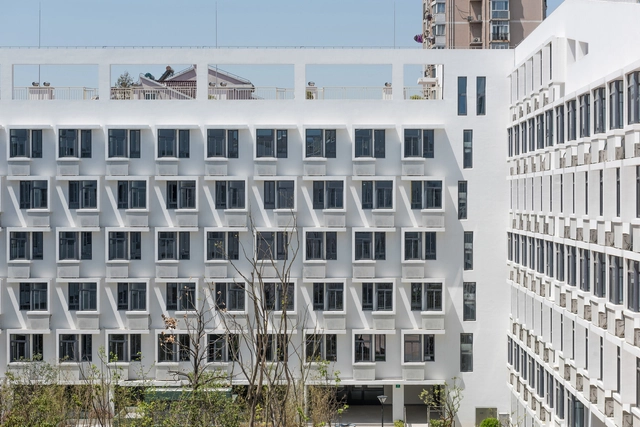
Saskia Sassen, the Robert S. Lynd Professor of Sociology at Columbia University, predicts in her co-authored book “The Quito Papers and the New Urban Agendathat, in the future cities will become our crucial battlefield as we continue to fight against gentrification and growing degree of isolation in our communities. Sassen argues that, “Cities should be an inclusive space for both the affluent and the poor. Nevertheless, in reality our cities never achieved equality for all, because our cities were never designed that way. Still cities ought not to be a place that tolerates inequality or injustice”.

Photographic Series Captures The Hyper-dense Vertical Graveyards of Hong Kong

Subscriber Access | 

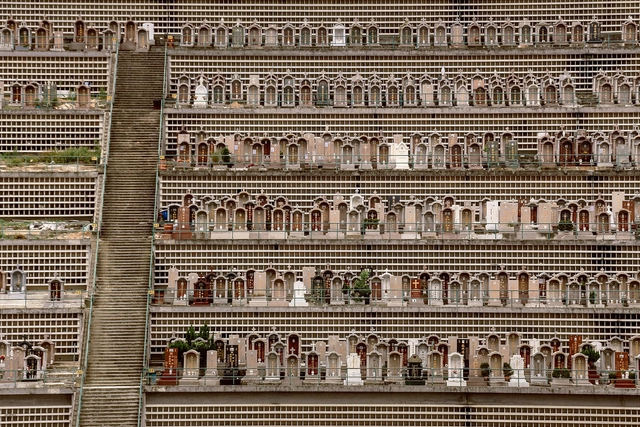
Hong Kong is considered to have one of the most exceptional skylines and urban schemes in the world: contemporary skyscrapers stand amidst the mountains and harbour, ancient houses nestled between futuristic structures, neon lights, landscapes... But among Hong Kong's numerous remarkable architectures, its spatial typology of death is like no other.

Over the course of five years, RIBA-nominated architectural photographer Finbarr Fallon captured the hyper-dense graveyards of Hong Kong, showcasing the sublime geometry of its mountainside burials in a series titled "Dead Space".

Photographic Series Captures The Hyper-dense Vertical Graveyards of Hong Kong - Image 1 of 4Photographic Series Captures The Hyper-dense Vertical Graveyards of Hong Kong - Image 2 of 4Photographic Series Captures The Hyper-dense Vertical Graveyards of Hong Kong - Image 3 of 4Photographic Series Captures The Hyper-dense Vertical Graveyards of Hong Kong - Image 4 of 4Photographic Series Captures The Hyper-dense Vertical Graveyards of Hong Kong - More Images+ 7