1. ArchDaily
  2. UN-HABITAT

UN-HABITAT: The Latest Architecture and News

How Can One Public Space Transform an Entire Neighborhood? UN-Habitat's Model Street Initiative

Subscriber Access | 

The Un-Habitat or the United Nations agency for human settlements and sustainable urban development, whose primary focus is to deal with the challenges of rapid urbanization, has been developing innovative approaches in the urban design field, centered on the active participation of the community. ArchDaily has teamed up with UN-Habitat to bring you weekly news, article, and interviews that highlight this work, with content straight from the source, developed by our editors.

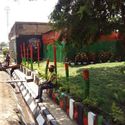
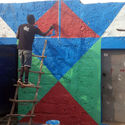
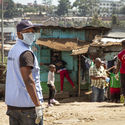
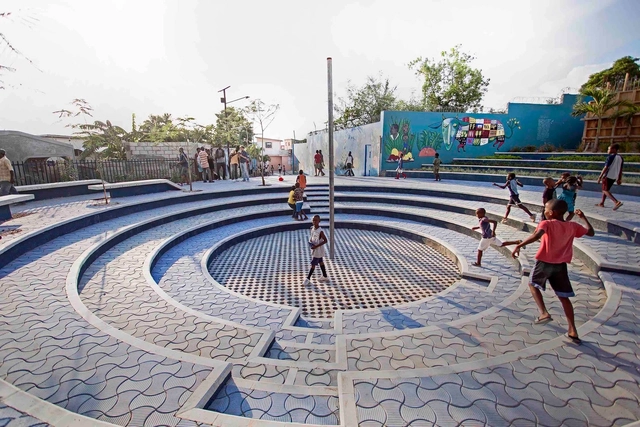
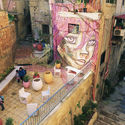
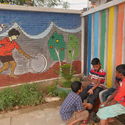
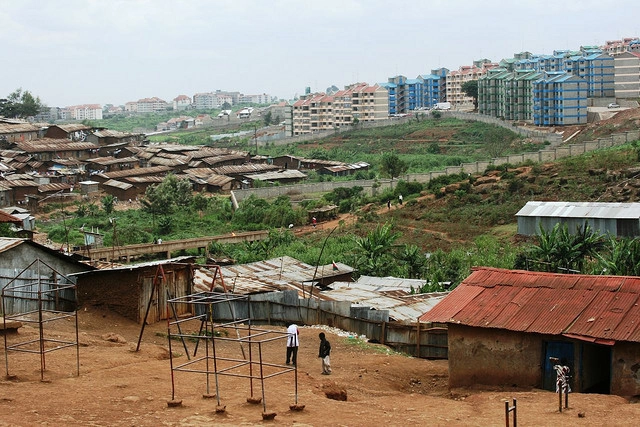
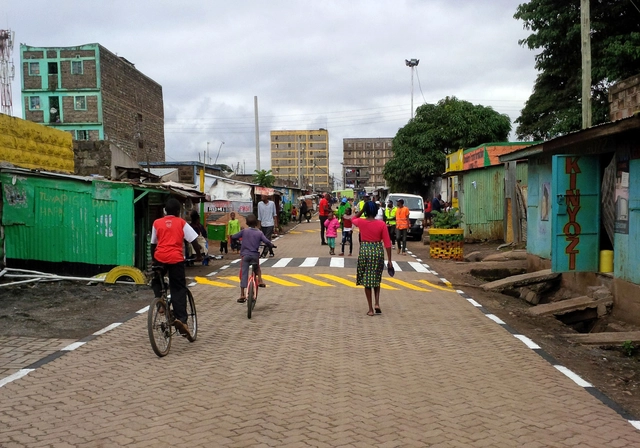
Associated with crime, waste, and garbage, Dandora in Nairobi’s Eastlands is home to 140,000 or so residents. In an on-going collaboration, between local residents and youth groups, UN-Habitat, Making Cities Together Coalition, and the Dandora Transformation League, the Model Street project has been transforming the garbage-filled community spaces into waste-free, attractive, and engaging places. Focusing on improving the shared courtyard spaces of residential compounds, an annual competition led by the youth of the neighborhood, the Changing Faces Challenge, became an initiative mobilizing citizens across Nairobi.
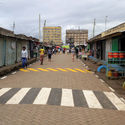
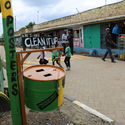
How Can One Public Space Transform an Entire Neighborhood? UN-Habitat's Model Street Initiative  - Image 1 of 4How Can One Public Space Transform an Entire Neighborhood? UN-Habitat's Model Street Initiative  - Image 2 of 4How Can One Public Space Transform an Entire Neighborhood? UN-Habitat's Model Street Initiative  - Image 3 of 4How Can One Public Space Transform an Entire Neighborhood? UN-Habitat's Model Street Initiative  - Image 4 of 4How Can One Public Space Transform an Entire Neighborhood? UN-Habitat's Model Street Initiative  - More Images+ 14

On World Cities Day UN-Habitat Releases 2020 Report on The Value of Sustainable Urbanization

Across the globe, ever since 2014, every year on the 31st of October, World Cities Day is celebrated. To mark this event, UN-Habitat has released its World Cities Report 2020 on the value of sustainable urbanization, focusing on the most up-to-date and pressing topics. Analyzing the intrinsic value of cities in generating economic prosperity, mitigating environmental degradation, reducing social inequality, and building stronger institutions, the report highlights how together these can drive transformative change.

On World Cities Day UN-Habitat Releases 2020 Report on The Value of Sustainable Urbanization - Image 1 of 4On World Cities Day UN-Habitat Releases 2020 Report on The Value of Sustainable Urbanization - Image 2 of 4On World Cities Day UN-Habitat Releases 2020 Report on The Value of Sustainable Urbanization - Image 3 of 4On World Cities Day UN-Habitat Releases 2020 Report on The Value of Sustainable Urbanization - Image 4 of 4On World Cities Day UN-Habitat Releases 2020 Report on The Value of Sustainable Urbanization - More Images+ 7

11 Steps to Achieve Quality Public Spaces at a Neighborhood Level: UN-Habitat's Guideline

Subscriber Access | 

The Un-Habitat or the United Nations agency for human settlements and sustainable urban development, whose primary focus is to deal with the challenges of rapid urbanization, has been developing innovative approaches in the urban design field, centered on the active participation of the community. ArchDaily has teamed up with UN-Habitat to bring you weekly news, article, and interviews that highlight this work, with content straight from the source, developed by our editors.

People all over the world are increasingly demanding a say in the way that their cities are planned and designed”.For our third collaboration, discover UN-HABITAT’s guideline on achieving quality public spaces, a site-specific assessment consisting of a series of activities and tools that help understand the quality of the selected area and plan future design and planning solutions on the site through participatory approaches. Focusing on open public space, within a five minutes walking distance, the guide helps users gather and analyze information, creating a logical transition from needs to design.

11 Steps to Achieve Quality Public Spaces at a Neighborhood Level: UN-Habitat's Guideline - Image 1 of 411 Steps to Achieve Quality Public Spaces at a Neighborhood Level: UN-Habitat's Guideline - Image 2 of 411 Steps to Achieve Quality Public Spaces at a Neighborhood Level: UN-Habitat's Guideline - Image 3 of 411 Steps to Achieve Quality Public Spaces at a Neighborhood Level: UN-Habitat's Guideline - Image 4 of 411 Steps to Achieve Quality Public Spaces at a Neighborhood Level: UN-Habitat's Guideline - More Images+ 9

How to Design Spaces for Kids in Marginalized Areas? 3 Examples from UN-Habitat

Subscriber Access | 

The Un-Habitat or the United Nations agency for human settlements and sustainable urban development, whose primary focus is to deal with the challenges of rapid urbanization, has been developing innovative approaches in the urban design field, centered on the active participation of the community. ArchDaily has teamed up with UN-Habitat to bring you weekly news, article, and interviews that highlight this work, with content straight from the source, developed by our editors.

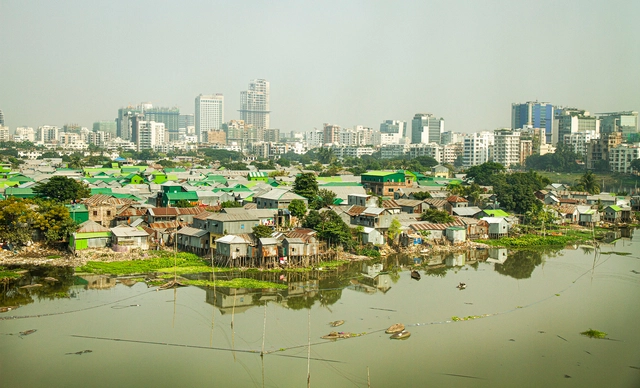
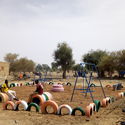
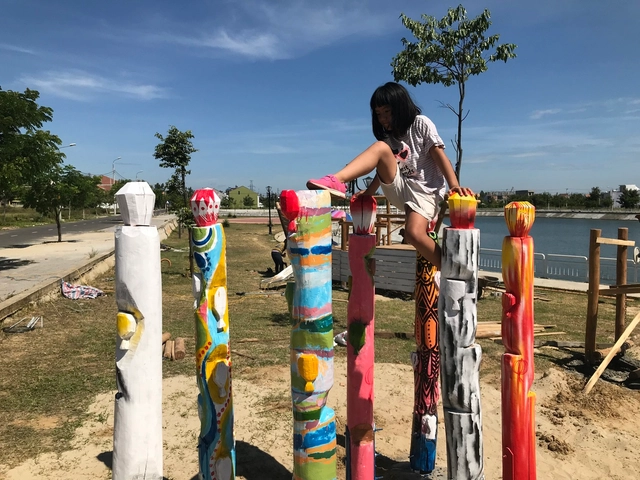
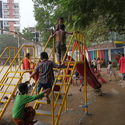
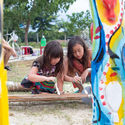
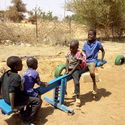
In this second collaboration with UN-Habitat, discover different examples on how to design with and for kids in marginalized areas. In fact, child-responsive planning leads to a vibrant and animated inclusive city. Focusing on spaces for children, this feature highlights cases in Bangladesh, Niger, and Vietnam. These public spaces implementation projects seek to promote environment-friendly livable cities, taking on participatory approaches and involving the youngsters from the beginning of the process. In the end, no one knows the needs of kids, more than the kids themselves.

How to Design Spaces for Kids in Marginalized Areas? 3 Examples from UN-Habitat - Image 1 of 4How to Design Spaces for Kids in Marginalized Areas? 3 Examples from UN-Habitat - Image 2 of 4How to Design Spaces for Kids in Marginalized Areas? 3 Examples from UN-Habitat - Image 3 of 4How to Design Spaces for Kids in Marginalized Areas? 3 Examples from UN-Habitat - Image 4 of 4How to Design Spaces for Kids in Marginalized Areas? 3 Examples from UN-Habitat - More Images+ 30

Lessons from UN-Habitat: How to Design Spaces For and With the People?

The Un-Habitat or the United Nations agency for human settlements and sustainable urban development, whose primary focus is to deal with the challenges of rapid urbanization, has been developing innovative approaches in the urban design field, centered on the active participation of the community. ArchDaily has teamed up with UN-Habitat to bring you weekly news, article, and interviews that highlight this work, with content straight from the source, developed by our editors.

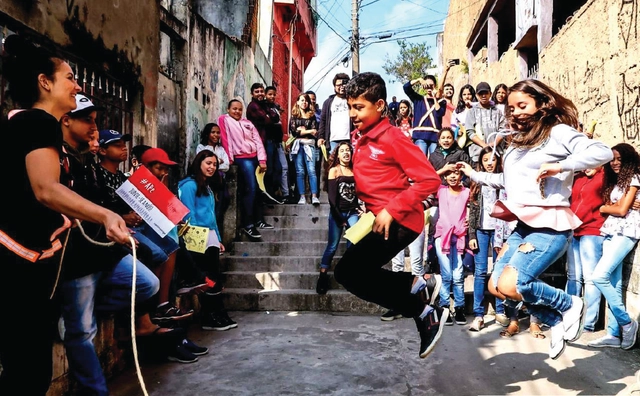
Discover in this feature the first lesson to learn from UN-Habitat, on how to design with and for the people. In order to create great public spaces, the only secret is listening to the community. Questioning “how can we design together”, this article presents cases in Ghana, Brazil, and India, focusing on street, market, and open public spaces implementation projects, where interventions took on participatory approaches and involved local residents from the beginning of the process.

Lessons from UN-Habitat: How to Design Spaces For and With the People? - Image 1 of 4Lessons from UN-Habitat: How to Design Spaces For and With the People? - Image 2 of 4Lessons from UN-Habitat: How to Design Spaces For and With the People? - Image 3 of 4Lessons from UN-Habitat: How to Design Spaces For and With the People? - Image 4 of 4Lessons from UN-Habitat: How to Design Spaces For and With the People? - More Images+ 43

UN-Habitat Promotes Inclusive Planning and Gender Equitable Cities Using Technology

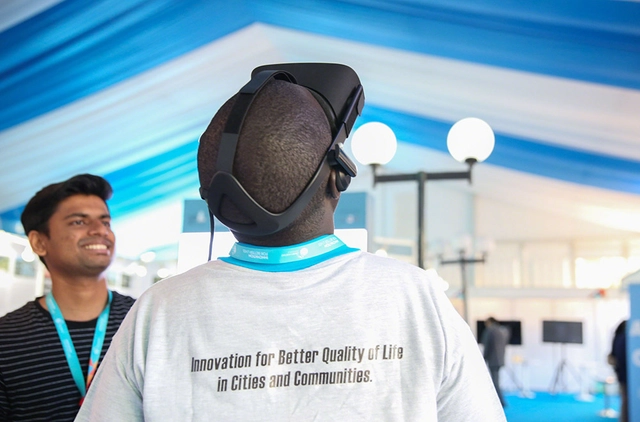
The Un-habitat or the United Nations agency for human settlements and sustainable urban development, whose primary focus is to deal with the challenges of rapid urbanization, has been developing innovative approaches in the urban design field, in order to encourage the active participation especially of children, women and underprivileged individuals.

Call for Submissions: Dubai International Award For Best Practice

The Dubai Municipality and UN-Habitat present the Dubai International Award for Best Practices to Improve the Living Environment. The 2017 Award comes at a critical time; with the New Urban Agenda being signed in October last year, this is a distinct opportunity to show case the most effective interventions for improving the lives of urban residents around the globe.

The Future of Places Forum

The Future of Places Forum, the inspiration for our Ten Ways to Transform Cities through Placemaking & Public Spaces article published earlier this week, will open this June in Stockholm, Sweden. The forum will be hosted by UN-HABITAT, Project for Public Spaces (PPS) and the Ax:son Johnson Foundation and will be the first of three conferences leading up to Habitat III in 2016. Its overall aim is to "contribute to a New Urban Agenda around people and places" and to "highlight how and why cities need to embrace a people centered approach in order to achieve positive urbanization." The conference series will define examples of excellent urban practices from around the world as well as future projects that reflect sustainable and equitable processes which build community, enhance quality of life, and creates safe and prosperous neighborhoods.

Ten Ways to Transform Cities through Placemaking & Public Spaces

In 2011, UN-HABITAT and Project for Public Spaces (PPS) signed a 5-year cooperative agreement to aspire to raise international awareness of the importance of public space in cities, to foster a lively exchange of ideas among partners and to educate a new generation of planners, designers, community activists and other civic leaders about the benefits of what they call the "Placemaking methodology." Their partnership is helping to advance the development of cities where people of all income groups, social classes and ages can live safely, happily and in economic security and in order to reach these ambitious goals, the duo recently released 10 informative steps that cities and communities can take to improve the quality of their public spaces.

To find out what these steps are, read on!