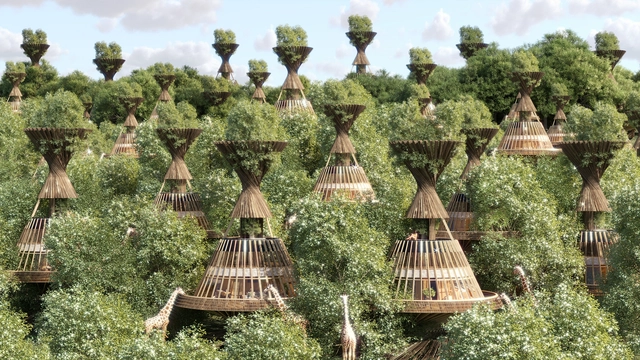
Between the eighteenth and nineteenth centuries, traveling through Rome, Paris, Venice, Florence, and other European cities was considered an essential part of a newly graduated architect's education. At a time when access to photographs and publications was extremely limited, these trips were the primary way to experience architecture up close. In the early twentieth century, Le Corbusier reinterpreted this tradition in his own way: at 23, he embarked on the Voyage d'Orient, passing through the Balkans, Istanbul, and Athens, producing travel notebooks he would return to throughout his life.
Åvontuura Founder Karl van Es with his Architecture Guide to Toronto
Karl van Es spent twenty years as a practicing architect before walking away to solve a problem every architect faces: the resources to travel like a professional simply do not exist. Mainstream guidebooks and travel apps rarely highlight the buildings that truly matter to the architectural community. Åvontuurawas born from that frustration — an independent publisher of illustrated architecture guides created by an architect, for architects. Its latest release, Madrid, maps 70 of the city's most significant buildings, representing a mission to bridge the gap between architectural interest and travel logistics.
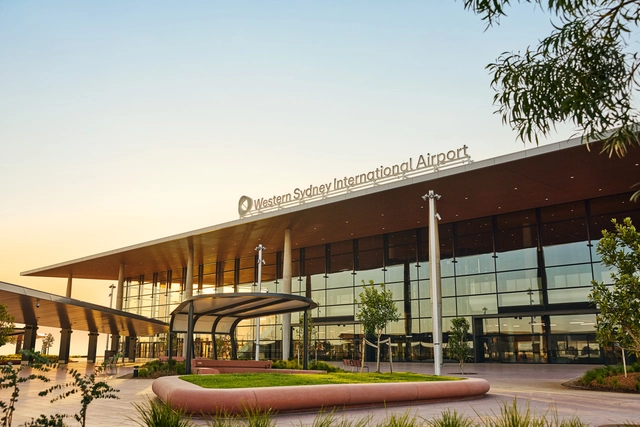
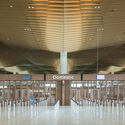
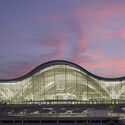
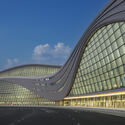
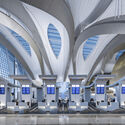
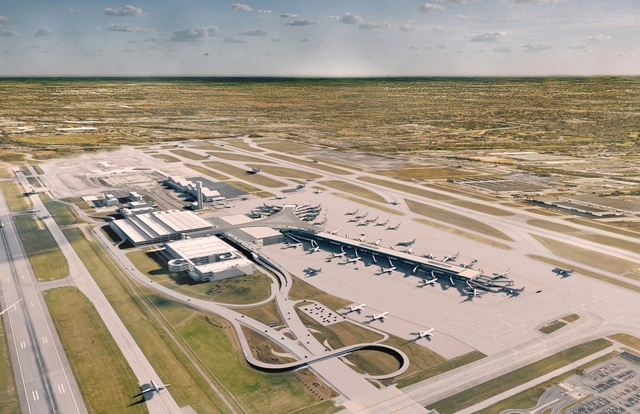
Western Sydney International Airport. Image Courtesy of Western Sydney International Airport
The first photos of the recently completed Western Sydney International (Nancy-Bird Walton) Airport (WSI) have just been unveiled, marking the delivery of Australia's first major airport in over half a century. The design was developed with Zaha Hadid Architects and COX Architecture involved in the initial design concept, and Woods Bagot as the leading design and delivery as part of Multiplex's design team. The terminal presents a new model for airport design, one that is grounded in its setting, responsive to its context, and oriented toward the future of travel. Located in Badgerys Creek on the Cumberland Plain, the terminal is positioned to serve as a long-term gateway to Greater Sydney. While major construction has concluded, final fit-outs of the terminal's retail precinct and airline lounges will be completed closer to the airport's official launch, as commercial agreements continue to progress. Western Sydney International Airport is on track to begin operations, including domestic, international, and air cargo services, in late 2026.
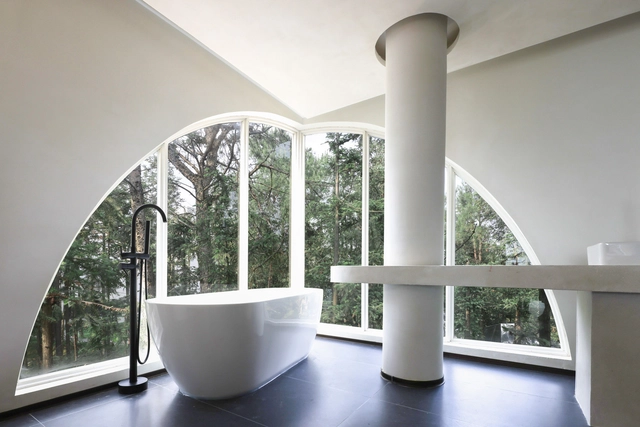
Bathrooms play a significant role in our daily lives, serving multiple functions beyond basic hygiene. Research highlights their importance as relaxation, introspection, and personal wellness spaces. A bathroom's design and comfort can profoundly influence how we begin and end our day, framing our routines with a sense of ease or disruption. When traveling, hotel bathrooms often leave a lasting impression, as a well-designed and thoughtfully executed bathroom can significantly elevate the overall experience of a stay.
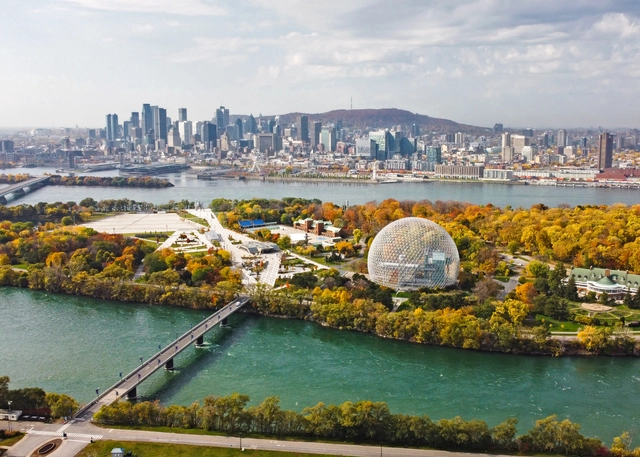
Montreal, located along the Saint Laurent River in Southern Quebec, is Canada’s second-largest city. Often renowned for its architectural diversity, its built environment reflects both its colonial past and modern evolution. As a former territory of "Nouvelle France," French language and culture remain dominant, which has in turn influenced the city's architectural character. Notably, Old Montreal features well-preserved buildings from the 18th and 19th centuries, most of which are a testament to the city’s industrial growth after the construction of the Lachine Canal. The area's heritage has been protected and restored through efforts by figures like Phyllis Lambert and organizations such as Heritage Montreal, allowing the city’s rich architectural history to coexist with its modern developments.
Montreal's multiculturalism is evident in neighborhoods like Little Italy and Little Portugal, with its diversity fueling a vibrant cultural scene. The city hosts a multitude of festivals every year, many held in open-air venues like Place des Festivals. Parc Jean-Drapeau, built for the 1967 World Expo, is another popular spot for large events while offering stunning views of the city skyline. Another relevant site is Mont Royal Hill, a park offering panoramic views of downtown and access to hiking trails, Saint Joseph’s Oratory, Beaver’s Lake, and other areas of architectural interest such as the Plateau.
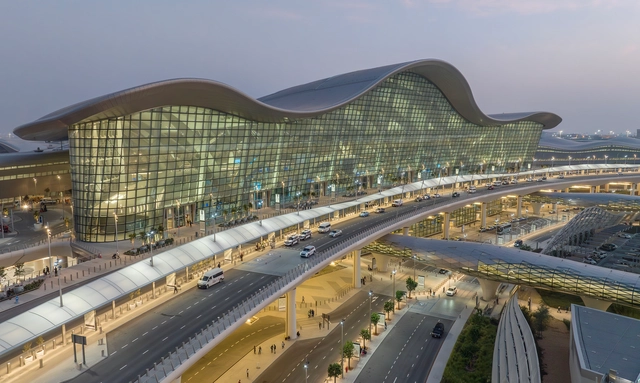
The Abu Dhabi International Airport has been officially renamed Zayed International Airport, Terminal A. Designed and executed by KPF, the revamped complex will accommodate up to 45 million passengers annually, doubling the airport’s capacity. Informed by the desert's natural landscape and Islamic culture's geometric motifs, the terminal was designed considering the Emirate’s surrounding context.
As the fastest-growing metropolitan city in the Midwest region, Columbus is situated amidst Central Ohio’s exciting blend of infrastructure and natural landscape. Columbus and its surroundings are currently undergoing a significant phase of cultural expansion and anticipate a population surpassing 3 million by 2050. In collaboration with Columbus-based Moody Nolan, Gensler has just revealed their design for the new terminal at John Glenn Columbus International Airport in Ohio, a facility to grow the city and support it in reaching these goals of expansion.
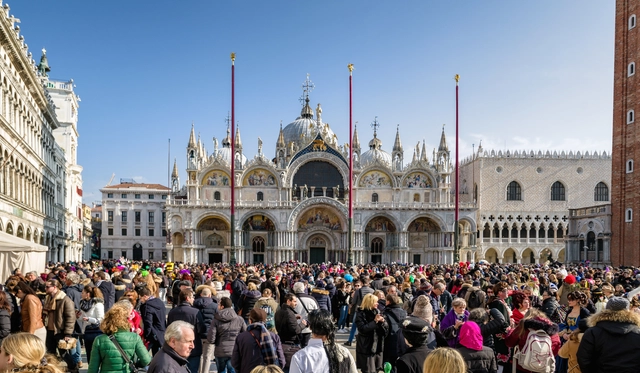
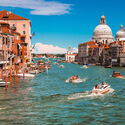
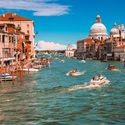
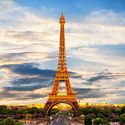
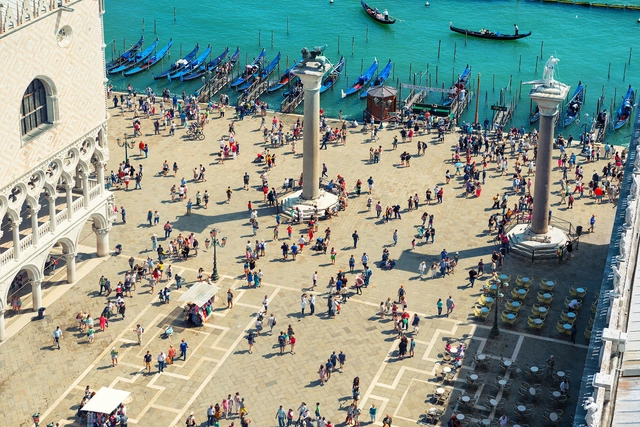
Since pandemic-imposed restrictions have been lifted, Europe has experienced a surge in tourism, with millions of people visiting some of its most attractive destinations, such as Venice, Barcelona or Paris. The large number of visitors has proved to be a challenge for the cities, creating overcrowding and affecting the local population, urban development, and even the natural ecosystems surrounding the urban areas. In a bid to limit this influx, some of Europe’s most popular cities are taking various measures to address the overcrowding and the subsequent social and infrastructural issues. The measures include fines, entrance fees, and time-slot systems to impose some restrictions.
Jingru (Cyan) Cheng . Image Courtesy of Wheelwright Prize
Harvard University Graduate School of Design (GSD) has announced Jingru (Cyan) Cheng as the recipient of the 2023 Wheelwright Prize, a study grant created to support globally-minded research and investigative approaches to contemporary architecture. The winning research project, titled “Tracing Sand: Phantom Territories, Bodies Adrift,” delves into the multifaceted impacts of sand mining and reclamation, understood from cultural, economic, and ecological perspectives. The unassuming material has become an indispensable element for our built environment and human communities, serving as a vital component in the production of glass, concrete, asphalt roads, and artificial land. Yet the process of dredging underwater systems and sand mining leads to the disruption of habitats in a process that simultaneously shapes one habitat while devastating another.
The history of architects designing resorts is intertwined with the development of the hospitality industry and the concept of leisure travel. The origins can be traced back to ancient times when the Romans built luxurious villas and bathhouses as retreats for the wealthy. However, the modern notion of resorts emerged during the 19th century with industrialization and the growing middle class seeking recreational experiences.
At a very high standard of luxury, resort hotels provide an immersive and rejuvenating vacation experience. These resorts are frequently rooted in beautiful landscapes in remote locations, often containing full-service accommodations, offering escapism and complete disconnection. Architects have continued to shape the resort landscape in recent decades with their designs. Sustainability and integration with natural surroundings have gained importance as architects strive to create environmentally conscious and immersive resort experiences.
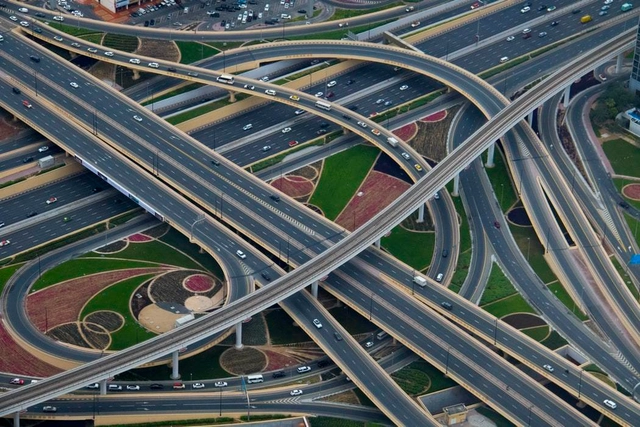
Countries around the world have urban, suburban, and rural problems- and it’s all connected by the problem itself. There are too many highway systems. In some cities that are notoriously known for their traffic jams, like Los Angeles, Minneapolis, and Atlanta, there are almost five miles of road per every 1000 residents. This has also impacted how some forms of public transit, like rail cars and busses, operate, significantly reducing their efficiency. So why do we build these superhighways, and how can we fix their congestion?
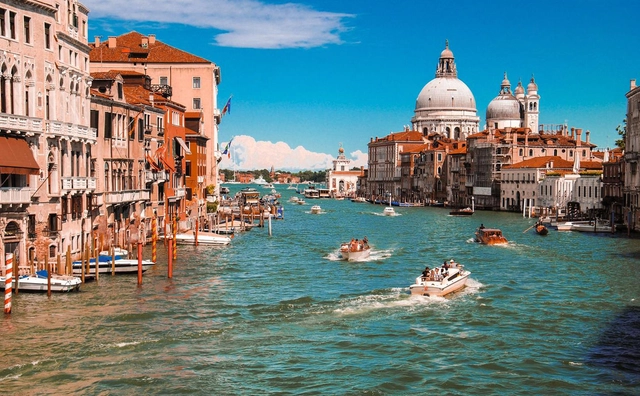
Following several initiatives to tackle the tourism and architectural heritage crisis, Venice authorities have announced that as of January 16th, 2023, visitors will have to book a visiting slot and an entrance fee to see the historic canal city. The newly proposed ticketing system, which is claimed to be the first of its kind in the world, hopes to control its "over-tourism" crisis, a challenge that has been affecting the lagoon's ecosystem, urban development, and local population.
In 1782, Bangkok became the capital of Siam – as Thailand was previously known. Its strategic position within the protective curve of Chao Phraya River to the West and the vast, swampy delta of the Sea of Mud that secured the city to the East was key. King Rama I modeled the new city on what had been the urban reference of Thailand since the 14th century: Ayutthaya, which by 1700 had become the largest city in the world with a total of 1 million inhabitants.
Bangkok progressively saw the construction of temples (wats), schools, libraries and hospitals. However, few other typologies were erected and the city lacked significant paved streets. Instead, the river and a network of interconnected canals served as the transport infrastructure of the city. With time, the floating houses anchored along the riverfront decreased and the pavements spread.
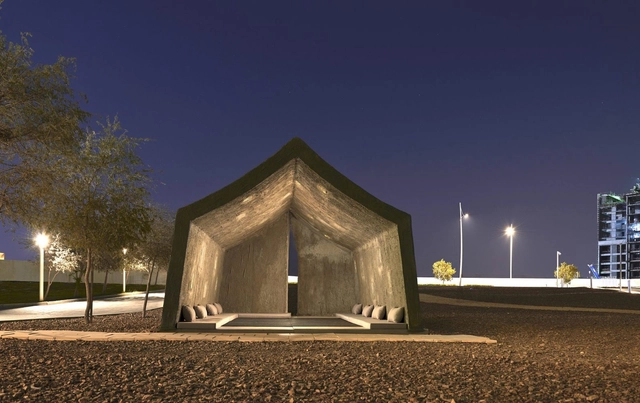
It’s a ubiquitous architectural form. An architectural typology that spans centuries and borders, a staple across cultures. The tent. In its simplest form – it’s a shelter, with material draped over a frame of poles. It’s an architectural language that is intrinsically linked to nomadic living. Yurts, for instance, functions as an easily portable dwelling for the Kazakh and Kyrgyz peoples. At the same time, tents have proved a popular stylistic precedent for architects, the lightweight structures of German architect Frei Paul Otto being a case in point. The tent is a complicated architectural language – one that straddles the line between temporary and permanent, and one that also functions as a symbol of wealth and a symbol of scarcity.
The world of travelling is a multifaceted one. There are the everyday trips one takes for work or school, commuting to a set location during the week, usually within the confines of a city. There are the longer trips too, the trips which usually involve getting into an aeroplane to visit someplace a bit farther from where the traveller usually resides. These trips are frequently done for business purposes, but for those who have the means to afford it, these trips are undertaken for learning and leisure – where the traveller can be defined as a “tourist”.
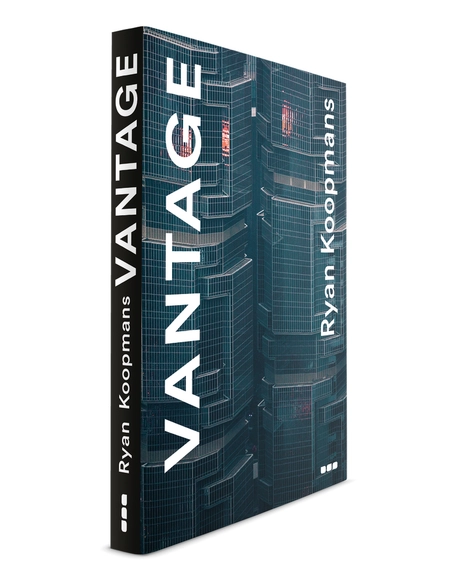
The first monograph of photographer Ryan Koopmans, an award winning Canadian/Dutch photographer whose work is exhibited and published across the world, Vantage explores the earth’s manmade structures, surreal architecture and megacities, evoking the insight and intrigue experienced from a travelling photographer’s perspective. Koopmans’ compelling photographs are presented alongside conversations with political leaders, business tycoons and local residents, providing a timeless vision of our world that is both contemporary and creative.
Since 2000, over 1 million visitors have discovered the more than 190 contemporary gardens created by designers from 15 countries.
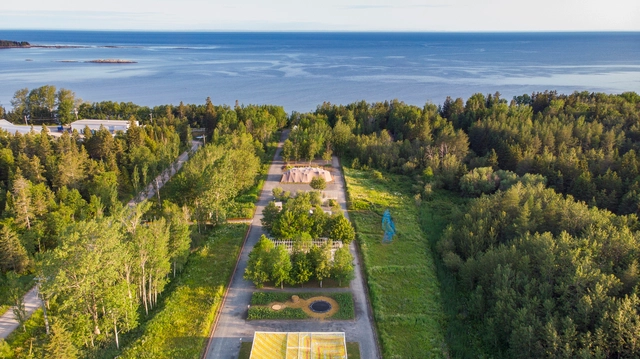
The International Garden Festival, presented at the Jardins de Métis / Reford Gardens in the Gaspésie region of Québec, Canada is preparing its 21st edition and is issuing an international call for proposals to select designers who will create the new temporary gardens that will be presented from June 19, 2020. For its 21st edition, the Festival has chosen Métissages as its theme. Continuing the exploration of new ideas and new realms, the Festival is seeking to connect designers from various fields to favour a crossbreeding of practices and professions.
Everyone wants to travel the world, whether it's to meet new people, taste new food, or visit new places. Travel is consequently an extremely lucrative industry, but tourist destinations are getting more crowded than ever and associated pollution emissions are only worsening the climate emergency.
Why do we travel? In this edition of Editor's Talk, four editors from ArchDaily based in Lebanon, the United States, and Chile share their thoughts on the meaning of travel, and why tourists enjoying a beach in a location like Brazil should also care about the cities they visit.