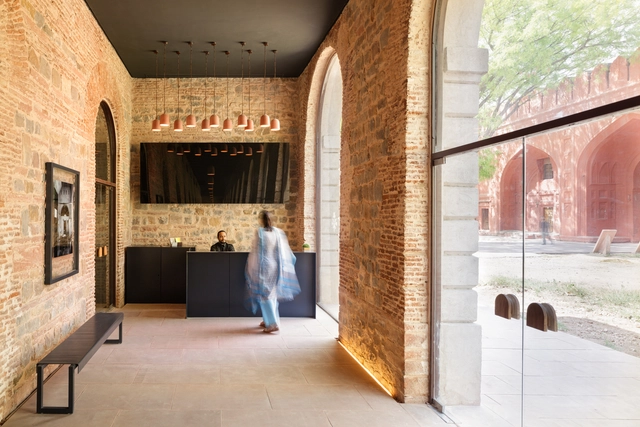
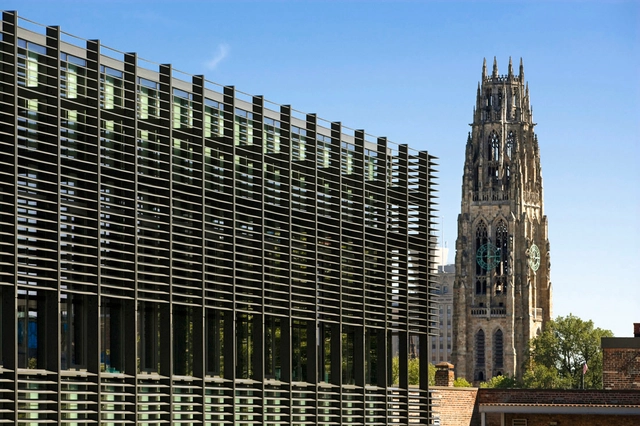
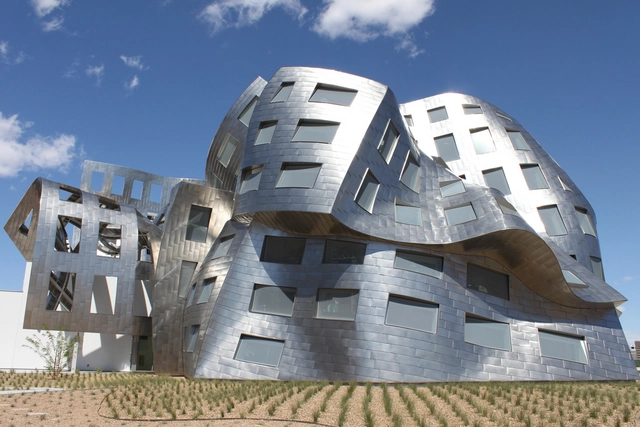
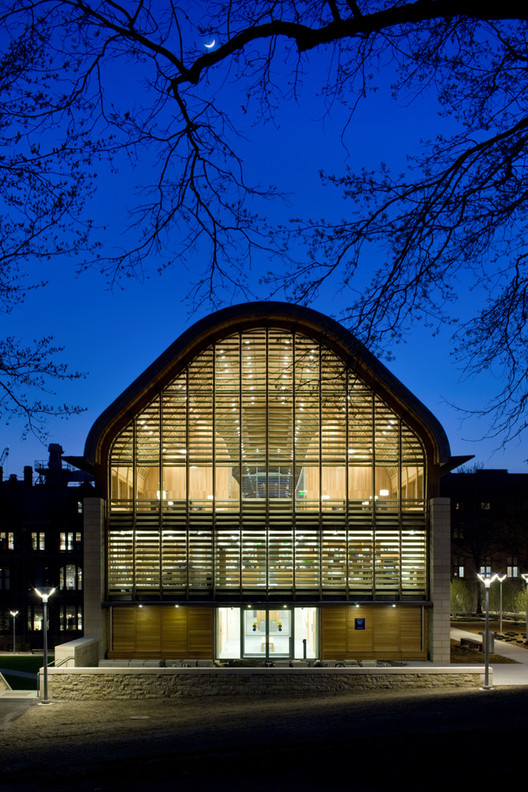
The Indian built environment constantly negotiates ancient traditions, diverse population, and globalized ambitions. When it comes to heritage preservation, these forces often converge to create a distinctive approach to conservation efforts in the country. Beyond the conventional models seen in many parts of the world, India's conservation projects intertwine historical practices, community engagement, and a reverence for the living essence of buildings.
Lithuania's architectural narrative is a mosaic of diverse influences and styles, representing its historical evolution, cultural heritage, and resilience through changing times. Despite a focus on traditional craftsmanship, functional minimalism, and sustainable materials, the country's design language has been profoundly influenced by its geopolitical position and historical events, resulting in a blend of styles from different periods. A key factor that cuts across all expressions, however, is Lithuanian architecture's seamless connection with its natural surroundings.
“The reason that highly designed contemporary architecture almost exclusively manifests in iconic structures is that it’s the only way that investing in design and aesthetic quality can turn a profit.” This is the central assertion of “The Politics of Architecture Are Not a Matter of Taste,” published in Common Edge a couple of weeks ago (and republished as “Hate Contemporary Architecture? Blame Economics, Not Architects” on ArchDaily). Marianela D’Aprile’s impassioned essay takes issue with a Current Affairs piece from October, “Why You Hate Contemporary Architecture,” in which the authors, staff writers Brianna Rennix and Nathan J. Robinson, hate on the current state of the design industry.
Both articles confuse me. “Good buildings recede seamlessly into their surroundings,” Rennix and Robinson claim, but the buildings they praise—figural structures such as London’s St. Paul’s Cathedral and the Moorish palace of The Alhambra—stand out prominently. D’Aprile criticizes the authors’ imprecise use of terminology, but, as the opening passage above shows, her own language can be vague, relying on words such as iconic, ubiquitous shorthand among architects. (If it’s intended to convey “distinctive,” the irony is that most buildings described with that term have a similar sculptural character, so in our mind’s eye they all sort of blend together—the opposite of distinction.) She defines architecture as “buildings that have been designed for construction in the physical world.” Aren’t all buildings constructed “in the physical world”? And are all unrealized designs necessarily relegated to something other than architecture?
Late last month Current Affairs published an essay by Brianna Rennix and Nathan J. Robinson titled “Why You Hate Contemporary Architecture: And if you don’t, why you should.” The piece, written in a pseudo-funny Internet lexicon wherein all objects of criticism are “garbage,” is so laden with irony—the poorest of substitutes for analysis—that it is difficult to discern a core argument. Still, I’d like to question the central premise of the piece: that what the authors term “contemporary architecture” is ugly and oppressive, and that liking it is nothing shy of immoral.
Tensions mounted between modernist and traditionalist camps earlier last month when Paul Finch, UK Chairman for the Commission for Architecture and the Build Environment, praised the fact that modernists had won bids to design buildings for the 2012 Olympics. In response, Robert Adam, member of the Traditional Architecture Group, and Michael Taylor, senior partner at Hopkins, the firm that designed the Olympic velodrome, met for a discussion on hegemony, timeliness, and pastiche moderated by Guardian staffer Lanre Bakare.