1. ArchDaily
  2. traditional housing

traditional housing: The Latest Architecture and News

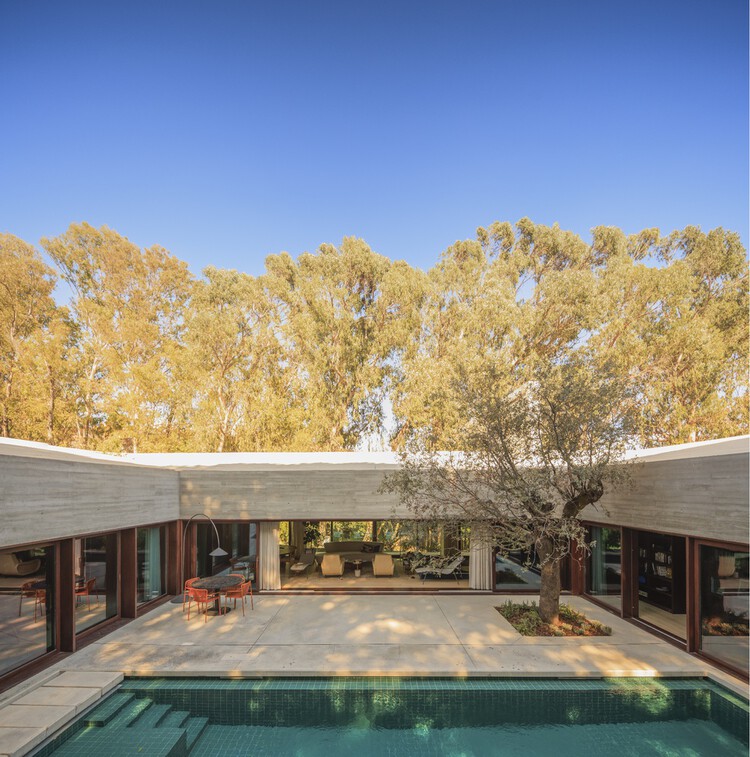
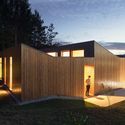
Unfolding Privacy: Centering the Home Around the Courtyard

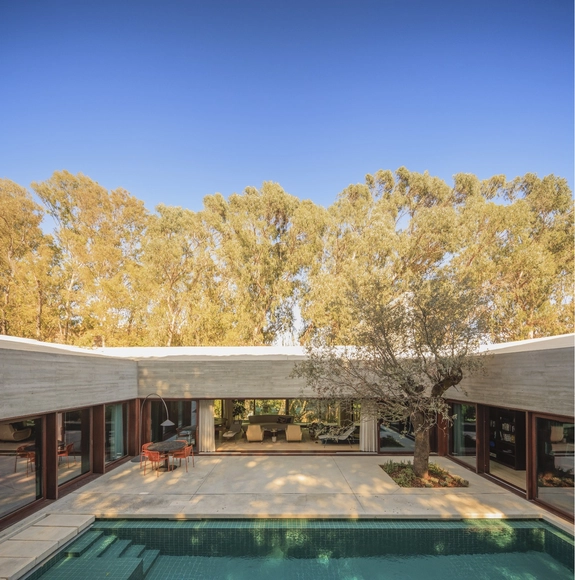
Patio houses embody one of the most enduring architectural typologies, encapsulating the duality of openness and seclusion while nurturing a profound connection with nature. While the term is also used in contemporary American real estate to describe low-maintenance, single-story dwellings on small lots, its classic architectural meaning refers to an introverted design organized around a private, central courtyard. It is this traditional form, the subject of this article, that traces its origins back thousands of years. Patio houses emerged independently in various regions, responding universally to fundamental human needs: privacy, climatic adaptability, and spatial coherence. Despite diverse geographic and cultural expressions, the core principles of introversion, controlled openness, and environmental sensitivity remain remarkably consistent throughout the evolution of this typology.

Unfolding Privacy: Centering the Home Around the Courtyard - Image 1 of 4Unfolding Privacy: Centering the Home Around the Courtyard - Image 2 of 4Unfolding Privacy: Centering the Home Around the Courtyard - Image 3 of 4Unfolding Privacy: Centering the Home Around the Courtyard - Image 4 of 4Unfolding Privacy: Centering the Home Around the Courtyard - More Images+ 53

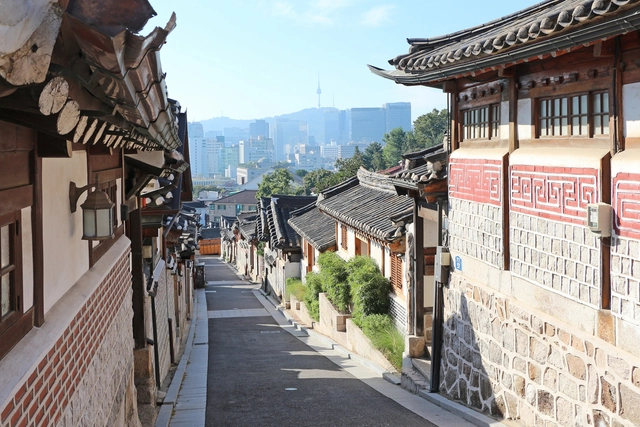
The Korean Hanok: Exploring Traditional Architecture's Environmental Principles

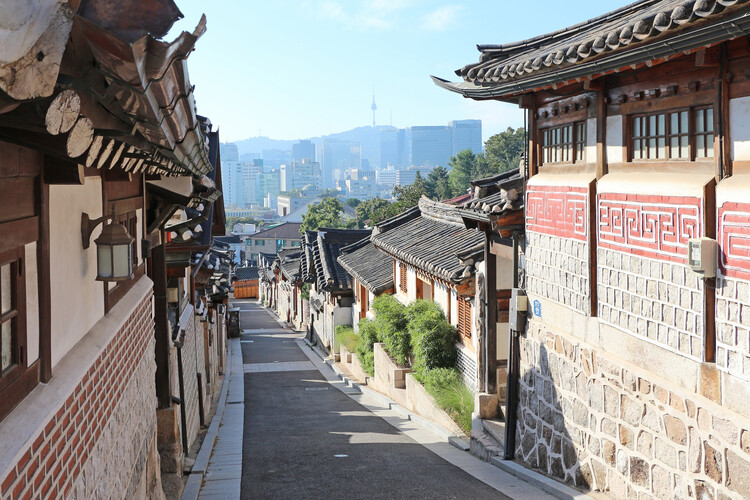
Vernacular architecture often utilizes locally sourced materials and construction practices honed over centuries. This approach raises questions about its potential relevance for contemporary design challenges. The prevalence of high-rise developments globally, often relying on sealed envelopes and mechanical climate control, contrasts with historical architectural practices. Traditionally, regional architectures emerged from local communities, fostering distinct cultural identities and integrating passive systems for ventilation, cooling, and heating, often utilizing natural elements. The Hanok, traditional Korean houses, serve as a case study. Beyond their current role in tourism, they are also an example of how vernacular knowledge can provide passive climate-response strategies that align with the current principles of creating environmentally friendly buildings.

The Korean Hanok: Exploring Traditional Architecture's Environmental Principles - Image 1 of 4The Korean Hanok: Exploring Traditional Architecture's Environmental Principles - Image 2 of 4The Korean Hanok: Exploring Traditional Architecture's Environmental Principles - Image 3 of 4The Korean Hanok: Exploring Traditional Architecture's Environmental Principles - Image 4 of 4The Korean Hanok: Exploring Traditional Architecture's Environmental Principles - More Images+ 4

Building Slovenia: New Housing Projects Rethinking Rural Life

Subscriber Access | 

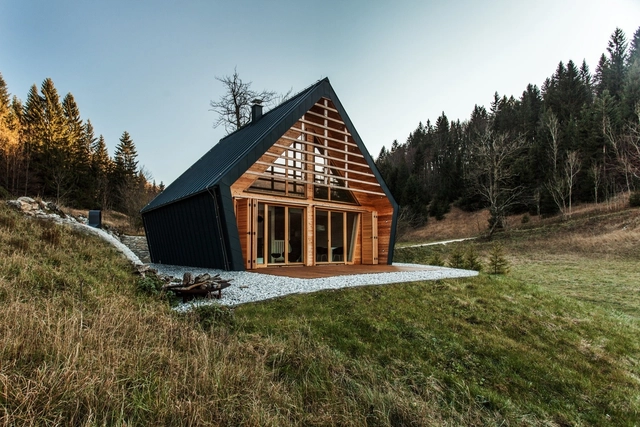
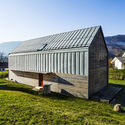
Slovenia has continuously redefined design across rural life. With an architecture that’s intimately tied to the country’s geography, Slovenia emerged as a crossroads of European cultural and trade routes. This produced hybrid building styles and typologies defined by history and exchange. Expanding upon modernist roots and the work of architects like Max Fabiani, Ivan Vurnik, and Jože Plečnik, contemporary building projects are designed through ideas on multiplicity and coupled programming.

Building Slovenia: New Housing Projects Rethinking Rural Life - Image 2 of 4Building Slovenia: New Housing Projects Rethinking Rural Life - Image 3 of 4Building Slovenia: New Housing Projects Rethinking Rural Life - Featured ImageBuilding Slovenia: New Housing Projects Rethinking Rural Life - Image 4 of 4Building Slovenia: New Housing Projects Rethinking Rural Life - More Images+ 6

Short Film Explores the Standardization of Traditional Japanese Housing in Osaka

Subscriber Access | 

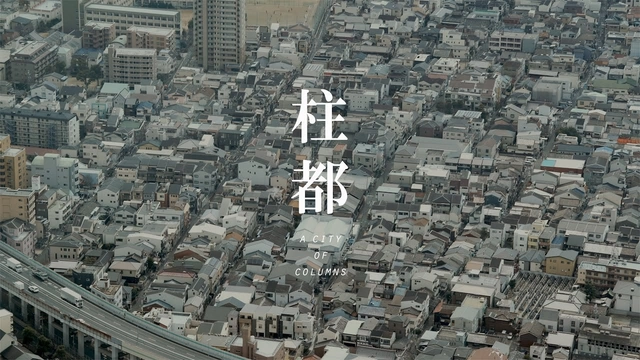
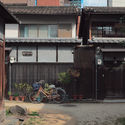
Created by Japanese architectural historian Norihito Nakatani, the film "A City of Columns" explores the distinctive dwelling culture of nagaya, a housing typology that flourished in the Japanese early modern period. The video depicts one of the few remaining nagaya neighbourhoods in Osaka, revealing the standardization embedded in all aspects of this form of housing and documenting how architectural elements transition between different spatial configurations.

Short Film Explores the Standardization of Traditional Japanese Housing in Osaka - Films & ArchitectureShort Film Explores the Standardization of Traditional Japanese Housing in Osaka - Films & ArchitectureShort Film Explores the Standardization of Traditional Japanese Housing in Osaka - Films & ArchitectureShort Film Explores the Standardization of Traditional Japanese Housing in Osaka - Films & ArchitectureShort Film Explores the Standardization of Traditional Japanese Housing in Osaka - More Images+ 1