-
Architects: Atelier APA
- Area: 100 m²
- Year: 2022

The summer of 2025 has brought extreme heat across Europe and beyond, with record-breaking temperatures and widespread climate-related impacts. Red alert warnings have been issued in France, Italy, and Spain as temperatures exceeded 46°C in parts of the Iberian Peninsula. These conditions have led to school closures, restrictions on outdoor work, and pressure on urban infrastructure, including power grids and public transport systems. The heatwave has simultaneously intensified wildfire risk across the Mediterranean. In western Turkey, ferocious wildfires near Izmir forced the evacuation of over 50,000 people as high winds and low humidity fueled rapidly spreading flames. In Spain's Catalonia region, two people died in a wildfire that raced across farmland and old structures in Torrefeta on July 1. Similar disasters have occurred in Greece, France, and Italy, with evacuations throughout southern Europe as widespread heat‑induced drought exacerbates fire season intensity.
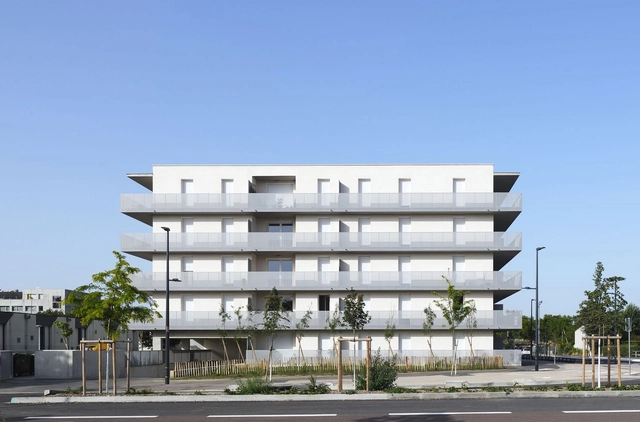
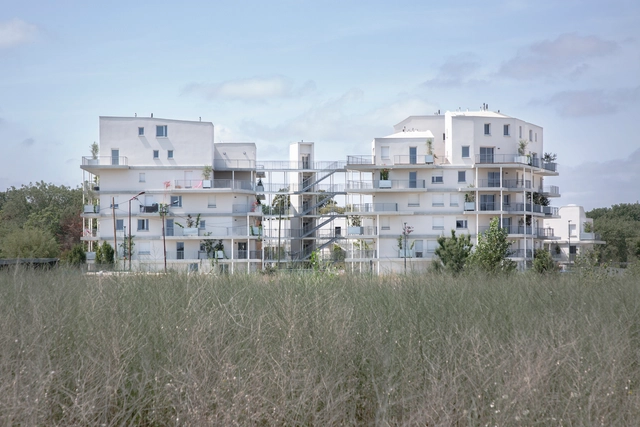
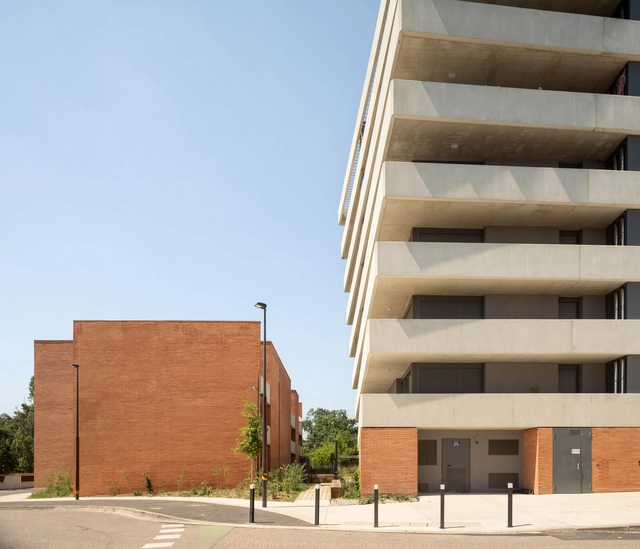
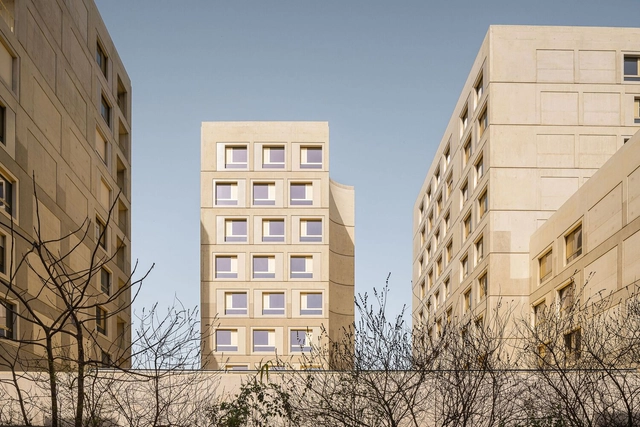
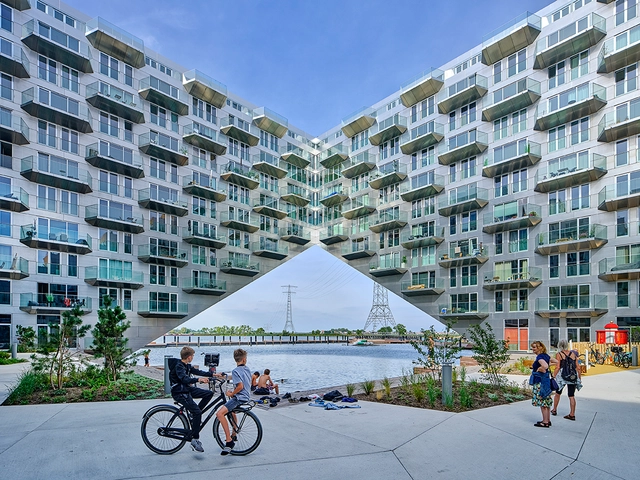
The Design Educates Awards 2024 has just announced the winners of this year’s winners, celebrating projects that excel in addressing complex social and environmental challenges while carrying significant educational value. Held annually, the awards recognize projects that respond to social and environmental issues and promote sustainability, even if the educational impact is gradual. In fact, it aims to highlight projects that offer long-term value and address the complexities of modern life.
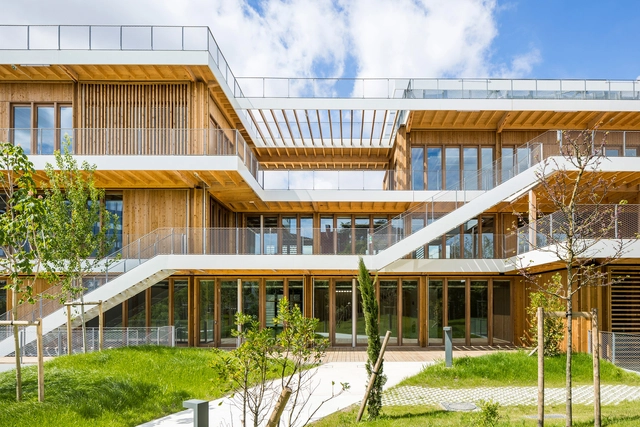

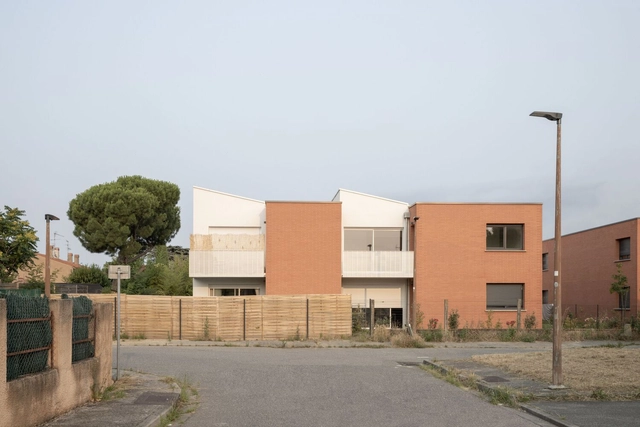
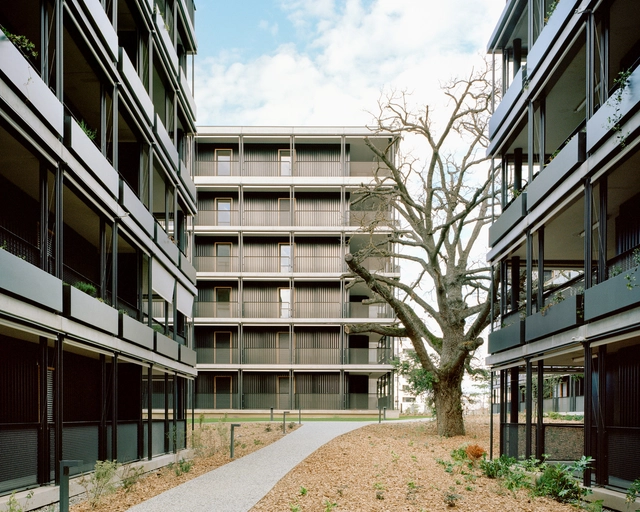
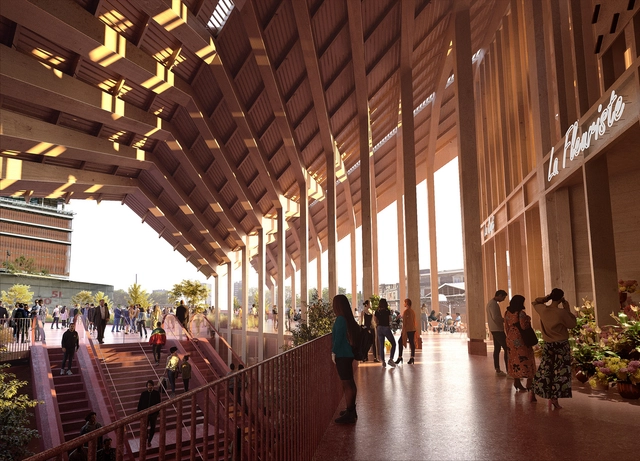
Bjarke Ingels Group and A+Architecture have revealed the design for the 12,000-square-meter Marengo Multimodal Transport Hub in Toulouse, France. The project will expand the functionality of the city’s central station, Gare Matabiau, strengthening the area’s public transport networks by creating a hub for bus, railway, and metro, all connected under one roof. The design of the new hub takes cues from the city’s distinctive roofscape and the traditional use of the rose-colored “foraine” brick, employing a mass timber structure and low-carbon concrete to ensure a sustainable intervention adapted to its environment. The Hub is set to begin construction in 2026.