

-
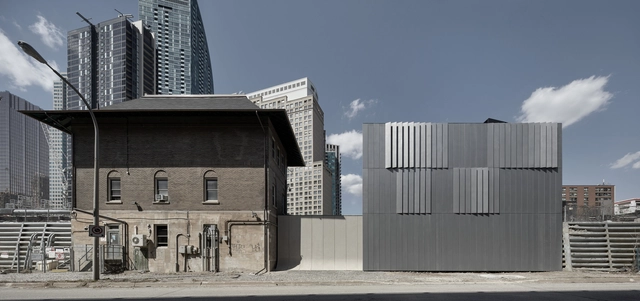
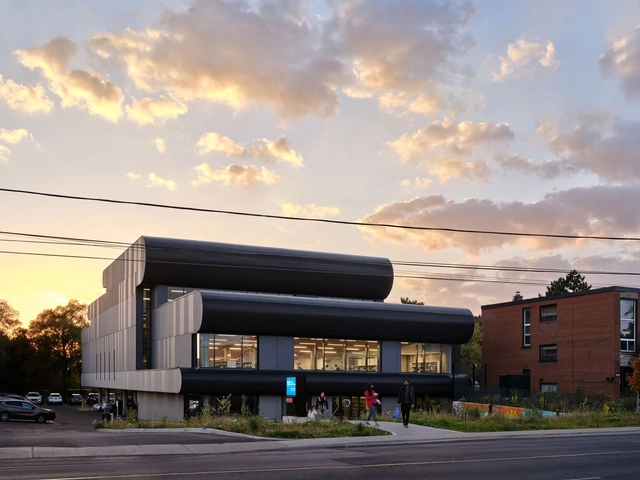
Architects: LGA Architectural Partners
- Area: 910 m²
- Year: 2023
-
Manufacturers: Endicott, Inline Fibreglass Windows and Doors, Nexcem, ROCKWOOL


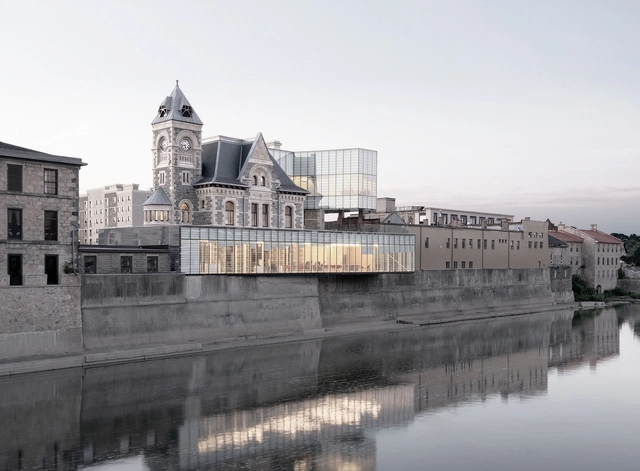
The architecture in Canada has evolved to reflect both its European heritage and modern global trends while adapting to the country's environment. As Canada developed, architectural styles became a means to express its identity as an independent nation. This architectural development, especially in the 19th and early 20th centuries, was influenced by colonial styles from Great Britain and France. While French colonial was more prominent in Quebec, British styles influenced the rest of the country.
In this context, the adoption of 19th-century Gothic Revival styles and Classical Revival styles of the early 20th century became popular. Today, many of those buildings remain as prominent landmarks across the country and have become integral parts of the urban landscapes. This curated collection explores how Canadians are integrating traditional elements with modern materials like glass and steel. These efforts preserve the historical significance of the buildings while adapting them to meet the functional demands of modern life.
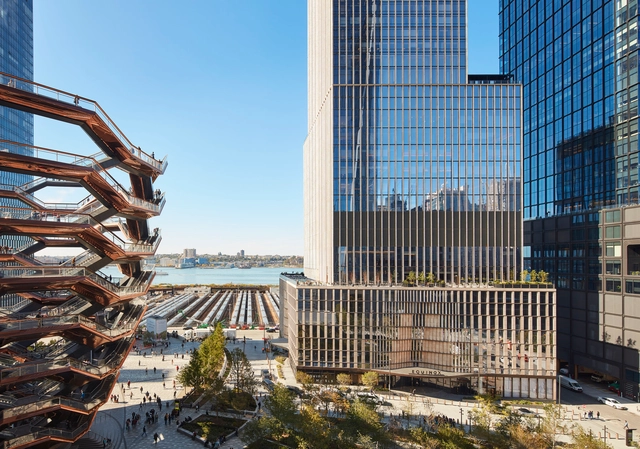
Prioritizing people and the planet, when it comes to building construction and real estate development, is being seen as more than an ethical mandate - it is a highly profitable approach. Changing market demands, city ordinances, and regulations, and an emphasis on Environmental, Social, and Governance (ESG) factors are all influencing what successful development in the 21st century stands for.
In Toronto, Canada, the ongoing Downsview Airport redevelopment project showcases this mindset in practice. While traditional development has generally focused on maximizing short-term returns, the Downsview project offers a holistic alternative that can invite significant long-term profits, all while addressing broader societal and environmental concerns.
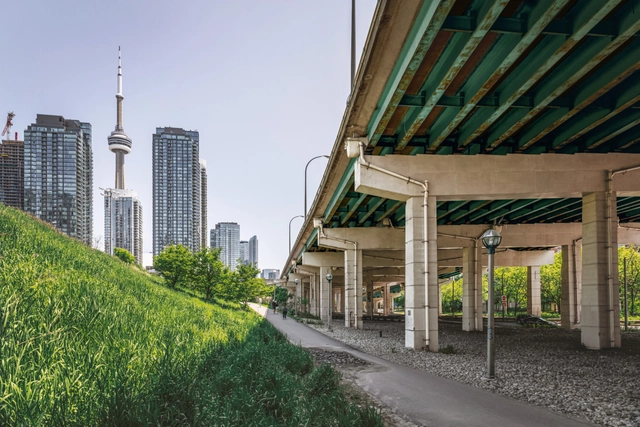
New York-based office Field Operations, renowned for their work on Seattle's waterfront and New York's High Line, along with Toronto's Brook McIlroy, have been tasked with transforming underutilized lands beneath the Gardiner Expressway in Toronto. The project was launched by The Bentway Conservancy, in partnership with the City of Toronto, and represents the second phase of the development aiming to revitalize underutilized spaces along the expressway. The initiative set out to transform three large traffic islands between Dan Leckie Way and Spadina Avenue into an 11,500-square-meter public space for recreation and community activities.
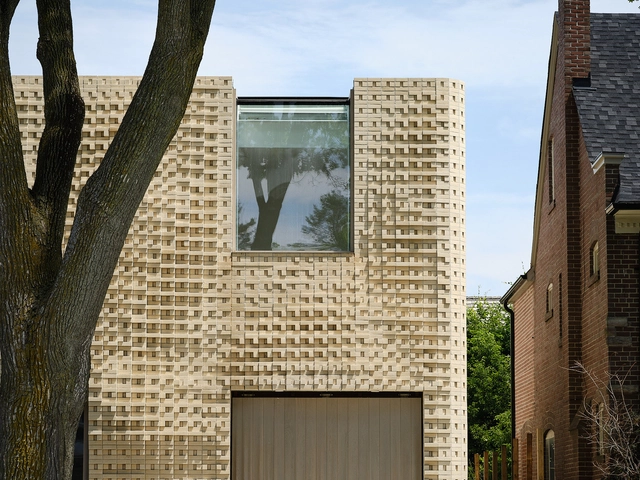
Canada's climate is known for its dramatic contrasts, ranging from frigid winters to hot summers. Large metropolitan areas such as Toronto, Montreal, and Vancouver experience a variety of extreme weather conditions: heavy snowfall, ice storms, and freezing temperatures are common. In some cases, temperatures can plummet to below -30 degrees Celsius, especially in cities like Montreal or Quebec. In turn, this weather creates certain challenges for architects and engineers when designing with certain materials. In this context, brick remains a popular construction material not only because of its relatively low thermal conductivity, making it a good insulator during the winter but also because of its connection to the country's architectural heritage.
While brick was once a primary load-bearing material, its role has shifted in modern architecture to being used predominantly for non-bearing walls and exterior cladding. This allows architects to experiment with brick as a texture and design feature, rather than focusing on its structural capabilities. Even though the climate does influence material choices, brick's historical significance and its ability to create intricate textures and patterns in facades make it a compelling choice for contemporary projects across Canada. Modern architects are constantly finding new ways to reinterpret this classic material, exploring various bond layouts and surface textures that add aesthetic richness while ensuring the buildings remain resilient to extreme weather conditions.
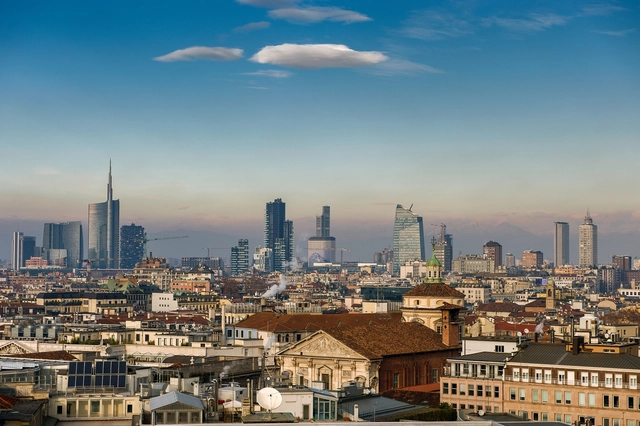
Tourism, as an urban and architectural phenomenon, has grown to encompass more than just sightseeing; it engages visitors with the social, cultural, and economic narratives that cities tell through their built environments. In celebration of World Tourism Day 2024, this collection of city guides highlights the role of architecture in shaping the urban tourism experience. Today, cities around the world stand as testaments to human ingenuity, historical preservation, and modern innovation. In fact, each city's versatile architecture offers a window into a city's identity, drawing millions of visitors each year who seek to understand how these spaces shape everyday life and collective memory.
In 2024, many cities have seized the world's collective imagination, each with its unique narrative waiting to be uncovered. Whether one finds themselves meandering through London, admiring Paris, or immersing in the cultural treasures of Sharjah, the story is always there to be unraveled. From Amsterdam's canals to Cairo's rich historical layers, Barcelona's avant-garde architecture, the liveliness of Santiago to the ancient marvels of Rome, and the diverse Istanbul to the bustling Bangkok – each city serves as a testament to the enduring spirit of human civilization.
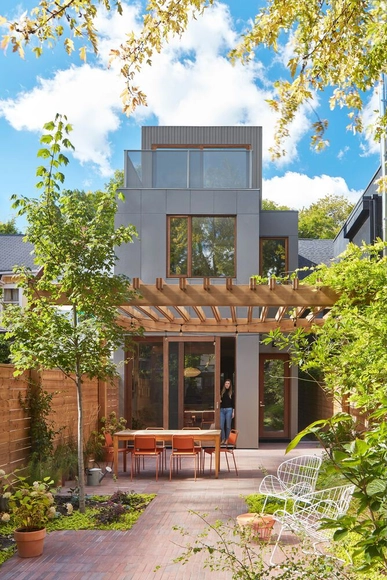
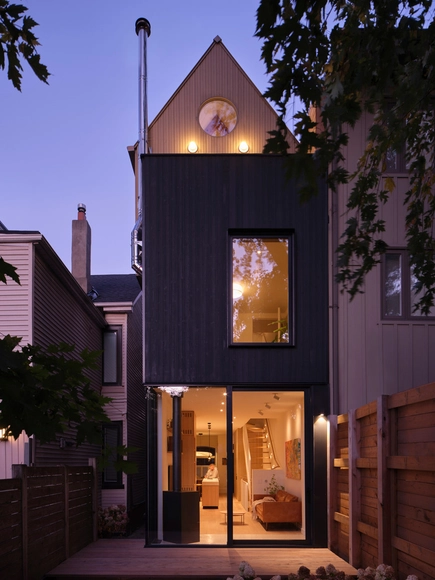
![DoubleMint House / large [medium] design office - Exterior Photography, Houses, Facade](https://snoopy.archdaily.com/images/archdaily/media/images/66d6/ee58/f999/c656/23a9/c4d7/slideshow/doublemint-house-large-medium-design-office_5.jpg?1725361776&format=webp&width=640&height=580)

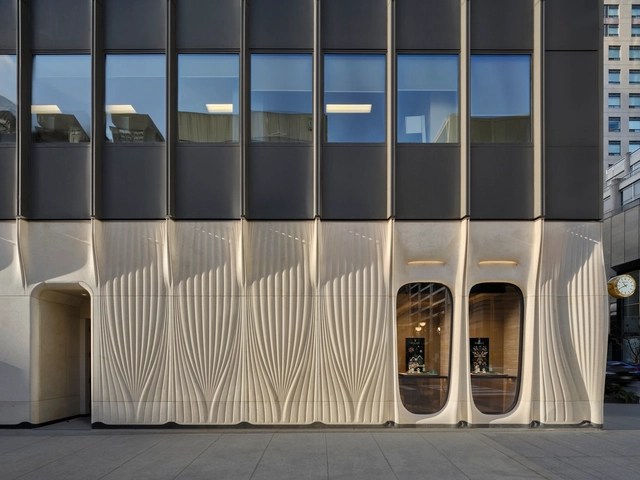
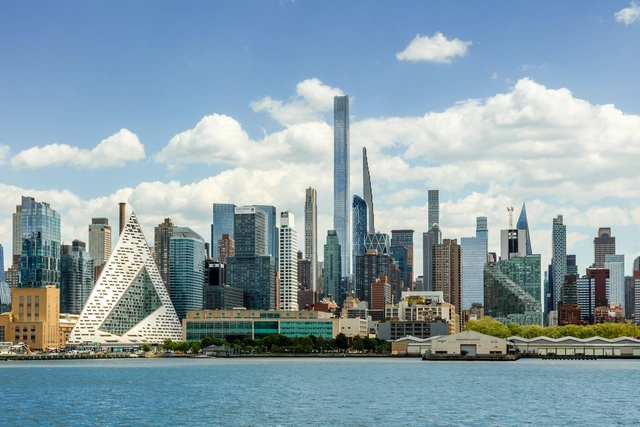
Skyscrapers are iconic symbols of modern urbanization and technological advancements all over North America. These structures are a sign of economic prosperity, urban density, and the capabilities of humanity’s ambition. In major cities across the continent, they shape the skyline and give identity to these metropolises. Cities like New York City, Toronto, and Florida utilize these cutting-edge designs to showcase power beyond their physical stature.
In general, skyscrapers are characterized by their remarkable height and pioneering engineering capabilities. They use advanced materials such as steel, glass, and concrete and serve as multifunctional spaces, ranging from housing to hotels and offices. Architects all around the world continually push the boundaries of architectural creativity, design, sustainability, and functionality while crafting these buildings. The structures allow architects to maximize land use in new ways, tackling densely populated urban areas.
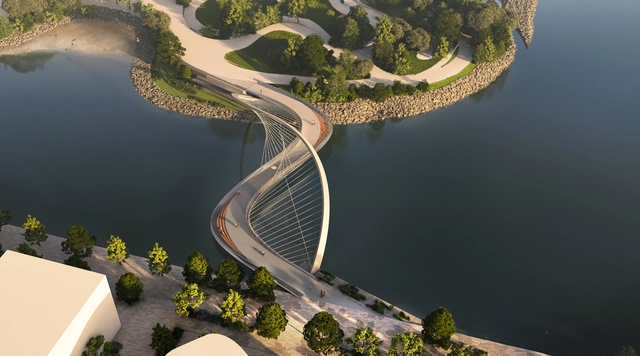
WilkinsonEyre has just been selected to design the new Equinox Bridge in Toronto, Canada. Designed in collaboration with Zeidler Architecture, Two Row Architect, and Arup, this bridge will connect the central waterfront to Villiers Island and the expanded park system along the new mouth of the Don River. Selected through a competition commissioned by Waterfront Toronto and the City of Toronto, the bridge seeks to foster a connection between people and water.














![DoubleMint House / large [medium] design office - Houses](https://images.adsttc.com/media/images/66d6/ee5f/f999/c656/23a9/c4df/thumb_jpg/doublemint-house-large-medium-design-office_19.jpg?1725361778 "© Rémi Carreiro Photography")
![DoubleMint House / large [medium] design office - Exterior Photography, Houses, Door, Facade, Lighting](https://images.adsttc.com/media/images/66d6/ee51/d393/f16a/3583/6f53/thumb_jpg/doublemint-house-large-medium-design-office_20.jpg?1725361758 "© Rémi Carreiro Photography")
![DoubleMint House / large [medium] design office - Interior Photography, Houses, Table](https://images.adsttc.com/media/images/66d6/ee4d/f999/c656/23a9/c4d1/thumb_jpg/doublemint-house-large-medium-design-office_9.jpg?1725361759 "© Rémi Carreiro Photography")
![DoubleMint House / large [medium] design office - Interior Photography, Houses, Door, Table](https://images.adsttc.com/media/images/66d6/ee59/d393/f16a/3583/6f55/thumb_jpg/doublemint-house-large-medium-design-office_10.jpg?1725361776 "© Rémi Carreiro Photography")
![DoubleMint House / large [medium] design office - More Images](https://images.adsttc.com/media/images/66d6/ee58/f999/c656/23a9/c4d7/newsletter/doublemint-house-large-medium-design-office_5.jpg?1725361776)