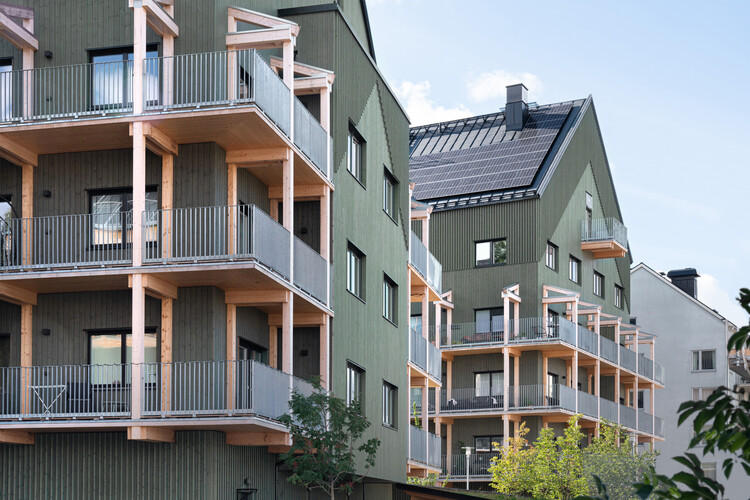
Recent years have seen a shifting paradigm in multi-family residential architecture, as more and more new projects are being built with engineered wood, specifically Cross-Laminated Timber (CLT) and glued-laminated timber (glulam). Because timber is lightweight, these systems can reduce dead load and ease foundation demands, which is especially useful on sites with limited bearing capacity or over existing infrastructure. From a sustainability standpoint, timber can store carbon over the life of the building and often reduces embodied carbon compared with conventional concrete-and-steel systems. In fire design, large timber members can be engineered to char at a predictable rate, allowing the structural core to remain protected for a defined period when detailed appropriately.
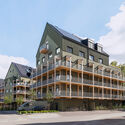
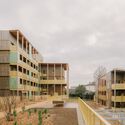
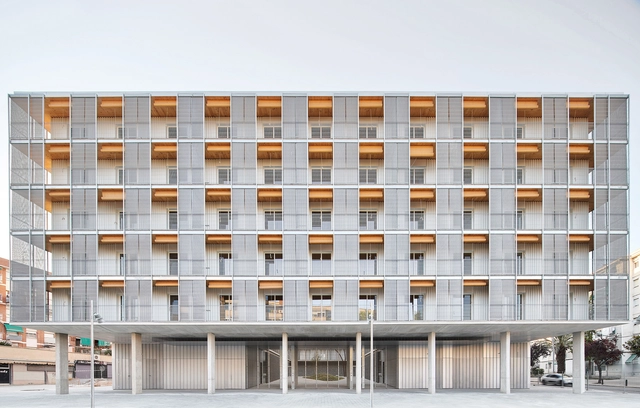
Modulus matrix -85 social housing in Cornellà, Barcelonaby Peris + Toral Arquitectes. Image Courtesy of RIBA
The Royal Institute of British Architects (RIBA) awarded its 2024 International Prize to Modulus Matrix, an 85-unit social housing development in Cornellà, near Barcelona. Designed by Peris + Toral Arquitectes, the six-story timber-framed building is a notable example of innovative social housing design. Its modular structure, based on a 3.6m x 3.6m grid inspired by traditional Japanese homes, creates a flexible and adaptable living space. The design prioritizes cross-ventilation, dual orientation, and a central communal courtyard, fostering social interaction and community building.
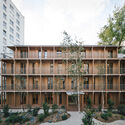
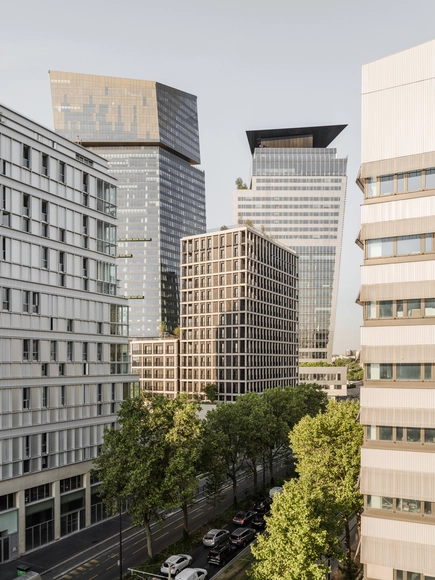
In Paris’ thirteenth arrondissement, the architecture office Moreau Kusunoki has completed Le Berlier, a 50-meter-tall timber tower housing residential units along with various other amenities. Situated at the intersection of multiple urban flows, networks, and scales, the project aims to find the middle ground between innovation, monumentality, and domesticity. The new residential center expresses its structural system through the grid of the façade, rendered in charred and pre-weathered wood.
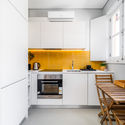
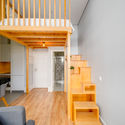
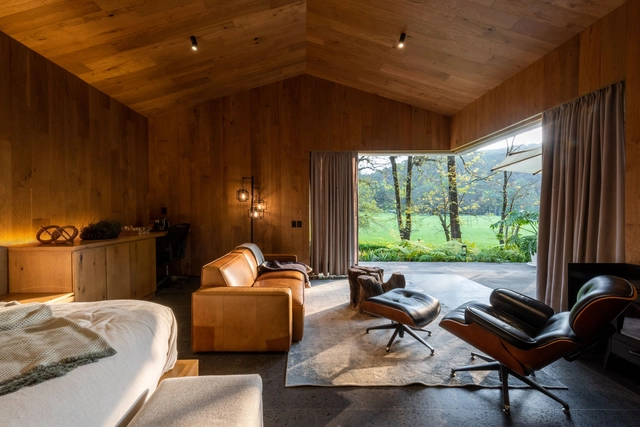
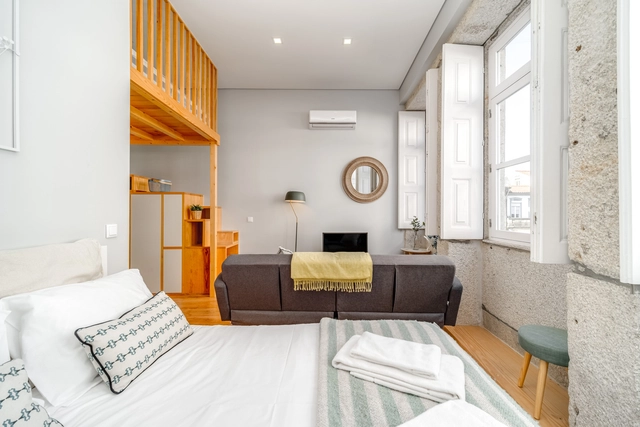
Over the years, interior design has evolved according to the needs that arise, but above all according to the experiences that we seek to provoke in the user. In the last two years, we have witnessed a radical change and a special interest in this subject because the pandemic forced us to pay specific attention to the configuration of the places we inhabit. This brought about much more holistic designs that cater to the wellbeing of the user, combining colors, sensory experiences, technology, and natural elements that promote health.
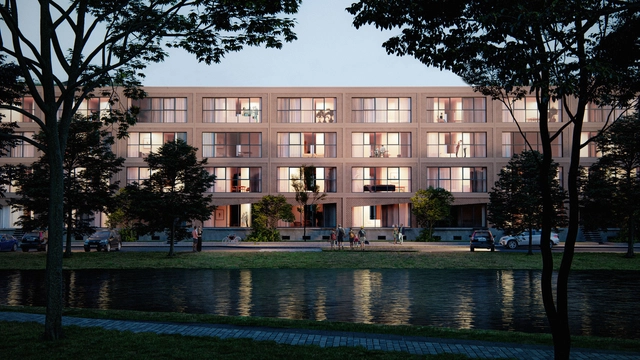
HA-HA, in partnership with BIK Bouw and Wooncompas Housing, will develop four social housing blocks for the community of Ridderkerk, near Rotterdam, Netherlands. The project uses materials from the existing social housing estate, built in the 1950s, and employs an innovative modular-timber system to create sustainable human-centered housing. The old buildings are planned to be disassembled and their components reused and integrated into the new development, which will increase the number of affordable units by 13%.
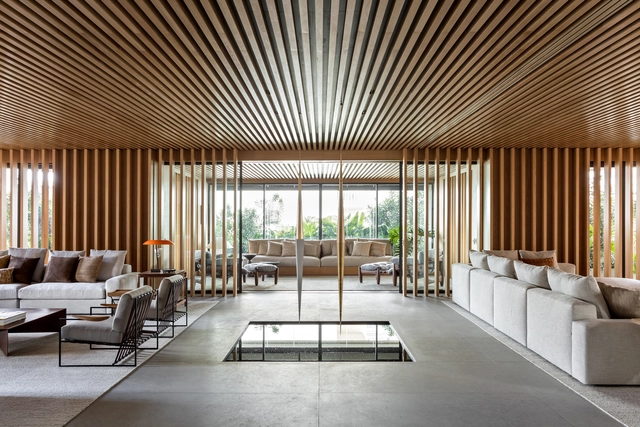
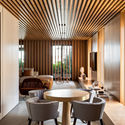
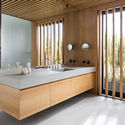
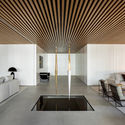
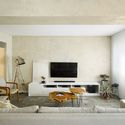
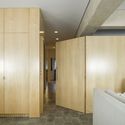
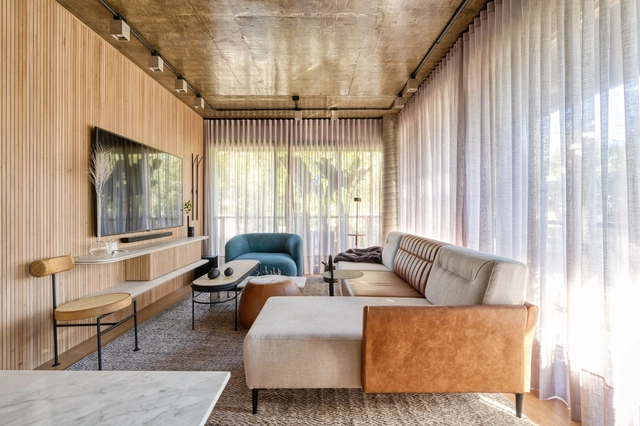
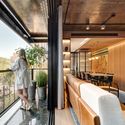
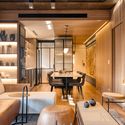
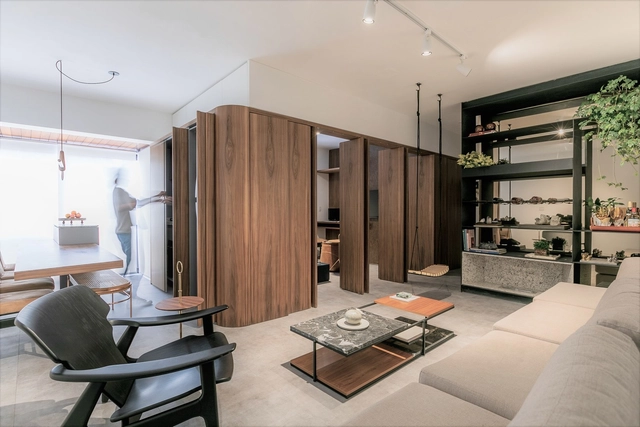
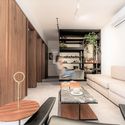
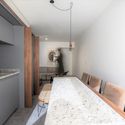
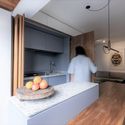
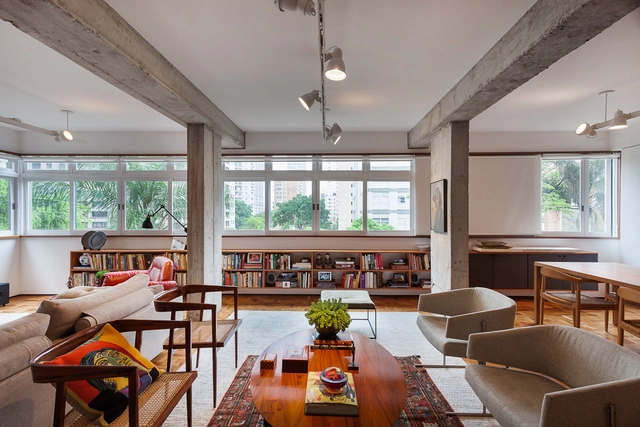
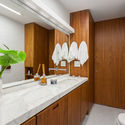
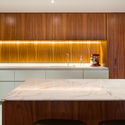
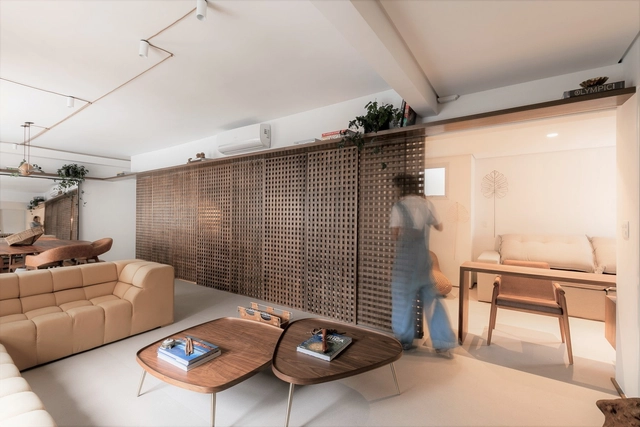
Wood in architecture, when properly managed, is often associated with sustainability but also with a sense of comfort and coziness. Well-designed joinery can provide versatility and uniqueness to interior design, among so many other benefits.
https://www.archdaily.com/955092/defining-spaces-with-wood-joinery-in-brazilian-apartmentsEquipe ArchDaily Brasil
Manufacturers: André Ferri Desing, Breton, Color Mix, Estar Móveis, Inusual, +6Portinari para Stacatto, Selvvva, Tok Stock, Urban Arts, We Marcenaria, África Mármores-6