1. ArchDaily
  2. Therapeutic Design

Therapeutic Design: The Latest Architecture and News

In Pursuit of Health: How Medical Concerns Shaped Modernist Architecture

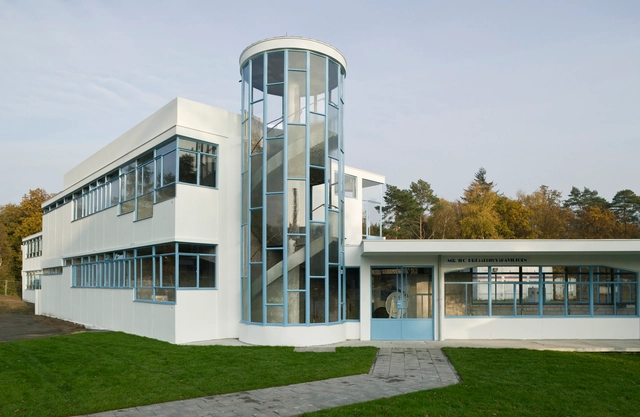
The intersection of architecture and medicine profoundly shaped modernist design, where transparency, light, and air became essential tools in the pursuit of health. Emerging from the tuberculosis crisis of the late 19th and early 20th centuries, the sanatorium evolved beyond a medical facility into a testing ground for architectural innovation. The necessity of fresh air, sunlight, and sterility transformed these spaces into prototypes for modernist principles, influencing spatial organization, material choices, and design philosophies that extended far beyond healthcare.

More than sites of treatment, sanatoriums embodied contemporary medical theories in built form. At a time when tuberculosis — often called the white plague — devastated populations worldwide, medical professionals prescribed environmental exposure as the primary therapy. Architecture adapted accordingly, producing buildings with expansive terraces, large windows, and streamlined interiors designed to optimize ventilation and maximize natural light.

In Pursuit of Health: How Medical Concerns Shaped Modernist Architecture - Image 1 of 4In Pursuit of Health: How Medical Concerns Shaped Modernist Architecture - Image 2 of 4In Pursuit of Health: How Medical Concerns Shaped Modernist Architecture - Image 3 of 4In Pursuit of Health: How Medical Concerns Shaped Modernist Architecture - Image 4 of 4In Pursuit of Health: How Medical Concerns Shaped Modernist Architecture - More Images+ 28

The Science of Design: How Neuroscience can Help Architects Shape the Built Environment

In recent years, the integration of neuroscience and architecture has revolutionized our understanding of how built environments influence human well-being, behavior, and cognition. This interdisciplinary field, known as neuroarchitecture, explores the connections between spatial design, brain function, and psychology, offering insights into creating environments that promote health, creativity, and emotional resilience.

The Science of Design: How Neuroscience can Help Architects Shape the Built Environment  - Image 1 of 4The Science of Design: How Neuroscience can Help Architects Shape the Built Environment  - Image 2 of 4The Science of Design: How Neuroscience can Help Architects Shape the Built Environment  - Image 3 of 4The Science of Design: How Neuroscience can Help Architects Shape the Built Environment  - Image 4 of 4The Science of Design: How Neuroscience can Help Architects Shape the Built Environment  - More Images+ 9