1. ArchDaily
  2. Tensile Structure

Tensile Structure: The Latest Architecture and News

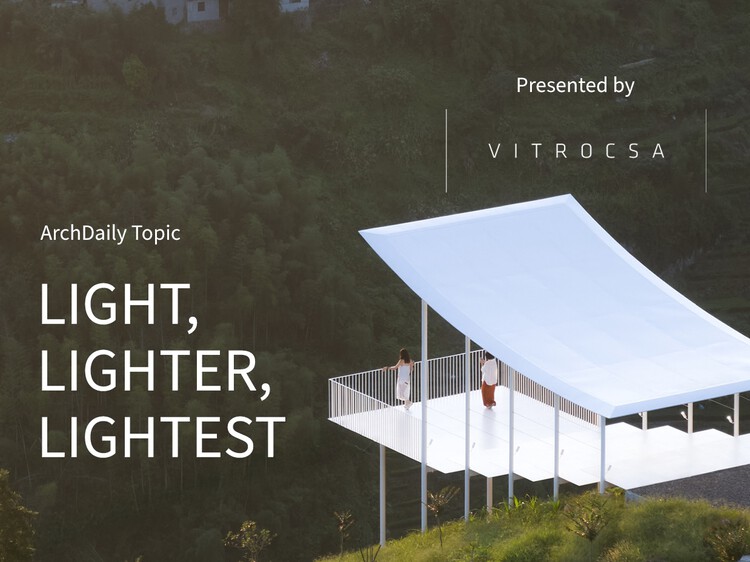
Light, Lighter, Lightest: ArchDaily’s April Editorial Focus

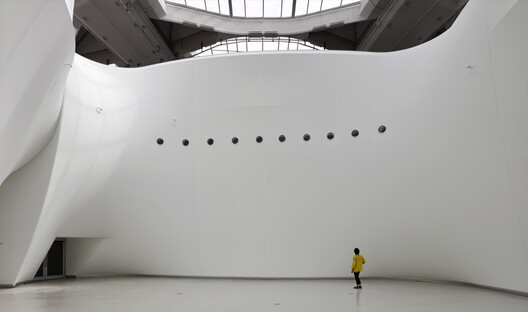
Architecture has long been drawn upward. In Air and Dreams, Gaston Bachelard writes about an imagination shaped by movement; by the urge to rise, to drift, to escape the pull of the ground. Air, for him, invites imagination to distort, to invent, to go beyond what is given rather than simply reproduce it. In that sense, lightness is not only a physical condition, but a feeling: a desire to transcend the weight of the earth and move toward something less tangible. This impulse can be traced across architecture's enduring attempts to lift itself, from pilotis and long spans to suspended systems and tensile membranes. To build lightly, then, is not only a technical ambition, but also a cultural one – a way of reaching toward the sky.

Today, this pursuit of lightness takes on renewed urgency. As environmental concerns, climate risks, and technological advancements reshape the built environment, building lightly is no longer only an aesthetic or structural ambition; it is increasingly framed as an ecological and ethical imperative.

Light, Lighter, Lightest: ArchDaily’s April Editorial Focus - Image 1 of 4Light, Lighter, Lightest: ArchDaily’s April Editorial Focus - Image 2 of 4Light, Lighter, Lightest: ArchDaily’s April Editorial Focus - Image 3 of 4Light, Lighter, Lightest: ArchDaily’s April Editorial Focus - Image 4 of 4Light, Lighter, Lightest: ArchDaily’s April Editorial Focus - More Images+ 6

How Textiles Shaped Architecture: Prehistoric Structures for Modern Buildings

Subscriber Access | 

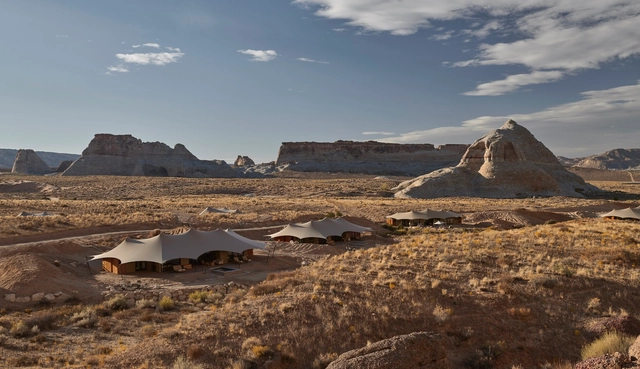
Much before humans constructed their first permanent shelters, they discovered the protective power of animal hides as a barrier against harsh environmental conditions. This fundamental principle of building with flexible materials finds influence in the architecture of today, despite the lack of strong precedents that have been lost to time. Textiles served as humanity's first architectural elements, predating ancient construction methods like stone masonry. The relationship between textiles and shelter would go on to shape the entire history of architecture, from prehistoric settlements to modern skyscrapers. What lessons might these ancient origins of architecture hold for future advancements in building design?

How Textiles Shaped Architecture: Prehistoric Structures for Modern Buildings - Image 1 of 4How Textiles Shaped Architecture: Prehistoric Structures for Modern Buildings - Image 2 of 4How Textiles Shaped Architecture: Prehistoric Structures for Modern Buildings - Image 3 of 4How Textiles Shaped Architecture: Prehistoric Structures for Modern Buildings - Image 6 of 4How Textiles Shaped Architecture: Prehistoric Structures for Modern Buildings - More Images+ 5

Perceiving Chinese Architecture From the Eyes of Structural Engineers

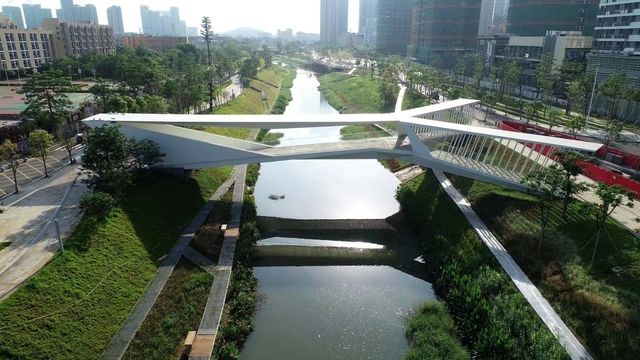
When we are discussing the definition of “structure”, the term varies within different disciplines. In the context of the built environment, "structure" refers to anything that is constructed or built from different interrelated parts with a fixed location on the ground.

Atelier YokYok Designs an Enchanting String Installation in Cahors

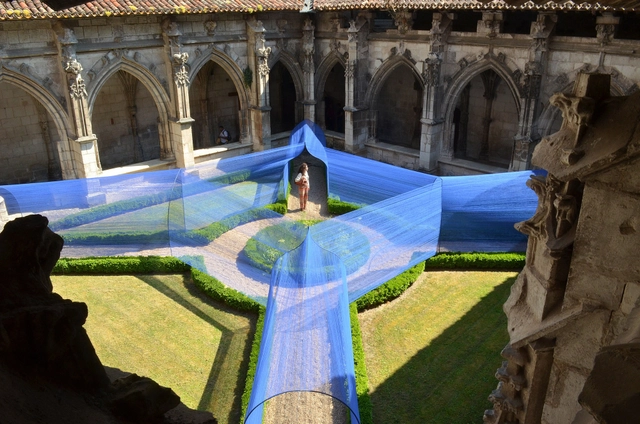
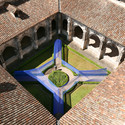
Atelier YokYok has created an immersive experience of string and light for their "Shooting Vaults” installation at St. Stephen’s Cathedral in Cahors, France. Created in collaboration with Ulysse Lacoste and Laure Qaremy, the project will be on display through the month of June.

Atelier YokYok Designs an Enchanting String Installation in Cahors - Image 1 of 4Atelier YokYok Designs an Enchanting String Installation in Cahors - Image 2 of 4Atelier YokYok Designs an Enchanting String Installation in Cahors - Image 3 of 4Atelier YokYok Designs an Enchanting String Installation in Cahors - Image 4 of 4Atelier YokYok Designs an Enchanting String Installation in Cahors - More Images+ 5

Venice Biennale 2014: Paraguay to Submit Tensile Water Structure

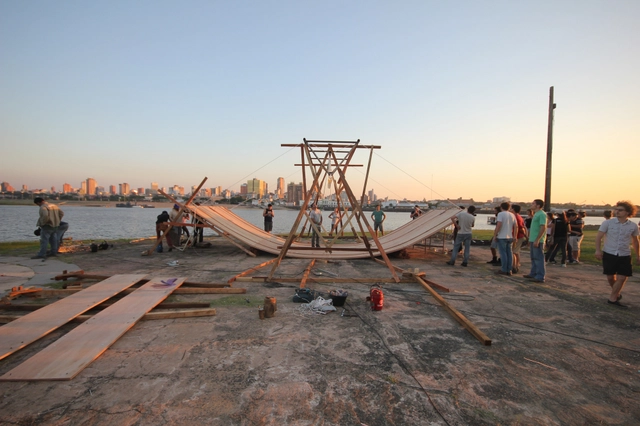
Paraguay means “water that flows toward the sea” in the language of the country’s indigenous Guarani people. It is no surprise, then, that Paraguay’s entry for the 2014 Venice Biennale uses water as the primary structural member. Titled “Aqua Alta,” the Paraguayan pavilion responds to the Biennale’s focus on modern fundamentals by stating that modern architecture must achieve more with less.

SDA + Volvo Collaborate to Create Portable Car-Charging Pavilion

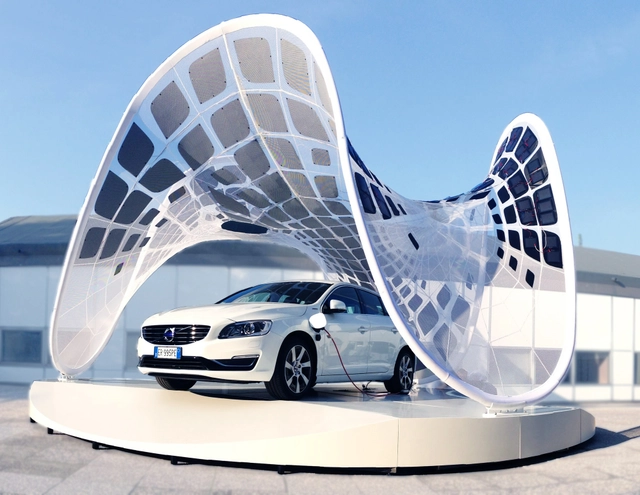
After months of design refinement and engineering, Synthesis Design + Architecture (SDA), winners of the "Switch to Pure Volvo" architecture competition, have launched a free-standing mobile pavilion capable of harnessing solar energy to power the new Volvo V60, the world's first diesel plug-in hybrid car. The 'Pure Tension' Pavilion was birthed by SDA's extensive research on dynamic mesh relaxation, utilizing bendable, lightweight aluminum structures with flexible fabrics that can be stored in the trunk of the car and easily mounted within one hour, similar to a tent.