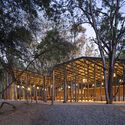
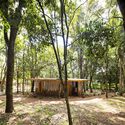
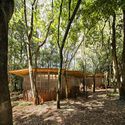
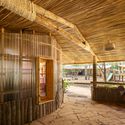
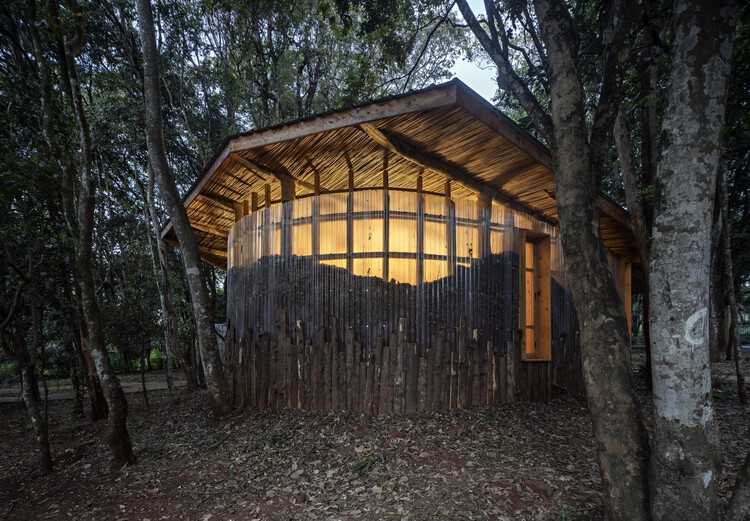
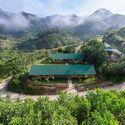
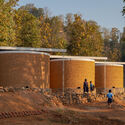
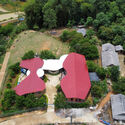
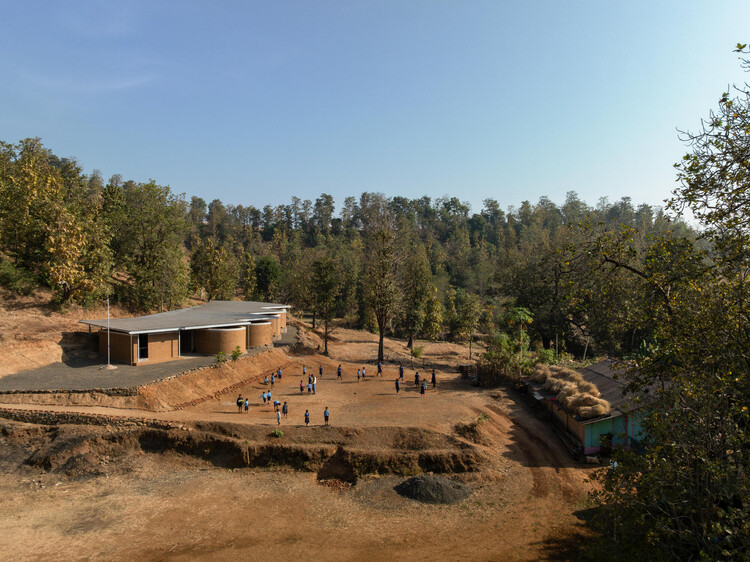
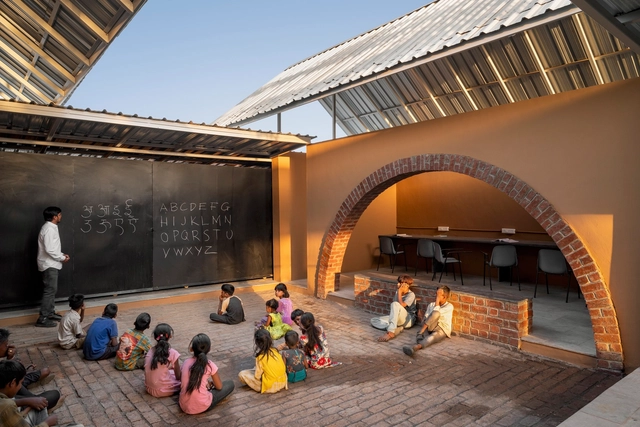
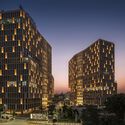
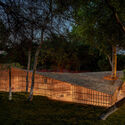
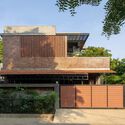
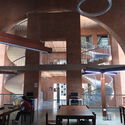
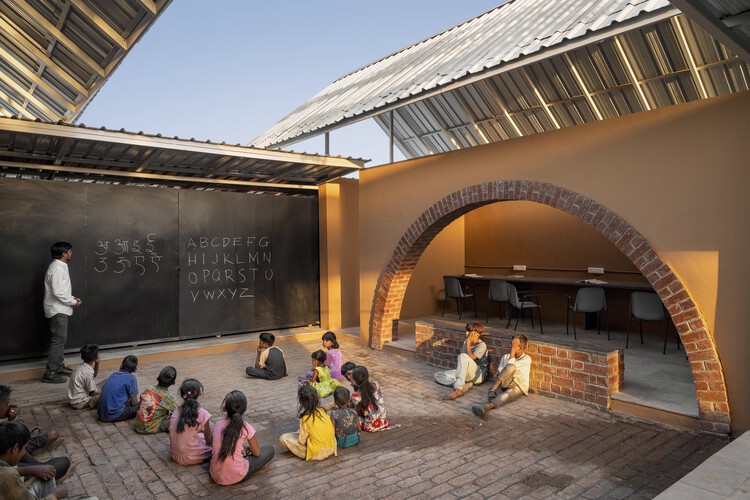
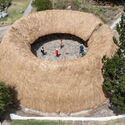
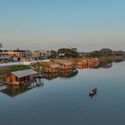
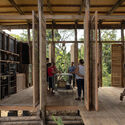
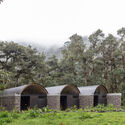
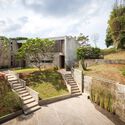
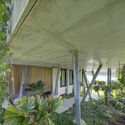
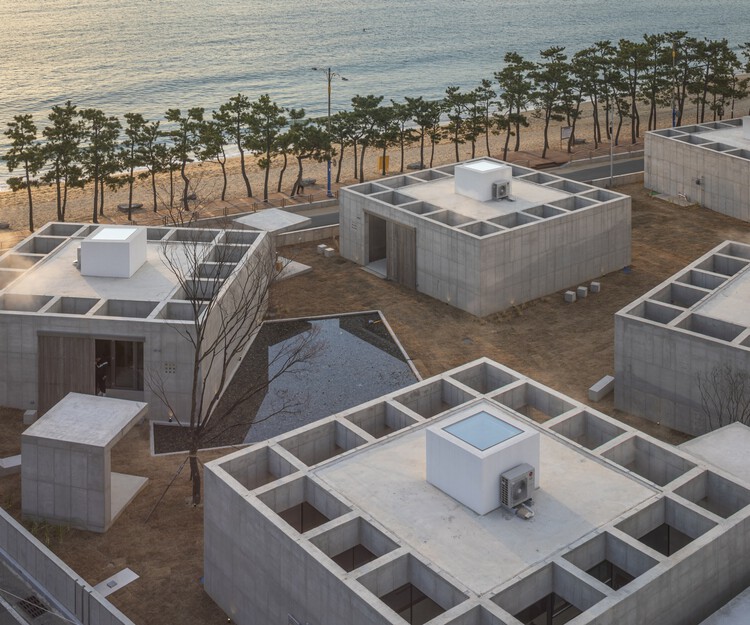
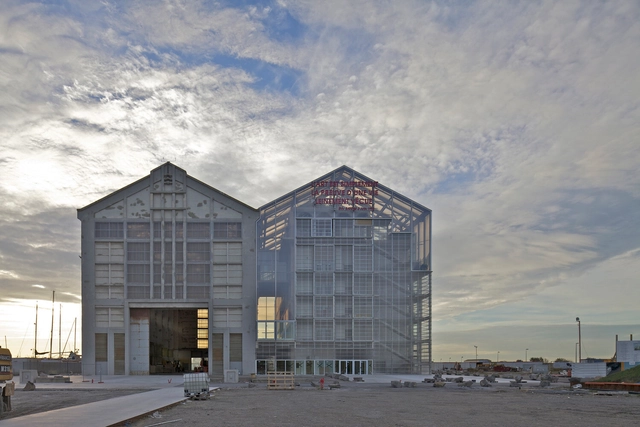
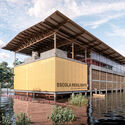
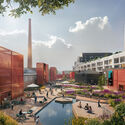
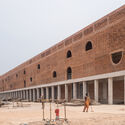
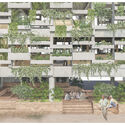
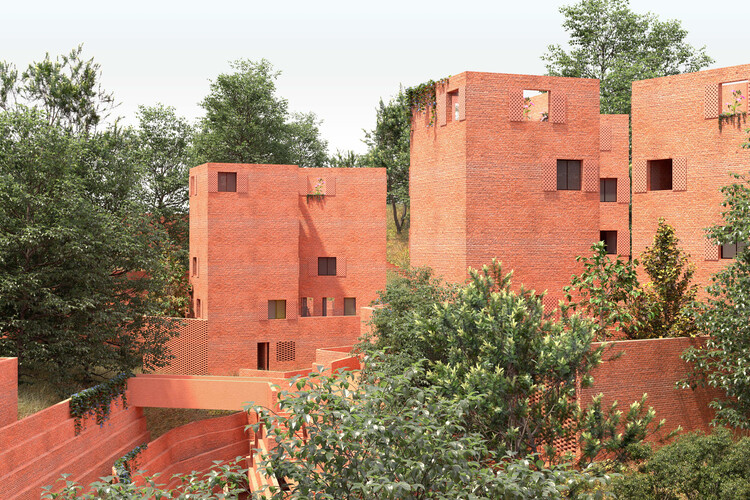
In the mountainous regions of Vietnam, the borderlands of Thailand, and the rugged Western Ghats of India, building school projects remains a challenge defined by logistics. In areas where infrastructure and industrial supply chains are limited or distant, transporting each kilogram of material can significantly increase costs and logistical complexity. During 2025, several school projects in rural contexts in Asia showed how the architect's role often shifted from a designer of form to a strategist of procurement. The primary challenge was not merely aesthetic but a matter of durability: using locally available materials and protecting them from monsoon rains, high-velocity winds, and sometimes seismic instability.
As the solstice marks the shortest day of the year in the Northern Hemisphere, it also draws attention to something architecture has long negotiated but often overlooked: time. Beyond form or function, buildings and spaces are continuously shaped by cycles of light and darkness, seasonal shifts, and environmental rhythms that affect how they are inhabited.
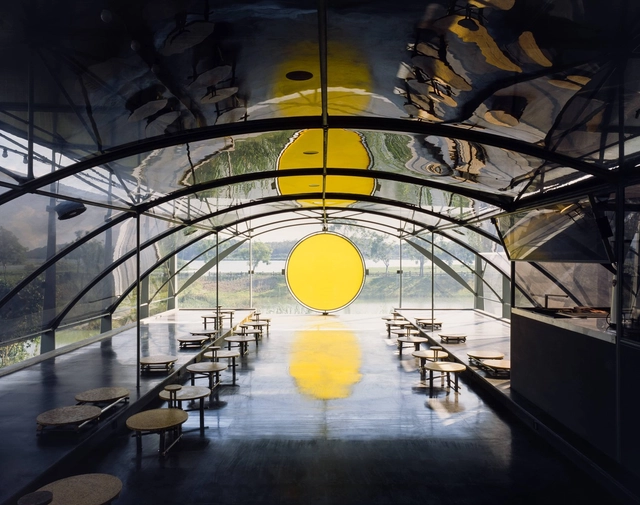
In recent years, a growing number of architectural projects have begun to work explicitly with these cycles. Rather than designing spaces to function in a single, fixed way, architects are creating environments that change throughout the day, across seasons, or in response to natural phenomena such as the sun's path, lunar phases, wind patterns, or circadian rhythms. These projects operate in dialogue with time, appearing, transforming, and activating differently depending on environmental conditions.
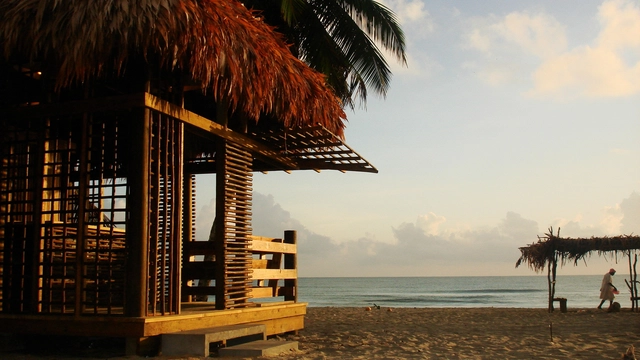
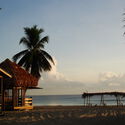
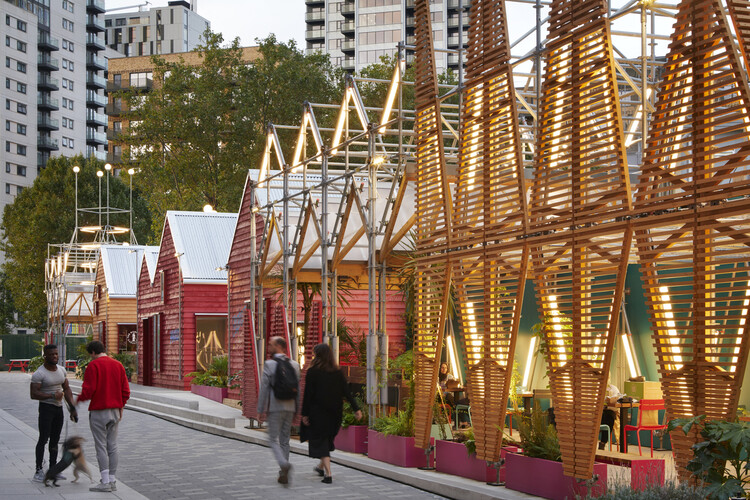
Detail of the Garifuna Kiosk Network. Image Courtesy of 24 Grados Arquitectura
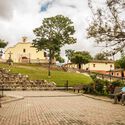
How can architecture restore relevance to forgotten places? What dialogues can emerge when buildings and landscapes are treated not as blank slates, but as layers of memory, identity, and potential? For the Honduran architecture firm 24 Grados, these questions shape an approach rooted in adaptation, reuse, and contextual design. Their projects range from the restoration of old Spanish plazas and cultural centers to interventions in natural parks and coastal villages in Honduras. Each one is grounded in the belief that design can reweave relationships between people, place, and heritage.
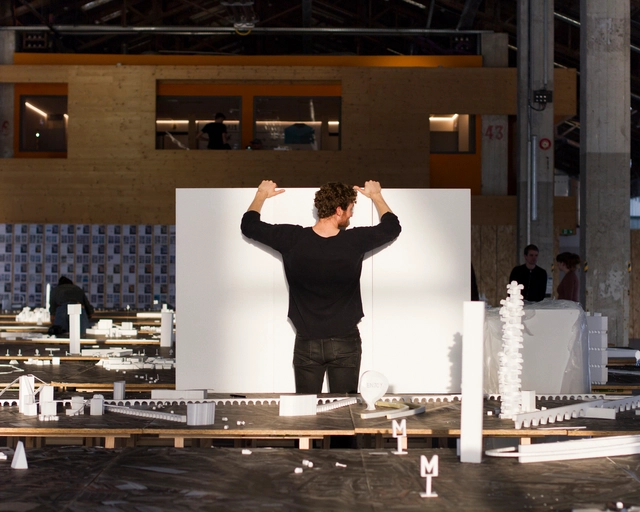
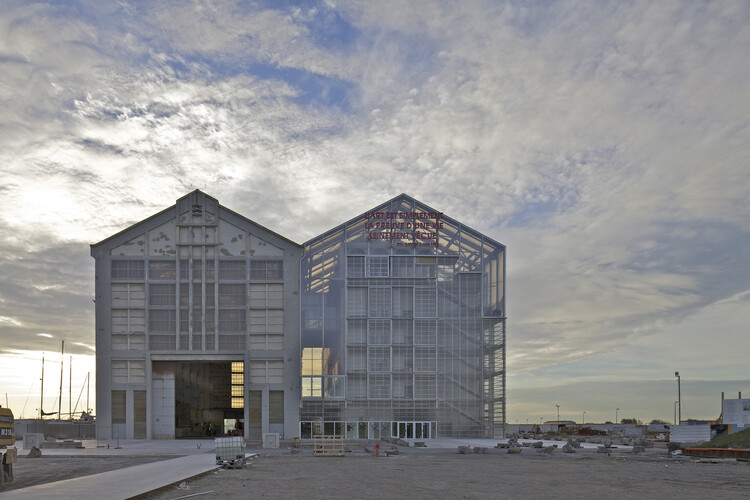
MVRDV and Delft University of Technology Release _Le Grand Puzzle_, an Urban Study of Marseille in the South of France. Image Courtesy of HÇläne Bossy, Manifesta
In architecture, most practices revolve around delivering projects to clients. Offices are shaped by deadlines, budgets, and clear briefs. While this structure produces buildings, it rarely leaves space for architects to question broader issues — about how we live, how cities are changing, or what the future demands of design. But alongside this production-focused system, a quieter movement has emerged: studios, collectives, and foundations that prioritize research, experimentation, and reflection. These are the architecture think tanks — spaces designed not to build immediately, but to think first.
The idea of a think tank is not new. Traditionally found in politics, economics, or science, think tanks bring together experts to study complex problems and propose solutions. In architecture, their rise reveals a tension at the heart of the discipline. If architecture is to remain socially and environmentally relevant, can it continue to rely only on client-driven practice? Or must it carve out space for slower, deeper inquiry?
India's built environment has, in recent years, gained visibility through a growing number of transformative architectural and infrastructure projects. Cities and towns scale faster each year, despite looming concerns around climate and economic volatility. The nation has shown resilience in balancing rapid urbanization with resource constraints; this is no small feat. India's architectural practices rarely rely on novelty alone; they are built on systems that have existed for centuries. Through ArchDaily's Building for Billions, recurring stories have highlighted the social intelligence and adaptive capacity embedded in these practices, revealing an architecture that operates less as isolated form and more as infrastructure.
Videos
First Prize Winner: Edge of presence. Image Courtesy of Buildner
Buildner has announced the results of its Re-Form: New Life for Old Spaces, an international ideas competition examining the adaptive reuse of small-scale existing buildings. The competition invited architects and designers to propose transformations of used, abandoned, or overlooked structures with an approximate footprint of 250 square meters, located anywhere in the world. With no fixed site or program, participants were encouraged to explore alternatives to demolition and new construction through reuse strategies grounded in contemporary social and environmental concerns.
As an open-format competition, Re-Form foregrounded sustainability, feasibility, and community impact over formal or typological constraints. Submissions ranged from precise urban insertions to more speculative rural interventions, reflecting a broad range of approaches to working with existing fabric. Many projects focused on how limited, often marginal spaces could be reactivated to support new forms of collective use while responding to material, climatic, and ecological conditions.
Videos
The Basic Services Unit, a full-scale housing prototype by ELEMENTAL and Holcim, presented in Venice during the 2025 Architecture Biennale. Image Courtesy of Holcim Awards
During the Time Space Existence exhibition, organized by the European Cultural Centre in Venice, the building-solutions company Holcim and Pritzker Prize-winning architect Alejandro Aravena, with his firm ELEMENTAL, unveiled a full-scale prototype that introduces a new approach in incremental housing solutions.
The housing prototype—The Basic Services Unit—was built with Hoclim's recently launched biochar technology, which transforms buildings into carbon sinks by permanently trapping carbon in a bio-based material called biochar. This material is used as a component of low-carbon concrete, cement, and mortars.
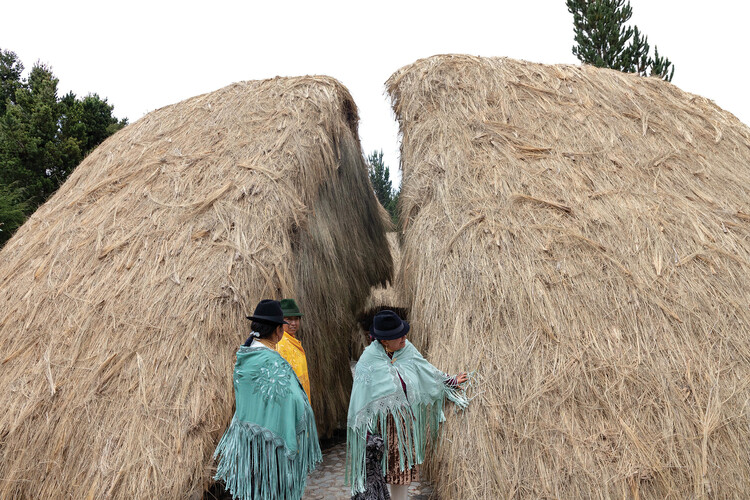
Between the Andes, the coast, and the Amazon, Ecuador's architecture has evolved as a reflection of its layered geography, a place where climate, topography, and culture unite. Throughout the territory, architecture has been an act of adaptation: from vernacular traditions rooted in collective labor and local materials to the colonial and modernist influences that reshaped its cities. This diversity has produced distinct constructive systems, from bamboo and cane structures along the coast to earth and stone constructions in the Andes, forming an archive of adaptive design that continues to influence contemporary practice.
Yet in the past decade, Ecuadorian architecture has undergone a quiet but deep transformation. New academic programs and international references have encouraged a growing awareness of climate and social justice. Emerging architects are redefining practice through workshops, collective studios, and on-site experimentation that blurs the line between design and activism. No longer focused on architecture as an object, a new generation of architects is approaching design as a process. One focused on collaboration, sustainability, and cultural identity. Their questions have shifted the design language from what to build to with whom.
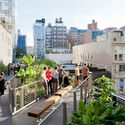
What does optimism feel like in cities that can no longer rely on perfection as their ultimate ambition? Across the world, urban environments bear the weight of overlapping pressures: climate volatility, spatial inequality, political fragmentation, public distrust, and chronic infrastructural disinvestment. These realities render the idea of an ideal city increasingly detached from lived experience. Yet the hope for building better systems persists. While utopian visions may seem like an escape from the growing complexities of the modern world, the greater challenge for contemporary city-making is to confront those complexities rather than avoid them.
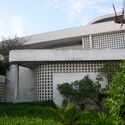
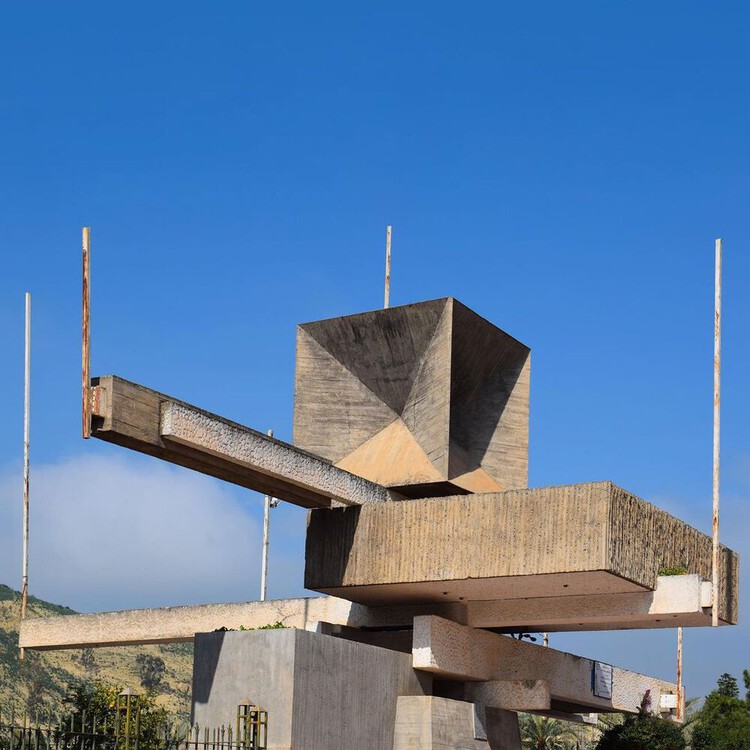
Modernism has a long history in Morocco. Being close to Europe and under French Protectorate rule, it kept pace with architectural developments in the movement. Its relative peace after the Second World War further strengthened its role as some European architects sought a hub for new ideas. Architects in independent Morocco adopted Modernism as they were tasked to build the infrastructure of a new nation. The architect Jean-François Zevaco, born in Morocco to French parents, practiced across these formative periods, developing his own expressive version of modern architecture.
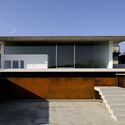
Living by the beach has long been a defining aspiration—drawn by the promise of tempered nature, privacy, and immediate access to the water. Historically, beach houses tended to be rustic and pared back: partly because servicing remote sites and delivering materials was difficult, and partly because their charm lay in being closer to the elements—simpler, rougher, more direct.
Accordingly, many early beach houses were built in timber. Wood offered clear advantages: it was lightweight, adaptable, quick to work with, and could be erected with minimal heavy machinery. While timber weathers and fares poorly in salt-laden humidity, exterior-grade lumber carries a raw, natural character that reinforced the appeal of the beach-house ideal.
In a world facing ecological exhaustion and spatial saturation, the act of building has come to represent both creation and consumption. For decades, architectural progress was measured by the new: new materials, new technologies, new monuments of ambition. Yet today, the discipline is increasingly shaped by another form of intelligence, one that values what already exists. Architects are learning that doing less can mean designing more, and this shift marks the emergence of what might be called an architecture of restraint: a practice defined by care, maintenance, and the deliberate choice not to build.
The principle recognizes that the most sustainable building is often the one that already stands, and that transformation can occur through preservation, repair, or even absence. Choosing not to build becomes a political and creative act, a response to the material limits of the planet and to the ethical limits of endless growth. That Architecture moves beyond the production of new forms to embrace continuity, extending the life of structures, materials, and memories that already inhabit the world.
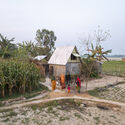
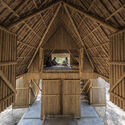
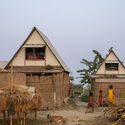
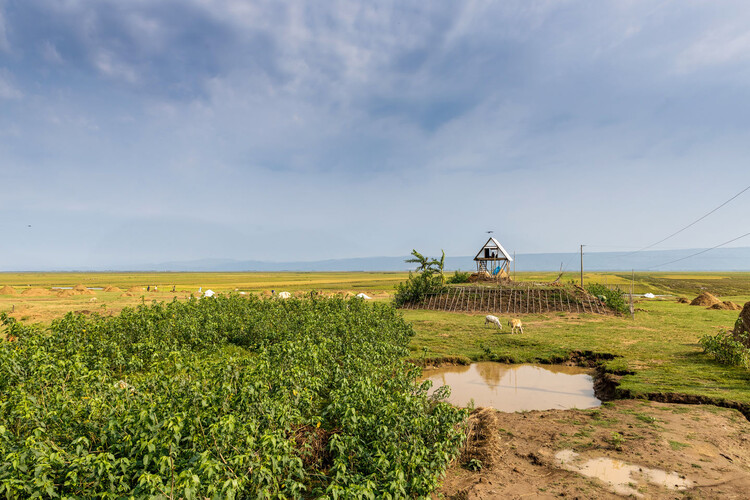
In the low-lying deltas of Bangladesh, water defines both life and loss. Every year, millions are forced to rebuild after floods wash away their homes, crops, and livelihoods. In these precarious territories, the act of building has become an act of resilience. It is here that Khudi Bari emerges as a modest yet radical proposal. Designed by Marina Tabassum Architects, the project provides a lightweight, modular, and affordable dwelling for communities displaced by climate change. Recognized as one of the winners of the 2025 Aga Khan Award for Architecture, it represents a form of architecture that empowers rather than imposes.
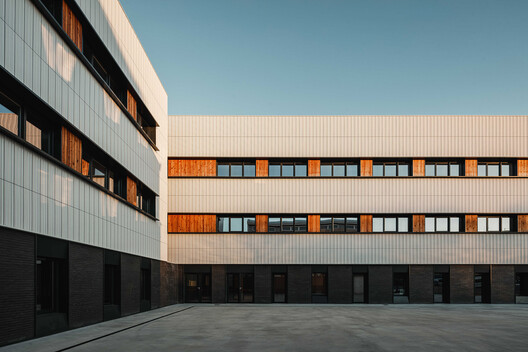
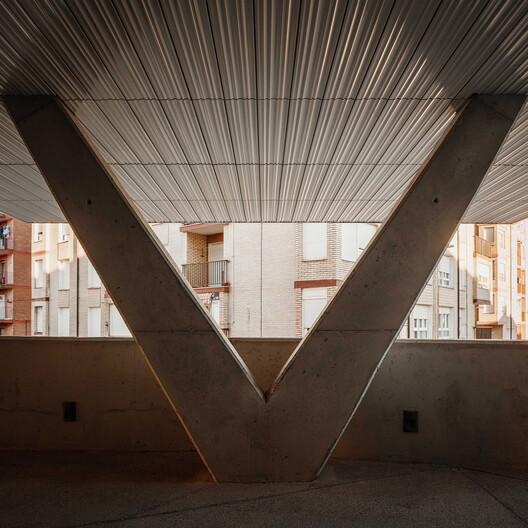
The new Muskiz Secondary School building (Vizcaya), designed by BAT Architecture studio, has become a leading symbol of sustainable architecture for educational centers. Designed in accordance with Passivhaus criteria and built using cross-laminated timber (CLT), the project combines innovation and comfort with environmental care.
In this equation, Faveker's tiled ventilated facade, tailor-designed using its GA16 system as a basis, plays a key role. This precise, luminous tiled skin enhances the building's energy efficiency and infuses it with a unique architectural personality that harmonizes with the surrounding natural setting.
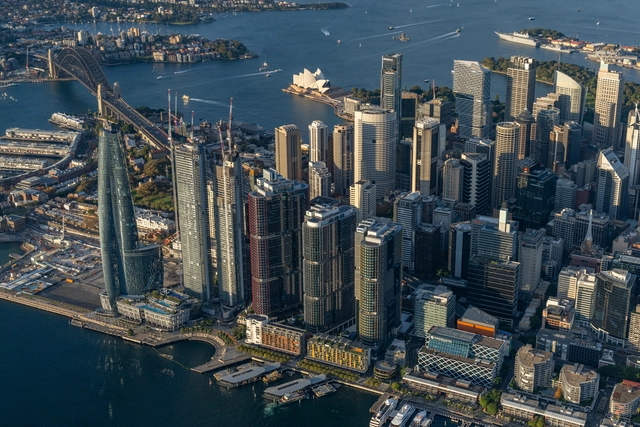
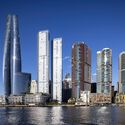
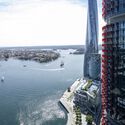
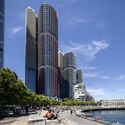
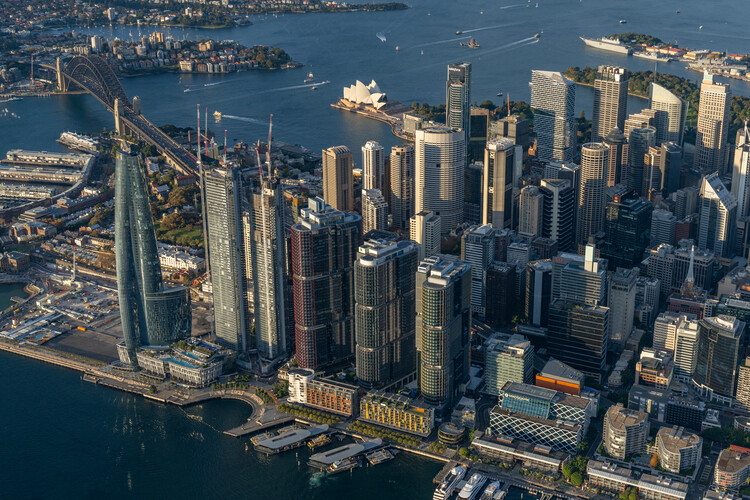
RSHP has announced the completion of the Barangaroo South Masterplan in Sydney, marking the realization of a 15-year redevelopment that has reconnected the city's north-western harbour edge to its urban core. Once a disused container port, the 22-hectare site has been transformed into a mixed-use, carbon-neutral precinct, integrating commercial, residential, and public spaces along the waterfront. Developed in collaboration with Lendlease following an internationaldesign competition, the masterplan is organized into three zones: Barangaroo South, a high-density extension of the Central Business District; Barangaroo Reserve, a reconstructed natural headland that reintroduces native landscapes to the harbour; and Barangaroo Central, a low-density residential area linking the northern and southern ends of the development.