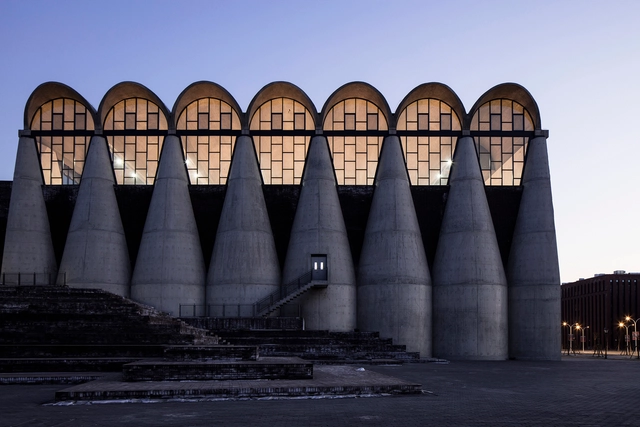
Over the last eight years, I have interviewed Beijing-based architect and educator Zhu Pei several times. His persistent quest to combine traditional planning and construction principles with innovative formal and spatial sensibilities intrigues me. His latest projects, including Zijing International Conference Camp (2022) and Jingdezhen Imperial Kiln Museum (2020), are widely published and represent his most mature works. Yet, he is convinced that his best building is in the making. "This is going to be amazing! I feel so excited!" the architect told me, referring to his now under-construction Majiayao Ruins Museum and Observatory in Gansu province in Northwestern China. "I hate column-beam solutions. I want column-free spaces for the public building," he continued. Our conversation took place earlier this year on a video call, complete with dozens of relevant illustrations.
Studio Zhu-Pei: The Latest Architecture and News
"You Have to Leave Some Space for the Future People to Interpret": In Conversation with Zhu Pei

Beijing Architecture City Guide: 28 Projects to Understand Contemporary Architecture in a 3,000-Year-Old City
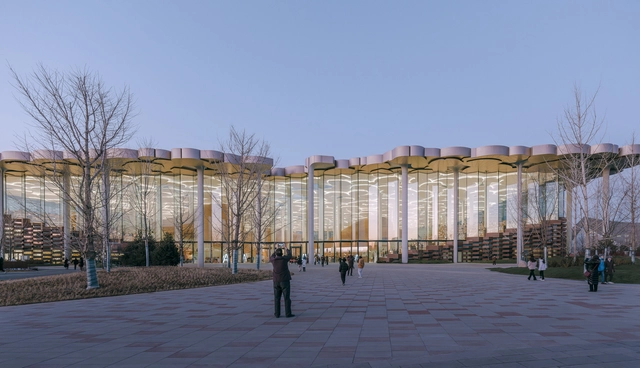
Beijing, as the cultural and political center of China, embodies a rich architectural language that bridges history and modernity, tradition and innovation, showcasing the city's profound depth and diversity. From monumental landmarks like CITIC Tower and Daxing International Airport to the hidden courtyard renovations nestled within the city's historic hutongs; from the dramatic revitalization of the Shougang industrial site to the refined transformations of Baiziwan and Baitasi, Beijing's architectural achievements continue to captivate and inspire. Every space tells a unique story of the city, blending heritage with contemporary vibrancy.
In this city, memories are preserved, and vitality thrives. Let us step into Beijing, rediscovering the "new Beijing" within the "old Beijing" through the lens of its architecture, and experience the depth of time and the pulse of the city in its dynamic spaces.


“I Let Architecture be Deeply Rooted in a Specific Culture": In Conversation with Zhu Pei
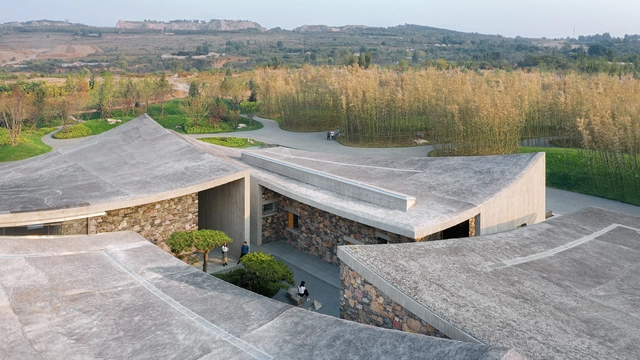
“This is going to be amazing! I feel so excited,” says Zhu Pei about his now under-construction Majiayao Ruins Museum and Observatory in Lintao, Gansu province. The Beijing-based architect designed his building like a deeply embedded cavernous space evoking a giant fragment of ancient pottery, resembling an archaeological site from the Neolithic Age discovered here a century ago. The building is so unusual that it cannot be described in common architectural terms. For example, a vast cast-in-place concrete hyperbolic shell lies prone on the ground, blocking the cold wind from the northwest in winter. The architect used the sand and gravel from the local Tao River to produce a special rough concrete with horizontal scratches on the surface, symbolizing the traces of thousands of years of erosion. All of Zhu’s buildings are quite remarkable. Yet, despite their novelties, they are rooted in culture, nature, and climate. They are designed based on his architectural philosophy, Architecture of Nature, articulated in five fundamental points: incomplete integrity, sponge architecture, cave and nest, sitting posture, and structure and form.


Circular Economy: Design Strategies in a Larger Time Dimension
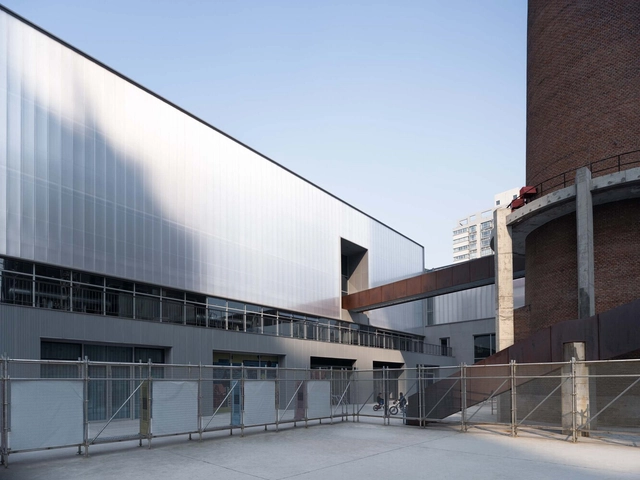
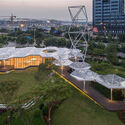
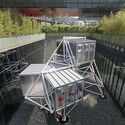
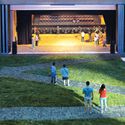
These days, the architecture industry cannot disregard how significant the challenge of sustainability has become. One strategy for achieving sustainable development is a circular economy, based on a sustainable life cycle. This strategy minimizes resource usage and extends the useful life of buildings from a design perspective. Moreover, another challenge is how to increase the usability of the building itself, in addition to how we've incorporated building disassembly into the cycle. This requires that designers take the future into account when making design decisions, integrating the requirements of the present with the potential outcomes of what has not yet happened.

Reading Architecture as a Book
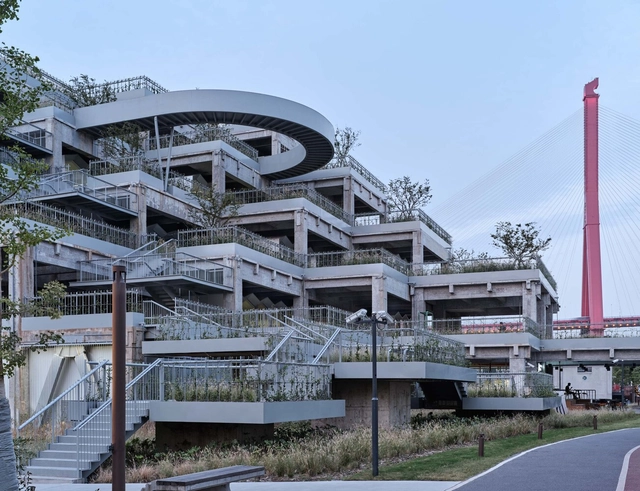
The standards for classifying good or terrible architecture are usefulness and beauty, or what we commonly refer to as practicality and aesthetics. However, practicality might quickly direct us toward functionalism, which is the only viable option, or toward the design of sculptural structures. The architect Le Corbusier once stated, "If you create a house with stone, wood, and concrete, that's just a building; if you touch my heart, that's architecture." However, perhaps the readability of architecture might serve as a criterion for good architecture: Reading architecture as a book with complete words and sentences that stand up to careful consideration.


The Concept of Architecture in the Chinese Aesthetic Context
Western aesthetics is based on the mathematical analysis of an object's formal structure, using classical beauty laws such as balance, symmetry, and the golden mean. Eastern aesthetics differ in that, as it emphasizes intuitive experience, such as "white space" in traditional Chinese painting, through emotional communication with the "imagery" to produce a certain "Conception." The contrast between reality and emptiness allows the viewer's imagination and feelings to flourish, allowing them to realize "showing the breadth of heaven and earth even in a square inch place."


"We Should Treat Nature Sustainably": Zhu Pei Explores COVID-19's Impact on Design and Education
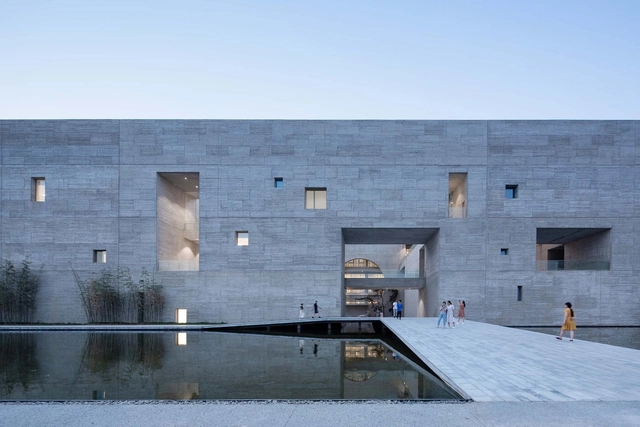
As a Chinese architectural educator and practicing architect, Zhu Pei has founded Studio Zhu-Pei in 2005. Since then, he has been focusing on cultural architecture in both theoretical and practical ways. Based on the concept of 'natural architecture’, he has designed a series of experimental and artistic buildings.
“A Building Created Just to Perform a Particular Function is a Dead Building”: Pei Zhu of Studio Zhu-Pei
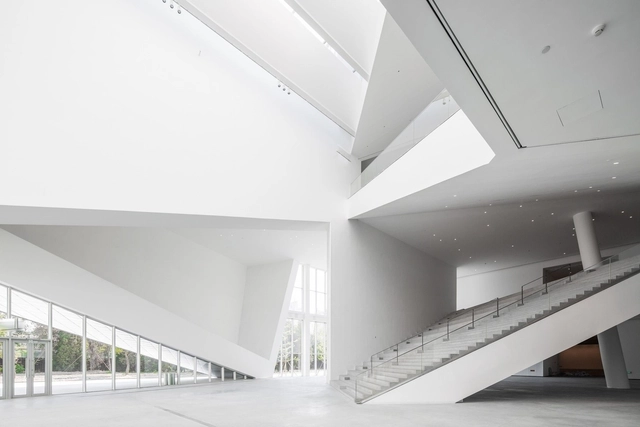
Since the early 2000s, China consistently has been surprising the world as the playground for international superstar architects’ most daring creations. It still does so, but the element of surprise is gone, and with increased concern for building more pragmatically, resourcefully, and overall responsibly, we are much more critical of these spectacular buildings. The script has been flipped: it is the architecture that is produced locally, with humility and social relevance, that attracts attention these days. Nowhere is this process more evident than in China, where the projects led by homegrown talent are by far the most relevant and meaningful architecture that is being built in the country today.
Zhu Pei Named Dean of School of Architecture at Central Academy of Fine Arts in Beijing
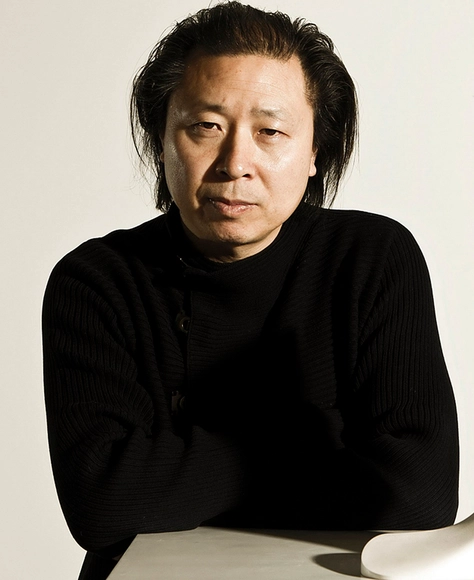
The Central Academy of Fine Arts (CAFA) in Beijing, China, has tapped award-winning Chinese architect Zhu Pei as its next dean of the School of Architecture. Zhu Pei founded his firm Studio Zhu-Pei in 2005 known for its cutting-edge integration of cultural roots and contemporary innovation in design. Zhu Pei has taught at Harvard GSD and Columbia University GSAPP, two of the leading graduate programs in the world.