1. ArchDaily
  2. Studio Tamassociati

Studio Tamassociati: The Latest Architecture and News

Shaping Desire: How Architects Redefine Commercial Spaces

Subscriber Access | 

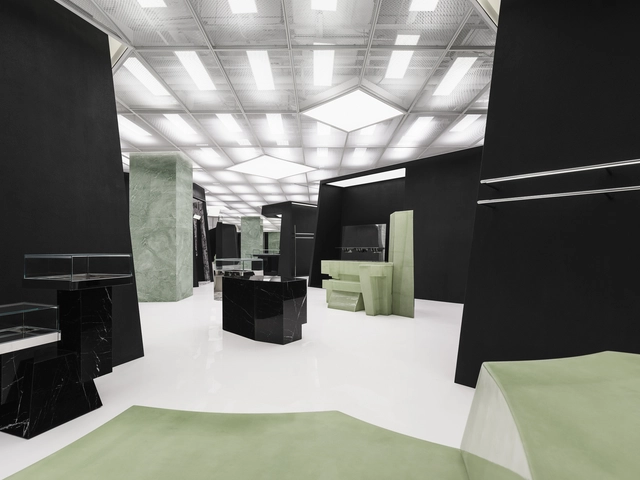
In contemporary architecture, commercial spaces have become more than points of sale; they are stages where identity, image, and experience converge. Stores, showrooms, and branded interiors often operate as laboratories where architects experiment with form, material, and light, translating corporate narratives into spatial experiences. In this context, the architect emerges as a mediator of desire, shaping atmospheres that guide perception, evoke emotion, and subtly influence behavior. This role reveals a complex intersection between design and capitalism: the creation of spaces that sell not only products, but also aspirations, lifestyles, and cultural meaning. By transforming commerce into an architectural performance, these projects invite reflection on how the discipline negotiates its agency in a world where visibility and image have become as essential as function.

Shaping Desire: How Architects Redefine Commercial Spaces - Image 1 of 4Shaping Desire: How Architects Redefine Commercial Spaces - Image 2 of 4Shaping Desire: How Architects Redefine Commercial Spaces - Image 3 of 4Shaping Desire: How Architects Redefine Commercial Spaces - Image 4 of 4Shaping Desire: How Architects Redefine Commercial Spaces - More Images+ 55

Room for Prayer: Designing for Spirituality and Sanctuary

Subscriber Access | 

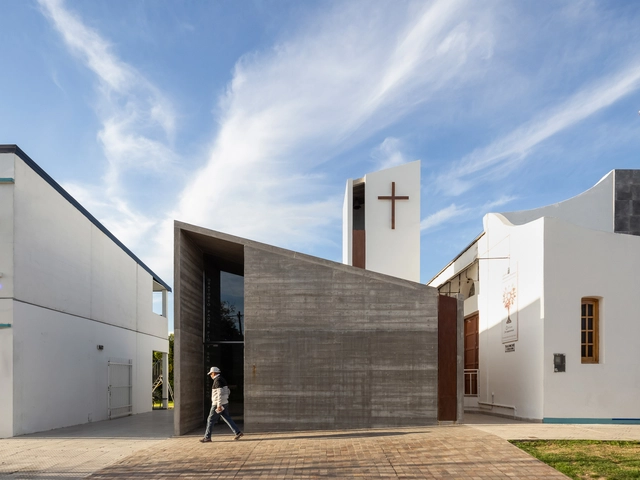
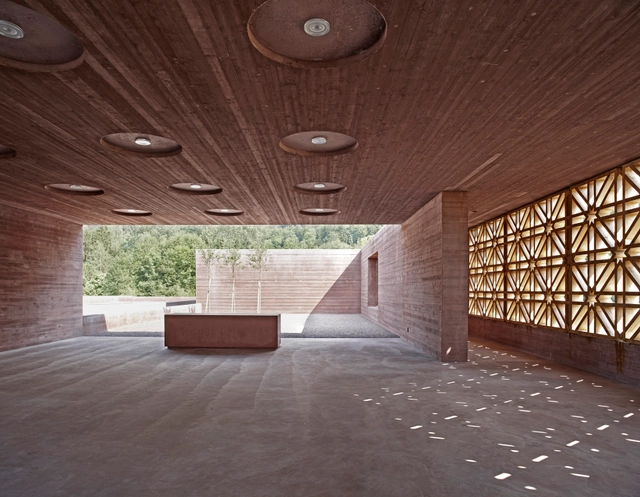
Few spaces are as intimate and contemplative as prayer rooms. Designed as both stand-alone structures and part of larger projects, prayer rooms are made as an architecture of introspection. Located within a house of worship or funerary space, or for their own dedicated purpose, these quiet rooms offer tranquil areas to consider life and the passage of time. Reflecting larger ideas on specific faiths and spirituality, they are designed as spaces of symbolism and sanctuary. 

Room for Prayer: Designing for Spirituality and Sanctuary - Image 1 of 4Room for Prayer: Designing for Spirituality and Sanctuary - Image 2 of 4Room for Prayer: Designing for Spirituality and Sanctuary - Image 3 of 4Room for Prayer: Designing for Spirituality and Sanctuary - Image 4 of 4Room for Prayer: Designing for Spirituality and Sanctuary - More Images+ 6

Italy Presents 20 Projects for the Common Good with “Taking Care” Exhibition for the 2016 Venice Biennale

Italy has selected “Taking Care, Designing for the Common Good” as the theme of their pavilion for the 2016 Venice Biennale, examining architecture as a community service that takes care of individuals, spaces, places, principles and resources. The exhibit will present 20 projects by Italian architecture firms that address a range of problems from health to housing, education and culture. The exhibit will be curated by a team from TAMassociati comprised of Massimo Lepore, Raul Pantaleo and Simone Sfriso.

Video: Raul Pantaleo Discusses the Port Sudan Paediatric Centre

Subscriber Access | 

In this video, Raul Pantaleo, co-founder of Italian practice Studio Tamassociati, discusses the award-winning Port Sudan Paediatric Centre, which recently won first prize in the Zumtobel Group Award’s Buildings category. The remote clinic was commissioned by the NGO “Emergency” and is one of the few facilities to provide free care for children in the region.

Elemental, Arup, and Studio Tamassociati Win Zumtobel Awards for Innovation

Elemental, Arup, and Studio Tamassociati Win Zumtobel Awards for Innovation - Featured Image
Courtesy of Massimo Grimaldi and Emergency ngo

Jury chairman Winy Maas has announced three projects by Arup, Studio Tamassociati and Elemental as winners of the 2014 Zumtobel Group Awards. With a goal to promote innovations for sustainability and humanity in the built environment, the awards represent three categories: Applied Innovations, Buildings and Urban Developments & Initiatives. This year’s winners were selected from 15 nominees, shortlisted from a competitive pool of 356 submissions.

The winning projects are marked by their innovative and ground-breaking character: “The voting to find the number one project was very close in all three categories, because in each case we were able to choose from among a large number of heterogeneous projects of high quality," Described Maas. "One key criterion for the jury this year was the innovation factor, both in a technical sense and with a view to planning and participation processes as well as ecological and social challenges.”

See the winning projects, after the break.

Five Projects Win Aga Khan Award for Architecture

The Master Jury for the 2013 Aga Khan Award for Architecture has announced five deserving projects as winners of the prestigious, US$1 million prize. Since the award was launched 36 years ago, over 100 projects have received the prize and more than 7,500 building projects have been documented for exhibiting architectural excellence and improving the overall quality of life in their regions.

The 2013 Aga Khan Award for Architecture winners include: