1. ArchDaily
  2. Stepwells

Stepwells: The Latest Architecture and News

From Relic to Infrastructure: Can India's Historic Water Systems Work Again?

Audio available

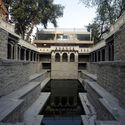
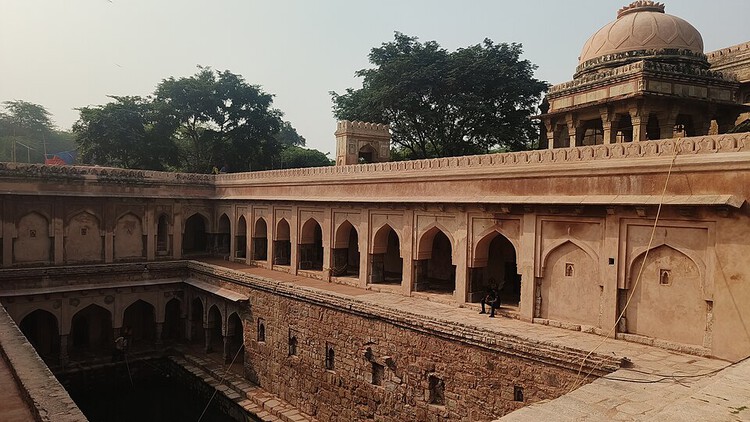
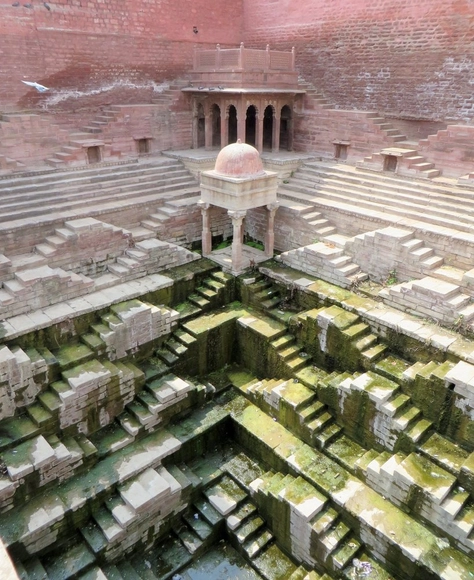
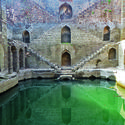
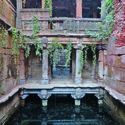
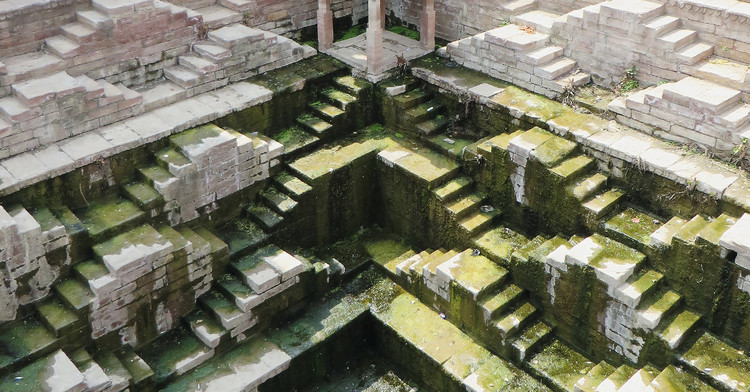
India's stepwells are usually encountered after their useful lives have ended. They are photographed, restored and interpreted as evidence of a water culture that once existed. Beneath the carved stone and descending stairs is a practical question: what happens when a structure built to manage water is put back to work? As Indian cities face water stress, seasonal rainfall and pressure on municipal systems, researchers and restoration efforts are examining whether traditional water structures can function again.

Traditional water architecture was rarely an isolated object. In Ahmedabad, water management was embedded in the organization of the city. Within the historic pols, wells, courtyards and underground Tankas formed part of a distributed system of domestic and communal water storage. A 2026 study in Built Heritage estimates that nearly 10,000 Tankas may still exist across Ahmedabad, many located beneath domestic courtyards.

From Relic to Infrastructure: Can India's Historic Water Systems Work Again? - Image 1 of 4From Relic to Infrastructure: Can India's Historic Water Systems Work Again? - Image 2 of 4From Relic to Infrastructure: Can India's Historic Water Systems Work Again? - Image 3 of 4From Relic to Infrastructure: Can India's Historic Water Systems Work Again? - Image 4 of 4From Relic to Infrastructure: Can India's Historic Water Systems Work Again? - More Images+ 7

Subscriber Access

Water Harvesting: The Ancient Typologies That Sustain Us

The 22nd of March 2022 saw the twenty-ninth commemoration of World Water Day – as a worldwide water crisis continues to leave populations vulnerable. It is an extremely multi-faceted issue. Governance sadly determines water accessibility, with marginalized people disproportionally affected. Urban typologies are another factor. The over-pumping of groundwater sources to meet the water demands of Hanoi, for instance, has resulted in arsenic being drawn into Vietnam’s village wells.

Water Harvesting: The Ancient Typologies That Sustain Us - Image 1 of 4Water Harvesting: The Ancient Typologies That Sustain Us - Image 2 of 4Water Harvesting: The Ancient Typologies That Sustain Us - Image 3 of 4Water Harvesting: The Ancient Typologies That Sustain Us - Image 4 of 4Water Harvesting: The Ancient Typologies That Sustain Us - More Images+ 5

Photographs by Victoria Lautman Depict India’s Subterranean Stepwells

Victoria Lautman, the LA-based journalist, started taking pictures of stepwells in India, thirty years ago, collecting images from all over the country. The Fowler Museum at UCLA is exhibiting nearly fifty photographs of these water-harvesting structures, till the 20th of October 2019.

Photographs by Victoria Lautman Depict India’s Subterranean Stepwells - Image 1 of 4Photographs by Victoria Lautman Depict India’s Subterranean Stepwells - Image 2 of 4Photographs by Victoria Lautman Depict India’s Subterranean Stepwells - Image 3 of 4Photographs by Victoria Lautman Depict India’s Subterranean Stepwells - Image 4 of 4Photographs by Victoria Lautman Depict India’s Subterranean Stepwells - More Images+ 13

Subscriber Access

The Astonishing (Vanishing) Stepwells of India

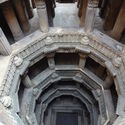
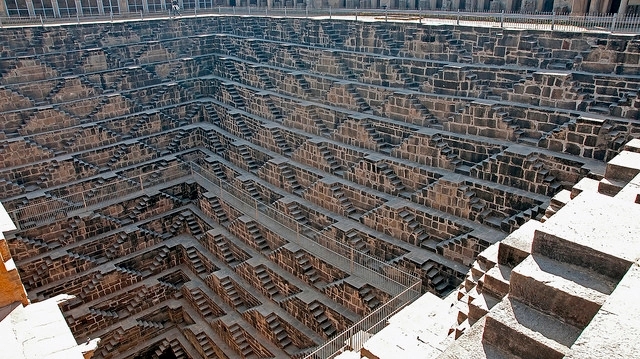
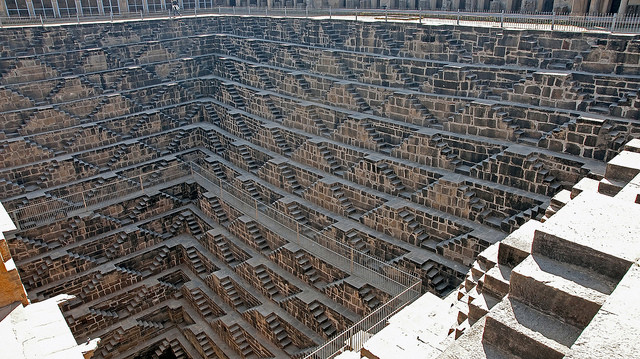
Thirty years ago, on my first visit to India, I glanced over an ordinary wall. The ground fell away and was replaced by an elaborate, man-made chasm the length and depth of which I couldn’t fathom. It was disorienting and even transgressive; we are, after all, conditioned to look up at architecture, not down into it, and I had no clue as to what I was looking at. Descending into the subterranean space only augmented the disorientation, with telescoping views and ornate, towering columns that paraded five stories into the earth. At the bottom, above-ground noises became hushed, harsh light had dimmed, and the intense mid-day heat cooled considerably. It was like stepping into another world.

The Astonishing (Vanishing) Stepwells of India - Image 1 of 4The Astonishing (Vanishing) Stepwells of India - Image 2 of 4The Astonishing (Vanishing) Stepwells of India - Image 3 of 4The Astonishing (Vanishing) Stepwells of India - Image 4 of 4The Astonishing (Vanishing) Stepwells of India - More Images+ 10

The Most Amazing (Unknown) Buildings In the World

What makes a building world-famous? The answer is most likely some combination of magnificence, size, and historical importance. But it's far from an exact science, and many of the world's most impressive architectural landmarks are therefore not very well known outside of their own locations.

Thankfully, this post on Quora sheds some light on the lesser-known architectural landmarks on the planet. Read on to find out which marvels you may have missed...

The Most Amazing (Unknown) Buildings In the World - Image 1 of 4The Most Amazing (Unknown) Buildings In the World - Image 2 of 4The Most Amazing (Unknown) Buildings In the World - Image 3 of 4The Most Amazing (Unknown) Buildings In the World - Image 4 of 4The Most Amazing (Unknown) Buildings In the World - More Images+ 2

Subscriber Access

Is there a Future for India's Stepwells?

Tourists in India dutifully make the rounds, visiting the spectacular temples, palaces, and forts the country has to offer. But, even when they're practically under their feet, people often forget about stepwells, the massive subterranean (up to ten stories) structures that dot the Indian landscape.

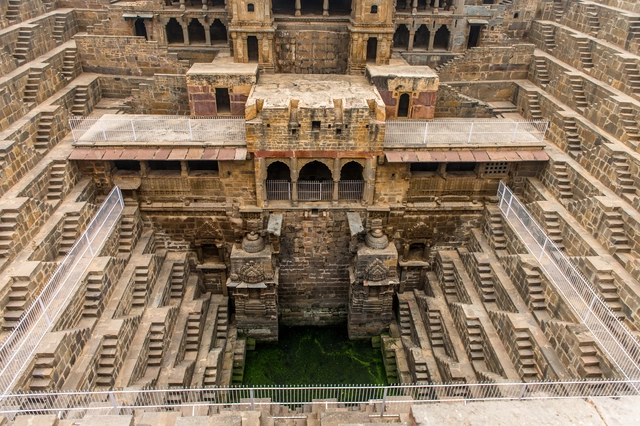
As this video explains, stepwells, first constructed around 300 CE, were born out of a need to dependably collect and store water. They boast highly complex circulation and ornamentation, and over the years have evolved to function also as community centres and temples. But, as architecture journalist Victoria Lautman has pointed out, with the spread of industrialisation and drought (not to mention widespread demolition), stepwells are slowly becoming derelict.