1. ArchDaily
  2. Steel Frame

Steel Frame: The Latest Architecture and News

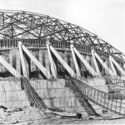
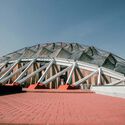
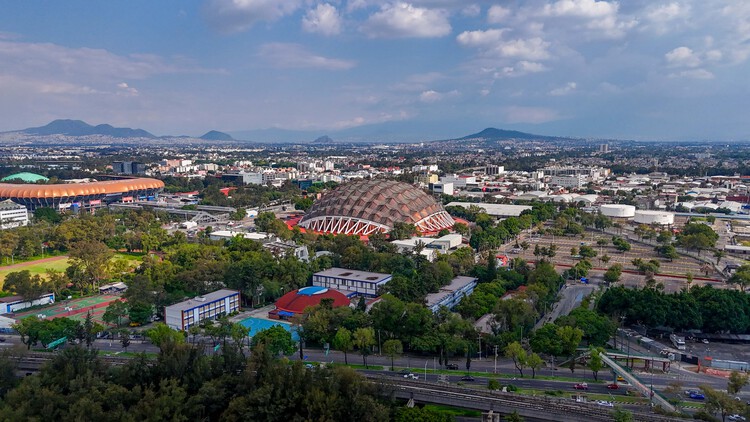
Beyond the Shell: Félix Candela’s Palacio de los Deportes for the 1968 Mexico Olympics

When Mexico City hosted the Olympics in 1968, it was the first time the Games had been awarded to a Latin American country as well as the first time for a Spanish-speaking nation to host them. This made the games a good opportunity to project Mexico and its culture internationally, thus prompting the government to constitute an organizing committee with prominent local talent. They appointed Pedro Ramírez Vázquez as its president, a Mexican architect who held significant influence over the state's mid-century building program. His approach was explicit: architecture as a synthesis of international modernist technique with Pre-Columbian references and local material culture. Under his direction, the committee would oversee the construction and adaptation of venues distributed across the southern districts of Mexico City, nearly all designed and built by local architects, engineers, and technicians.
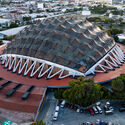
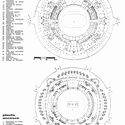
Beyond the Shell: Félix Candela’s Palacio de los Deportes for the 1968 Mexico Olympics - Image 1 of 4Beyond the Shell: Félix Candela’s Palacio de los Deportes for the 1968 Mexico Olympics - Image 2 of 4Beyond the Shell: Félix Candela’s Palacio de los Deportes for the 1968 Mexico Olympics - Image 3 of 4Beyond the Shell: Félix Candela’s Palacio de los Deportes for the 1968 Mexico Olympics - Image 4 of 4Beyond the Shell: Félix Candela’s Palacio de los Deportes for the 1968 Mexico Olympics - More Images+ 7

Van Nelle Factory: The Story Behind a Modernist Icon in Rotterdam

Subscriber Access | 

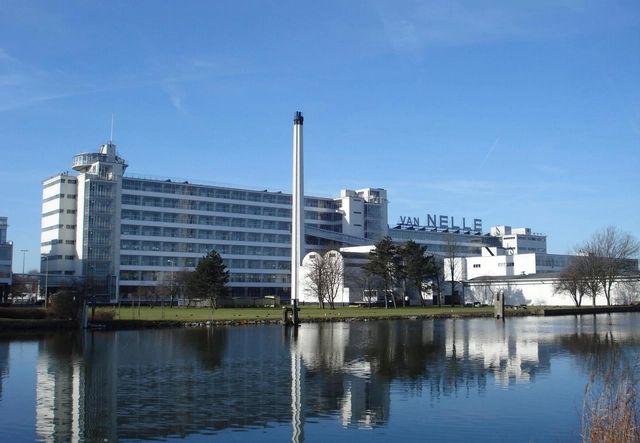
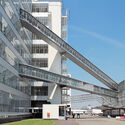
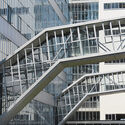
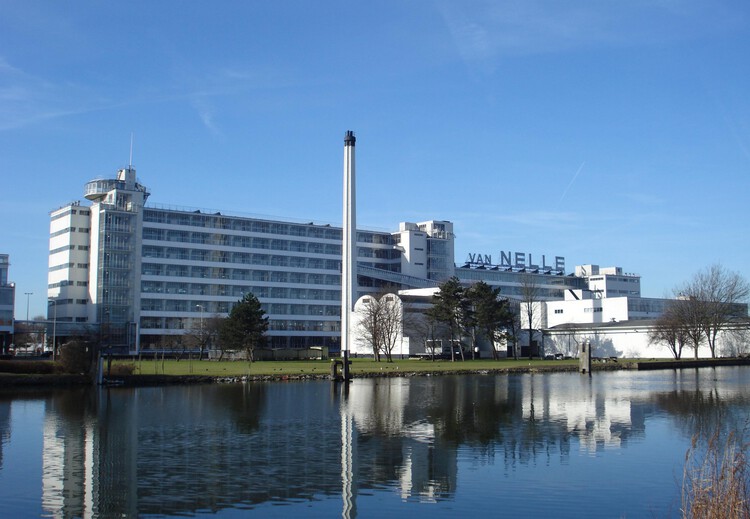
The Van Nelle Factory, located in Rotterdam, is one of the most significant examples of Modernist Industrial Architecture. Designed by Johannes Andreas Brinkman and Leendert van der Vlugt between 1925 and 1931, with the involvement of Mart Stam — a pioneer in modernist furniture design and architecture — the factory was conceived as a progressive and functional building for processing coffee, tea, and tobacco.

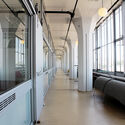
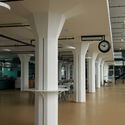
Envisioned as a "daylight factory", the Van Nelle complex introduced revolutionary architectural and social concepts for its time. By integrating glass, steel, and concrete into an open, rational layout, it demonstrated how design could transform industrial processes while improving the lives of the people within. It was not merely a space for production but a symbol of optimism, representing the potential of architecture to reshape industries and communities.

Van Nelle Factory: The Story Behind a Modernist Icon in Rotterdam - Image 1 of 4Van Nelle Factory: The Story Behind a Modernist Icon in Rotterdam - Image 2 of 4Van Nelle Factory: The Story Behind a Modernist Icon in Rotterdam - Image 3 of 4Van Nelle Factory: The Story Behind a Modernist Icon in Rotterdam - Image 4 of 4Van Nelle Factory: The Story Behind a Modernist Icon in Rotterdam - More Images+ 37

Discovering Remote Retreats: 20 Projects Showcasing the Appeal of Nature-Set Accommodations

Subscriber Access | 

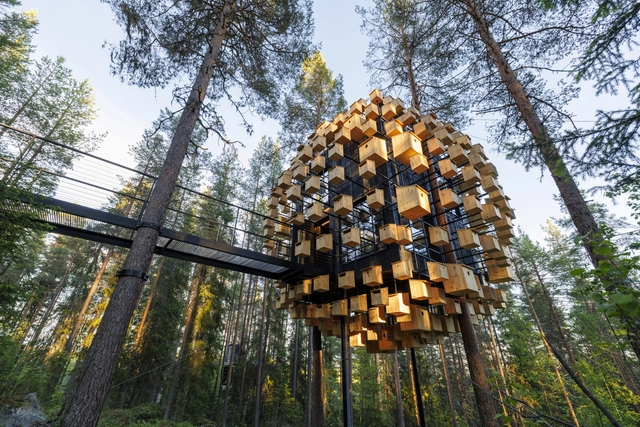
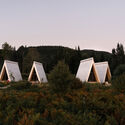
Today's population lives in large, vibrant, and sometimes chaotic cities. That’s why the most popular options involve escaping to natural settings such as remote forests, tropical jungles, or pristine beaches when choosing places to take a break from daily responsibilities and routines. For those seeking to disconnect completely from city life while staying closely connected to nature, small-scale hotels, cabins, and lodges are excellent options. Whether it’s a private vacation home or a cabin hotel, these accommodations are designed to make their natural surroundings their most important asset, allowing the buildings to blend seamlessly into the landscape.
Discovering Remote Retreats: 20 Projects Showcasing the Appeal of Nature-Set Accommodations - Image 12 of 4Discovering Remote Retreats: 20 Projects Showcasing the Appeal of Nature-Set Accommodations - Image 5 of 4Discovering Remote Retreats: 20 Projects Showcasing the Appeal of Nature-Set Accommodations - Image 2 of 4Discovering Remote Retreats: 20 Projects Showcasing the Appeal of Nature-Set Accommodations - Image 16 of 4Discovering Remote Retreats: 20 Projects Showcasing the Appeal of Nature-Set Accommodations - More Images+ 16

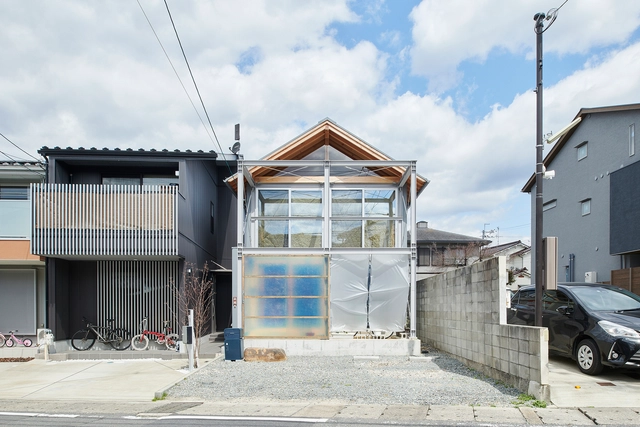
MOH House / Yaneura design

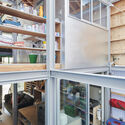
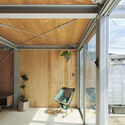
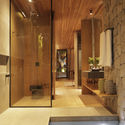
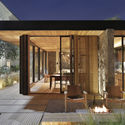
MOH House / Yaneura design - Interior Photography, Houses, Bathroom, Beam, SinkMOH House / Yaneura design - Interior Photography, Houses, Facade, Door, BeamMOH House / Yaneura design - Interior Photography, Houses, Facade, Beam, HandrailMOH House / Yaneura design - Interior Photography, Houses, Door, Facade, ChairMOH House / Yaneura design - More Images+ 8

Kyoto, Japan

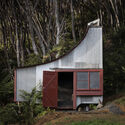
Shack in the Rocks / Sean Godsell Architects

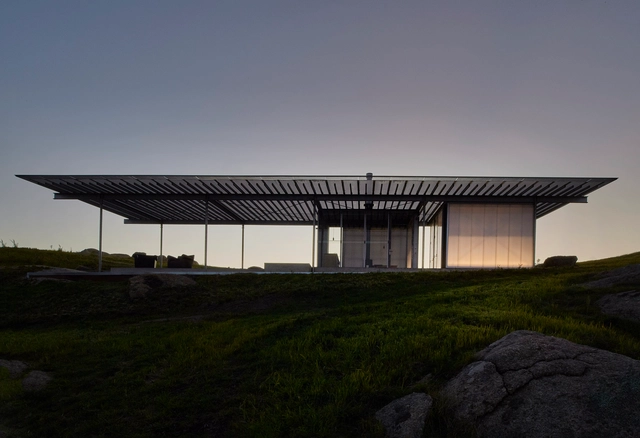
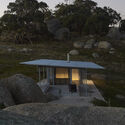
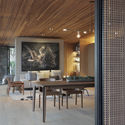
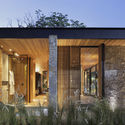
Shack in the Rocks / Sean Godsell Architects - Exterior Photography, HousesShack in the Rocks / Sean Godsell Architects - Interior Photography, Houses, Table, ChairShack in the Rocks / Sean Godsell Architects - Exterior Photography, HousesShack in the Rocks / Sean Godsell Architects - Exterior Photography, HousesShack in the Rocks / Sean Godsell Architects - More Images+ 46

Steel Frame and Timber Frame: The Benefits of Dry Construction Systems

Subscriber Access | 

You have to consider many factors when designing an architectural project in order to ensure quality and value. The construction technique is in most cases the first item to be evaluated, because it is the one factor that properly materializes the proposed design and determines the efficiency of the project in terms of time, costs, labor, finishes and final quality.

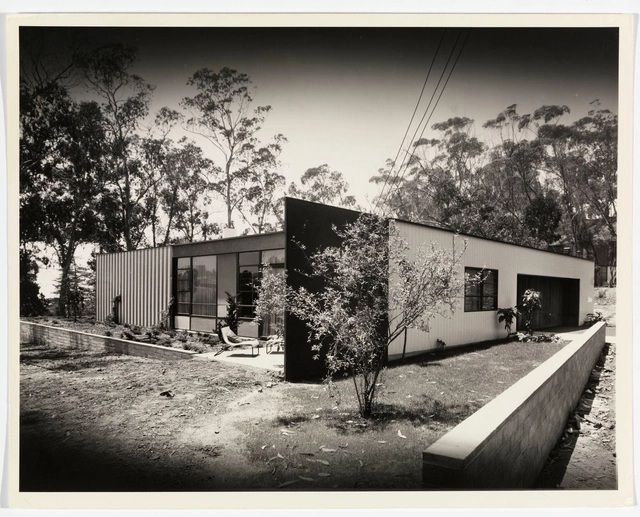
AD Classics: The Entenza House (Case Study #9) / Charles & Ray Eames, Eero Saarinen & Associates

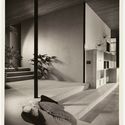
Nestled in the verdant seaside hills of the Pacific Palisades in southern California, the Entenza House is the ninth of the famous Case Study Houses built between 1945 and 1962. With a vast, open-plan living room that connects to the backyard through floor-to-ceiling glass sliding doors, the house brings its natural surroundings into a metal Modernist box, allowing the two to coexist as one harmonious space.

Like its peers in the Case Study Program, the house was designed not only to serve as a comfortable and functional residence, but to showcase how modular steel construction could be used to create low-cost housing for a society still recovering from the the Second World War. The man responsible for initiating the program was John Entenza, Editor of the magazine Arts and Architecture. The result was a series of minimalist homes that employed steel frames and open plans to reflect the more casual and independent way of life that had arisen in the automotive age.[1]

AD Classics: The Entenza House (Case Study #9) / Charles & Ray Eames, Eero Saarinen & Associates - Houses Interiors, Door, Table, ChairAD Classics: The Entenza House (Case Study #9) / Charles & Ray Eames, Eero Saarinen & Associates - Houses InteriorsAD Classics: The Entenza House (Case Study #9) / Charles & Ray Eames, Eero Saarinen & Associates - Houses Interiors, Table, LightingAD Classics: The Entenza House (Case Study #9) / Charles & Ray Eames, Eero Saarinen & Associates - Houses Interiors, Door, Facade, StairsAD Classics: The Entenza House (Case Study #9) / Charles & Ray Eames, Eero Saarinen & Associates - More Images+ 23

In Progress: Culture Forest / Unsangdong Architects

Subscriber Access | 
In Progress: Culture Forest / Unsangdong Architects - Image 5 of 4
Courtesy of Unsangdong Architects

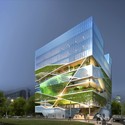
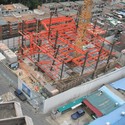
Unsangdong Architects have nearly finished the steel structure of the “Culture Forest”, revealing the distinctive figure of the Culture & Art Center in SeongDong-gu, Republic of Korea. Read the architect’s description and view schematic renderings on our previous post.

More photos after the break.

Architects: Unsangdong Architects – YoonGyoo Jang, ChangHoon Shin, SungMin Kim Location: 656-323, SeongSu-dong, SeongDong-gu, Seoul, South Korea Client: Municipality of SeongDong-gu Structure: Steel framed reinforcement concrete Use: welfare, education and research, culture, nursery school Site Area: 1694m2 Bldg Area: 1001.77m2 Gross Floor Area: 9597.37m

In Progress: Culture Forest / Unsangdong Architects - Image 11 of 4In Progress: Culture Forest / Unsangdong Architects - Image 4 of 4In Progress: Culture Forest / Unsangdong Architects - Image 1 of 4In Progress: Culture Forest / Unsangdong Architects - Featured ImageIn Progress: Culture Forest / Unsangdong Architects - More Images+ 7