1. ArchDaily
  2. Skylines

Skylines: The Latest Architecture and News

Pelli Clarke & Partners' City Tower One and Dubai Cityscape Under the Lens of Ahmad Alnaji

Audio available

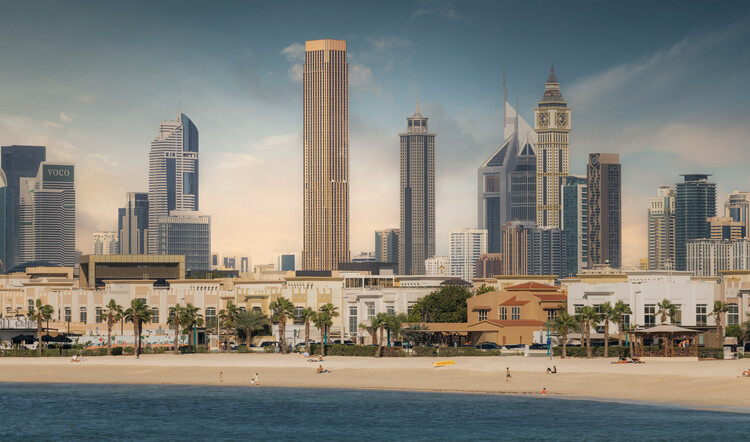
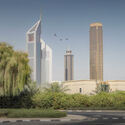
City Tower One is a 358-meter-tall (1,175 ft.) tower in Dubai designed by Pelli Clarke & Partners. The 93-story mixed-use skyscraper completed construction and launched for leasing in June 2026. The building is located in the Trade Centre First neighborhood, on a site connecting Sheikh Zayed Road to Al Badaa Road along Eleventh Street, and includes 608 residential units across from Hazel Wong's Emirates Towers and Killa Design's Museum of the Future. The building's presence in Dubai's skyline and everyday urban life was recently captured by local photographer Ahmad Alnaji, founder of SARAB Art Production and a contributor to the visual identity of landmark buildings across the region, including projects by architecture practices such as Foster + Partners, UNStudio and Killa Design.
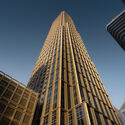
Pelli Clarke & Partners' City Tower One and Dubai Cityscape Under the Lens of Ahmad Alnaji - Imagen 1 de 4Pelli Clarke & Partners' City Tower One and Dubai Cityscape Under the Lens of Ahmad Alnaji - Imagen 2 de 4Pelli Clarke & Partners' City Tower One and Dubai Cityscape Under the Lens of Ahmad Alnaji - Imagen 3 de 4Pelli Clarke & Partners' City Tower One and Dubai Cityscape Under the Lens of Ahmad Alnaji - Imagen 4 de 4Pelli Clarke & Partners' City Tower One and Dubai Cityscape Under the Lens of Ahmad Alnaji - More Images+ 21

Air Rights Explained: Balancing Private Gain with Public Good

Subscriber Access | 

Air rights transactions have become essential in urban development, allowing cities to grow vertically while preserving limited land resources. Typically defined as the right to use or sell the space above a property, air rights enable property owners to transfer unused floor area ratio (FAR) to neighboring parcels, creating increased density and financial gain opportunities. However, the definition can vary based on locality and region, as each country interprets air rights and the ability to build or transfer them differently. As urban centers face mounting pressures from limited land supply and population growth, air rights continue to offer a creative solution that fosters architectural innovation and economic efficiency.

Air Rights Explained: Balancing Private Gain with Public Good - Image 1 of 4Air Rights Explained: Balancing Private Gain with Public Good - Image 2 of 4Air Rights Explained: Balancing Private Gain with Public Good - Image 3 of 4Air Rights Explained: Balancing Private Gain with Public Good - Image 4 of 4Air Rights Explained: Balancing Private Gain with Public Good - More Images+ 9

Reading Between the Skylines

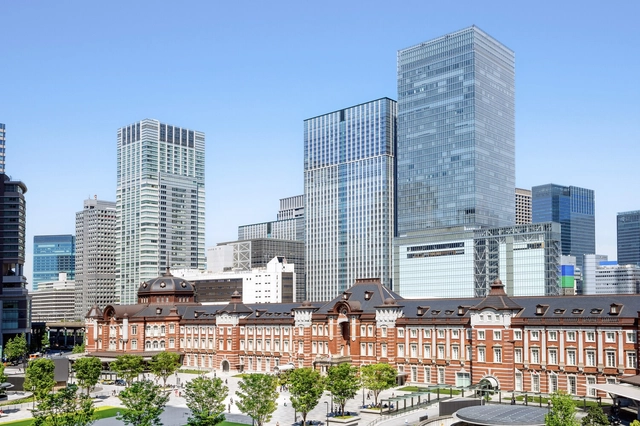
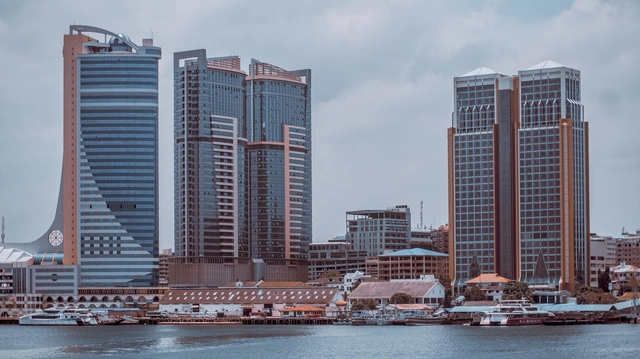
Cities have been, and will always be multi-faceted, elastic sites. They are settlements in continuous evolution, molded by proximity to natural resources, by migrating populations, and by capital. Despite the diversity in the urban character of disparate cities, it has been said that cities look alike now more than ever before, a uniformity that means a glass-and-steel tower in Singapore would not look out of place in Mumbai’s Bandra Kurla Complex.

Reading Between the Skylines - Image 1 of 4Reading Between the Skylines - Image 2 of 4Reading Between the Skylines - Image 3 of 4Reading Between the Skylines - Image 4 of 4Reading Between the Skylines - More Images+ 9

New Visualizations Show How London's Skyline Will Look in 2026

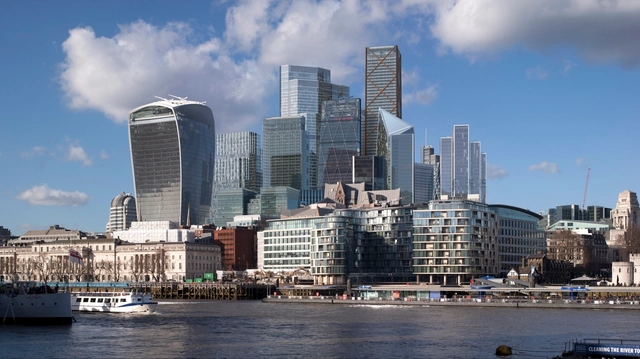
The City of London has released new visualizations showing how its fast-changing skyline will look by 2026, as 13 schemes are currently under construction or due to begin construction in London’s Financial District.

New Visualizations Show How London's Skyline Will Look in 2026 - Image 1 of 4New Visualizations Show How London's Skyline Will Look in 2026 - Image 2 of 4New Visualizations Show How London's Skyline Will Look in 2026 - Image 3 of 4New Visualizations Show How London's Skyline Will Look in 2026 - Image 4 of 4New Visualizations Show How London's Skyline Will Look in 2026 - More Images+ 2