Everyone is blameworthy for at least one bad habit / behavior at his/her workplace: talking on the phone too loudly, stealing someone else's mug, walking around the office with a very odorous lunch...
After a little reunion with her friends who work in the architecture field, illustrator Chanel Dehond couldn't help but notice a few "crimes" that almost all architects are guilty of.
Take a look at Dehond's illustrations of the petty crimes done by architects and designers.
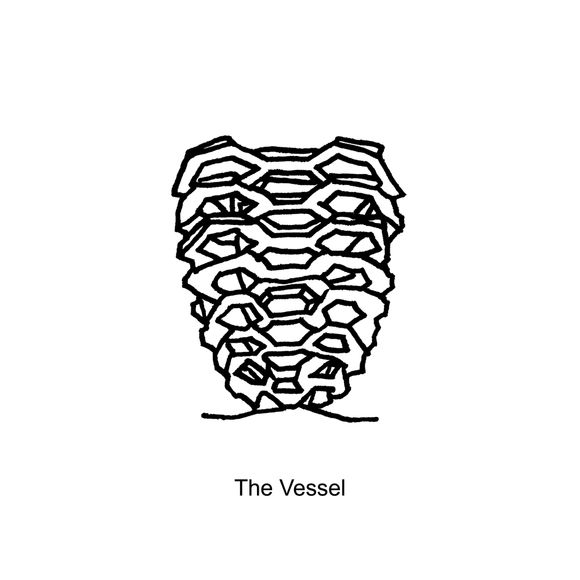
“Hudson Yards’ Large Honeycomb… Hudson Yards’ New Shawarma Sculpture…” Call it what you want, but the Vessel has created quite a buzz over the past couple of weeks, and it is not just because of its impressive architecture, or the panoramic view at the top (to which some claimed that getting there was an uncalled for work-out).
After coming across different nicknames of Hudson Yards’ now-famous point of attraction, architectural designer and illustratorChanel Dehond selected some of the most amusing ones and transformed them into sketches.
Tell us, ArchDaily readers, what do you call the Vessel?
Some time ago, I embarked on an internet research journey for a project centered on representation in architecture. My quest led me to peruse the websites of various architecture firms. While many of them passed quickly without leaving a lasting impression, a few captured my full attention. I delved into and appreciated the unique sensibilities of their authors, particularly their penchant for drawings and freehand sketches, which I had not previously encountered.
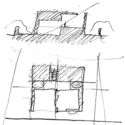
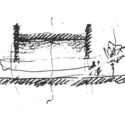
Within the vast landscape of these mental explorations, I stumbled upon Alberto Campo Baeza's drawing library—a discovery I enjoyed so much that I felt compelled to share it.
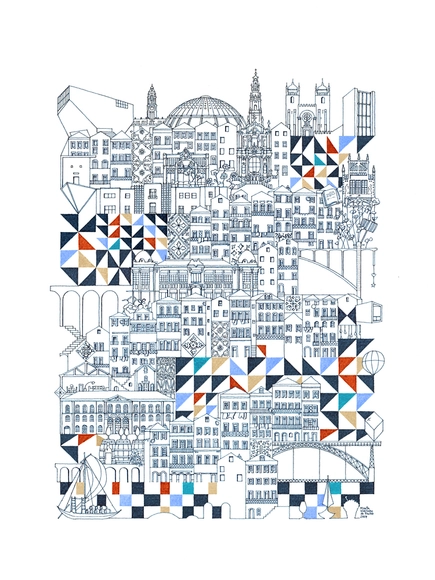
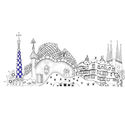
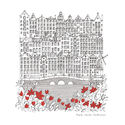
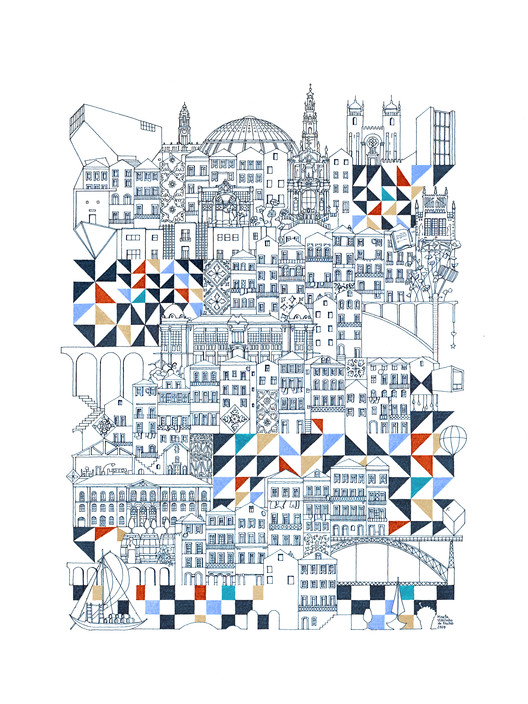
Architect and illustrator, Marta Vilarinho de Freitas has yet again enchanted us with her intricate drawings of cities in thin-line-pen on paper. The Portuguese architect has been exercising her passion in drawing through a series of drawings entitled, Cities and Memory - the Architecture and the City.
Fascinated by cities, Marta’s illustrations express her connection with architecture while still capturing the romantic and qualitative aspects of each city, its patterns, colors, atmosphere, and light.
Marta Vilarinho de Freitas combines fantasy with detailed accuracy in her compositions of stacked building facades, roof pitches, plans and sections along with elements distinct to the city depicted such as Dutch windmills, boats, books, and instruments.The process of creating these drawings is cyclical in that they continue to inform Marta of the spirit of each city as she draws each art piece.
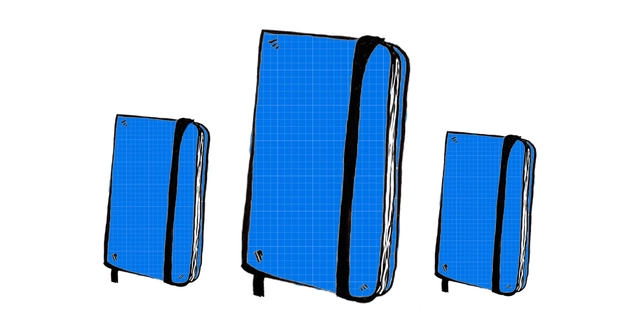
The sketchbook: it is probably the first thing you buy in architecture school, and, the thing you hold on to most dearly. It is one of the most important tools to help document, problem-solve, and archive your journey as an architect. The sketchbook is the physical extension of one’s architectural mind, and the way one organizes it says a lot about the holder. What does your sketchbook say about you? Read on to find out:
The World Architecture Festival, with co-curators Make Architects and the Sir John Soane’s Museum, has announced the winner of the their inaugural Architecture Drawing Prize, established to recognize the “continuing importance of hand drawing, whilst also embracing the creative use of digitally produced renderings.”
From 166 entries from architects, designers and students across the globe, 38 of the best drawings were shortlisted within three categories: Digital, Hand-drawn, and Hybrid. From that list, commendations and a category winner were chosen, with the overall grand prize awarded to the year’s best drawing. Submissions were evaluated on technical skill, originality in approach and ability to convey an architectural idea, whether for a conceptual or actual building project.
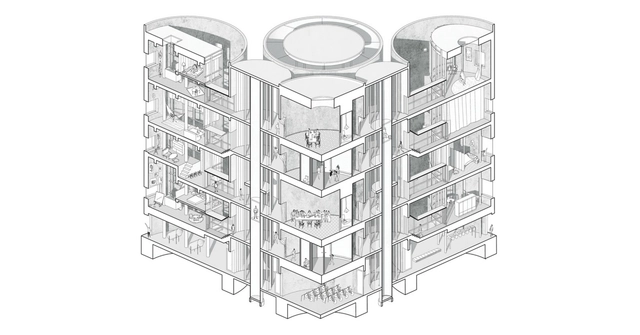
This year, the overall winner was Momento Mori: a Peckham Hospice Care Home by Jerome Xin Hao Ng, produced as part of Ng’s final diploma project at The Bartlett School of Architecture, University College London.
“[The drawing is] a superbly conceived and executed perspectival view looking down through the building from roof level, praised for its technical skill and the sensitivity with which it depicted the spaces found in such institutions as settings for multi-generation social interaction,” said Jeremy Melvin, Curator of World Architecture Festival (WAF).
The 2017 World Architecture Festival will take place in Berlin from November 15-17. Learn more about the Festival and purchase delegate passes here. Use the discount code ARCHDAILY17 to receive 20% off. An incredible list of speakers including Alison Brooks, Charles Jencks, Pierre de Meuron and Francis Kéré will feature across 3 days from November 15th to 17th at the Arena Berlin, Germany. Conferences, city tours, lectures and critiques of the shortlisted projects from the 2017 WAF awards are among the events scheduled for the festival.
When it comes to forms of architectural representation, there is no method more expressive or foundational than the drawing. The series of decisions—drawing utensil, paper type, line style, hand versus digital—combined with the choices of what an architect includes (or excludes) in their drawings reveal the true intentions behind the design of a project in perhaps the noblest and purest fashion.
In previous years, we've published round-ups of our favorite images from our database of selected projects (which we will do again this winter!), but this year, we wanted to do something a little different to engage with our community: we asked our readers to submit their own best drawings. The response was overwhelming – we received more than 1200 drawings from our network of readers across the globe, ranging from atmospheric perspectives to interpretive sketches to highly-technical sections.
From those submissions, the ArchDaily team has selected 80 of our favorites, organized into 7 categories: Visualizations, Axonometric - Isometric, Sections, Collages, Context, Sketches and Plans.
Through his sketches, Renzo Piano communicates the true intentions of his projects, pointing to the specific concepts that will become the protagonists of his works, including concern for the human scale and comfort, solar studies, and dialogue with the immediate environment. We compile here ten projects by the architect accompanied by their sketches, through which it is possible to see how the 1998 Pritzker Prize winner takes his designs from paper to reality.
The representation of architecture is important in the absence of tangible space. Throughout a lifetime, even the most devoted, well-travelled design enthusiast will experience only a small percentage of architectural works with their own eyes. Consider that we exist in only one era of architectural history, and the percentage reduces even further. Many architectural works go unbuilt, and the buildings we experience in person amount to a grain of sand in a vast desert.
Then we consider the architecture of the future. For buildings not yet built, representation is not a luxury, but a necessity to test, communicate and sell an idea. Fortunately, today’s designers have unprecedented means to depict ideas, with an explosion in technology giving us computer-aided drafting, photo-realistic rendering, and virtual reality. Despite these vast strides, however, the tools of representation are a blend of old and new – from techniques which have existed for centuries, to the technology of our century alone. Below, we give five answers to the question of how architecture should be depicted before it is built.
Through his illustrations, architect Fernando Neyra tackles issues common to the discipline, for example, the need for a means of graphic style that can create a clear, visually-enticing representation of an architectural idea.
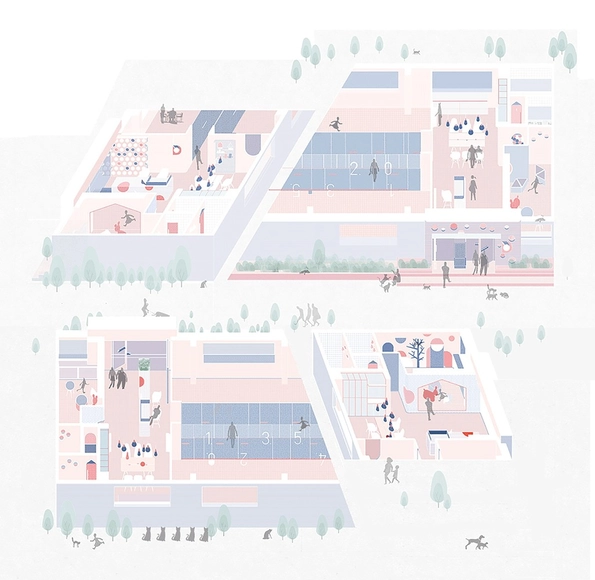
The following series of explorative illustrations shows how digital sketching becomes a powerful communication tool when paired with traditional systems of representation, such as the axonometric perspective.
The result provides us with an understanding of core architectural concepts, while allowing us to reflect on the role of the sketch in contemporary architecture.
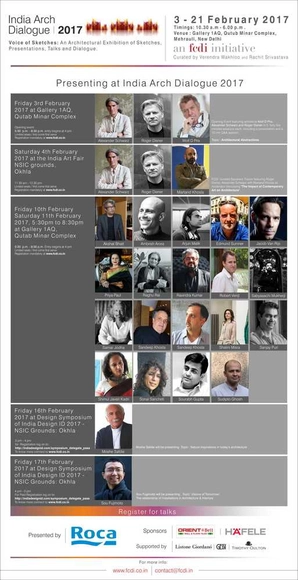
India Arch Dialogue 2017 is an initiative of the FCML Design Initiative that curates an exhibition of architectural sketches along with a series of talks and conversations with some of the best architectural and design minds from India and abroad. The program extends almost all through the month of February (between the 3rd and the 21st) at the Gallery 1AQ, Qutub Minar Complex, Mehrauli, New Delhi).
Designing and building a project is a challenge in itself. However, once the project is complete there are also challenges in expressing the project so that it can be understood by a new audience. This is especially true in digital media, where online readers don't necessarily spend the same time reading an article as in print media. Drawings and all new forms of visual representation – such as animated Gifs – play an important role in the project's understanding.
At ArchDaily we push ourselves as editors to look for the best drawings from the architects that work with us. We are constantly looking to get the best out of the projects we receive to share with the world and deliver knowledge and inspiration to millions of people. The drawings we have chosen are not only visually entertaining but they serve as a way of educating and learning fundamental architectural representations.
Regardless if they are digital or hand-drawn, all the architectural drawings we have selected this year have a sensitive expression, whether it be artistic, technical or conceptual, and they all aim to express and explain the project using simplicity, detail, textures, 3D and color as main tools.
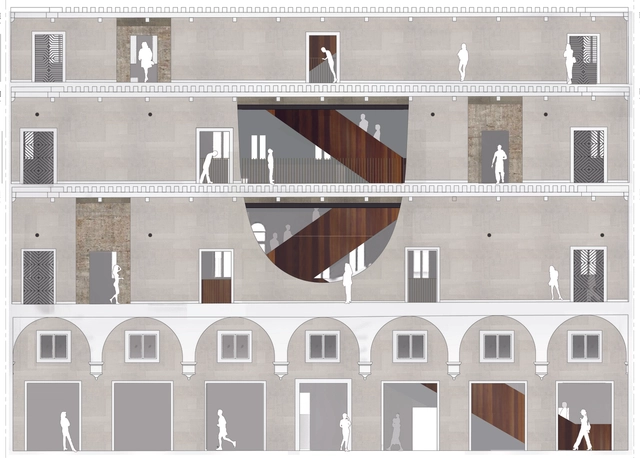
This year we want to highlight a selection of 90 drawings arranged under eight categories: Architectural Drawings, Axonometrics, Context, Diagrams, Sketches, Animated Gifs, Details and Other Techniques.
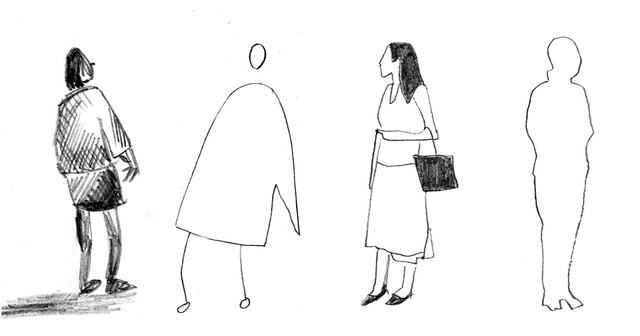
Sketches of scale figures can be seen as an architectural signature. These miniature stand-ins for human life not only bring scale and understanding to a sketch, they also offer a glimpse into the architect’s personality. Some designers automatically go for realistic, anatomically correct people, while others have more abstract interpretations of the human body. But what exactly do these predilections say about their illustrator? Read on to find out:
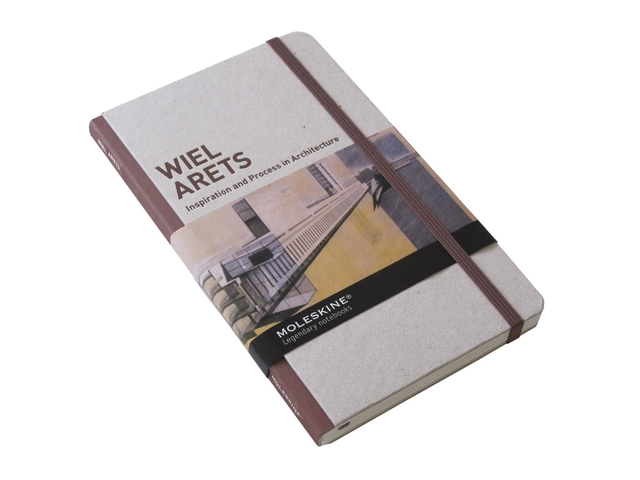
From the Publisher. This book gathers together projects and theoretical reflections immortalized through exacting, oversized perspective views, snapshots, photographic sequences and architectural ideograms in felt pen. This is how architect and theorist Wiel Arets ‘freezes' his thoughts, fixing nascent ideas onto paper. The book opens with an essay by Kenneth Frampton, while previously unpublished hand sketches and coloured pencil perspectives fill the pages.
Wiel Arets, former director of Berlage Institute and currently Dean of the Illinois Institute of Technology College of Architecture, is known for his academic progressive research and hybrid design solutions. He has taught in many universities and designed numerous important buildings, including the Academy of Art and Architecture in Maastricht and the university library of Utrecht.
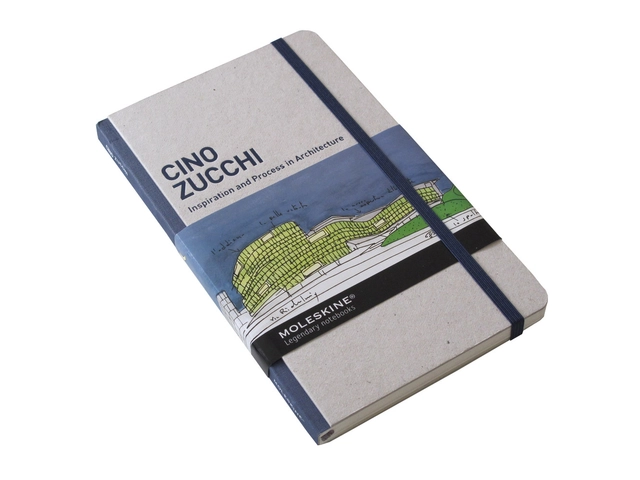
From the Publisher.This book, collecting sketches, maquettes, project drawings and notional references from architecture to science or music intermingled in graphic narratives, composes a highly autobiographical and layered manifesto. Theoretical ideas and architectural practice coexist systematically, tracing out Cino Zucchi's scientific and personal profile.
Cino Zucchi is Chair Professor of Architectural and Urban Design at the Politecnico di Milano and Visiting Professor at Harvard University. He's well known for his projects for the residential buildings in the former Junghans area of Venice and those of Nuovo Portello in Milan, and for the extension of the National Automobile Museum in Turin. Zucchi's various international awards include the Special Mention at the 13th Architecture Biennale (2012), the International Award Architecture in Stone (2009), the Piranesi Award (2001).
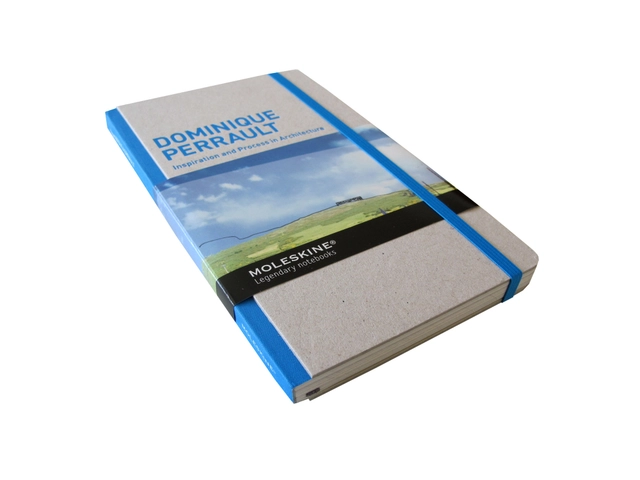
From the Publisher. A selection of materials produced by DPA Studio for two international contests for museums, showing how unfinished works can also become remarkable experiments. Sketches, maquettes, notes and diagrams narrate these endeavors.
Dominique PERRAULT, the author of the Bibliothèque Nationale de France in Paris and of the Ewha Womans University in Seoul, received many prestigious prizes and awards including: "Grande Médaille d'or d'Architecture" in 2010, "Seoul Metropolitan Architecture Award" for EWHA Womans University in Korea, "World Architecture Award" in 2002, "Mies van der Rohe prize" in 1997, "French national Grand Prize for Architecture" in 1993.
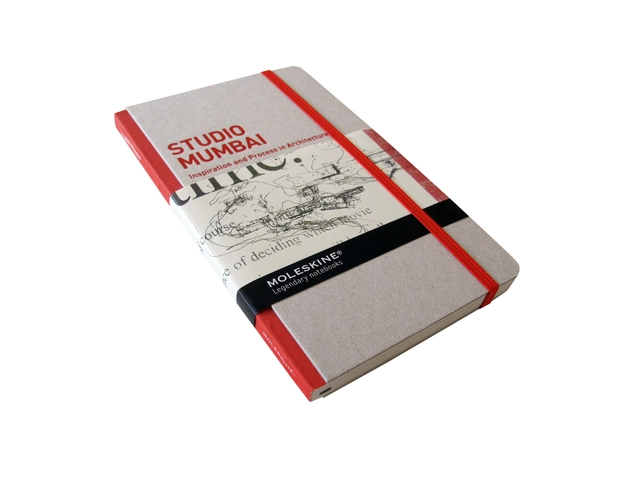
From the Publisher. This book shows the development of Jain's personal mind-process as well as the collective dialogue through which each project evolves. Dialogues unfolded through study sketches made by both Bijoy Jain and the carpenters, as well photographs taken during journeys used as study and inspiration, showcasing a critical part of their design process. Studio Mumbai consists on a group of Indian architects and craftsmen, all resident artisans of Studio Mumbai, headed by Bijoy Jain, one of India's foremost architects.
Studio Mumbai's awards and honours include the Global Award for Sustainable Architecture from the Institute Français d'Architecture (2008), a Special Mention at the 12th Architecture Biennale (2010), the BSI Swiss Architectural Award (2012).
ALL THE BUILDINGS IN NEW YORK is a blog, a book, and, above all, illustrator James Gulliver Hancock's love letter to New York City.
As his website reveals, Hancock "panics that he may not be able to draw everything in the world… at least once." Since Kindergarten, he's been obsessed with drawing in meticulous detail (or, as he tells the Atlantic Cities, with a mix of "technicality and whimsy"), a characteristic this native Australian brought with him when he moved to Brooklyn, New York.
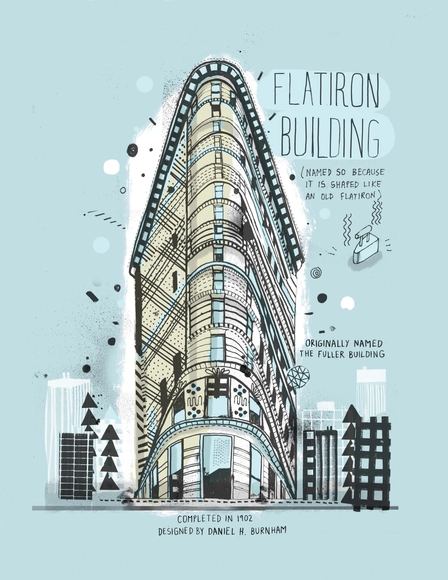
What began as a blog, All The Buildings In New York, to keep track of his many sketches of New York's architecture (particularly the brownstones), is now a book (All The Buildings in New York: That I've Drawn So Far - which includes about 500 drawings). Organized by neighborhoods, it features New York architectural icons from the past and present, including the Chrysler Building, the Flatiron, Apple's 5th Avenue store, as well as the everyday buildings that make up New York's unique cityscape.
See more images from All the Buildings in New York, after the break...