1. ArchDaily
  2. sensory sensitive approach

sensory sensitive approach: The Latest Architecture and News

Mapping Space Without Sight: Inside SEAlab’s Sensory Architecture

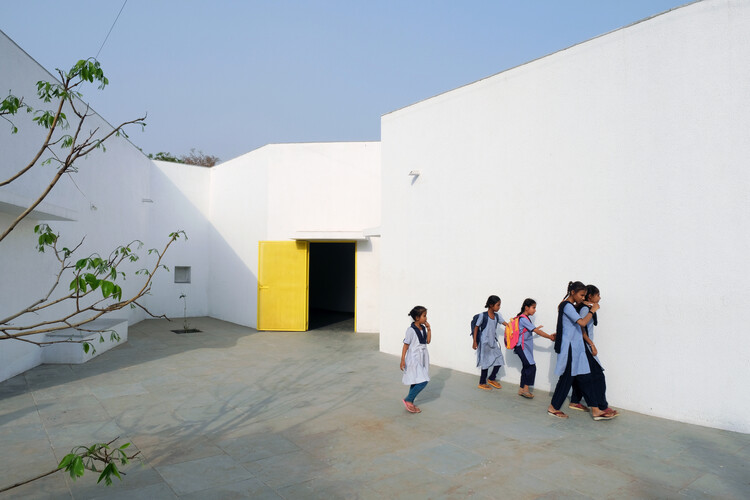
Founded in 2015 in Ahmedabad by Anand Sonecha, SEAlab is a practice shaped by a slow, contemplative engagement with place, proportion, and participation. Recognized as one of the winners of the ArchDaily 2025 Next Practices Awards, the studio builds with simple materials and local techniques, pursuing environments that are experienced as much as they are seen. This ethos became particularly tangible in Gandhinagar, where the School for Blind and Visually Impaired Children did not begin as a purpose-built institution. The school had been operating from an existing primary school building, with classrooms stacked above dormitories and twelve children sharing a single room. Space was limited, and so were growth opportunities. The new academic building was required to expand capacity, improve living conditions, and support greater student independence.

Mapping Space Without Sight: Inside SEAlab’s Sensory Architecture - Image 1 of 4Mapping Space Without Sight: Inside SEAlab’s Sensory Architecture - Image 2 of 4Mapping Space Without Sight: Inside SEAlab’s Sensory Architecture - Image 3 of 4Mapping Space Without Sight: Inside SEAlab’s Sensory Architecture - Image 4 of 4Mapping Space Without Sight: Inside SEAlab’s Sensory Architecture - More Images+ 33

Designing for Autism: Lighting

Subscriber Access | 
Designing for Autism: Lighting - Image 18 of 4
New Struan Centre for Autism © Wardell Armstrong

What do we know about designing for individuals with autism? Those concerned with sensory issues are split on some issues. Some say we should limit daylight and exterior views, keep ceiling heights low and spatial volumes small, use restrained details, subdued colors, and reduce acoustical levels. Others advocate for high ceiling heights, large spatial volumes, and high levels of daylight with plenty of views to the outside. Still others disagree with catering to sensory needs altogether. They point out that individuals with autism struggle generalizing skills, and designing sensory heavens can do more harm than good. Thus they argue for autism classrooms, schools, and homes that mimic all the colors, sounds, lighting, and spatial volumes of “neuro-typical” environments. So who is right?