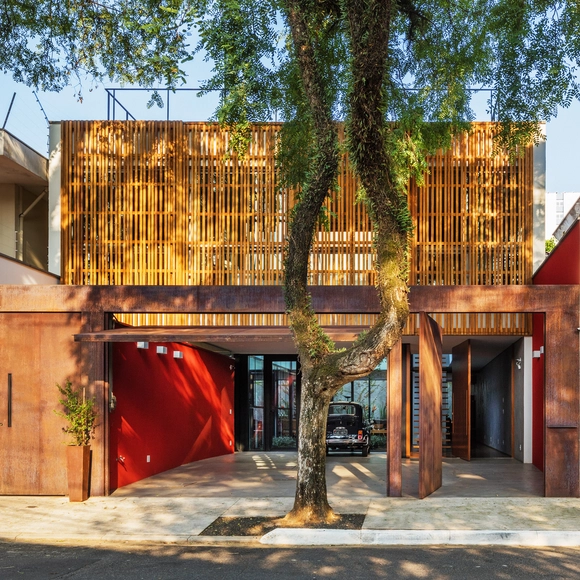
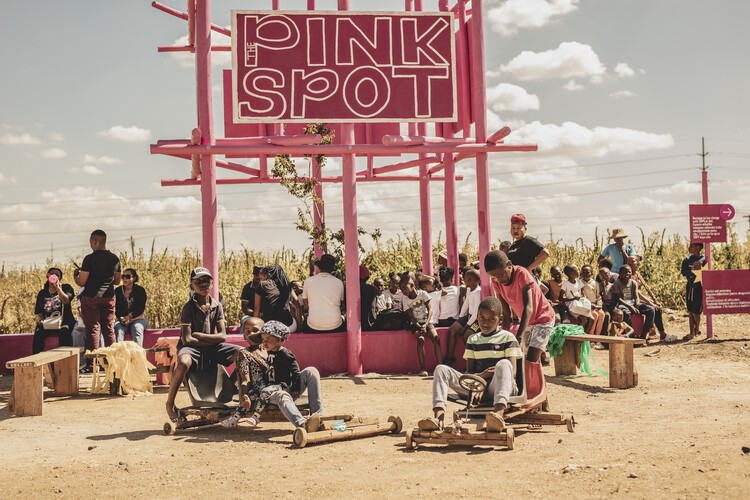
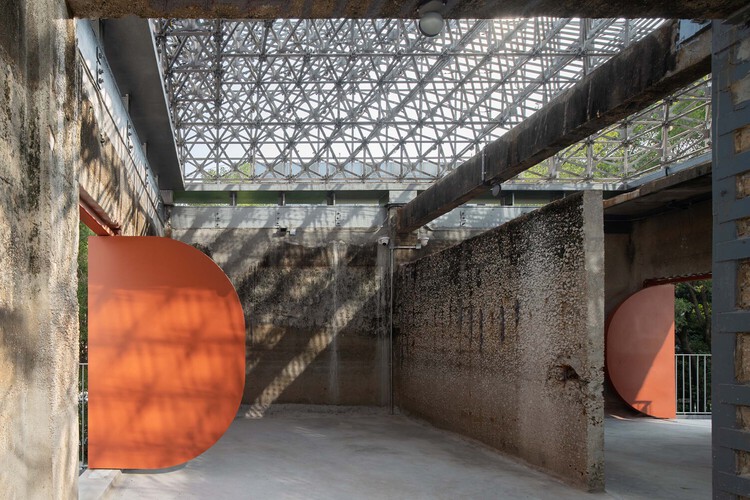
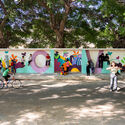
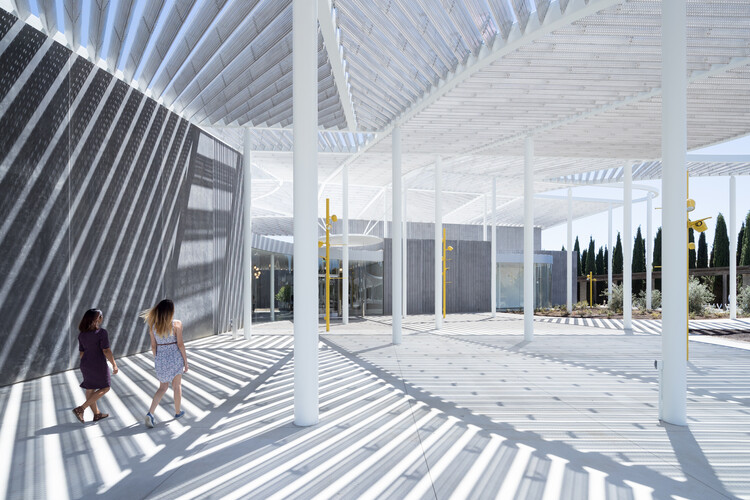
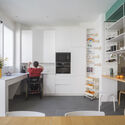
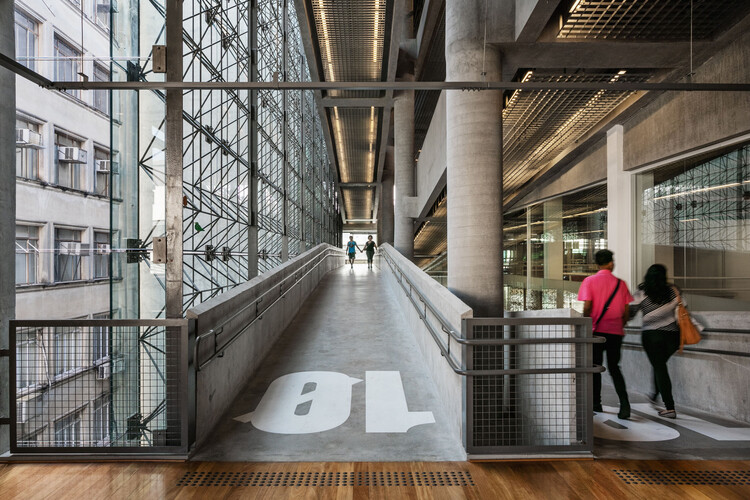
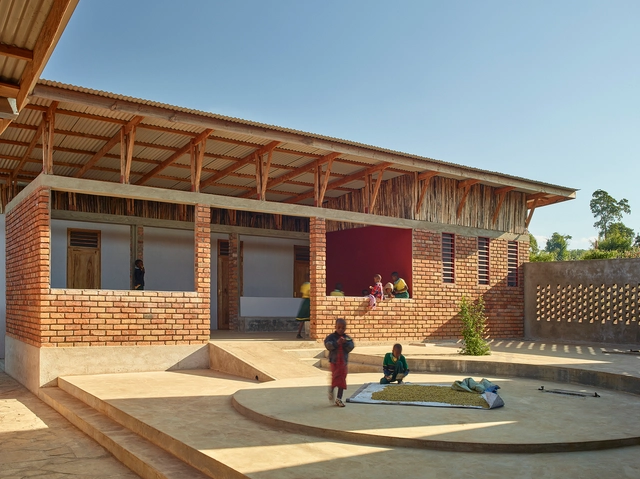
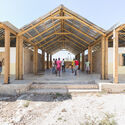
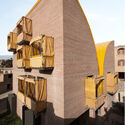
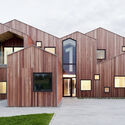
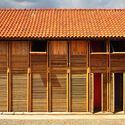
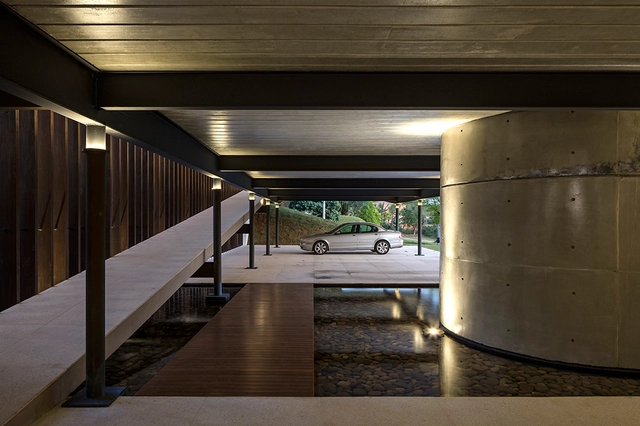
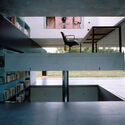
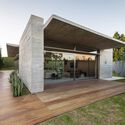
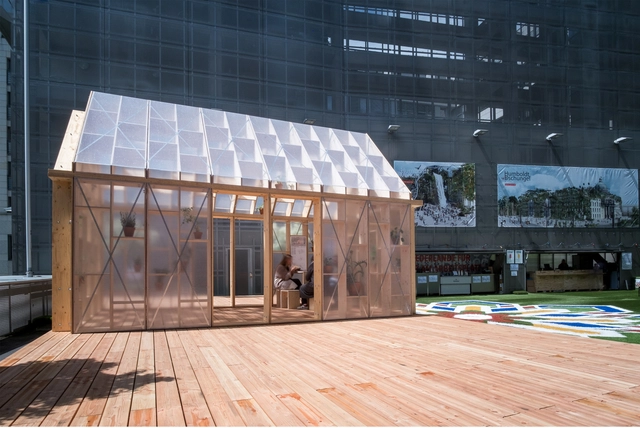
The concept of "eyes on the street" is perhaps the most famous within architectural and urban literature when it comes to urban security. Jane Jacobs uses this expression to refer to people who - consciously or unconsciously - use public spaces or observe them from their homes, generating natural surveillance. A movement that, within our discipline, is encouraged both through quality public spaces and through the powerful relationship between the public and private created through building facades. Advocating for this daily control, Jacobs believes in a way of making architecture and cities that condemns excessive verticalization, reinforced by isolated buildings and single-use ones that deny contact with the street.
As a fundamental human right, inclusion requires that all people—regardless of their backgrounds, abilities, or circumstances—are recognized and respected, with equal access to the same resources and opportunities. For many people with disabilities and their caregivers, accessible washrooms still fail to provide what is most essential: a safe, private, and dignified place for assisted changing. While many facilities comply with ADA and ICC accessibility standards, conventional washroom layouts often do not accommodate users who require additional space, time, and support from caregivers. This gap has contributed to the growing adoption of adult changing facilities, which extend accessibility beyond conventional washroom requirements and respond to needs that standard fixtures cannot address.
There is growing awareness around sustainability—and the environmental cost of prematurely demolishing safe, structurally sound buildings only to replace them with new construction. In the broader race to reduce carbon emissions, corporations and institutions are placing greater emphasis on ESG performance (environmental impact, social responsibility, and governance). Many now require carbon accounting, set "carbon-neutral" targets, or purchase carbon credits to offset footprints.
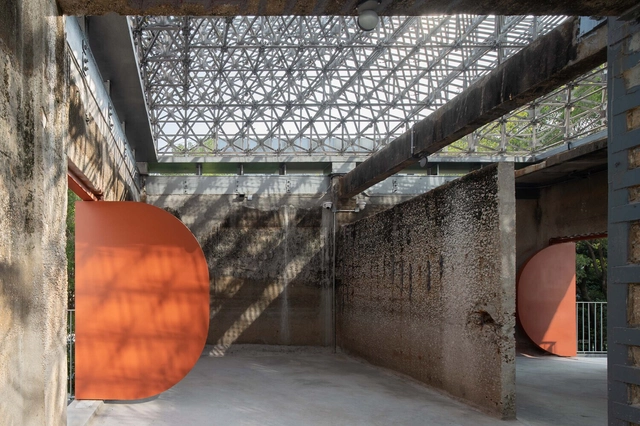
This shift, together with a wave of exemplary adaptive-reuse projects worldwide—Herzog & de Meuron's Tai Kwun in Hong Kong, Powerhouse Arts in Brooklyn, David Chipperfield's The Ned Doha, and Xu Tiantian's transformations of factories, quarries, and rammed-earth fortresses in China—has accelerated serious reconsideration of reuse as a primary development strategy. Yet despite its many benefits, adaptive reuse is still not as prevalent as it could be. Why and what might be the main obstacles and tensions?
Human Rights Day is observed annually on 10 December worldwide. It commemorates the anniversary of the Universal Declaration of Human Rights in 1948. Drafted by representatives with diverse legal and cultural backgrounds from all regions, the Declaration was proclaimed as a common standard of achievement for all peoples and all nations. For the first time, the document set out fundamental human rights to be universally protected and inalienable, entitling every human being to them regardless of race, colour, religion, sex, language, political or other opinion, national or social origin, property, birth, or any other status. Today, the Declaration serves as a global blueprint for international, national, and local laws and policies. Available in 577 languages, it is the most translated document in the world. The United Nations has set the theme for this year's observance as "Human Rights, Our Everyday Essentials," aiming to "reaffirm the values of human rights and show that they remain a winning proposition for humanity."
Every year on 3 December, the International Day of Persons with Disabilities brings renewed attention to the need for inclusive, equitable environments, both socially and spatially. The 2025 theme, "Fostering disability inclusive societies for advancing social progress," highlights how persistent barriers in employment, social protection, and access to services continue to affect more than one billion people worldwide. Within this broader context, the built environment plays a decisive role: architecture can either reinforce exclusion or open pathways toward autonomy, dignity, and participation in daily life.
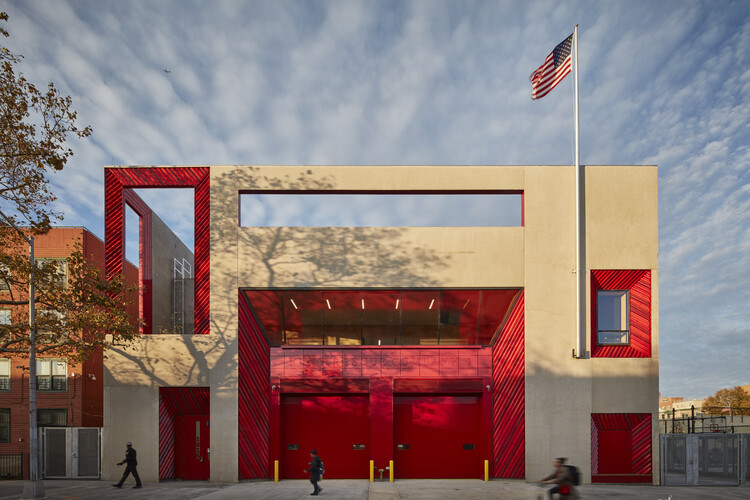
What should be taken into account when designing a fire station? The answer may seem obvious: functionality and efficiency. After all, every second counts in an emergency. But can a building designed for urgent operations also be aesthetically compelling, welcoming, and connected to its community? In recent decades, architects such as Zaha Hadid and Álvaro Siza have demonstrated that it can. By rethinking this building type, they have created spaces that go beyond emergency response—spaces that strengthen social ties, support the well-being of firefighters, and become urban landmarks.
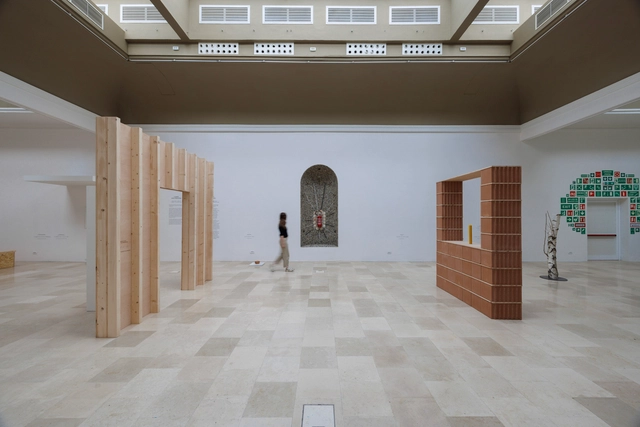
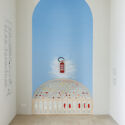
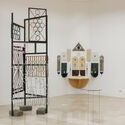
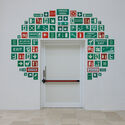
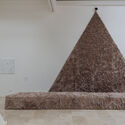
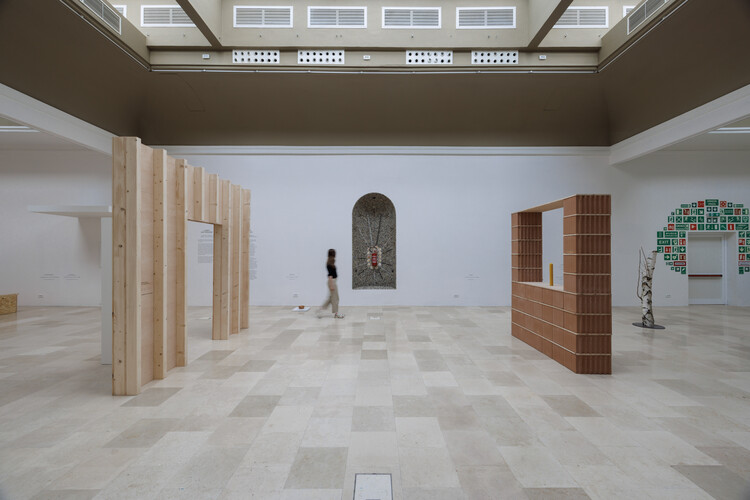
The Polish Pavilion at the 2025 Venice Architecture Biennale presents Lares and Penates: On Building a Sense of Security in Architecture, an exhibition that explores how architecture continues to function as a form of protection in an age marked by uncertainty. Framed as an anthropological investigation, the project examines the emotional and rational dimensions of building practices. The exhibition is developed by a multidisciplinary team including curator and art historian Aleksandra Kędziorek, architect Maciej Siuda, and artists Krzysztof Maniak and Katarzyna Przezwańska. Rather than focusing on architecture from the designer's perspective, the team investigates how individuals inhabit space and construct a sense of safety, responding to deep-seated fears, desires, and needs.
The intersection between architecture and neuroscience—known as neuroarchitecture—is emerging as an innovative field, highlighting the significant influence of design, whether in urban spaces or buildings, on human perception, including the sense of safety. This area of study gains relevance in a context where urban architecture is not merely a matter of aesthetics or function, but also a crucial element in creating environments that promote well-being and safety.
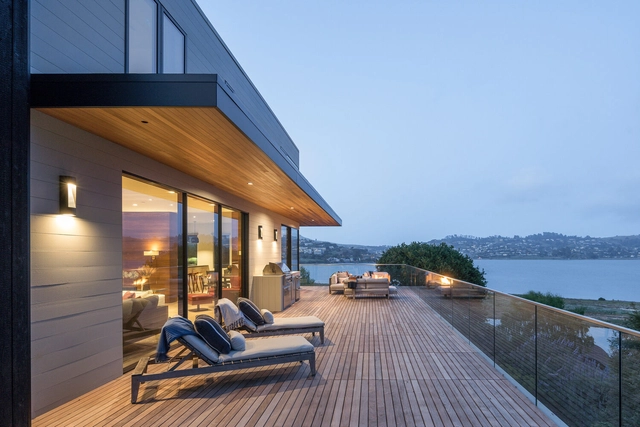
Guardrails and windscreens play an essential role in contemporary architecture, combining safety, functionality, and aesthetic appeal. These systems are crucial for protecting elevated spaces like balconies, terraces, and staircases, incorporating materials such as tempered laminated glass, stainless steel, aluminum and innovative fastening systems. This allows for transparency and unobstructed views without compromising safety. They also feature customizable options, including top caps, handrails and integrated lighting, enabling architects to create unique, visually striking spaces that meet both practical and aesthetic goals.
Essentially, a guardrail system is a carefully designed assembly of components, each playing a vital role in ensuring safety and aesthetics. Beyond the desired visual impact, these systems must be highly reliable and safe to fulfill their primary function. At the core of the system is the guardrail components, providing support and guidance, with infill options, including, glass panels, bar/tube or cables balancing safety and style. Base shoes, a type of guardrail system, anchors glass infill panels to the structure, ensuring durability and precision. Optional handrails, can either be post mounted or mounted directly to the glass, while top rails provide an aesthetic touch while protecting the top edge of the glass and helping with glass alignment.
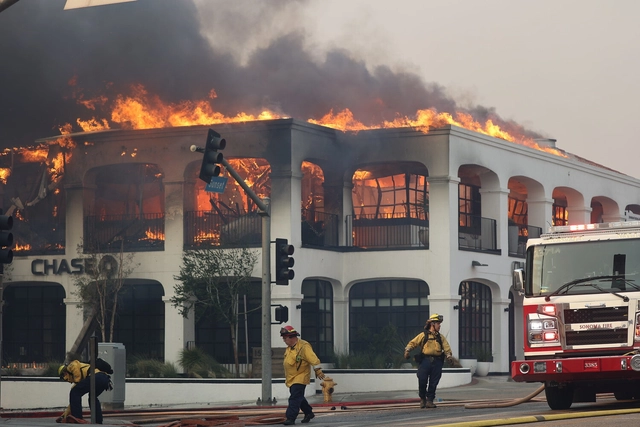
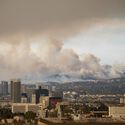
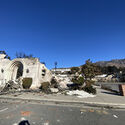
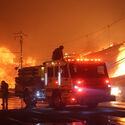
It has been nearly three weeks since one of California's most devastating wildfires began, triggering an immense effort to combat the blaze and mitigate further damage. As firefighters work to contain the remaining flames, the city braces for its first significant winter rainfall, raising concerns about flooding and landslides that may exacerbate the already extensive destruction.
Amid these challenges, the wildfire has spurred widespread reflection at local and global levels. Discussions have emerged on topics such as the insurance system, firefighting infrastructure, water resources, global warming's role in high-wind fire conditions, and the impact of landscape design, particularly the use of non-native vegetation.
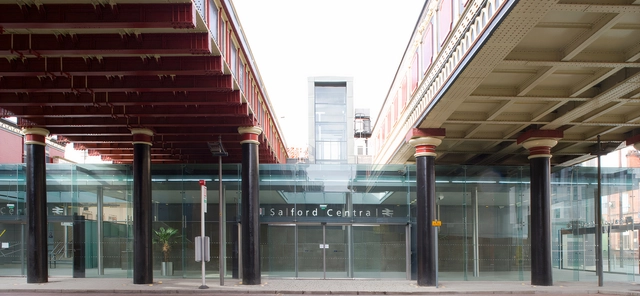
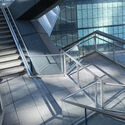
Salford Central Railway Station, Manchester. Image Courtesy of Pilkington
Infrastructure comprises the core services that urban areas must provide to ensure access to essential health and well-being standards, such as basic sanitation, energy, roads, transportation, and communication. Beyond being a functional network, infrastructure plays a transformative role in shaping how people live, work, and connect. Train stations, for instance, extend beyond their mobility functions to become centers of social interaction, economic hubs, and symbols of sustainable development. Their design reflects a delicate balance between functionality, safety, and architectural value, illustrating how infrastructure can enhance and transform urban experiences.
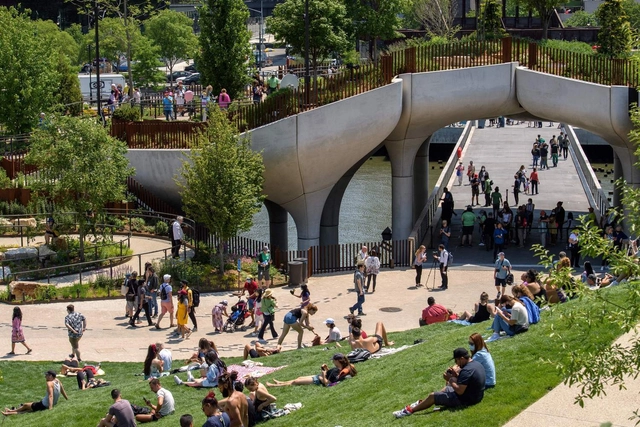
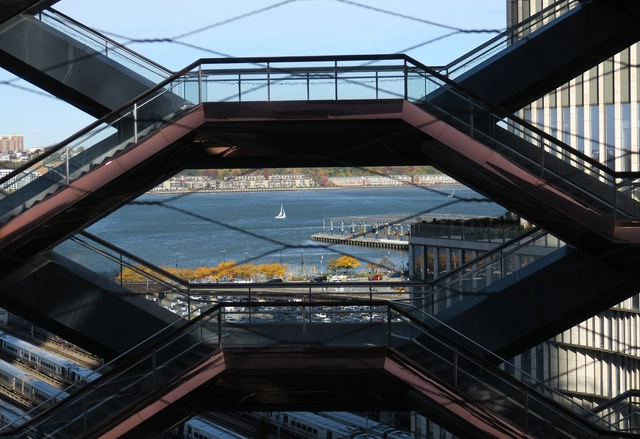
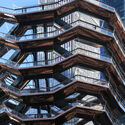
In October 2024, "The Vessel" at Hudson Yards in New York City reopened to the public after being closed for nearly three years due to multiple suicides. Originally designed by Heatherwick Studio and opened in 2019, the 150-foot monumental staircase was closed in January 2021 after four individuals, all under the age of 25, tragically took their own lives within an 18-month span. This photo series by Paul Clemence captures "The Vessel" as it reopens, offering a fresh look at its design and renewed role in the city.
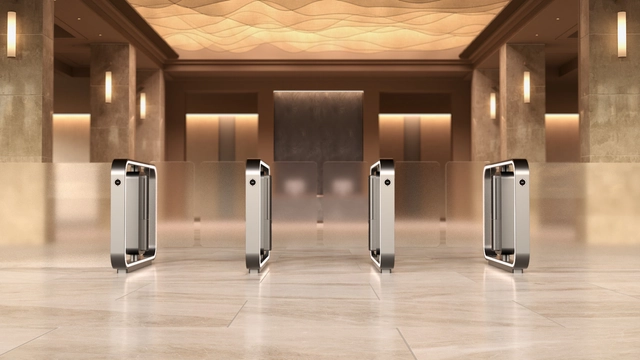
The adoption of advanced access control solutions is essential to maintaining security and safety in various contexts, from businesses and institutions to residences and public spaces. Their main objective is to regulate who can access or use a specific resource, location, or system, ensuring that only authorized individuals have access. In an increasingly interconnected and digital world, the implementation of access control systems has become essential to protect confidential information, ensure the integrity of physical and virtual environments, and prevent unauthorized access that can result in theft, data breaches, or other security incidents. These systems can encompass a variety of methods, including passwords, key cards, biometric scans, and security personnel, all working together to verify and allow entry only to those with permission.
Ever since the Industrial Revolution and the introduction of mass production, the ownership and use of simple products and services like flush toilets with running water, electricity, heating, and cooling are seen as human rights in many areas of the world. With the majority of homes and residential projects being individually designed and built to order – therefore without the speed and cost advantages of mass production – an underperforming housing construction sector means many people – even in the world’s richest countries – are being denied one of the most basic human rights, having somewhere to call home.
The UNHCR (UN Refugee Agency) states that there were over 100 million forcibly displaced people worldwide in 2023 – a figure that has tripled over the last 10 years. For host countries, finding safe, sustainable housing solutions for those in need, both in the short- and the long-term, is an ongoing and dramatically worsening challenge.
Courtesy of Hollaender Manufacturing Co – Cincinnati, OH
Architectural design is a discipline that spans a wide range of scales, from macro scales involving the design of master plans or large urban complexes to micro scales, where it focuses on specific elements such as fixtures and fittings. Regardless of scale, careful attention to the design of each component of the built environment plays a critical role in how people experience architecture.
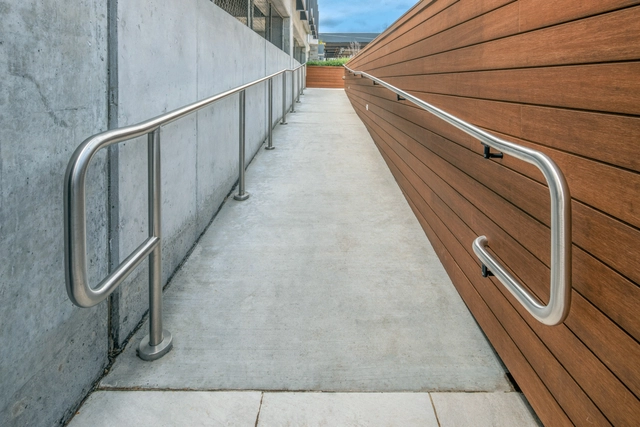
At the architectural micro-scale, railings and handrails play specific roles but are often confusing. While railings are designed to enclose spaces and prevent falls, handrails function as support elements, offering orientation and stability to avoid accidents and injuries. It is in the latter aspect that a stronger connection to accessibility becomes evident. For this reason, it is essential to have handrails, wall railings, and assist railings that meet ADA standards, such as those developed by Hollaender Manufacturing Co. These elements adapt to various design conditions, facilitating the movement of individuals who may encounter barriers in the physical environment.
https://www.archdaily.com/1010525/handrails-and-accessibility-101-ensuring-safe-usage-in-architectural-projectsEnrique Tovar