
-
Architects: Instability We Trust
- Area: 350 m²
- Year: 2017
-
Manufacturers: Corradi


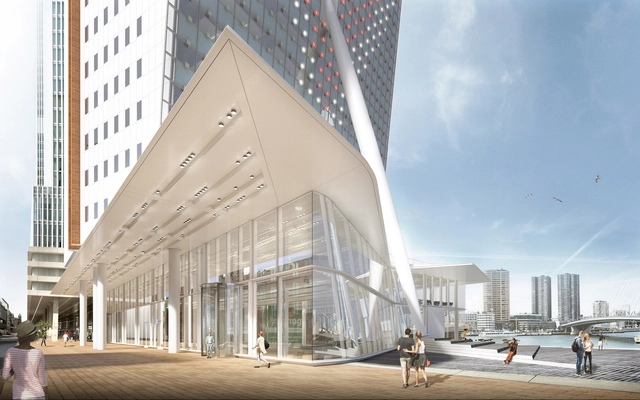
A year ago, Dutch telecom company KPN announced the move from its former headquarters in The Hague, to the famously leaning tower designed by Renzo Piano, at the foot of Rotterdam’s Erasmus Bridge. Completed in 2000, the tower is now set to undergo extensive renovation and expansion as part of the company’s relocation, to be headed by local firm V8 Architects with the intention of creating a new distinctive entry of the Wilhelminapier.
Piano himself was consulted in the design process, with the final proposal receiving his approval. "As a Rotterdam office, we are proud to have been asked to bring this characteristic building—and the first tower on the Wilhelminapier—to new life," said Michiel Raaphorst of V8." And we are honored our intervention is welcomed by Renzo Piano."
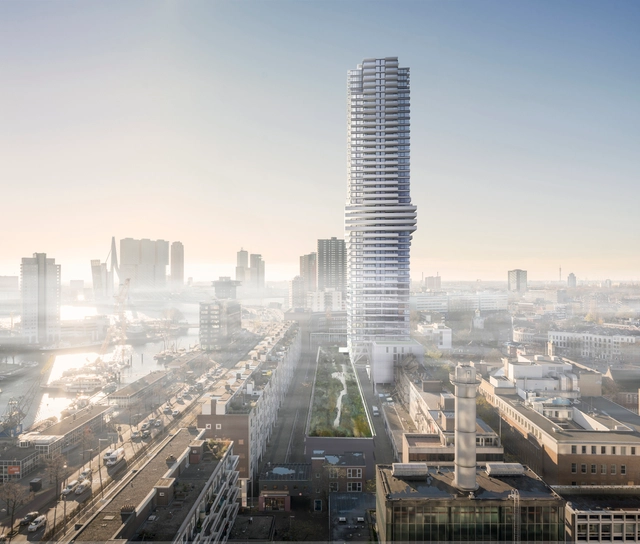
Rotterdam’s skyline is set to welcome a soaring new addition in the form of Cooltoren, V8 Architects’ 150-meter tower that upon completion, will become the city center’s tallest residential tower. Located in the Baan quarter, the design aims to integrate itself within the post-war urban fabric of the district and embody Rotterdam’s historical double layered characteristics – that of the low rise and the skyline.
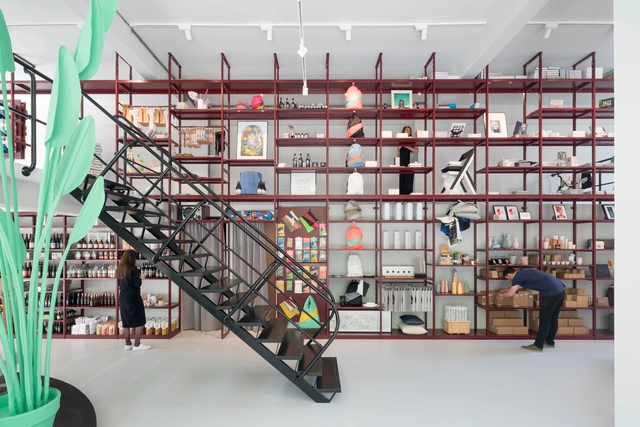
#donotsettle is an online video project created by Wahyu Pratomo and Kris Provoost about architecture and the way it is perceived by its users. Having published a number of videos on ArchDaily over the past two years, Pramoto and Provoost are now launching an exclusive column, “#donotsettle extra,” which will accompany some of their #donotsettle videos with in-depth textual analysis of the buildings they visit.
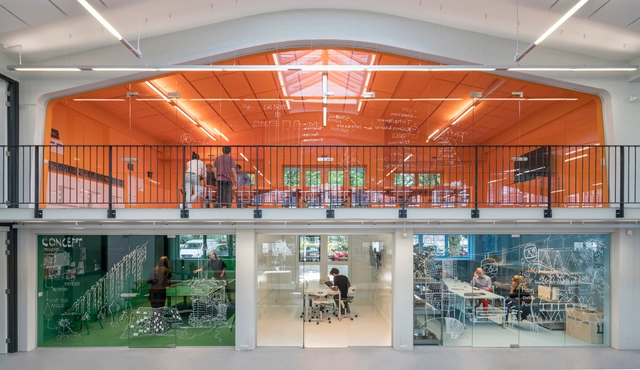
“The office has an easy-going mood and relaxing atmosphere. That’s why we call it The House,” says Jacob van Rijs, one of MVRDV's founders, when he brought #donotsettle into his office.
For architecture, an industry that is famous for long workdays, the office can potentially be a stressful environment. Van Rijs explains how the office could have a significant impact upon people's psychology, as they spend a large part of their life there. The MVRDV House has broken the rigid office typology, and made it more entertaining.
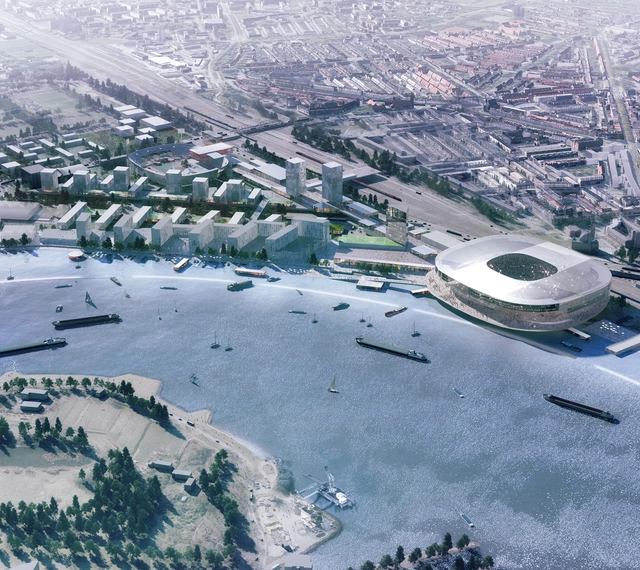
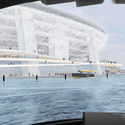
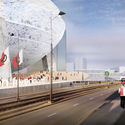
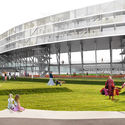
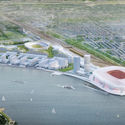
A large-scale masterplan for Feyenoord (or Feijenoord), a suburb-city of the Dutch city of Rotterdam, has been approved by Rotterdam City Council. The successful concept design from OMA, led by Partner David Gianotten, incorporates a historically-important football stadium—for the nationally significant Feyenoord football club—which "no longer fulfills modern demands." Aligned with the football club's "expanding ambitions" both in the Dutch and European football leagues, this proposal is the latest in a string of plans to expand, but the only one to have been accepted.
.jpg?1490841336&format=webp&width=640&height=580)
MoederscheimMoonen Architects has been given the go-ahead for construction of a new training complex for Rotterdam’s leading football club, Feyenoord. Located in the new Stadionpark district, the grounds of the new complex will occupy a relatively secluded site within the larger sports, housing, and retail master plan—which will include OMA’s new stadium—allowing the technical staff and football team to work in train in privacy from the start of the 2018-2019 season.
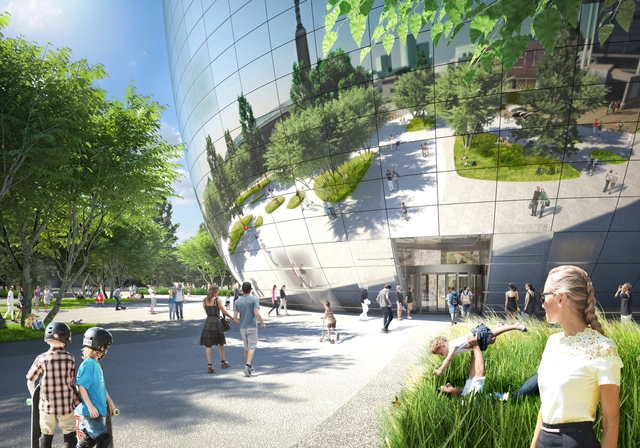
MVRDV’s public Art Depot Boijmans Van Beuningen has broken ground on the northern edge of Rotterdam’s Museumpark in the heart of the city’s cultural campus. The 15,000-square-meter reflective vessel will store the esteemed collection of over 70,000 art and design objects, adding a new cultural landmark to join the nearby Kunsthal, Het Nieuwe Instituut, Chabot Museum and Sonneveld House.
Officially breaking ground this past Friday, the BREEAM Excellent-planned “Collection Building” will combine restoration facilities, exhibition spaces, offices, logistics, a bar, restaurant, public roof terrace and private collectors facilities alongside a specially commissioned atrium that will allow visitors to experience 90% of the collection, including artworks in storage.
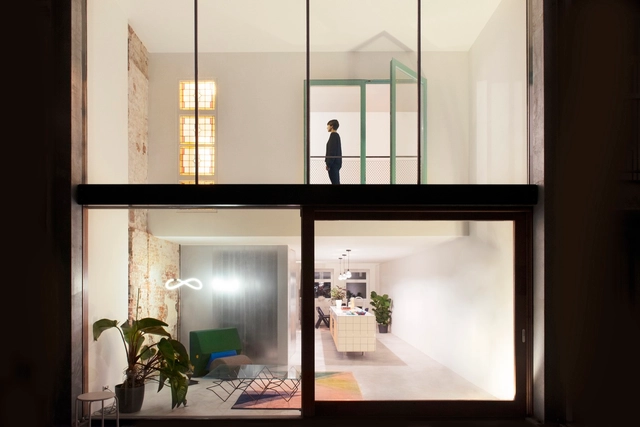
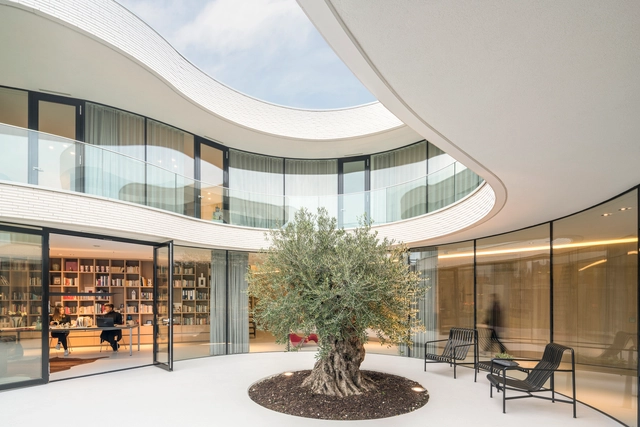
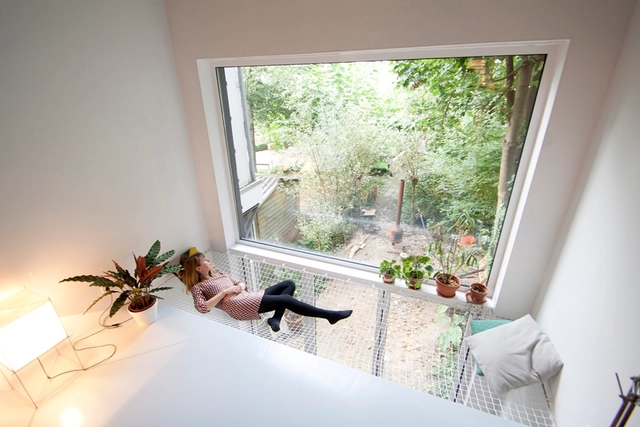
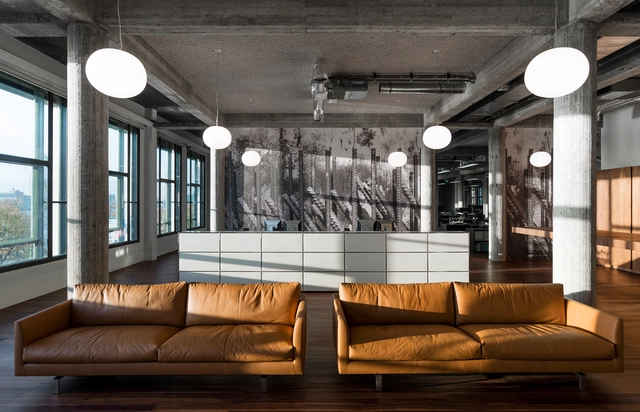
.jpg?1482901803&format=webp&width=640&height=580)
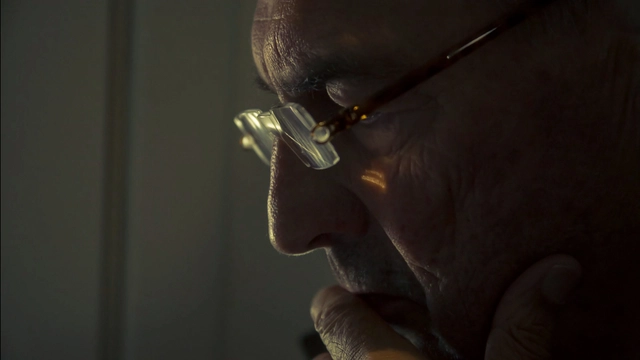
In the canon of great Dutch architects sit a number of renowned practitioners, from Berlage to Van Berkel. Based on influence alone, Rem Koolhaas—the grandson of architect Dirk Roosenburg and son of author and thinker Anton Koolhaas—stands above all others and has, over the course of a career spanning four decades, sought to redefine the role of the architect from a regional autarch to a globally-active shaper of worlds – be they real or imagined. A new film conceived and produced by Tomas Koolhaas, the LA-based son of its eponymous protagonist, attempts to biographically represent the work of OMA by “expos[ing] the human experience of [its] architecture through dynamic film.” No tall order.

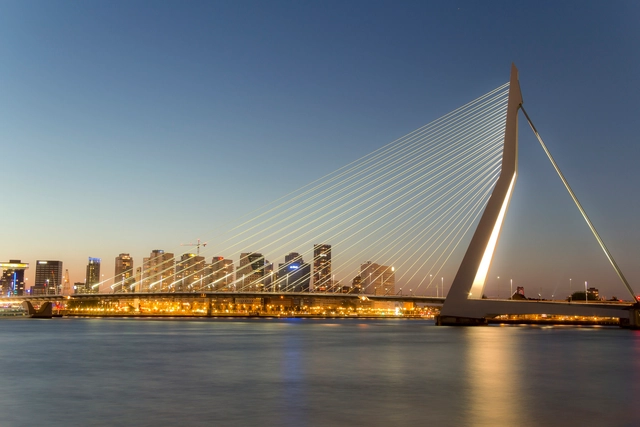
Marking the 20th anniversary of the opening of their iconic Erasmus Bridge in Rotterdam, UN Studio, along with the Kunsthal and Heerema Group, have organized an exhibition demonstrating “the many and varied ways that the bridge has been embraced by the public and become a symbol of the city of Rotterdam.”



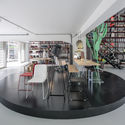
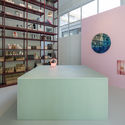
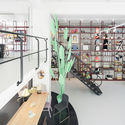
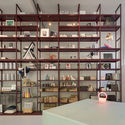



.jpg?1490841369 "© MoederscheimMoonen Architects")
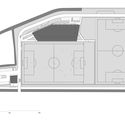
.jpg?1490841357 "© MoederscheimMoonen Architects")
.jpg?1490841347 "© MoederscheimMoonen Architects")
.jpg?1490841336)


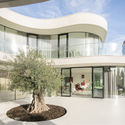


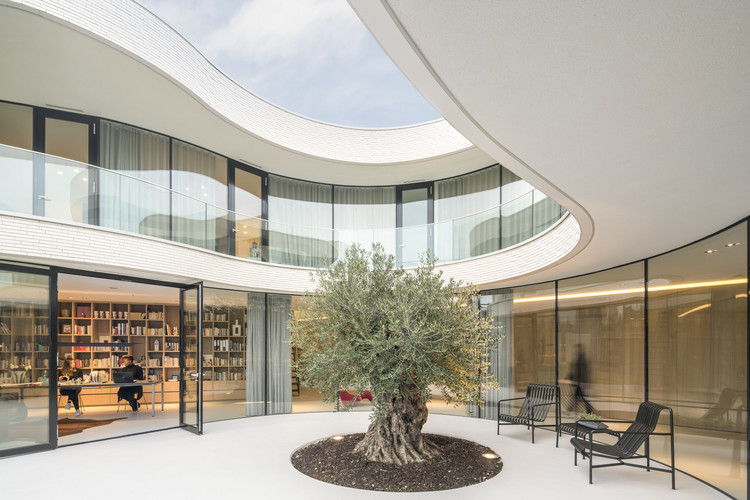


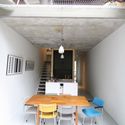


.jpg?1482901851 "© Tim Van de Velde")
.jpg?1482901775 "© Tim Van de Velde")
.jpg?1482900941 "© Tim Van de Velde")
.jpg?1482900968 "© Tim Van de Velde")
.jpg?1482901803)