1. ArchDaily
  2. Reyner Banham

Reyner Banham: The Latest Architecture and News

The Architect as Writer: Expanding the Discipline Beyond Buildings

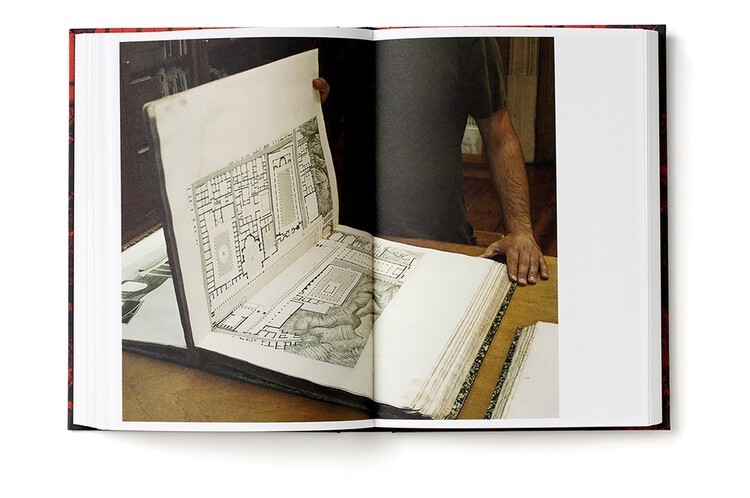
Architecture has always been more than bricks and mortar. It is equally constructed through words, ideas, and narratives. From ancient treatises to radical manifestos, from technical manuals to poetic essays, the written word has served as a spatial, pedagogical, and political tool within the field. Writing shapes how architecture is conceptualized, communicated, and critiqued — often long before, or even in the absence of, physical construction.

Historically, figures such as Vitruvius, Alberti, and Palladio employed writing to codify principles, project ideals, and legitimize architecture as a discipline. In the modern era, Le Corbusier, Adolf Loos, and Lina Bo Bardi wrote prolifically to expand the scope of architecture beyond form and function, often using publications as tools for persuasion and experimentation. The postwar period gave rise to new editorial strategies, as evident in the manifestos of Archizoom and Superstudio, and the polemical publications of Delirious New York and Oppositions, where writing served as both critique and project.
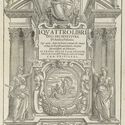

The Architect as Writer: Expanding the Discipline Beyond Buildings - Image 1 of 4The Architect as Writer: Expanding the Discipline Beyond Buildings - Image 2 of 4The Architect as Writer: Expanding the Discipline Beyond Buildings - Image 3 of 4The Architect as Writer: Expanding the Discipline Beyond Buildings - Image 4 of 4The Architect as Writer: Expanding the Discipline Beyond Buildings - More Images+ 31

Between Geometric Shapes and Raw Materials: The Case of Brutalism in Italy

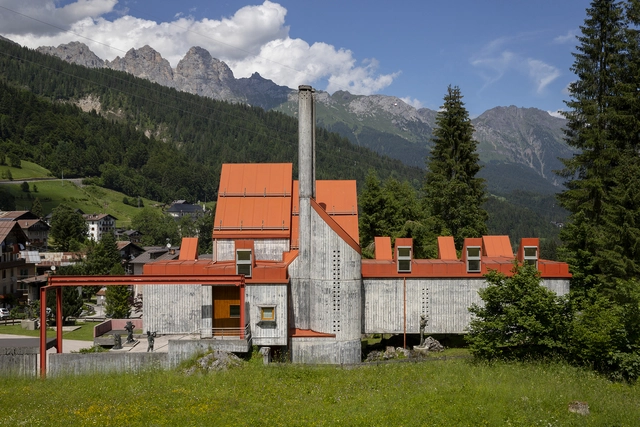
Born in the post-war period in the United Kingdom, the Brutalism movement was first met with skepticism but has found a new appreciation in the last decade, capturing the imagination of new designers fascinated with the interplay between striking geometric shapes and the exposed raw materials in which they are rendered. From Britain, the movement spread throughout Europe, Southeast Asia, and Africa, gathering different variations influenced by the cultural and socio-economic status of each area. In this article, we delve into the particularities that define Italy's contribution to the Brutalist movement, exploring the style through the lens of Roberto Conte and Stefano Perego. The two photographers have also published a photographic essay on the subject, taking the form of a book titled "Brutalist Italy: Concrete Architecture from the Alps to the Mediterranean Sea".

Between Geometric Shapes and Raw Materials: The Case of Brutalism in Italy - Image 1 of 4Between Geometric Shapes and Raw Materials: The Case of Brutalism in Italy - Image 2 of 4Between Geometric Shapes and Raw Materials: The Case of Brutalism in Italy - Image 3 of 4Between Geometric Shapes and Raw Materials: The Case of Brutalism in Italy - Image 4 of 4Between Geometric Shapes and Raw Materials: The Case of Brutalism in Italy - More Images+ 11

Watch Bucky Fuller Debate Hans Hollein at Storefront For Art and Architecture's "Closed Worlds" Conference

On Saturday, February 27th, Storefront for Art and Architecture and The Irwin S. Chanin School of Architecture of The Cooper Union will jointly present a public conference, Closed World: Encounters That Never Happened. Presenters and discussants will engage in debate and discussion on the history and future of closed systems in architecture and design.

Brutalism: Back in Vogue?

Subscriber Access | 

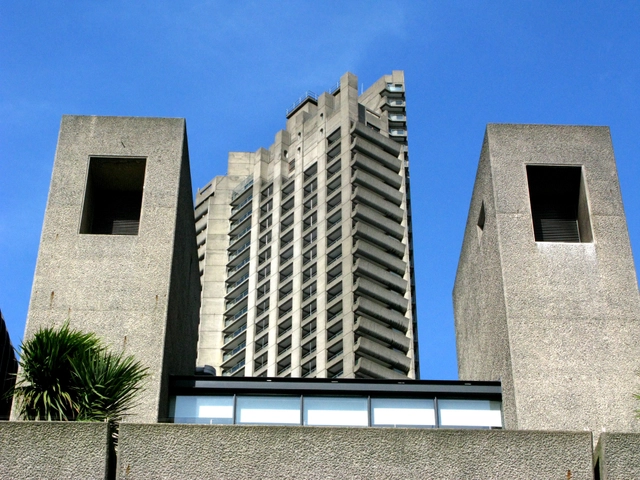
Are Brutalist buildings, once deemed cruel and ugly, making a comeback? Reyner Banham's witty play on the French term for raw concrete, beton brut, was popularized by a movement of hip, young architects counteracting what they perceived as the bourgeois and fanciful Modernism of the 1930s. Though the use of raw concrete in the hands of such artist-architects as Le Corbusier seems beautiful beneath the lush Mediterranean sun, under the overcast skies of northern Europe Brutalist architecture earned a much less flattering reputation. Since the 1990s, however, architects, designers, and artists have celebrated formerly denounced buildings, developing a fashionably artistic following around buildings like Erno Goldfinger's Trellick Tower, "even if long-term residents held far more ambivalent views of this forceful high-rise housing block." To learn more about this controversial history and to read Jonathan Glancey's speculation for its future, read the full article on BBC, here.

What Can Be Learnt From The Smithsons' "New Brutalism" In 2014?

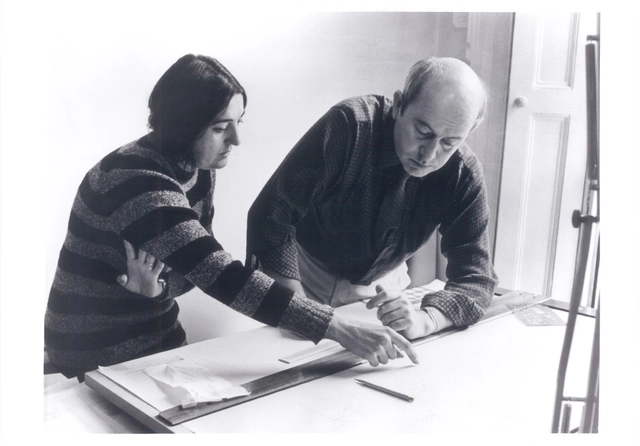
Sheffield born Alison Gill, later to be known as Alison Smithson, was one half of one of the most influential Brutalist architectural partnerships in history. On the day that she would be celebrating her 86th birthday we take a look at how the impact of her and Peter Smithson's architecture still resonates well into the 21st century, most notably in the British Pavilion at this year's Venice Biennale. With London's Robin Hood Gardens, one of their most well known and large scale social housing projects, facing imminent demolition how might their style, hailed by Reyner Banham in 1955 as the "new brutalism", hold the key for future housing projects?

What Can Be Learnt From The Smithsons' "New Brutalism" In 2014? - Image 1 of 4What Can Be Learnt From The Smithsons' "New Brutalism" In 2014? - Image 2 of 4What Can Be Learnt From The Smithsons' "New Brutalism" In 2014? - Image 3 of 4What Can Be Learnt From The Smithsons' "New Brutalism" In 2014? - Image 4 of 4What Can Be Learnt From The Smithsons' New Brutalism In 2014? - More Images+ 3