1. ArchDaily
  2. Residential Interiors

Residential Interiors: The Latest Architecture and News

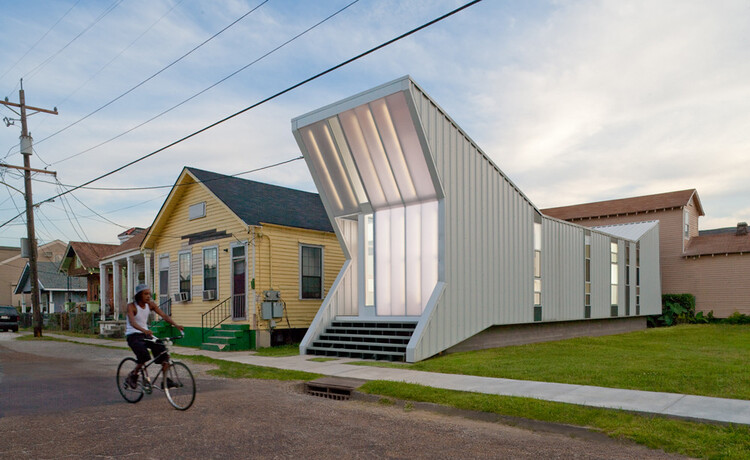
Reconsidering the Shotgun House: Between Preservation, Experimentation, and Displacement

Emerging in port cities and working-class neighborhoods throughout the nineteenth century, the shotgun house became a durable response to density, climate, and constrained urban parcels, becoming one of the defining domestic forms of the Southern United States. Its narrow footprint, sequential plan, and deeply shaded porches produced a spatial logic that was economical and environmentally responsive before either term became central to architectural discourse. From New Orleans and Mobile to Houston and Louisville, shotgun houses formed the physical fabric of neighborhoods shaped by migration, labor, community, and cultural life. Though often dismissed as ordinary, vernacular construction, the housing typology has long embodied sophisticated ideas about climate adaptation, social adjacency, and incremental urban growth, making it one of the most influential domestic forms in the history of the American city.
Reconsidering the Shotgun House: Between Preservation, Experimentation, and Displacement - Image 1 of 4Reconsidering the Shotgun House: Between Preservation, Experimentation, and Displacement - Image 2 of 4Reconsidering the Shotgun House: Between Preservation, Experimentation, and Displacement - Image 3 of 4Reconsidering the Shotgun House: Between Preservation, Experimentation, and Displacement - Image 4 of 4Reconsidering the Shotgun House: Between Preservation, Experimentation, and Displacement - More Images+ 20

From Tradition to Modern Living: The Versatility and Elegance of Timber in 12 Japanese Interiors

Subscriber Access | 

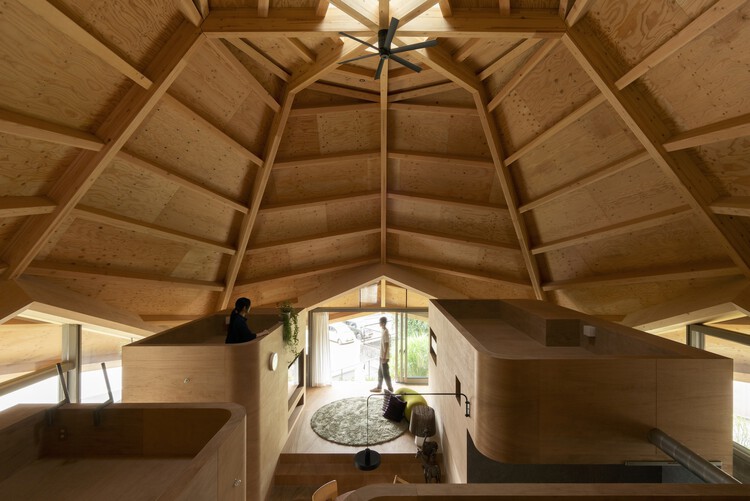
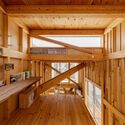
Contemporary Japanese architecture continues to demonstrate how to adapt the evolving needs of modern residents to a rich building tradition and artisanal legacy. Wood has always been the soul of Japanese architecture. In many recent residential projects, this material transcends its structural role to become the primary finish for various surfaces — ranging from floors and ceilings to furniture and architectural elements. These environments strike a delicate balance between elegance and coziness.
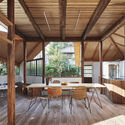
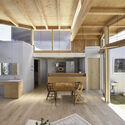
The use of natural, unpainted finishes highlights the material's inherent honesty while also celebrating the unique character of each piece, its natural grain, and the diversity of the overall composition. While some houses feature sober, dark-stained timbers to create a grounded atmosphere, others utilize lighter woods like pine to foster a bright, airy, and ethereal feel. This versatility proves that wood can adapt to any aesthetic, from the rustic to the ultra-minimalist.

From Tradition to Modern Living: The Versatility and Elegance of Timber in 12 Japanese Interiors - Image 1 of 4From Tradition to Modern Living: The Versatility and Elegance of Timber in 12 Japanese Interiors - Image 2 of 4From Tradition to Modern Living: The Versatility and Elegance of Timber in 12 Japanese Interiors - Image 3 of 4From Tradition to Modern Living: The Versatility and Elegance of Timber in 12 Japanese Interiors - Image 4 of 4From Tradition to Modern Living: The Versatility and Elegance of Timber in 12 Japanese Interiors - More Images+ 9

Morning Rituals: Architecture of Breakfast Spaces

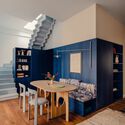
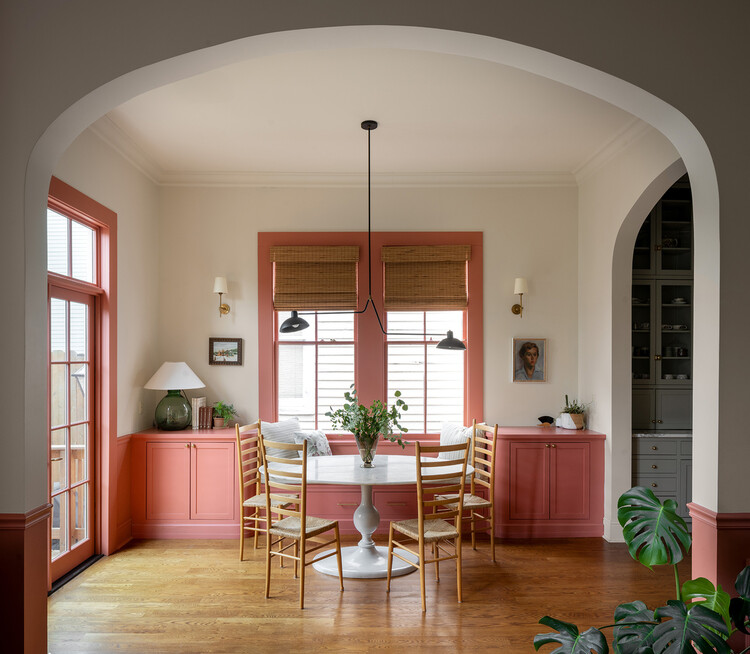
Breakfast nooks emerged in the early twentieth century in response to increasing domestic density and shifting ideas about everyday life. Rooted in the American Arts and Crafts movement and popularized through bungalow housing of the 1910s and 1920s, they evolved from the more formal Victorian breakfast room into compact, built-in spaces embedded within the kitchen. As houses grew smaller and more economical, architects and millwork companies used fixed benches and tables to occupy corners, alcoves, and bay windows that might otherwise be inefficient. These light-filled enclosures provided an affordable means of concentrating daily activities while preserving comfort and spatial clarity.

Morning Rituals: Architecture of Breakfast Spaces - Image 1 of 4Morning Rituals: Architecture of Breakfast Spaces - Image 2 of 4Morning Rituals: Architecture of Breakfast Spaces - Image 3 of 4Morning Rituals: Architecture of Breakfast Spaces - Image 4 of 4Morning Rituals: Architecture of Breakfast Spaces - More Images+ 13

Integrating Creative Spaces: Designing Art Studio Additions at Home

Subscriber Access | 

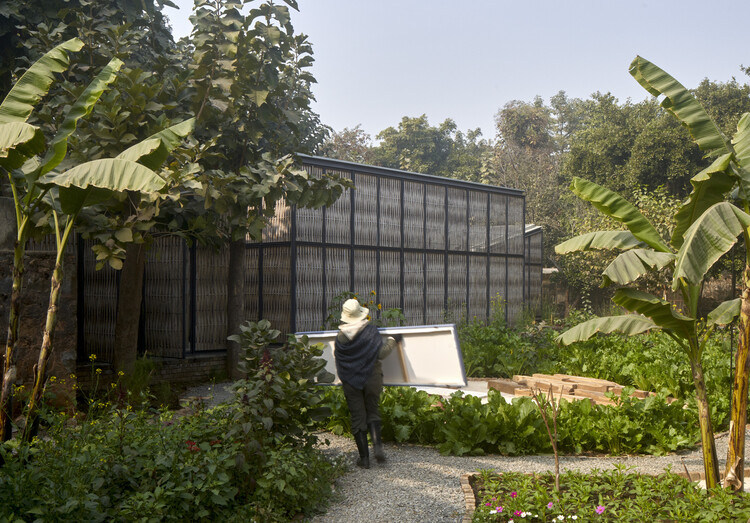
The home carries multiple identities as shelter, sanctuary, workplace, and stage for daily rituals. In recent years, its role has expanded in unprecedented ways. The pandemic, notably, coerced the home to act as a site of extraordinary adaptability to absorb functions once delegated to schools, offices, gyms, and studios. This transformation has shifted how we imagine domestic life, urging us to think of the home not simply as a backdrop for activity but as a dynamic framework for living, producing, and creating. Within this expanded understanding, artists find themselves asking a renewed question: how can the home allow the flexibility needed for creative practice?

Integrating Creative Spaces: Designing Art Studio Additions at Home - Image 1 of 4Integrating Creative Spaces: Designing Art Studio Additions at Home - Image 2 of 4Integrating Creative Spaces: Designing Art Studio Additions at Home - Image 3 of 4Integrating Creative Spaces: Designing Art Studio Additions at Home - Image 4 of 4Integrating Creative Spaces: Designing Art Studio Additions at Home - More Images+ 48

Elemental Shores in the Asia-Pacific: Concrete Recasts the Beach House

Subscriber Access | 

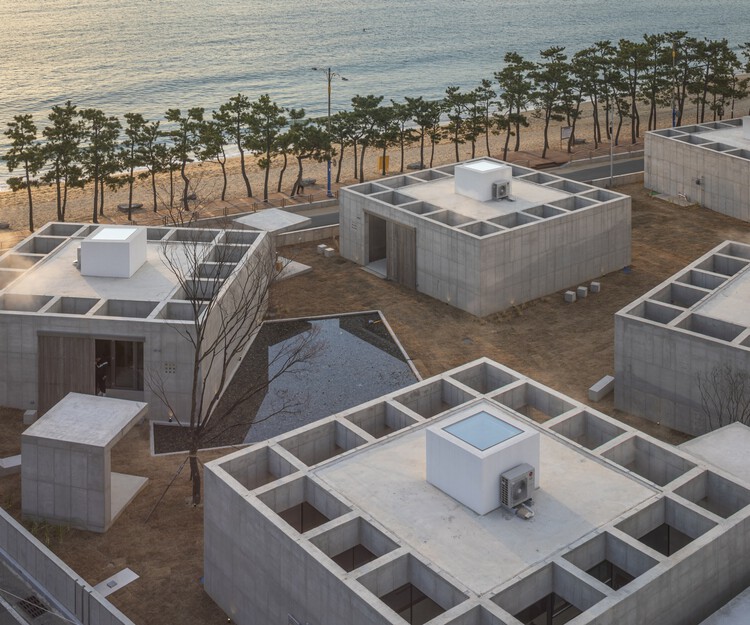
Living by the beach has long been a defining aspiration—drawn by the promise of tempered nature, privacy, and immediate access to the water. Historically, beach houses tended to be rustic and pared back: partly because servicing remote sites and delivering materials was difficult, and partly because their charm lay in being closer to the elements—simpler, rougher, more direct.

Accordingly, many early beach houses were built in timber. Wood offered clear advantages: it was lightweight, adaptable, quick to work with, and could be erected with minimal heavy machinery. While timber weathers and fares poorly in salt-laden humidity, exterior-grade lumber carries a raw, natural character that reinforced the appeal of the beach-house ideal.

Elemental Shores in the Asia-Pacific: Concrete Recasts the Beach House - Image 1 of 4Elemental Shores in the Asia-Pacific: Concrete Recasts the Beach House - Image 2 of 4Elemental Shores in the Asia-Pacific: Concrete Recasts the Beach House - Image 3 of 4Elemental Shores in the Asia-Pacific: Concrete Recasts the Beach House - Image 4 of 4Elemental Shores in the Asia-Pacific: Concrete Recasts the Beach House - More Images+ 32

Overprovision: Exploring Purposefully Wasteful Spaces in Residential Design

Overprovision can be seen as an architecture strategy through the lens of resilience—making spaces adaptable to changes, reinterpretations, and future needs. However, could overprovision also offer a productive lens for rethinking spatial design? Are there parallels in architectural theory or practice that align with this concept, as explored by notable figures in the discourse on space?

This question becomes particularly relevant in residential design, especially in regions like Hong Kong or Tokyo, where the demand to maximize space is a cultural and practical norm. Designers are frequently tasked with "making use of every inch" for storage or function, reflecting a tendency among residents to accumulate belongings disproportionate to their living spaces. 
Overprovision: Exploring Purposefully Wasteful Spaces in Residential Design - Image 1 of 4Overprovision: Exploring Purposefully Wasteful Spaces in Residential Design - Image 2 of 4Overprovision: Exploring Purposefully Wasteful Spaces in Residential Design - Image 3 of 4Overprovision: Exploring Purposefully Wasteful Spaces in Residential Design - Image 4 of 4Overprovision: Exploring Purposefully Wasteful Spaces in Residential Design - More Images+ 12

The Hidden Mechanics of Doors: How Hinges, Tracks, and Pivots Shape Spatial Experience

The choice of door types plays a crucial role in defining the spatial experience and atmosphere of architecture. Beyond material or style, the way a door is detailed—its movement, weight, and method of operation—can drastically influence how a space is perceived and navigated. However, what truly enables the functionality of different door types is the often-overlooked element of door hardware. Even within the same door type, the selection of hinges, tracks, pivots, and handles can significantly affect how users interact with and interpret the space.

The Hidden Mechanics of Doors: How Hinges, Tracks, and Pivots Shape Spatial Experience - Image 1 of 4The Hidden Mechanics of Doors: How Hinges, Tracks, and Pivots Shape Spatial Experience - Image 2 of 4The Hidden Mechanics of Doors: How Hinges, Tracks, and Pivots Shape Spatial Experience - Image 3 of 4The Hidden Mechanics of Doors: How Hinges, Tracks, and Pivots Shape Spatial Experience - Image 4 of 4The Hidden Mechanics of Doors: How Hinges, Tracks, and Pivots Shape Spatial Experience - More Images+ 27

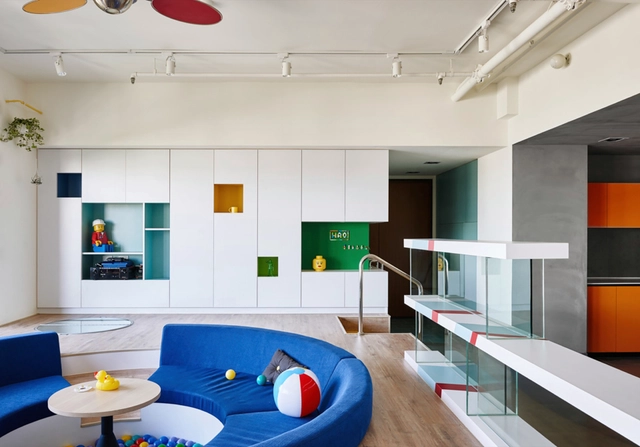
From Micro to Spacious: Maximazing Space in Taiwan’s Urban Apartments

Subscriber Access | 

Despite its small size, the island of Taiwan is densely populated, with more than 80% of its people living in urban areas. Available space is often limited, particularly in major cities like Taipei, Taichung, and Kaohsiung. Therefore, designers face the ongoing challenge of creating interiors that feel spacious, functional, and visually appealing despite their sometimes compact footprints. Rather than seeing these limitations as constraints, architects embrace them as opportunities to experiment with smart layouts and multi-functional furniture that enhances livability.

From Micro to Spacious: Maximazing Space in Taiwan’s Urban Apartments - Image 1 of 4From Micro to Spacious: Maximazing Space in Taiwan’s Urban Apartments - Image 2 of 4From Micro to Spacious: Maximazing Space in Taiwan’s Urban Apartments - Image 3 of 4From Micro to Spacious: Maximazing Space in Taiwan’s Urban Apartments - Image 4 of 4From Micro to Spacious: Maximazing Space in Taiwan’s Urban Apartments - More Images+ 7

The Rise of Co-Living Spaces for Young Professionals in East Asia: 5 Projects Redefining Flexible Living

Subscriber Access | 

Co-living in East Asia has been rising since 2020, rapidly expanding while remaining in its early stages. At the same time, it continues to fulfill a significant demand from young professionals working in major cities. A 2020 study by real estate services firm JLL highlighted the growing demand for co-living in China and Singapore, citing key advantages such as affordability compared to private studio apartments and a contemporary urban lifestyle that fosters openness and shared experiences. Much like other industries where ownership is becoming less relevant—such as streaming services for music, films, and television, or mobility solutions like car- and bike-sharing—co-living appeals to a similar demographic that values flexibility and access over long-term commitments.

Unlike co-living initiatives in Spain, which often focus on multigenerational shared spaces, East Asian co-living primarily targets young professionals with dynamic career paths. Often required to relocate every few years, these individuals prioritize convenience and adaptability over investing in a permanent home. For them, committing to a long-term residence may not be practical, making fully furnished, professionally managed co-living spaces with built-in amenities and hygiene services an attractive option. These environments cater to fast-paced urban lifestyles, where networking at professional events often precedes solitary downtime at home.

The Rise of Co-Living Spaces for Young Professionals in East Asia: 5 Projects Redefining Flexible Living  - Image 1 of 4The Rise of Co-Living Spaces for Young Professionals in East Asia: 5 Projects Redefining Flexible Living  - Image 2 of 4The Rise of Co-Living Spaces for Young Professionals in East Asia: 5 Projects Redefining Flexible Living  - Image 3 of 4The Rise of Co-Living Spaces for Young Professionals in East Asia: 5 Projects Redefining Flexible Living  - Image 4 of 4The Rise of Co-Living Spaces for Young Professionals in East Asia: 5 Projects Redefining Flexible Living  - More Images+ 26

Social Modern Housing in Spain: Addressing the Crisis with Adaptable and Sustainable Solutions

Subscriber Access | 

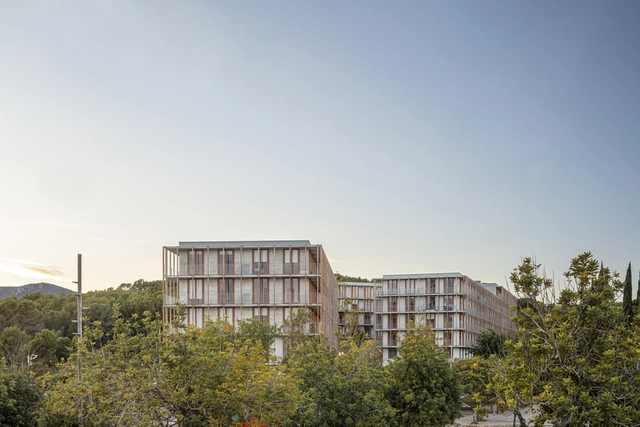
The housing crisis, the need for effective land management policies, and the growing demand for housing aid are global challenges, and Spain has taken significant steps to address these issues in recent years. While this effort is closely tied to rehabilitating obsolete buildings, it also tackles the challenges of densification and gentrification. These factors have prompted the exploration of new housing models and ways of living, leading to the development of affordable residential buildings designed to accommodate large numbers of inhabitants while maintaining high-quality living standards.

Social Modern Housing in Spain: Addressing the Crisis with Adaptable and Sustainable Solutions - Image 1 of 4Social Modern Housing in Spain: Addressing the Crisis with Adaptable and Sustainable Solutions - Image 2 of 4Social Modern Housing in Spain: Addressing the Crisis with Adaptable and Sustainable Solutions - Image 3 of 4Social Modern Housing in Spain: Addressing the Crisis with Adaptable and Sustainable Solutions - Image 4 of 4Social Modern Housing in Spain: Addressing the Crisis with Adaptable and Sustainable Solutions - More Images+ 16

Transforming Small Spaces: Renovations of 6 Apartments Under 60 m² in Madrid

Subscriber Access | 

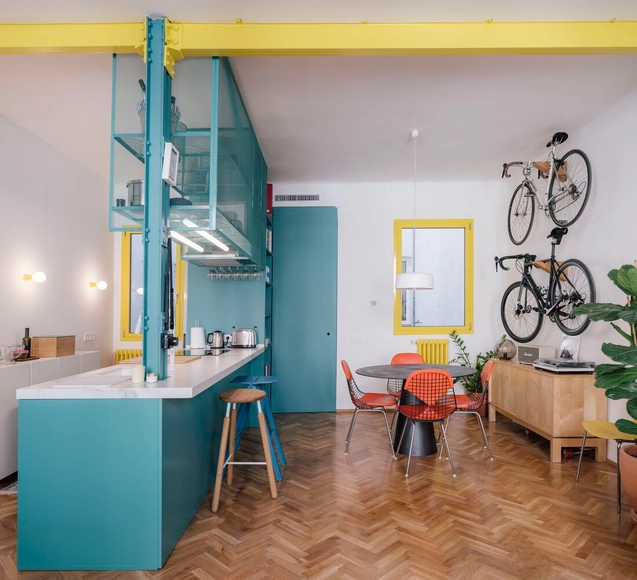
The domestic space reflects individuals' activities, behaviors, and actions, where various dynamics and processes coexist as part of daily life. Although each home has its distribution logic according to the time of its design, the needs of its inhabitants, the technologies of the era, and other factors, residential interior renovations often express an interest in recovering old structures and façades, recycling unused furniture, restoring high-quality elements present in coverings and flooring, or directly integrating new features to achieve greater spatial fluidity, lighting, and optimization of surfaces.

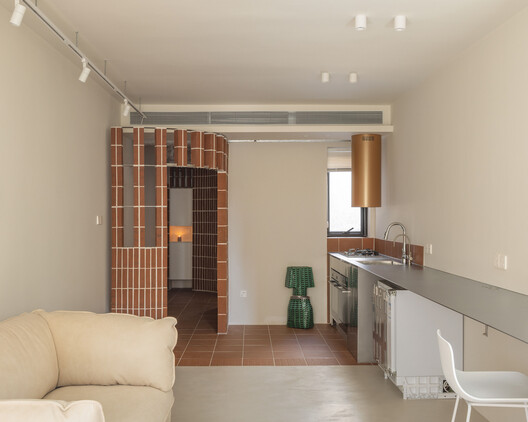
Transforming Small Spaces: Renovations of 6 Apartments Under 60 m² in Madrid - Image 1 of 4Transforming Small Spaces: Renovations of 6 Apartments Under 60 m² in Madrid - Image 2 of 4Transforming Small Spaces: Renovations of 6 Apartments Under 60 m² in Madrid - Image 3 of 4Transforming Small Spaces: Renovations of 6 Apartments Under 60 m² in Madrid - Image 4 of 4Transforming Small Spaces: Renovations of 6 Apartments Under 60 m² in Madrid - More Images+ 8

Not Every Kitchen Needs to Be Integrated: Advantages of Closed Kitchens

Subscriber Access | 

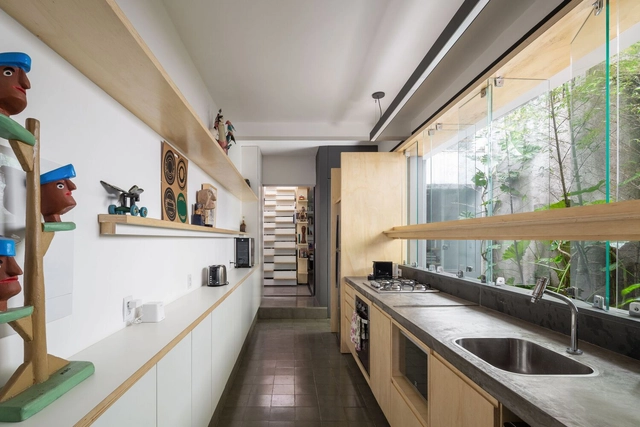
A needs program precedes every project. In certain typologies, specific activities are inherently linked to them. A meeting room in a corporate office, a collection in a museum, and bedrooms in a residence: the latter has a relatively well-defined basic needs program: bedrooms, living room, bathrooms, and kitchen. The size and arrangement of these elements in the space depend on various factors, but a house typically includes some combination of these essential components.

Not Every Kitchen Needs to Be Integrated: Advantages of Closed Kitchens - Image 1 of 4Not Every Kitchen Needs to Be Integrated: Advantages of Closed Kitchens - Image 2 of 4Not Every Kitchen Needs to Be Integrated: Advantages of Closed Kitchens - Image 3 of 4Not Every Kitchen Needs to Be Integrated: Advantages of Closed Kitchens - Image 4 of 4Not Every Kitchen Needs to Be Integrated: Advantages of Closed Kitchens - More Images+ 16

Different Ways of Applying Color to Furniture

Subscriber Access | 

Color plays a significant role in the world. Partly because of the significance attached to each hue, the use of color in architecture – especially in interiors – changes the ambiance of each project. In commercial establishments, color has a considerable influence on highlighting a given brand, and in homes, it can reflect the resident’s personality and complement the language adopted in the project. This exploration can take place directly in the tectonic object (architecture) through the surfaces that constitute the building, or it can take advantage of mobile elements, easily changeable.

Different Ways of Applying Color to Furniture - Image 1 of 4Different Ways of Applying Color to Furniture - Image 2 of 4Different Ways of Applying Color to Furniture - Image 3 of 4Different Ways of Applying Color to Furniture - Image 4 of 4Different Ways of Applying Color to Furniture - More Images+ 17

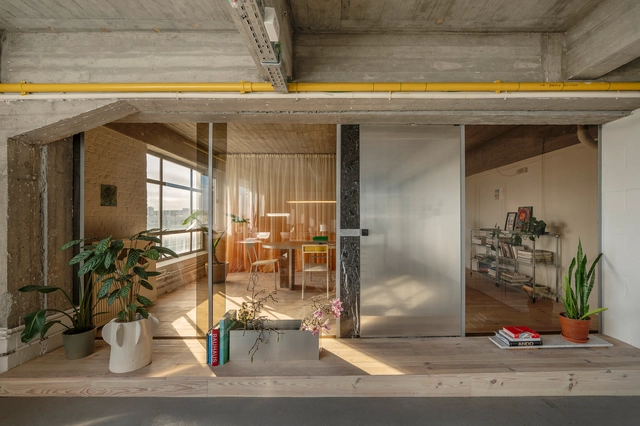
Uncoated: 11 Apartments With Visible Structure

Subscriber Access | 

Housing is one of the primary aspects of the architecture profession. There are many ways to explore it, from a subordinate program such as a religious cloister to the splendor of a single-family home. Luis Fernández-Galiano is torn between the "waste" of a low-density area in this type of housing and its seductive formal charm. He reminds us that high-density collective housing, such as apartments, makes more sense in an urban context.

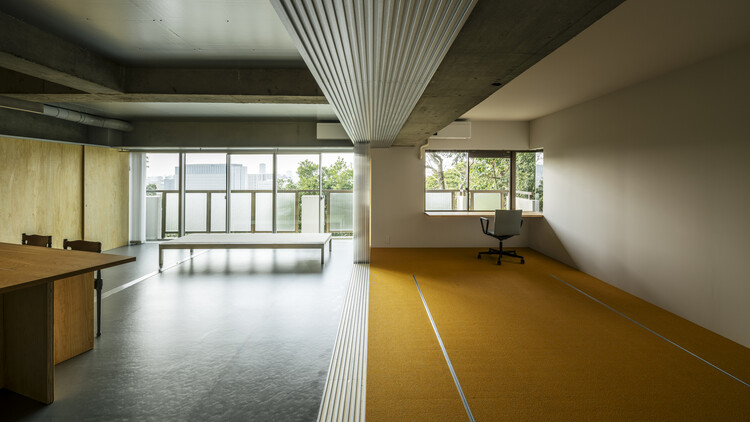
Uncoated: 11 Apartments With Visible Structure - Image 1 of 4Uncoated: 11 Apartments With Visible Structure - Image 2 of 4Uncoated: 11 Apartments With Visible Structure - Image 3 of 4Uncoated: 11 Apartments With Visible Structure - Image 4 of 4Uncoated: 11 Apartments With Visible Structure - More Images+ 22

Between Light and Shadow: Exploring Lighting to Create Atmospheres in Architecture

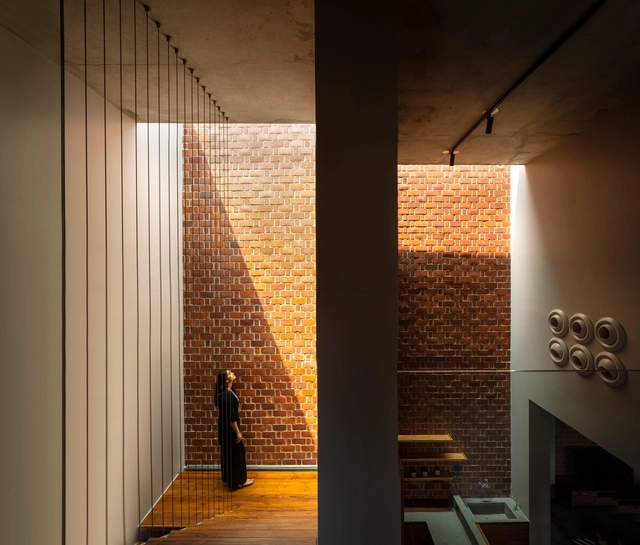
Light is part of various disciplines, shaping the world as we know it. In physics, it serves as a measure of speed and makes vision, and the recording of images by the eye and camera lens possible. Throughout art history, the representation of light - or its absence - has guided secular movements in various manifestations with equally different techniques and supports. This means that light - and its derivative shadow - can create environments, atmospheres and sensations, which can be perceived in objects and spaces. Light is also a part of architecture.

Between Light and Shadow: Exploring Lighting to Create Atmospheres in Architecture - Image 1 of 4Between Light and Shadow: Exploring Lighting to Create Atmospheres in Architecture - Image 2 of 4Between Light and Shadow: Exploring Lighting to Create Atmospheres in Architecture - Image 3 of 4Between Light and Shadow: Exploring Lighting to Create Atmospheres in Architecture - Image 4 of 4Between Light and Shadow: Exploring Lighting to Create Atmospheres in Architecture - More Images+ 11

Bathrooms That Innovate in Materials, Layout, and Openings

Subscriber Access | 

Within various - if not all - architectural programs, there is a function that is an essential and common requirement: the bathroom. A residence, office, commercial space, theater, museum, religious space, park, or school can only be designed with it. In some countries, public toilets are part of urban infrastructure like public transport or waste collection. A fundamental human right, although denied to a considerable portion of the global population, the toilet follows a historical evolution. Modernity brought with it the separation between public and private, and the room became increasingly reserved in Western society.

Bathrooms That Innovate in Materials, Layout, and Openings - Image 1 of 4Bathrooms That Innovate in Materials, Layout, and Openings - Image 2 of 4Bathrooms That Innovate in Materials, Layout, and Openings - Image 3 of 4Bathrooms That Innovate in Materials, Layout, and Openings - Image 4 of 4Bathrooms That Innovate in Materials, Layout, and Openings - More Images+ 10

How to Use Artificial Lighting as a Decoration Element

Artificial lighting offers a range of strategies for interior design. Widely used in commercial projects and restaurants as an aesthetic device to attract customers and to create environments that stimulate the senses, it can transform rooms and create cozy and well-lit places in residential projects.

How to Use Artificial Lighting as a Decoration Element - Image 1 of 4How to Use Artificial Lighting as a Decoration Element - Image 2 of 4How to Use Artificial Lighting as a Decoration Element - Image 3 of 4How to Use Artificial Lighting as a Decoration Element - Image 4 of 4How to Use Artificial Lighting as a Decoration Element - More Images+ 12