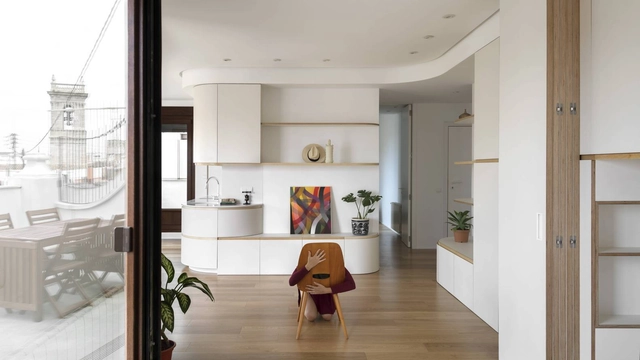
Designing a home is always a significant challenge. Technical and construction expertise must align with the expectations of its future resident, gently embracing their daily routine and tasks. Thus, mapping out the needs and rituals that will unfold within the house is fundamental for the success of the task. In the abundance of personalities, preferences, and quirks, residential architecture needs to mediate intentions and embrace diversities.
As part of our 2023: Year in Review retrospective, on ArchDaily we review and reflect over this years’ publications. Residential architecture continues to be one of the most visited categories when it comes to built architecture, sparking interest from our users all around the world.
The global housing crisis generates a wide range of challenges, from those who are in situations of homelessness, to the realities of millions who face unaffordable housing conditions, overcrowding, and excessively high rents. Tackling this involves political will, the union of the state and private companies, and innovative solutions that prioritize accessibility, sustainability, and government mechanisms that enable a functioning system. Amongst all of these factors though, one thing is certain: we need to build massively in the future to improve the housing situation. The implementation of efficient construction methods, such as prefabrication and modular construction, can speed up the creation of affordable housing units, reducing construction costs and timeframes. Adopting green building practices, such as using recycled materials and designing energy-efficient structures, not only contributes to sustainability but minimizes long-term operating expenses for residents.
As we head towards the end of 2023, an eventful year that could be defined as the year of "shifts", we take a look at how global events and trends impacted the design of interior spaces. Looking back, people questioned everything, and the architectural practice was no exception. A new voice was given to nations often forgotten as architects searched for alternative ways of designing and building. We questioned colonialism, consumer culture, waste, tradition, and authenticity, bringing about new perspectives within the discipline. Interior design in 2023, however, was reserved; explorative, but a lot more modest and subtle compared to previous years. Following years of constant changes, it seems as though people felt the need to pause, slow down, and embrace simplicity, while expressing their individuality through acupuncture interventions.
Architecture Classics showcased on ArchDaily serve as essential archives of architectural marvels, offering a window into the past. These classics showcase our collective design wisdom and innovation globally, enriching our design knowledge. In fact, through the acknowledgment and appreciation of different styles, functions, and narratives embedded within these structures, our view of architecture and its impact worldwide can become more comprehensive.
What about architecture in North America – its history, policies, but also building codes – makes it particularly vulnerable to the global housing crisis? And how can those inherent flaws be counteracted with purposeful residential design and a more inclusive approach to the architecture discipline?
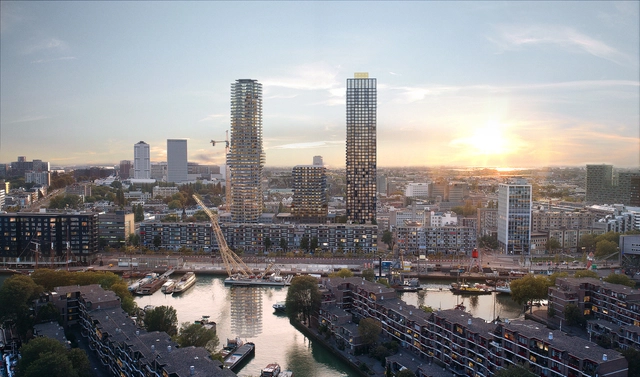
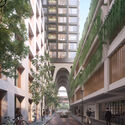
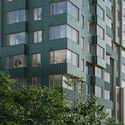
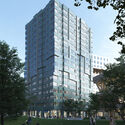
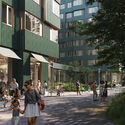
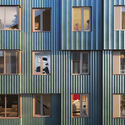
Designed by Powerhouse Company, the BaanTower has started construction in the remodeled Baan Quarter neighborhood of Rotterdam. The residential tower strives to promote a sustainable architecture based on the well-being of its residents. Upon completion, the high-rise will house 427 apartments available for rent. Seven years after the original draft, the project has recently received its building permit, and is expected to be completed by 2026.
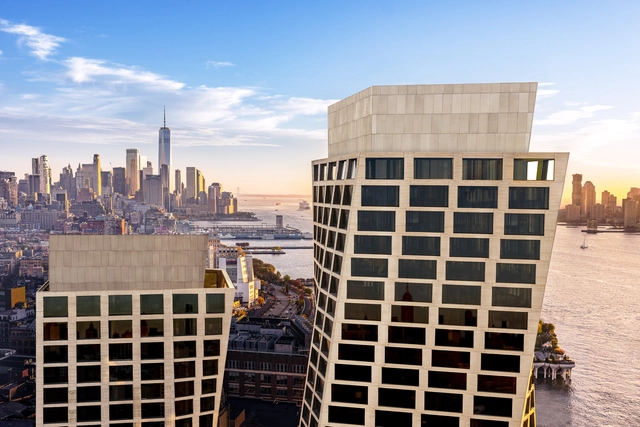
A new set of images showcases BIG's One High Line development nearing completion. Located on the ‘Architecture Row’ in New York, the coupled twisting towers share the Hudson River skyline with neighbors such as Frank Gehry’s IAC building, Renzo Piano’s Whitney Museum of American Art, and Jean Nouvel’s The Chelsea Nouvel ('100 Eleventh Avenue'), along with future works by Thomas Heatherwick and other renown architects. The two condominium towers designed by BIG are organized to define a central public courtyard, activating the public space with retail and commercial facilities. The towers’ exterior and the majority of the interior are completed, with the courtyard expected to be finished by early 2024.
The built environment represents, for most of us, the background of everyday life, and yet, when we look at a building, we rarely understand what it is made of. In doing so, we also fail to understand its impact on us and on the larger systems of nature. Office Kim Lenschow aims to draw attention to this and to provoke critical thinking in relation to architecture and the materials that make it. By focusing on small-scale, mostly residential projects, the office seeks to reveal this hidden narrative of materials and cultivate more awareness and engagement with the structures surrounding us. For their involvement in the exploration of materials and sustainable development, Office Kim Lenschow has been selected as one of the ArchDaily 2023 New Practices. Every year since 2020, ArchDaily has curated and highlighted emerging offices that bring a new perspective to the field of architecture and design.
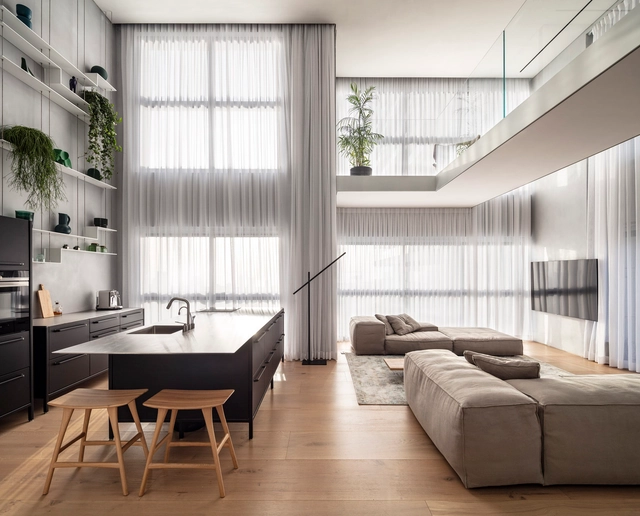
Double-height ceilings, commonly found in museums and industrial warehouses to accommodate large objects, offer both aesthetic and functional advantages. This concept seamlessly translates to residential designs, where these ceilings are often strategically placed near social areas or stairs. By doing so, they enhance the overall space, increase illumination, and add an impressive sense of height. In this context, we present examples to illustrate how to maximize the benefits of double-height ceilings in your home.
Amidst the immense possibility of constructive solutions, all have advantages and disadvantages, gains and limitations. Whether for economic reasons, deadlines, material availability, or spatial performance, each type of material responds to the project in a certain way and gives it a specific visual and environmental aspect. In general, multiple construction systems are required, enabling the offsetting of any shortcomings in one material through the performance of another. This approach ensures a balanced and effective implementation of diverse materials to address specific project requirements. Drywall panels, or drywall, are on this threshold between rejection and preference.
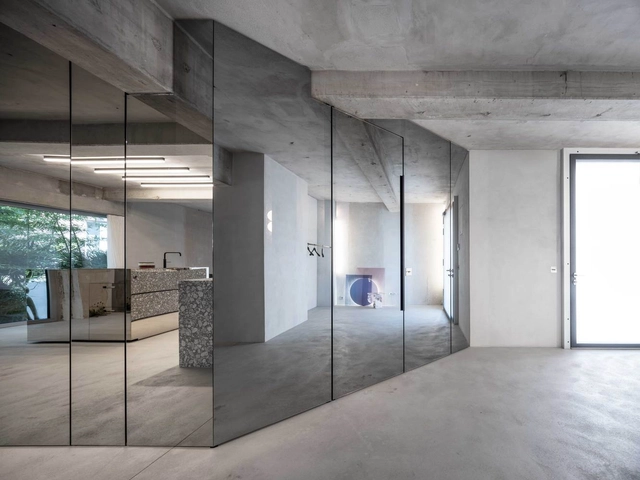
Humans have always been fascinated by reflections. Although they are no more than light bouncing back after striking a surface, there will always be something mystical and fascinating about them –whether it be a lake mirroring a beautiful landscape or a small hand mirror reflecting our face. This explains why some ancient cultures considered mirrors to be sacred objects with magical powers, while others associated them with portals leading to an unknown world. Since then, mirrors have evolved to adopt many valuable functions that are indispensable in everyday life, being found in cars, medical equipment and, of course, in countless architectural applications, especially in interiors. Experimenting with the reflection and perception of space has become an easy way for architects, designers and homeowners to transform any room. And when looking to maximize this impact, the power of exceptionally large mirrors is unparalleled. After all, the bigger the mirror, the bigger the impact.
A home is a sacred realm, a place that embraces and honors a variety of emotions and sensations. As Gaston Bachelard asserts, it serves as our refuge in the world, our initial universe, a true cosmos in every sense of the term. Its intricate symbolism transcends mere functional aspects like room count or bathroom size. Entire universes find their place within its walls.
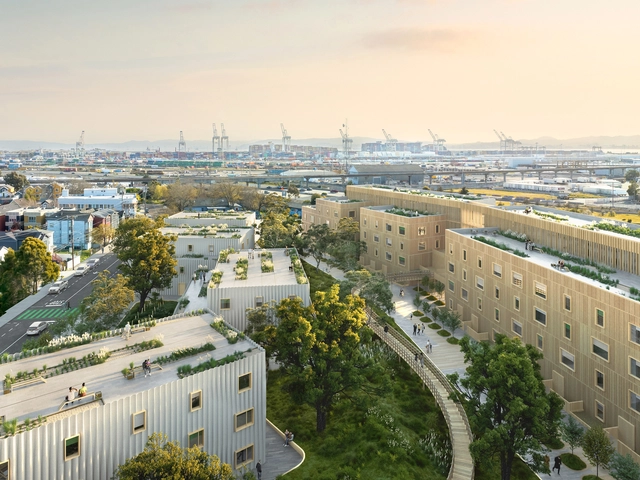
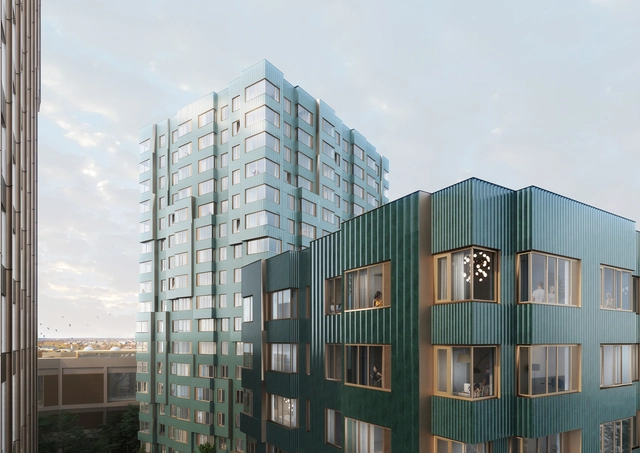
MVRDV has revealed the design of a new residential complex located in the Enterprise Research Campus in the Allston neighborhood of Boston, Massachusetts, a site adjacent to the Harvard Business School. The development, already under construction, features 343 apartments with a quarter of them dedicated to affordable units. It also includes amenities for the residents and retail spaces for small local businesses, aiming to create an inclusive and enjoyable space within the new urban district.
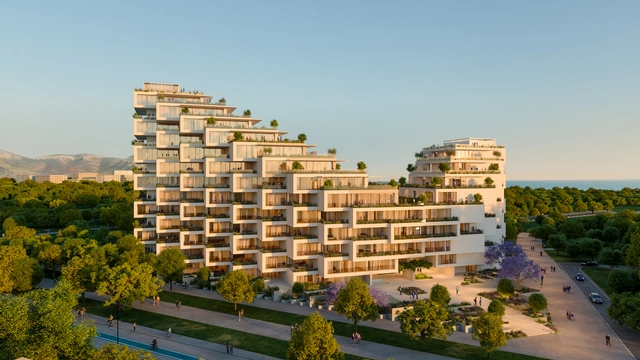
Bjarke Ingels Group has revealed the design of Park Rise residences, a new development the Little Athens neighborhood of Ellinikon, featuring modern homes, greenspace, retail, office, and hospitality. The Ellinikon is an ambitious urban regeneration project that reimagines the grounds of Athens' old international airport and transforms it into a 6.2 million-square meter smart city. Within this development, the Little Athens neighborhood aims to become an integrated part of Ellinikon's smart urban ecosystem and bring over 1100 new residences to the northwestern coastline of the development.
The layout of interior spaces has been in constant evolution since the very first residential project. For many years, functionality dictated how they're are organized, but soon after, cultural, social, and economical changes influenced the way people design their living space, bringing about the spacious and versatile open floor plan. A lot has been written - and critiqued - about the open floor plan: who introduced it, how it was developed, its benefits, and/or lack thereof. During the past couple of decades, open floor plans were perhaps among the most requested interior design concepts, but today, architects are leaning towards the opposite.
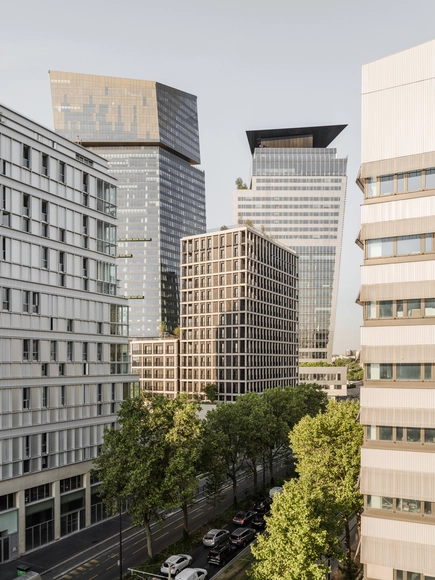
In Paris’ thirteenth arrondissement, the architecture office Moreau Kusunoki has completed Le Berlier, a 50-meter-tall timber tower housing residential units along with various other amenities. Situated at the intersection of multiple urban flows, networks, and scales, the project aims to find the middle ground between innovation, monumentality, and domesticity. The new residential center expresses its structural system through the grid of the façade, rendered in charred and pre-weathered wood.
How to design livable spaces, making the most of the available square meters? Currently, the design of housing in major urban centers is often linked to finding ways to optimize interior spaces, integrate environments for better lighting and ventilation, and establish a connection with the outdoors. According to the needs of its inhabitants, project requirements, and often construction costs, architecture professionals seek to provide flexibility, spaciousness, and adaptability to spaces through renovations, transformations, and more, which provide good living conditions and consider the possible changes that future generations may have to face.