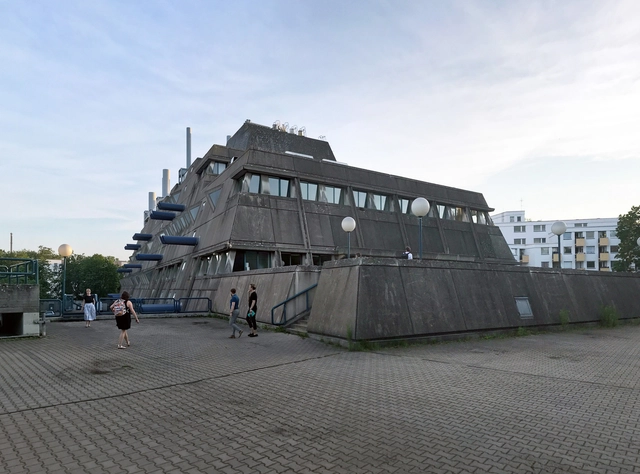
The former animal laboratories of the Charité in Lichterfelde, also known as the Mäusebunker building, have now been placed under monument protection, saving it from the threat of demolition that has been slated since 2010. The brutalist structure was designed by architects Gerd and Magdalena Hänska and built from 1971, and put into operation in 1982. While its strong image, combined with its function as a laboratory for animal tests, resulted in the general public’s distaste for it, the Brutalist building slowly gained acceptance and even a cult status among brutalist fans.
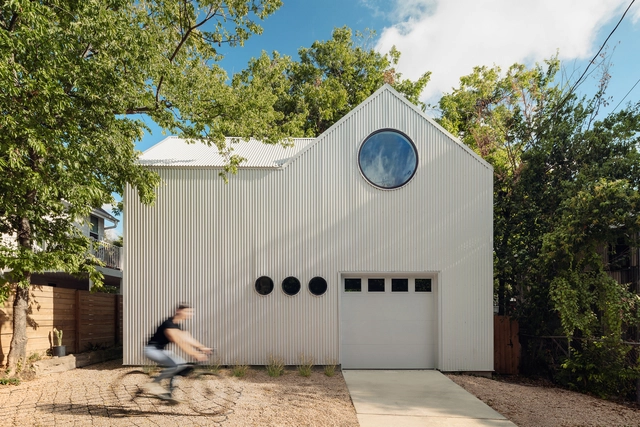
Contemporary family living setups mean parents and grandparents in need of care, teenagers and young adults in need of independence, and homeowners in need of the financial security of a guaranteed passive income are all finding themselves in the same situation, and under the same roof. With little extra space to move into, and few options in an increasingly squeezed housing market to move out to, the simple solution is just to add another roof.
For those in the market for more functional floorspace, detached single-story ADUs (accessory dwelling units) are a simple way to boost a home’s usability fast, while avoiding the regulatory wranglings inherent in more complex structural adaptations.
Some architects have left their mark on history; one such case is Antonio Gaudí. Through his nature-inspired conceptions, he became the foremost representative of Catalan modernism. The impact of Gaudí's work can be seen on various architectural scales, including the Sagrada Familia, Parc Güell, Colònia Güell, Casa Milà, and Casa Battló, the latter being an iconic landmark of Barcelona’s architecture.
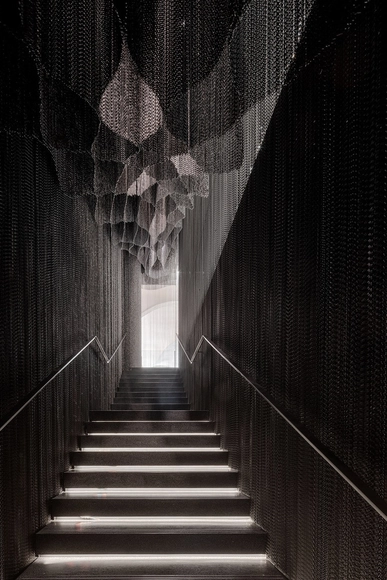
Casa Battló emerged from the renovation of an 1877 building, which was acquired in 1903 and subsequently commissioned to Gaudí for its transformation. Inspired by animal forms, particularly those of the ocean, the facade and interior were renovated using curves and a combination of vibrant colors. This intervention marked a turning point for the house, as it significantly changed the facade, redistributed the interior, and provided a sublime interaction with natural light. Following the nature of the renovation that began with Gaudí, a new interior project for the stairs and atrium of Casa Batlló was developed in 2021. This renovation is the result of a dialogue between the anodized aluminum chains developed by Kriskadecor and the abstraction of the ingenious use of light in Casa Batlló through Kengo Kuma's design.
https://www.archdaily.com/1001552/metallic-layers-in-dialogue-with-light-an-abstract-intervention-at-casa-batlloEnrique Tovar
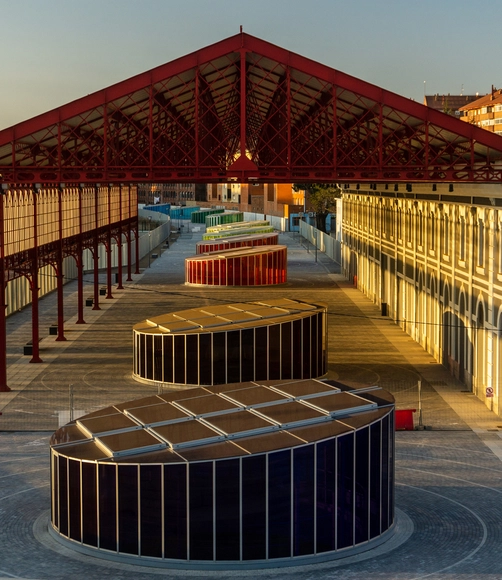
Light and color are intrinsically linked, as color cannot exist without the presence of light. In 1665, Isaac Newton made a momentous discovery when he observed that white light breaks down into different colors as it passes through a prism, creating a spectrum. This discovery laid the foundation for understanding the nature of light and developing color theory, which had a significant impact not only in the scientific field but also in artistic disciplines such as painting, photography and architecture.
https://www.archdaily.com/1001361/laminated-glass-skylights-infused-with-vibrant-colors-the-kaleidoscopic-stationEnrique Tovar
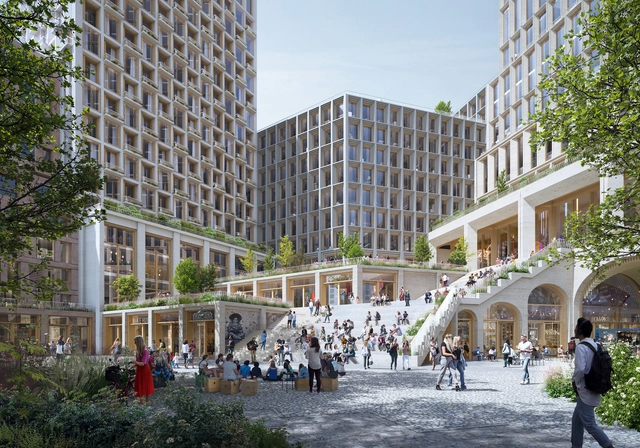
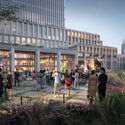
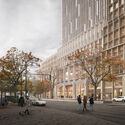
Henning Larsen has been selected as the winner of an international competition for the design of Kurfürstendamm 231, a new mixed-use urban development in western Berlin, Germany. Other finalists in the competition included Cobe, David Chipperfield, and Mäckler Architekten. The winning concept centers the neighborhood around an urban courtyard which acts as a large-scale meeting place for the local community. Nine buildings define the courtyard, including the existing Agrippina House, which is set to be rehabilitated through the project.
Enhancing the energy performance of existing buildings through refurbishment processes provides the opportunity to create more comfortable and sustainable environments, while also improving their functionality, aesthetics, and safety. Architectural approaches to these renovations encompass various aspects of a building, including interior spaces, structure, internal systems, and facades.
When it comes to rethinking a building's envelope, STACBOND’s composite panel solutions delve into the development of ventilated facades. These facade systems serve as an architectural strategy for energy-efficient building renovations. Minimizing energy consumption for heating and cooling, the rehabilitation strategy incorporates thermal insulation, moisture management, and thermal mass optimization.
Architecture is a continually evolving form of human expression influenced by cultural and contextual factors. While many of the problems we face today aren't directly linked to architecture, it has the ability to provide or facilitate solutions to these challenges. This has been evident throughout history, as societal issues have played a significant role in shaping our built environments. For instance, during the Victorian era, the infamous "Great Stink" led to the modernization of London's drainage system and urban layout. Similarly, the 2008 recession gave rise to the sharing economy and coworking spaces. Nowadays, the climate crisis is transforming the way we conceive architecture, seeking to reduce the carbon footprint of buildings and cities to achieve the Paris Agreement objectives. Given this backdrop, what challenges should we expect in the future?
https://www.archdaily.com/1000810/energetic-retrofitting-a-solution-for-environmental-obsolescence-in-architectureEnrique Tovar
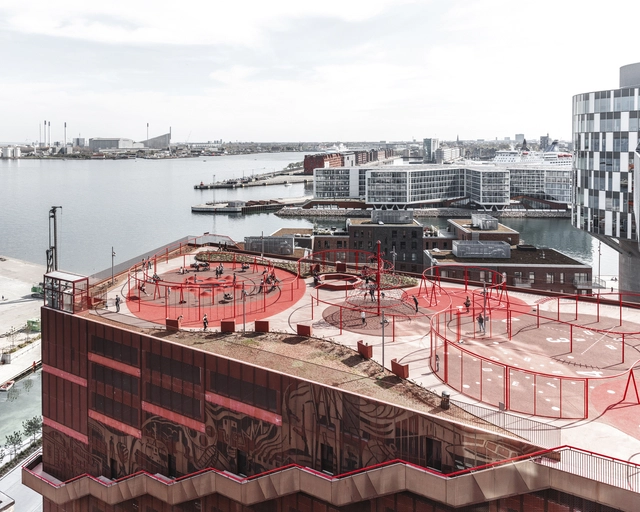
In increasingly denser urban environments, there is a new-found interest in underused spaces as opportunities for further development. Representing up to 25% of cities' land area, rooftops are among the most exciting spatial resources. From sustainable infrastructure and urban farming to social spaces and cultural venues, the article looks into the potential of creating a multi-layered city through the activation of urban rooftops.
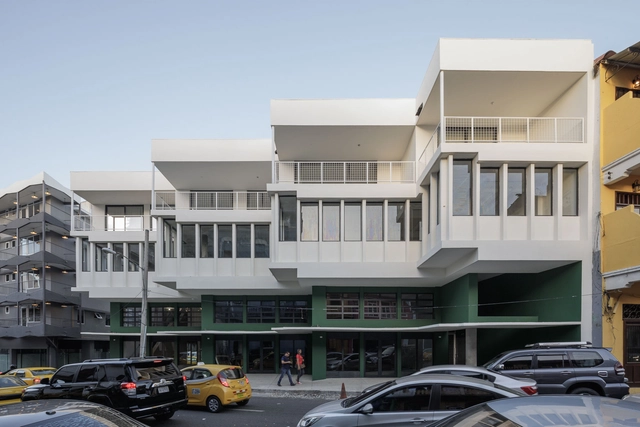
The city of Panama has been experiencing an architectural rebirth. Buildings that have become outdated and deteriorated over time are now being renovated, restored, and modernized - and one of the main offices carrying out this task is Sketch, an architecture studio that defines itself as "energetic, multidisciplinary, and a firm believer that design should be both smart and fun."
Their renovation and remodeling projects, such as the STEPS Dance Academy, the DiabloRosso Gallery, and the mixed-use building La Moderna, are clear indications of this transformative spirit that revolves around efficiency and relevance. Learn about these projects in detail below.
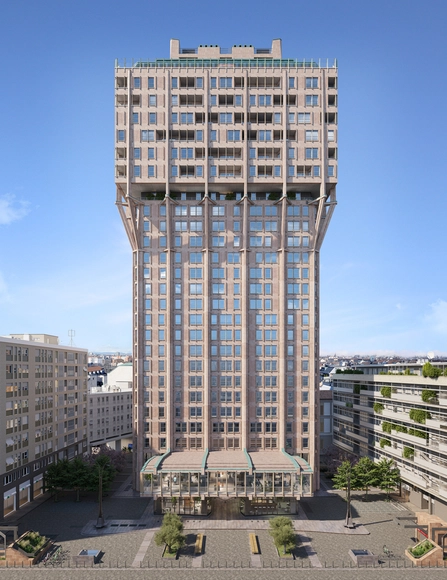
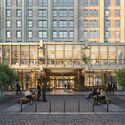
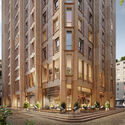
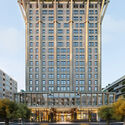
Torre Velasca, the renowned 1950s skyscraper by BBPR in Milan, Italy, is currently undergoing an extensive renovation process led by Asti Architetti and developed by Hines. After completing the work on the facades and with the extensive restoration of the interiors under way, the office has made public the project for the redesign of the Piazza Velasca, the square surrounding the tower. By turning it into a meeting and social gathering place, the architects hope to restore the status of the complex as a symbol of Milan’s architectural heritage. Pedestrian access to the building, and the renovation of previously disused adjacent spaces will open up the area for public access and will restore the original meaning of “piazza,” or square. The project is scheduled for completion by early 2024.
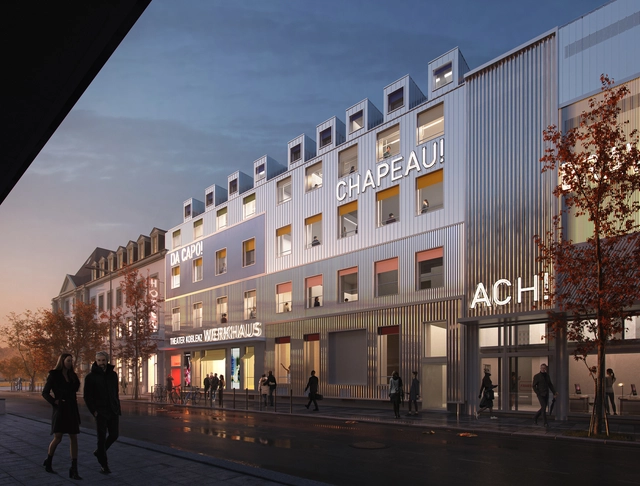
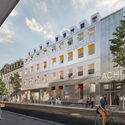
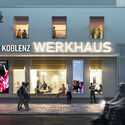
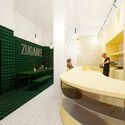
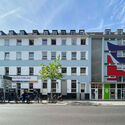
MVRDV has revealed its design for the extensive renovation project of the Theater Koblenz, in Germany. The project includes an interior redesign and a significant backstage element makeover. The proposal, which operates within the confines of the existing structure, balances the many requirements of the brief: history preservation is taken into account alongside essential technical improvements and roof rehabilitation. Additionally, the operations building's façade on Clemensstraße will be renovated to give this backstage entrance a contemporary, expressive appearance that emphasizes its inclusion in the theater complex, clearly separating it from the building's original guest entrance. The repair preserved a significant portion of the structure for future use and used biodegradable materials as much as feasible to reduce carbon emissions.
Architects have always considered the positive influence of natural light on the health and mood of a building's occupants, but measuring its actual benefits was a challenge for a long time. However, the past few decades have seen significant progress in this area, with research such as the comprehensive study conducted by the Heschong Mahone Group, which analyzed more than 21,000 student tests in three school districts in California, Washington, and Colorado. The results showed that students in classrooms with more natural light had a 20% faster learning progress in math tests and 26% on reading tests, compared to students in classrooms with less natural light. Many other studies reinforce that including natural light in spaces has immense long-term benefits for societies, especially during a child's valuable formative years, who spend about 90% of their time indoors and about 200 days a year in classrooms.
Hidden in plain sight, ceilings are often the final surface interior designers and architects think about, but the expansive plane of unobstructed plaster or concrete offers mar more creative freedom than we realize. Modern design rules demand that the ceiling is kept clean. Not with a telescopic mop attachment, but by stripping off the popcorn spray, wood-chip wallpaper, or plaster patterning that haunt my own memories of ceilings-past.
While many clients greet this contemporary need for clean lines with acquiescence, choosing smooth, skimmed plaster finishes with unobtrusive yet forgetful recessed spots, other bolder clients recognize the ceiling’s potential for the creative outlet it is.
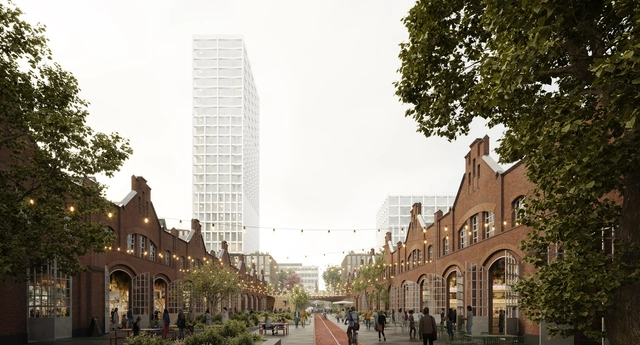
The Portuguese office MASSLAB, in collaboration with AFRY Ark Studio, won the Train Factory Mixed-Use Competition, an international competition in two stages whose main objective was to create a landmark for the city of Helsinki, Finland. The proposal was selected from five world-renowned architectural consortia.
The Train Factory Group and the City Council of Helsinki organized the competition, and the proposal “A roof for Helsinki” was chosen. The old electric train building will be transformed into a 45,000 m² complex for offices, retail and a hotel, reimagined as part of the social, commercial and cultural heritage.
Refurbishment and adaptive reuse have been at the forefront of architectural discourse in recent years. This demonstrates that the profession is becoming increasingly aware of its impact on the environment and the opportunities presented by reusing what has already been built. Architecture 2030 has recently launched CARE, or Carbon Avoided Retrofit Estimator, a new digital tool that enables designers, owners, and communities to quantify the carbon benefits of adaptive reuse. By entering a streamlined set of project information, such as energy targets and potential building interventions, users can quickly estimate both operational carbon emissions generated by the use of the building and embodied carbon emissions, which are tied to the building materials employed.