1. ArchDaily
  2. Rehabilitation

Rehabilitation: The Latest Architecture and News

Between Materials and Memory: Three Madrid Architecture Practices on Heritage Rehabilitation

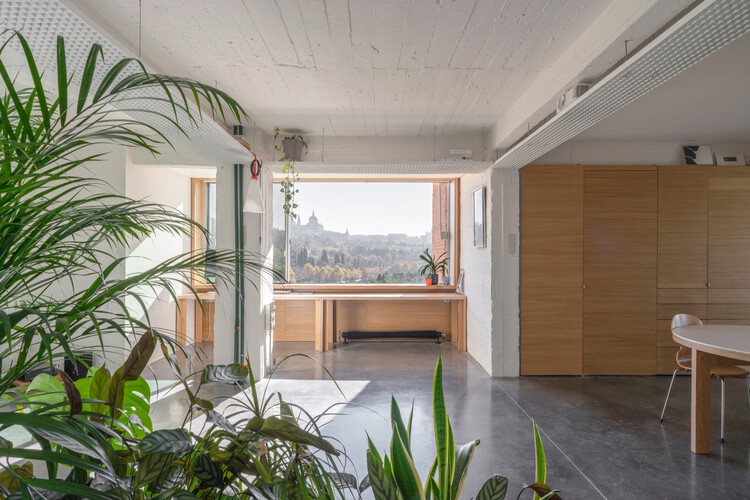
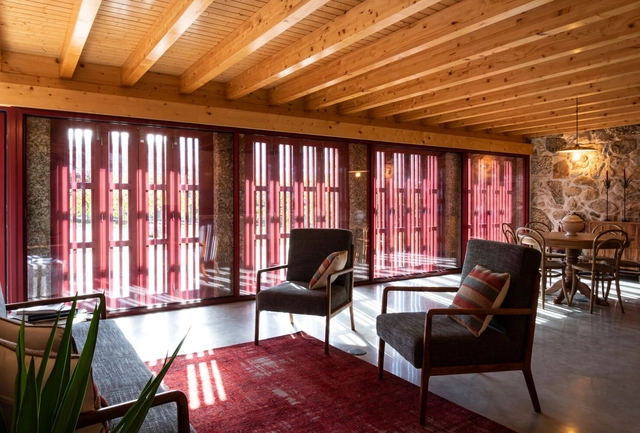
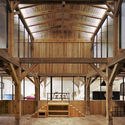
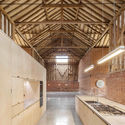
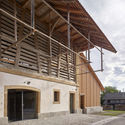
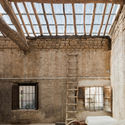
The role of heritage rehabilitation in the contemporary architectural landscape is shaped by a wide range of research, beliefs, memories, and efforts aimed at redefining and strengthening our built environment. When undertaking a transformation, renovation, or preservation project, architects can employ diverse strategies and tools to encourage a meaningful coexistence between what already exists and what is newly introduced. Together with three Madrid-based architecture practices—SOLAR, Pachón-Paredes, and BA-RRO—we set out to engage in conversation and explore their creative processes and ideals, recognizing the complexity and value of historic buildings as repositories of materials, structures, and construction techniques from other eras.

Between Materials and Memory: Three Madrid Architecture Practices on Heritage Rehabilitation - Image 1 of 4Between Materials and Memory: Three Madrid Architecture Practices on Heritage Rehabilitation - Image 2 of 4Between Materials and Memory: Three Madrid Architecture Practices on Heritage Rehabilitation - Image 3 of 4Between Materials and Memory: Three Madrid Architecture Practices on Heritage Rehabilitation - Image 4 of 4Between Materials and Memory: Three Madrid Architecture Practices on Heritage Rehabilitation - More Images+ 22

Centre Pompidou to Close for Five-Year Renovation Led by Moreau Kusunoki

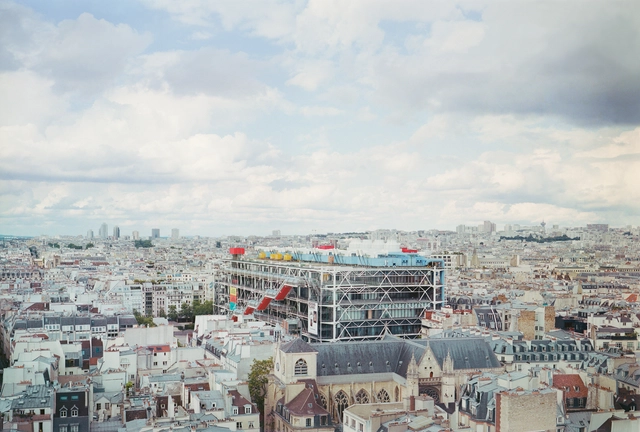
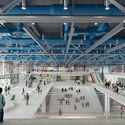
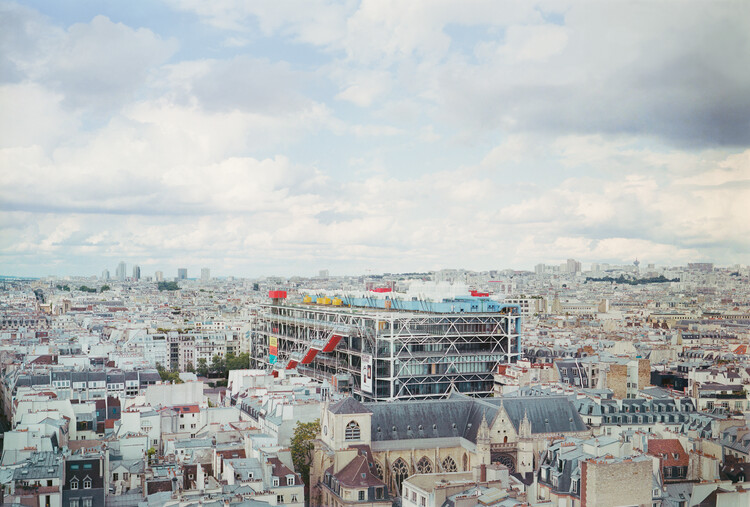
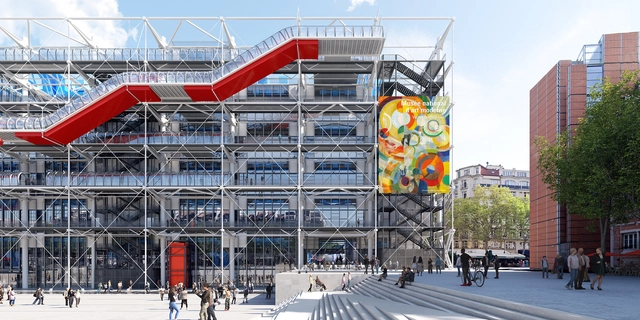
The Centre Pompidou in Paris, designed in 1971 by Renzo Piano and Richard Rogers, is closing for a major transformation that will take five years. Following an international competition, the renovation has been entrusted to Moreau Kusunoki, in association with Frida Escobedo Studio, alongside AIA Life Designers for the technical components. Initiated in 2020 with the support of France's Ministry of Culture, the project addresses urgent needs, including the removal of asbestos from facades, improved fire safety, enhanced accessibility, and significant upgrades in energy efficiency. The works will require a full closure of the Beaubourg site, with a planned reopening in 2030.

Centre Pompidou to Close for Five-Year Renovation Led by Moreau Kusunoki - Image 7 of 4Centre Pompidou to Close for Five-Year Renovation Led by Moreau Kusunoki - Image 14 of 4Centre Pompidou to Close for Five-Year Renovation Led by Moreau Kusunoki - Image 11 of 4Centre Pompidou to Close for Five-Year Renovation Led by Moreau Kusunoki - Image 9 of 4Centre Pompidou to Close for Five-Year Renovation Led by Moreau Kusunoki - More Images+ 12

Track to Completing Málaga Cathedral: The Role of Timber in Designing the New Gable Roof

 | Sponsored Content

Like a musical composition, there is a particular category of buildings whose history might be compared to an unfinished symphony. Alternating between high notes and moments of silence, these structures are intermittent narratives that have spanned centuries. One of the most emblematic cases is the Sagrada Familia, which has been under construction for over a century and is on track to be completed this decade. While a hundred years of construction is no small feat, another building in this group surpasses that range: the Cathedral of Málaga, located in southern Spain, has been in the making for over five centuries.

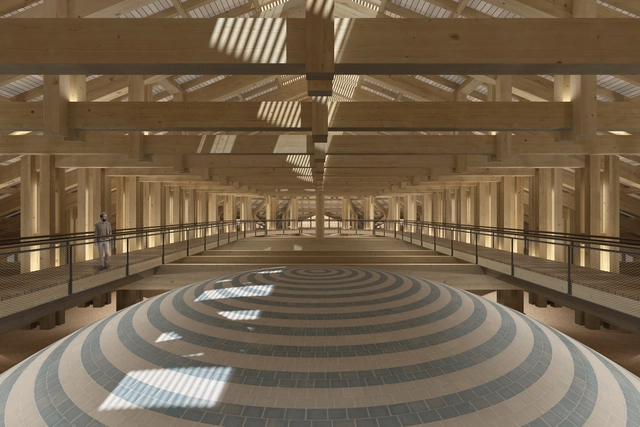
Driven by Renaissance influences, the cathedral began construction in 1528. Since then, it has experienced periods of interruption throughout its history, resulting in an unfinished landmark. The cathedral is still missing one of its towers, has incomplete elements on its facade, and its vaults are exposed to the weather due to the absence of a covering structure. Over the years, various works have been undertaken—including the recent adaptation of tourist access to the domes—but one major task remains: the gable roof. Originally proposed in 1764 by Ventura Rodríguez, its design has been reimagined and will now be executed using contemporary wooden construction techniques.

Moreau Kusunoki and Frida Escobedo Studio Undertake Major Renovation of Centre Pompidou in Paris

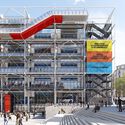
In 2020, the French Minister of Culture approved an extensive renovation program for the Centre Pompidou with the purpose of resolving the building's technical issues and ensuring the long-term viability of the iconic structure. Designed by Renzo Piano and Richard Rogers in 1971, the museum was conceived as a "living cultural machine," sparking controversy due to its unusual architecture. To ensure an efficient renovation process, the building will be fully closed for a period of 5 years, from September 2025 until 2030. French architecture studio Moreau Kusunoki has been commissioned to lead the renovation project, collaborating with Frida Escobedo Studio and AIA Life Designers, who are entrusted with the technical component of the project. The architects have been selected following an international competition, with Renzo Piano as one of the jury members.

Moreau Kusunoki and Frida Escobedo Studio Undertake Major Renovation of Centre Pompidou in Paris - Image 1 of 4Moreau Kusunoki and Frida Escobedo Studio Undertake Major Renovation of Centre Pompidou in Paris - Image 2 of 4Moreau Kusunoki and Frida Escobedo Studio Undertake Major Renovation of Centre Pompidou in Paris - Image 3 of 4Moreau Kusunoki and Frida Escobedo Studio Undertake Major Renovation of Centre Pompidou in Paris - Image 4 of 4Moreau Kusunoki and Frida Escobedo Studio Undertake Major Renovation of Centre Pompidou in Paris - More Images+ 16

Affordable Play: 4 Examples of Low-Budget Community Playgrounds

Subscriber Access | 

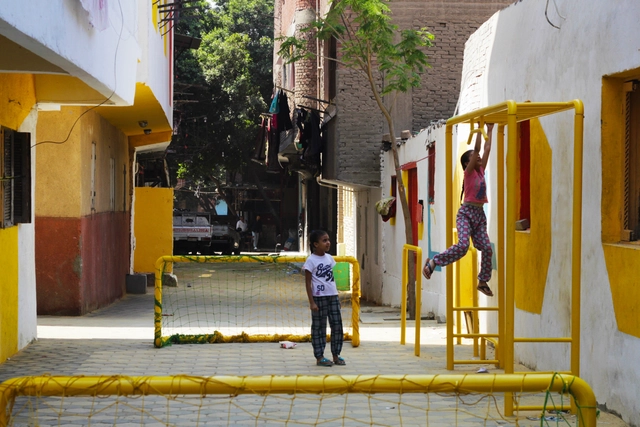
The idea of a community or public playground is about creating an accessible recreational space for all. However, in many cases, initiating a playground project might fail due to insufficient funds or regulations/restrictions. The first challenge is largely to set the project in motion and, most importantly, get the community’s positive reception and, if possible, its involvement, thus ensuring the project's success and sustainability. 

Affordable Play: 4 Examples of Low-Budget Community Playgrounds - Image 1 of 4Affordable Play: 4 Examples of Low-Budget Community Playgrounds - Image 2 of 4Affordable Play: 4 Examples of Low-Budget Community Playgrounds - Image 3 of 4Affordable Play: 4 Examples of Low-Budget Community Playgrounds - Image 4 of 4Affordable Play: 4 Examples of Low-Budget Community Playgrounds - More Images+ 11

Social Rehabilitation: Exploring Community Involvement in Architectural Restoration

Subscriber Access | 

Rehabilitation involves repairing, renovating, altering, or reconstructing any building or structure. It addresses the need to significantly improve a building's failing features, primarily through strengthening or replacing elements to restore the structure's optimal performance. The impact of building rehabilitation on the physical environment is significant. It is a sustainable strategy for preserving the built environment and mitigating the construction industry's impact on climate change.

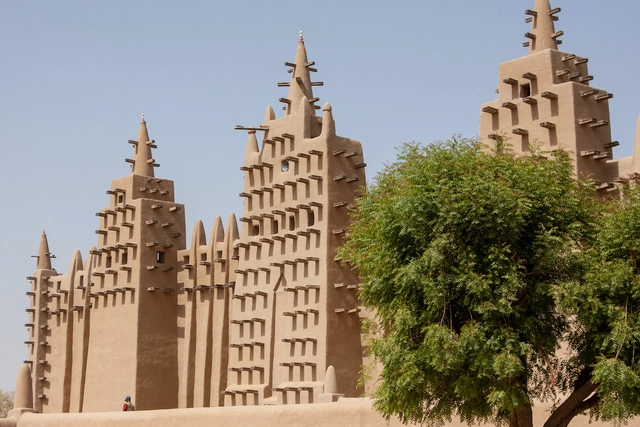
However, its social impact is also considerable when viewed as a fundamental framework for sustainable outcomes. Rehabilitation can serve as a model that brings community members together for inclusive repair and restoration of structures. This positively affects communal life quality, social integration, environmental sustainability, and community perception of local architecture.

Social Rehabilitation: Exploring Community Involvement in Architectural Restoration  - Image 1 of 4Social Rehabilitation: Exploring Community Involvement in Architectural Restoration  - Image 2 of 4Social Rehabilitation: Exploring Community Involvement in Architectural Restoration  - Image 3 of 4Social Rehabilitation: Exploring Community Involvement in Architectural Restoration  - Image 4 of 4Social Rehabilitation: Exploring Community Involvement in Architectural Restoration  - More Images+ 7