1. ArchDaily
  2. Regenerative Design

Regenerative Design: The Latest Architecture and News

Bauhaus Earth Transforms Disused Car Park into Bamboo Community Pavilion in Bali, Indonesia

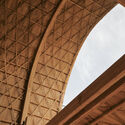
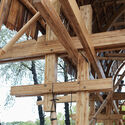
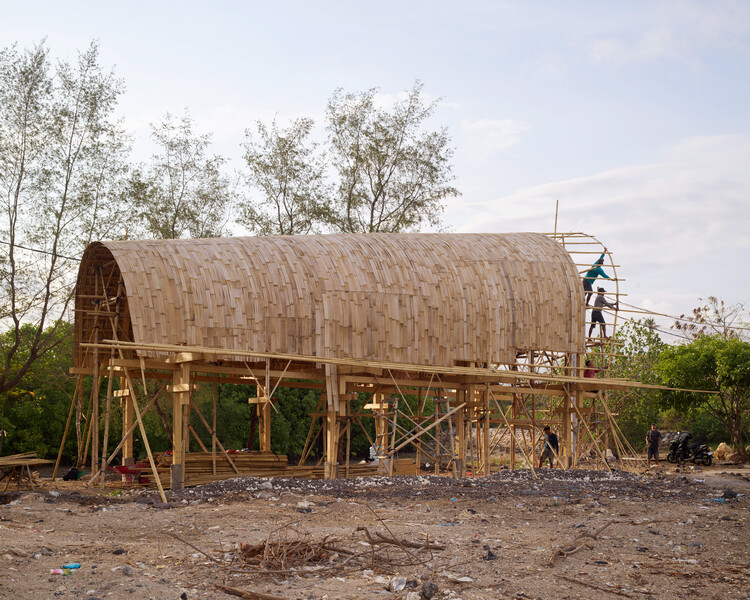
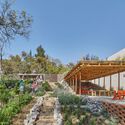
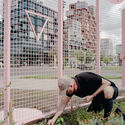
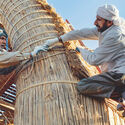
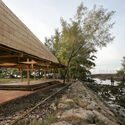
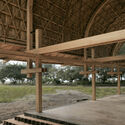
Bauhaus Earth is a Berlin-based non-profit organization working toward a systemic transformation of the built environment. Its mission includes transitioning to bio- and geo-based materials, reusing existing buildings, and restoring ecosystems. Together with the Bamboo Village Trust, a philanthropic financial vehicle, and Kota Kita, a participatory urban design organization, Bauhaus Earth has developed BaleBio, a bamboo pavilion designed by Cave Urban and rising above Mertasari Beach in Denpasar, Bali. The pavilion transforms a disused car park into an open community meeting space, offering a counterpoint to the city's tourism-driven coastal development. Designed as a regenerative building, BaleBio stores carbon instead of emitting it, challenging the extractive construction model that is replacing traditional wood and bamboo craftsmanship with concrete structures across the island.
Bauhaus Earth Transforms Disused Car Park into Bamboo Community Pavilion in Bali, Indonesia - Image 1 of 4Bauhaus Earth Transforms Disused Car Park into Bamboo Community Pavilion in Bali, Indonesia - Image 2 of 4Bauhaus Earth Transforms Disused Car Park into Bamboo Community Pavilion in Bali, Indonesia - Image 3 of 4Bauhaus Earth Transforms Disused Car Park into Bamboo Community Pavilion in Bali, Indonesia - Image 4 of 4Bauhaus Earth Transforms Disused Car Park into Bamboo Community Pavilion in Bali, Indonesia - More Images+ 16

From Concrete to Cultivation: How AI and Robotics Are Rewriting Architecture’s Material Logic

Subscriber Access | 

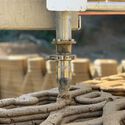
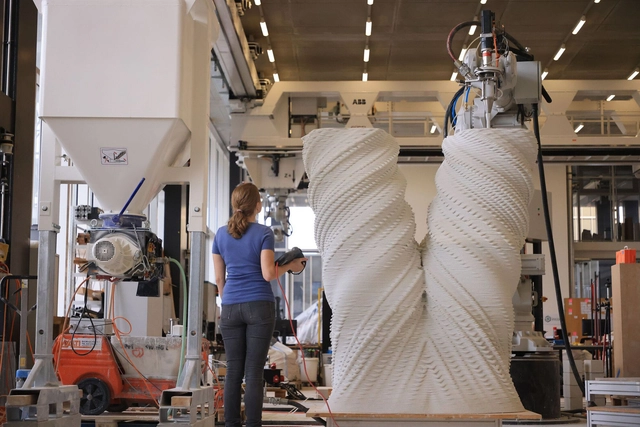
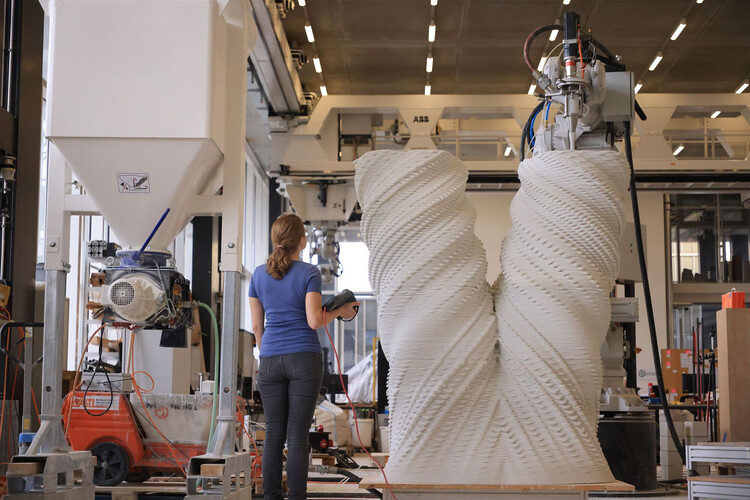
Architecture has entered a pivotal moment. As cities continue to grow under the weight of climatic and social pressures, the materials and systems that shape them are being redefined. Artificial intelligence and robotics, once used to accelerate construction processes, are now being rethought as tools for cultivation. Printed structures that grow, breathe, and decay. Cultivation, in this context, refers to designing with biological materials, where growth and decay are active parameters, merging digital precision with ecological intelligence. This evolution shows the shift from efficiency to empathy, where architecture becomes an agent of active repair. The introduction of mycelium and other natural materials into 3D printing presents a new paradigm in architecture: the logic of the living. A place where computation and fabrication meet biological adaptability.
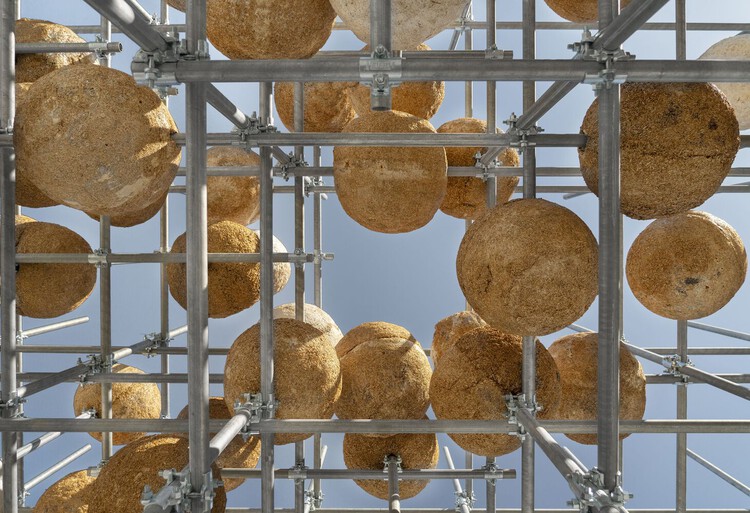
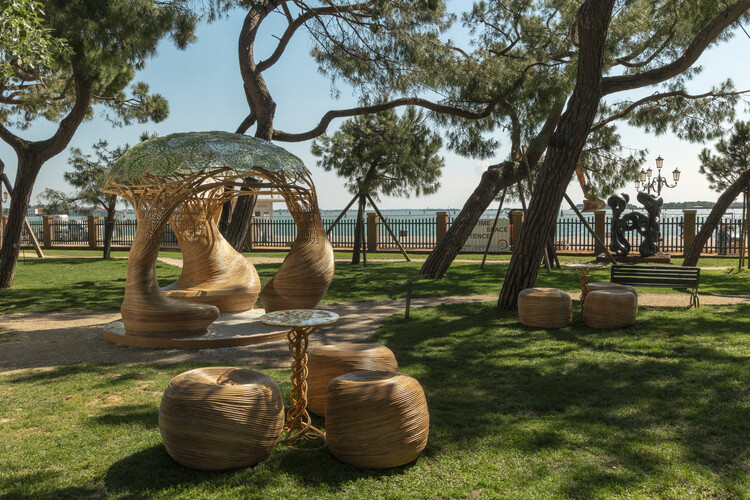
AI and robotics, once associated with industrial efficiency, are now opening new ways of designing. Early examples, such as ICON's 3D-printed housing prototypes, focused on speed and automation but offered little response to their surroundings. Newer projects, such as the MycoMuseum at the 2025 Venice Architecture Biennale, reinterpret these tools through a biological lens. Instead of shaping concrete, they cultivate living materials, marking a shift from pure optimization toward regeneration.

From Concrete to Cultivation: How AI and Robotics Are Rewriting Architecture’s Material Logic - Image 1 of 4From Concrete to Cultivation: How AI and Robotics Are Rewriting Architecture’s Material Logic - Image 2 of 4From Concrete to Cultivation: How AI and Robotics Are Rewriting Architecture’s Material Logic - Image 3 of 4From Concrete to Cultivation: How AI and Robotics Are Rewriting Architecture’s Material Logic - Image 4 of 4From Concrete to Cultivation: How AI and Robotics Are Rewriting Architecture’s Material Logic - More Images+ 9

The Architect as a Scientist: New Materials Emerging Between Science and Design

What is architecture? For some, its traditional role is to bring together imagination, technical knowledge, and problem-solving, allowing architects to design and construct while balancing ideas with the means to realize them. From the stone and wood of early buildings to the steel and concrete of the 20th century, each era demanded not only an understanding of form but also of the properties and potential of the materials in use. This grasp of materials has always been a core part of the creative process, though its scope was limited by the know-how and technologies available.

Over time, that balance has begun to shift. Architects have moved from merely using materials to actively designing them, applying scientific principles and experimenting with biological, chemical, and computational processes. This evolution has expanded the possibilities of architecture, intersecting nature, technology, and art, while pushing the role of the architect into a more experimental, science-driven dimension, where the manipulation and creation of materials becomes central to the creative act rather than merely a means to achieve forms or structures.

The Architect as a Scientist: New Materials Emerging Between Science and Design - Image 1 of 4The Architect as a Scientist: New Materials Emerging Between Science and Design - Image 2 of 4The Architect as a Scientist: New Materials Emerging Between Science and Design - Image 3 of 4The Architect as a Scientist: New Materials Emerging Between Science and Design - Image 4 of 4The Architect as a Scientist: New Materials Emerging Between Science and Design - More Images+ 11

Reimagining Lisbon’s Azulejos: Regenerative Biomaterial Tiles from the Tagus River

Subscriber Access | 

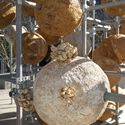
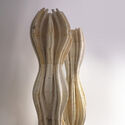
All materials come from somewhere, embedded in a chain of extraction, supply, production, and disposal that, depending on its scale, leaves more or less significant marks on the environment. In architecture, we usually approach this trajectory through the lens of materials' circularity, considering how they can re-enter production cycles rather than become waste. Yet, broadening our view to unexpected places reveals parallel systems where by-products from one industry become resources for another. This approach has found fertile ground in organic waste transformed into biomaterials, with one of the most recent examples being the work of Fahrenheit Works. Through their installation, "From the Tagus to the Tile", they repurpose oyster shells initially discarded by food systems to create a reinterpretation of Lisbon's iconic tiles.

Reimagining Lisbon’s Azulejos: Regenerative Biomaterial Tiles from the Tagus River - Image 1 of 4Reimagining Lisbon’s Azulejos: Regenerative Biomaterial Tiles from the Tagus River - Image 2 of 4Reimagining Lisbon’s Azulejos: Regenerative Biomaterial Tiles from the Tagus River - Image 3 of 4Reimagining Lisbon’s Azulejos: Regenerative Biomaterial Tiles from the Tagus River - Image 4 of 4Reimagining Lisbon’s Azulejos: Regenerative Biomaterial Tiles from the Tagus River - More Images+ 10

Can We Build with Food? Circular Experiments at the Matter Matters Lab

Subscriber Access | 

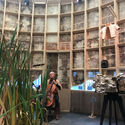
What does it mean to build with care, using what others leave behind? This question shapes the work of the Matter Matters Lab, an initiative founded by architect and researcher Catherine Söderberg Esper during the isolation of the pandemic. Drawing from experiences across cultures and motivated by a personal transformation during motherhood, Catherine began to investigate everyday waste as raw material for regenerative construction systems. Her first experiment involved gluing her own cut hair using white glue, initiating a radically intimate and handmade approach. Since then, the lab has focused on transforming organic waste into low-impact architectural materials, inspired by Indigenous knowledge systems and aiming to break from extractive models in construction. Projects like the Avocado Bricks, made from discarded avocado seeds, exemplify this approach of local, circular, and rooted in the idea of reciprocity between matter, place, and care, offering a new way of building with waste.

Architectural Acts of Repair: Critical Themes from the 2025 ECC "Time Space Existence" Exhibition

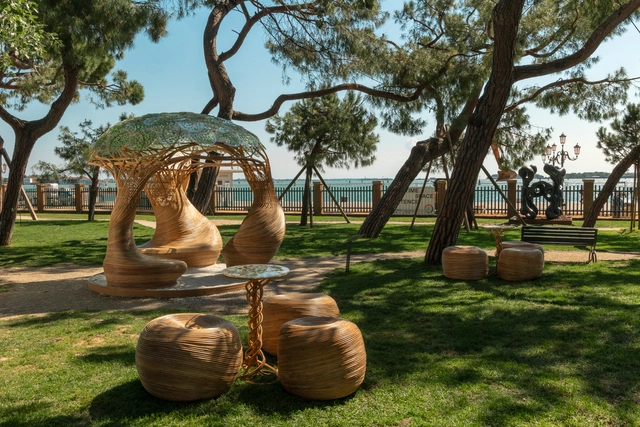
The 2025 edition of the European Cultural Centre's (ECC) Time Space Existence exhibition in Venice is guided by the mandate to "Repair, Regenerate, and Reuse." Aiming to move beyond surface-level solutions and overused terminology, the exhibition showcases a cohort of practitioners who interpret architecture as an active agent of repair. The most compelling works presented in Venice demonstrate that "repair" is a multifaceted practice, operating across material, social, and historical registers. The varied approaches showcase a shift in the role of the architect, from a master builder and designer of physical objects, to that of a mender, able to combine technology, community, and material intelligence to restore narratives and build stronger cultural systems.

Architectural Acts of Repair: Critical Themes from the 2025 ECC "Time Space Existence" Exhibition - Image 2 of 4Architectural Acts of Repair: Critical Themes from the 2025 ECC "Time Space Existence" Exhibition - Image 7 of 4Architectural Acts of Repair: Critical Themes from the 2025 ECC "Time Space Existence" Exhibition - Image 18 of 4Architectural Acts of Repair: Critical Themes from the 2025 ECC "Time Space Existence" Exhibition - Image 16 of 4Architectural Acts of Repair: Critical Themes from the 2025 ECC Time Space Existence Exhibition - More Images+ 14

Rhythms of the Soil: Architecture as Agroecology

At a time of ecological collapse and rising food insecurity, architecture is increasingly called upon to engage not only with landscapes but with the systems that sustain and regenerate them. Among these systems, agriculture occupies a paradoxical role, as both a leading contributor to environmental degradation and a potential agent of ecological recovery. Industrial farming has depleted soils, fragmented habitats, and driven climate change through monocultures, fossil-fuel dependency, and territorial standardization. In response, agroecology has emerged as a counter-practice rooted in biodiversity, local knowledge, and the cyclical rhythms of nature. It reframes farming not as extraction, but as regeneration of ecosystems, communities, and the soil itself.

This reframing opens space for architecture to contribute meaningfully. To align with agroecology is not only to support food production, but to engage with the broader cultural, spatial, and ecological conditions that sustain it. It implies designing with seasonal variation, supporting shared use, and building in ways that respect both the land and those who work it. Architecture becomes more than enclosure — it becomes a mediator of cultivation, reciprocity, and coexistence.

Rhythms of the Soil: Architecture as Agroecology - Image 1 of 4Rhythms of the Soil: Architecture as Agroecology - Image 2 of 4Rhythms of the Soil: Architecture as Agroecology - Image 3 of 4Rhythms of the Soil: Architecture as Agroecology - Image 4 of 4Rhythms of the Soil: Architecture as Agroecology - More Images+ 47

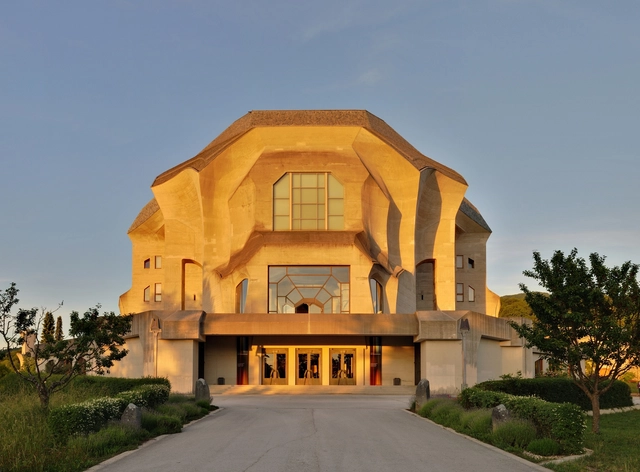
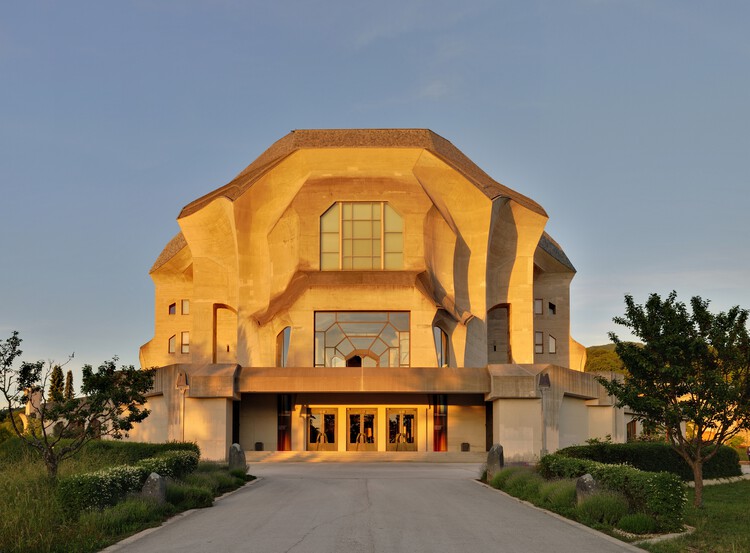
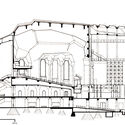
Living Cycles in Regenerative Architecture: Lessons from the Goetheanum

As climate uncertainty and ecosystem changes reshape design priorities, architecture plays an increasingly active role in these discussions, rather than merely observing. Within this perspective, the idea of making a "re" encourages a conscious step back to rethink, reconnect, and realign the relationship between buildings and their environments. This approach, central to regenerative architecture, extends beyond specific technologies or scales, encompassing everything from master plans that aim to re-naturalize cities to national pavilions that combine art and science.

What is the way forward? On the one hand, many current discussions emphasize technology; on the other, there are approaches that, rather than being in opposition, complement one another and broaden the range of possibilities, drawing on tradition, ancestral knowledge, and a profound understanding of the environment. Among these perspectives, the work of Rudolf Steiner and the anthroposophical movement, developed in the early 20th century, offers a vision and insights that connect architecture with ecological rhythms, materials, and community life.

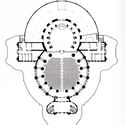
Living Cycles in Regenerative Architecture: Lessons from the Goetheanum - Image 1 of 4Living Cycles in Regenerative Architecture: Lessons from the Goetheanum - Image 2 of 4Living Cycles in Regenerative Architecture: Lessons from the Goetheanum - Image 3 of 4Living Cycles in Regenerative Architecture: Lessons from the Goetheanum - Image 4 of 4Living Cycles in Regenerative Architecture: Lessons from the Goetheanum - More Images+ 9

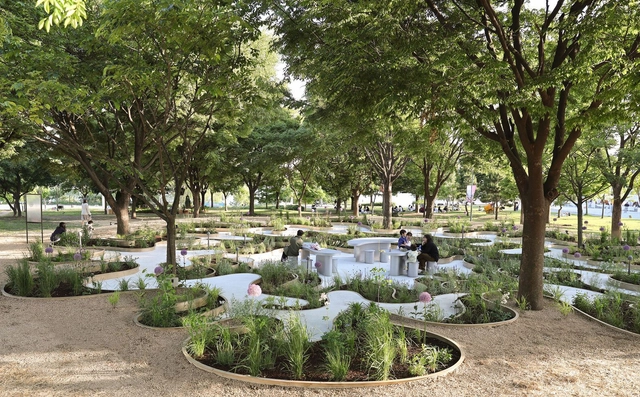
Co-Designing with Nature: How Communities Are Becoming Stewards of Urban Biodiversity

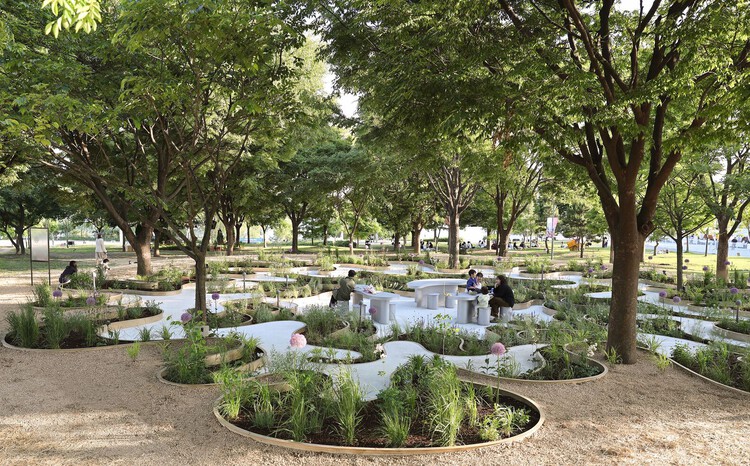
The concrete canyon of Melbourne's Degraves Street was once a stark service corridor in functional obscurity. Today, the narrow laneway now pulses with life beyond its famous café. Native grasses cascade from carefully positioned planters while small shrubs create cooling microclimates. Challenging traditional ecological design models, community-led approaches to biodiversity invite a reimagining of how architects, planners, and communities collaborate to develop biodiverse urban futures.

Co-Designing with Nature: How Communities Are Becoming Stewards of Urban Biodiversity - Image 1 of 4Co-Designing with Nature: How Communities Are Becoming Stewards of Urban Biodiversity - Image 2 of 4Co-Designing with Nature: How Communities Are Becoming Stewards of Urban Biodiversity - Image 3 of 4Co-Designing with Nature: How Communities Are Becoming Stewards of Urban Biodiversity - Image 4 of 4Co-Designing with Nature: How Communities Are Becoming Stewards of Urban Biodiversity - More Images+ 2

The Architecture of Rewilding: Designing for Ecosystem Recovery

As climate instability reshapes design priorities, architecture is increasingly drawn into ecological debates not as a spectator but as a participant. Among the concepts gaining traction is rewilding, a practice rooted in the restoration of self-sustaining ecosystems through the reintroduction of biodiversity, the removal of barriers, and the rebalancing of human presence in the landscape. Though often associated with conservation biology, rewilding also opens up new spatial and architectural imaginaries — ones that challenge conventional notions of permanence, authorship, and use.

The Architecture of Rewilding: Designing for Ecosystem Recovery - Image 1 of 4The Architecture of Rewilding: Designing for Ecosystem Recovery - Image 2 of 4The Architecture of Rewilding: Designing for Ecosystem Recovery - Image 3 of 4The Architecture of Rewilding: Designing for Ecosystem Recovery - Image 4 of 4The Architecture of Rewilding: Designing for Ecosystem Recovery - More Images+ 68

Should Buildings Be Designed to Decay?

Subscriber Access | 

Buildings are physical, static, and permanent. To imagine them otherwise often requires some creative thinking. The industry has operated with this strong association between structures and permanence, unknowingly constraining perspectives on building life cycles. Innovations in building materials have opened up avenues for cirular design that challenge the long-held notion that buildings must endure indefinitely. Emerging approaches promote architecture that ebbs and flows with nature.

Should Buildings Be Designed to Decay? - Image 1 of 4Should Buildings Be Designed to Decay? - Image 2 of 4Should Buildings Be Designed to Decay? - Image 3 of 4Should Buildings Be Designed to Decay? - Image 4 of 4Should Buildings Be Designed to Decay? - More Images+ 1

Forest-to-Frame: LEVER Architecture on Regenerative Design and Material Sourcing

Subscriber Access | 

There is a renewed interest in how food is produced and how its creation affects the well-being of both the land and the communities it supports. A similar shift is occurring in architecture, where material culture is emerging as the backbone of design innovation. LEVER Architecture exemplifies this movement with its pioneering "forest-to-frame" model, an approach that reimagines architecture not as an extractive process, but as a regenerative force with positive impacts that extend well beyond the boundaries of any individual building site.

Forest-to-Frame: LEVER Architecture on Regenerative Design and Material Sourcing  - Image 1 of 4Forest-to-Frame: LEVER Architecture on Regenerative Design and Material Sourcing  - Image 2 of 4Forest-to-Frame: LEVER Architecture on Regenerative Design and Material Sourcing  - Image 3 of 4Forest-to-Frame: LEVER Architecture on Regenerative Design and Material Sourcing  - Image 4 of 4Forest-to-Frame: LEVER Architecture on Regenerative Design and Material Sourcing  - More Images+ 6