1. ArchDaily
  2. Programming

Programming: The Latest Architecture and News

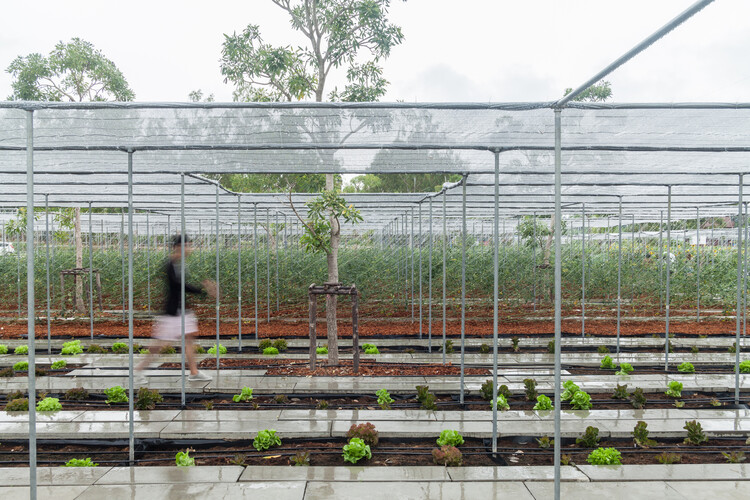
Neither Farm Nor Hotel: Why Agritourism Needs Its Own Architectural Typology

Audio available

This article is part of our new Opinion section, a format for argument-driven essays on critical questions shaping our field.

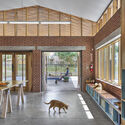
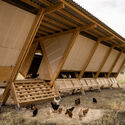
Agritourism is commonly understood as a hybrid model, with equal parts of overlap between the agriculture and hospitality industries. Under this framing, agritourism is valued as a variation on an existing theme, a supplementary activity layered onto rural production. This framing no longer holds in the 21st century as the scale and independence of agritourism's growth have transformed it into a distinct economic sector, one with architectural consequences that neither the agriculture nor the hospitality industries are equipped to address in isolation.

Neither Farm Nor Hotel: Why Agritourism Needs Its Own Architectural Typology - 1 的图像 4Neither Farm Nor Hotel: Why Agritourism Needs Its Own Architectural Typology - 2 的图像 4Neither Farm Nor Hotel: Why Agritourism Needs Its Own Architectural Typology - 3 的图像 4Neither Farm Nor Hotel: Why Agritourism Needs Its Own Architectural Typology - 4 的图像 4Neither Farm Nor Hotel: Why Agritourism Needs Its Own Architectural Typology - More Images+ 72

Beyond the Syllabus: Architectural Education and a Defense of the Profession

Subscriber Access | 

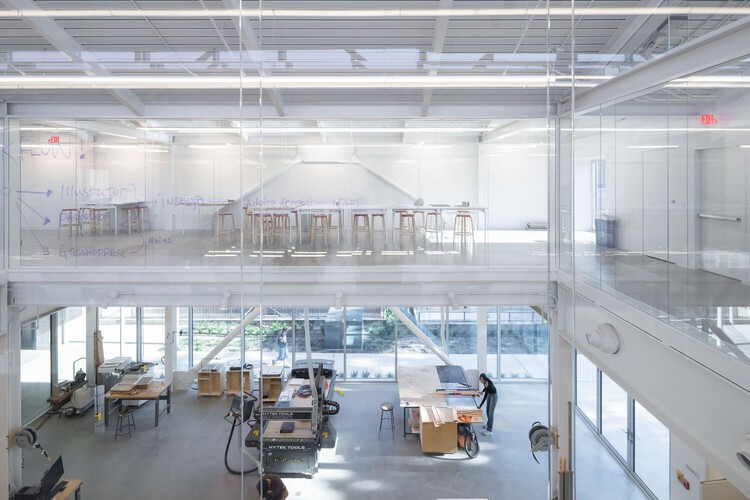
Recent federal discussions in the United States regarding the reclassification of architecture as a degree that no longer carries professional standing have intensified the need to articulate the purpose and structure of accredited programs. These political conditions have produced a moment in which the internal coherence of architectural curricula intersects with broader questions on public welfare, technical accountability, and the ethical responsibilities that define professional expertise. Architectural education in the United States requires an examination that acknowledges its internal pedagogical logic and the external pressures that shape its contemporary reception.

Beyond the Syllabus: Architectural Education and a Defense of the Profession - 1 的图像 4Beyond the Syllabus: Architectural Education and a Defense of the Profession - 2 的图像 4Beyond the Syllabus: Architectural Education and a Defense of the Profession - 3 的图像 4Beyond the Syllabus: Architectural Education and a Defense of the Profession - 4 的图像 4Beyond the Syllabus: Architectural Education and a Defense of the Profession - More Images+ 17

Could Computer Algorithms Design the Floor Plans of the Future?

Could Computer Algorithms Design the Floor Plans of the Future? - Image 1 of 4
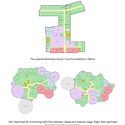
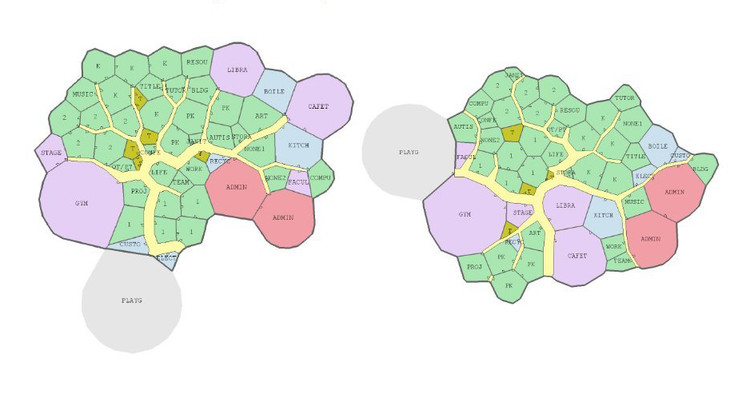
Optimized Floor Plan. Image Courtesy of Joel Simon

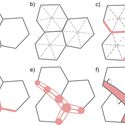
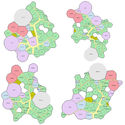
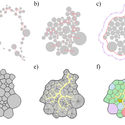
Programmer Joel Simon has created an experimental research project, Evolving Floor Plans, to explore speculative and optimized plan layouts using generative design. Interested in the intersection of computer science, biology and design, Joel organized rooms and expected flow of people through a genetic algorithm to minimize walking time, the use of hallways, etc.

The creative goal is to approach floor plan design solely from the perspective of optimization and without regard for convention or constructability. The research aims to see how a combination of explicit, implicit and emergent methods allow floor plans of high complexity to evolve.

Could Computer Algorithms Design the Floor Plans of the Future? - Image 1 of 4Could Computer Algorithms Design the Floor Plans of the Future? - Image 2 of 4Could Computer Algorithms Design the Floor Plans of the Future? - Image 3 of 4Could Computer Algorithms Design the Floor Plans of the Future? - Image 4 of 4Could Computer Algorithms Design the Floor Plans of the Future? - More Images