1. ArchDaily
  2. Preservation

Preservation: The Latest Architecture and News

First Aid for Endangered Heritage: An Interview with Ambulance for Monuments

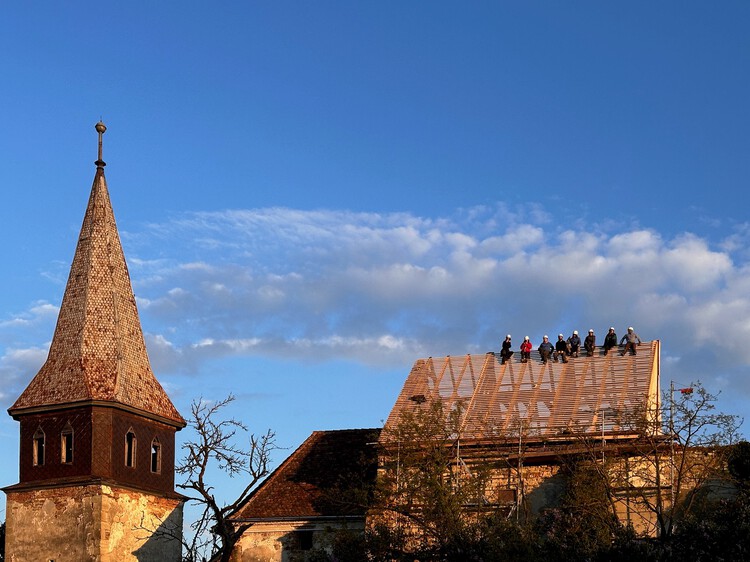
Ambulance for Monuments is a first-aid initiative dedicated to safeguarding Romania's endangered built heritage, operating in a race against time to prevent collapse and irreversible loss. The project responds to the growing vulnerability of historic structures, from Saxon fortified churches and manor houses to wooden churches and rural landmarks, many of which no longer benefit from the community networks that once sustained them. In a country deeply affected by emigration since 1990, where nearly half the population still lives in rural areas, entire villages have lost the people, skills, and everyday care that once kept these monuments standing.

Built around a mobile intervention unit, an "Ambulance" equipped with tools, scaffolding, and on-site equipment, the initiative delivers urgent stabilization works that buy time for endangered buildings. Rather than replacing full restoration, these strategic interventions preserve historic fabric, ensure structural safety, and keep long-term conservation and adaptive reuse possible. 

First Aid for Endangered Heritage: An Interview with Ambulance for Monuments - Image 1 of 4First Aid for Endangered Heritage: An Interview with Ambulance for Monuments - Image 2 of 4First Aid for Endangered Heritage: An Interview with Ambulance for Monuments - Image 3 of 4First Aid for Endangered Heritage: An Interview with Ambulance for Monuments - Image 4 of 4First Aid for Endangered Heritage: An Interview with Ambulance for Monuments - More Images+ 15

London’s Brutalist Heritage and Australia’s New City: This Week’s Review

This week's news brings together developments in professional recognition, cultural programming, and large-scale urban strategy, reflecting the multiple scales at which architecture shapes contemporary discourse. As the field anticipates the next Pritzker Architecture Prize announcement, conversations around authorship, civic responsibility, and long-term impact unfold alongside the American Institute of Architects' 2026 Honorary Fellowship appointments, situating individual achievement within broader institutional frameworks. At the same time, updates from Riyadh to London foreground the role of architecture in both enabling new cultural platforms and safeguarding post-war heritage. Complementing these narratives, the reassignment of the 2029 Asian Winter Games and progress on expansive public landscapes highlight how cities are aligning infrastructure delivery, environmental resilience, and territorial planning with long-term economic and social agendas.

London’s Brutalist Heritage and Australia’s New City: This Week’s Review - Image 1 of 4London’s Brutalist Heritage and Australia’s New City: This Week’s Review - Image 2 of 4London’s Brutalist Heritage and Australia’s New City: This Week’s Review - Image 3 of 4London’s Brutalist Heritage and Australia’s New City: This Week’s Review - Image 4 of 4London’s Brutalist Heritage and Australia’s New City: This Week’s Review - More Images+ 7

Rethinking Heritage: ArchDaily’s February Editorial Focus

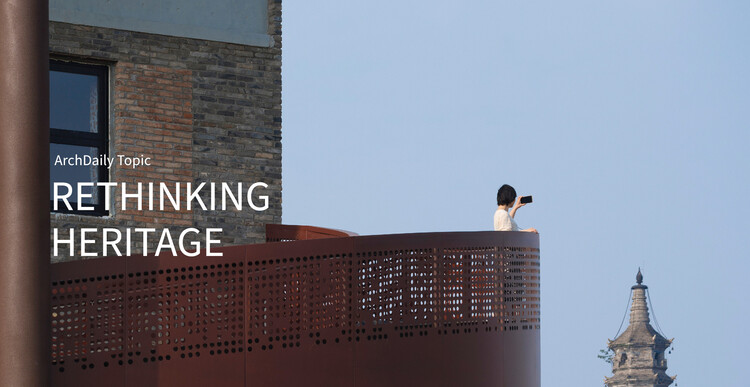
"We know we are not born to die," often said Brazilian architect Paulo Mendes da Rocha. "We are born to continue." In architecture, this idea of continuity lies at the heart of heritage, not as a static inheritance, but as something that endures, transforms, and is constantly reinterpreted. Yet what continues, and what is allowed to disappear, is never neutral. Decisions about preservation are shaped by power, memory, and value, raising a fundamental question for contemporary practice: who defines what is worth carrying forward, and for whom?

Rethinking Heritage: ArchDaily’s February Editorial Focus - Image 1 of 4Rethinking Heritage: ArchDaily’s February Editorial Focus - Image 2 of 4Rethinking Heritage: ArchDaily’s February Editorial Focus - Image 3 of 4Rethinking Heritage: ArchDaily’s February Editorial Focus - Image 4 of 4Rethinking Heritage: ArchDaily’s February Editorial Focus - More Images+ 4

Palestinian Architect Suad Amiry Wins 2025 Great Arab Minds Award in Architecture and Design

Palestinian architect Suad Amiry has been awarded the 2025 Great Arab Minds Award in the Architecture and Design category. Founder and director of the Riwaq - Centre for Architectural Conservation, Amiry was recognised for her long-standing work in documenting, preserving, and reusing Palestinian architectural heritage through conservation practices that link historic structures with contemporary community needs. Her approach positions architecture as both a repository of collective memory and an active social framework, emphasising the role of heritage in everyday urban and rural life.

Palestinian Architect Suad Amiry Wins 2025 Great Arab Minds Award in Architecture and Design - Image 1 of 4Palestinian Architect Suad Amiry Wins 2025 Great Arab Minds Award in Architecture and Design - Image 2 of 4Palestinian Architect Suad Amiry Wins 2025 Great Arab Minds Award in Architecture and Design - Image 3 of 4Palestinian Architect Suad Amiry Wins 2025 Great Arab Minds Award in Architecture and Design - Image 4 of 4Palestinian Architect Suad Amiry Wins 2025 Great Arab Minds Award in Architecture and Design - More Images+ 3

How Open-Source Toolkits Are Democratizing Built Heritage

For monuments worthy of sustained admiration, conservation practices have been selectively mobilized to reinforce their prestige and secure their place at the center of heritage narratives. Structures whose vernacular ought to be passed down miss the discerning eye of the experts. Rowhouses, shopfronts, and neighborhood structures that form the fabric of our cities are often left to deteriorate beyond repair. Much more is lost, apart from aesthetics.

How Open-Source Toolkits Are Democratizing Built Heritage - Image 1 of 4How Open-Source Toolkits Are Democratizing Built Heritage - Image 2 of 4How Open-Source Toolkits Are Democratizing Built Heritage - Image 3 of 4How Open-Source Toolkits Are Democratizing Built Heritage - Image 4 of 4How Open-Source Toolkits Are Democratizing Built Heritage - More Images+ 4

Form Follows the Existing: 15 Homes Designed to Preserve Local Trees

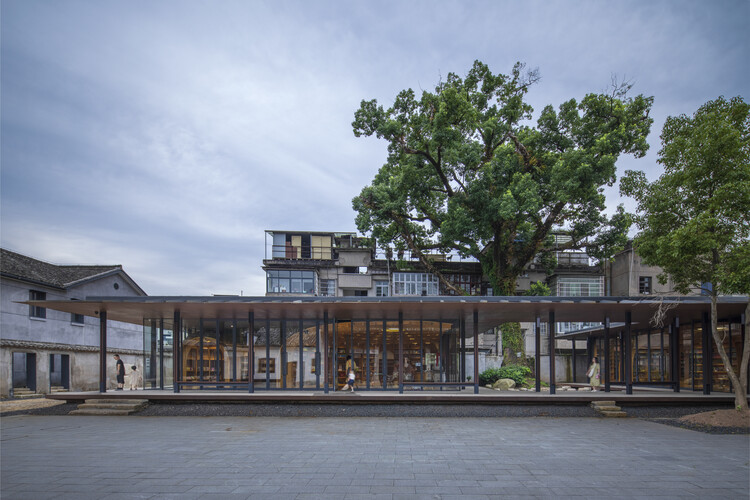
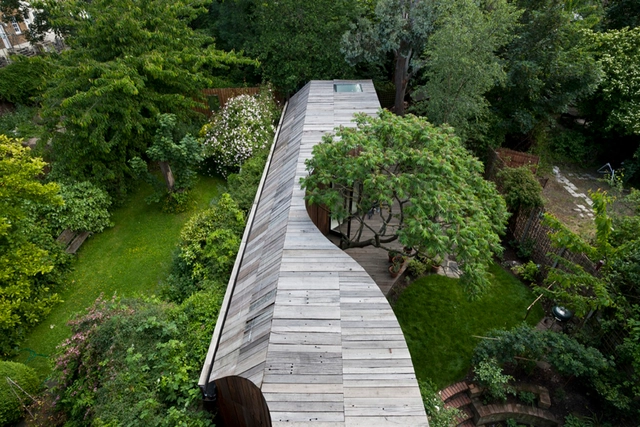
The preservation of the environment and the harmonious integration of the built and natural elements are fundamental principles in contemporary architecture. Various design strategies are employed to achieve this balance, ranging from the revival of vernacular techniques to the use of advanced technologies. However, this concern goes beyond the choice of specific construction systems or innovative materials; it also manifests in the design approach that ensures the preservation of the site's natural elements. In this context, we present 15 homes designed to protect local trees, showcasing how architectural decisions can adapt to nature rather than impose on it.

Form Follows the Existing: 15 Homes Designed to Preserve Local Trees - Image 1 of 4Form Follows the Existing: 15 Homes Designed to Preserve Local Trees - Image 2 of 4Form Follows the Existing: 15 Homes Designed to Preserve Local Trees - Image 3 of 4Form Follows the Existing: 15 Homes Designed to Preserve Local Trees - Image 4 of 4Form Follows the Existing: 15 Homes Designed to Preserve Local Trees - More Images+ 27

Eames House Reopens With Expanded Public Access Following Restoration

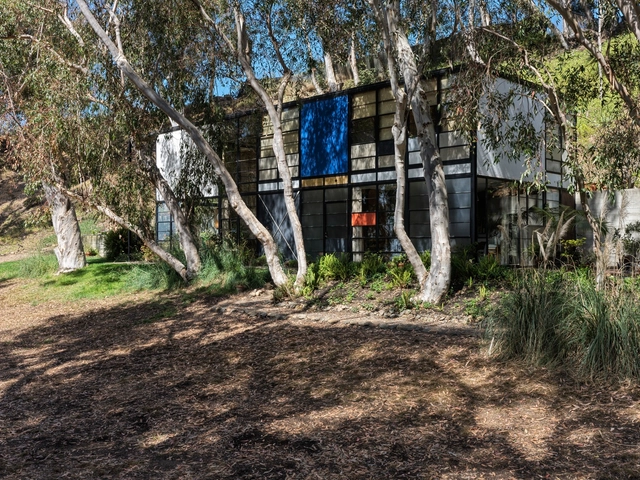
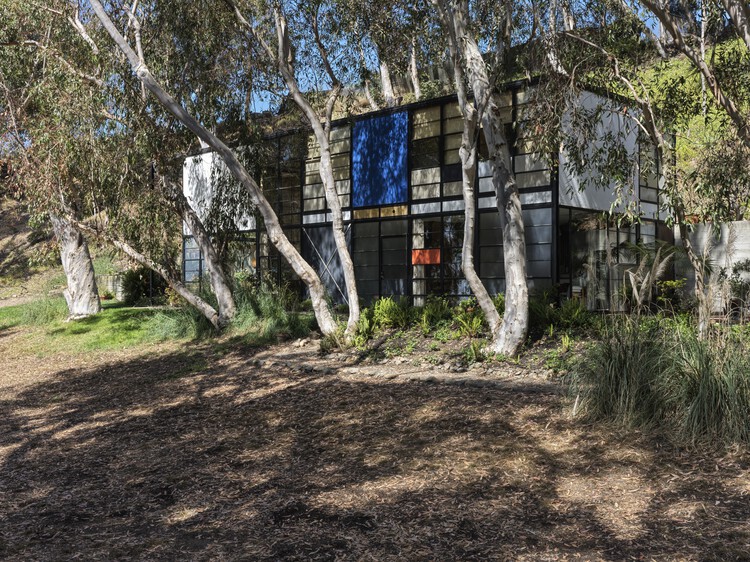
Following an extensive conservation process, the Eames House, Case Study House No. 8, has reopened to visitors after a five-month closure due to smoke damage from the Palisades Wildfire earlier this year. Although the iconic structure, designed by Charles and Ray Eames in 1949 as part of the Case Study House Program, was not directly damaged by flames, it required comprehensive cleaning and restoration to address the effects of smoke infiltration. As part of the reopening, the adjacent Eames Studio, previously closed to the public, will now be accessible for the first time. Designed and used by Charles and Ray as a working space, the studio will serve as a venue for rotating exhibitions, workshops, and public programs, offering an expanded architectural experience.

Eames House Reopens With Expanded Public Access Following Restoration - Image 1 of 4Eames House Reopens With Expanded Public Access Following Restoration - Image 2 of 4Eames House Reopens With Expanded Public Access Following Restoration - Image 3 of 4Eames House Reopens With Expanded Public Access Following Restoration - Image 4 of 4Eames House Reopens With Expanded Public Access Following Restoration - More Images+ 3

Rice Museum: Architecture Rooted in Rural Memory and Ecology

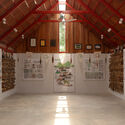
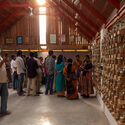
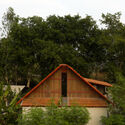
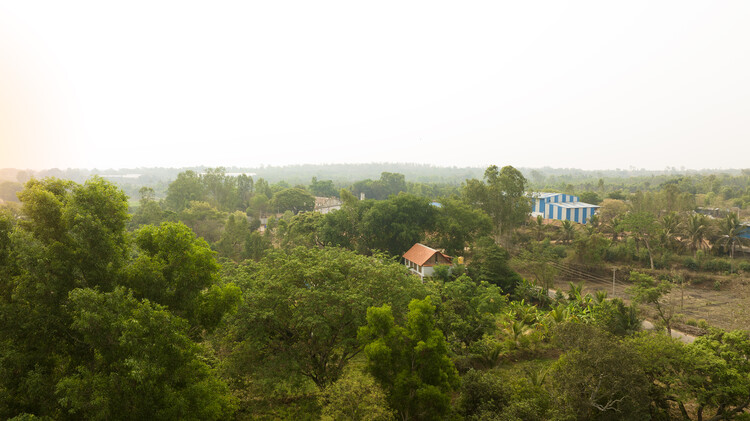
Located on a farm in southern India, the Rice Museum occupies the upper floor of Syed Ghani's home, nestled in the verdant agricultural landscape of Mandya — a region shaped by brick structures, expansive greenery, and ancestral farming knowledge. Syed Ghani, a farmer, historian, and museologist, has dedicated himself to preserving indigenous rice varieties through seed conservation, proliferation, and educational initiatives. With the support of local farmers, he has helped recover more than 1,000 native paddy (rice) varieties, safeguarding an essential part of India's agricultural heritage.

Rice Museum: Architecture Rooted in Rural Memory and Ecology - Image 1 of 4Rice Museum: Architecture Rooted in Rural Memory and Ecology - Image 2 of 4Rice Museum: Architecture Rooted in Rural Memory and Ecology - Image 3 of 4Rice Museum: Architecture Rooted in Rural Memory and Ecology - Image 4 of 4Rice Museum: Architecture Rooted in Rural Memory and Ecology - More Images+ 21

Conservation Campaign by Melbourne Citizens Successfully Extends Tadao Ando’s MPavilion until 2030

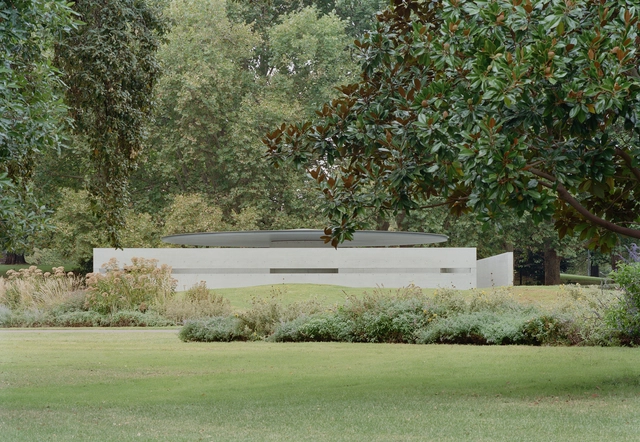
Every year, the Naomi Milgrom Foundation commissions an architect to design a temporary pavilion for the Queen Victoria Gardens, in the center of Melbourne's Southbank Arts Precinct. The pavilions are then transferred to the state of Victoria. The tenth edition of the MPavilion was designed by Pritzker Prize Laureate Tadao Ando as his first and only built work in Australia and the southern hemisphere. The pavilion opened on November 16, 2023, and its presence was extended until March 2025, hosting a wide-ranging program of cultural events over two summer seasons. After facing demolition, given the temporary nature of the initiative, a community-led program, "Preserve the Pavilion", was launched in hopes of preserving the building. The Naomi Milgrom Foundation has recently announced that the pavilion will remain in Queen Victoria Gardens until 2030, following a decision by the City of Melbourne.

Conservation Campaign by Melbourne Citizens Successfully Extends Tadao Ando’s MPavilion until 2030 - Image 1 of 4Conservation Campaign by Melbourne Citizens Successfully Extends Tadao Ando’s MPavilion until 2030 - Image 2 of 4Conservation Campaign by Melbourne Citizens Successfully Extends Tadao Ando’s MPavilion until 2030 - Image 3 of 4Conservation Campaign by Melbourne Citizens Successfully Extends Tadao Ando’s MPavilion until 2030 - Image 4 of 4Conservation Campaign by Melbourne Citizens Successfully Extends Tadao Ando’s MPavilion until 2030 - More Images+ 4

From Churches to Homes: Conversions and Contemporary Renovations That Fuse Past and Present

Subscriber Access | 

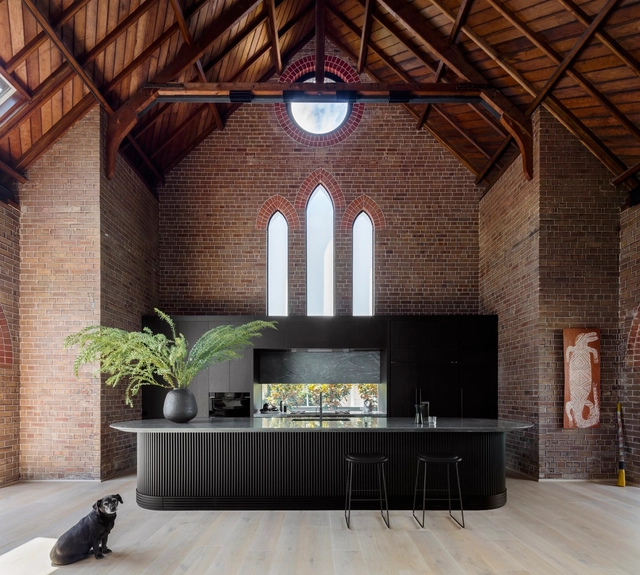
What does a change in use and/or scale in buildings imply? How can a church or chapel be transformed into a home? While the architecture of many contemporary sacred spaces shows a remarkable capacity for adaptation and evolution, the creative boundaries of many professionals extend beyond their conception as structures of spirituality or worship. Globally, the conversion of large churches and small chapels into private residences reveals a wide field for intervention and exploration, one that can preserve, restore, adapt, and/or renew the character of spaces originally conceived for other uses and scales, which for various reasons have been abandoned, become obsolete, or now require transformation.

From Churches to Homes: Conversions and Contemporary Renovations That Fuse Past and Present - Image 1 of 4From Churches to Homes: Conversions and Contemporary Renovations That Fuse Past and Present - Image 2 of 4From Churches to Homes: Conversions and Contemporary Renovations That Fuse Past and Present - Image 3 of 4From Churches to Homes: Conversions and Contemporary Renovations That Fuse Past and Present - Image 4 of 4From Churches to Homes: Conversions and Contemporary Renovations That Fuse Past and Present - More Images+ 25

The Azerbaijan Pavilion Explores Regeneration, Innovation, and Preservation at Its First Venice Architecture Biennale

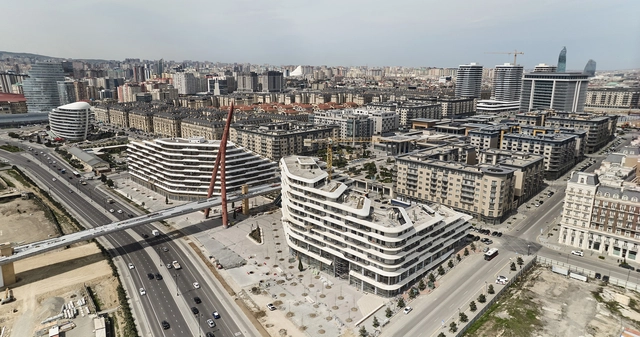
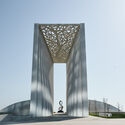
The Azerbaijan national pavilion, participating in the Venice Architecture Biennale for the first time, presents Equilibrium. Patterns of Azerbaijan. Curated by Nigar Gardashkhanova, the exhibition aligns with the overarching theme of this year's Biennale Intelligens. Natural. Artificial. Collective. Focusing on innovative design responses to the climate crisis, the pavilion emphasizes the principles of Regenerate. Innovate. Preserve. Featuring projects commissioned by Rashad Aslanov, the exhibition showcases contributions from the Azerbaijan Development Company (ADEC), Simmetrico Architettura, and Adalat Mammadov. Organized by the Heydar Aliyev Foundation and the Ministry of Culture of the Republic of Azerbaijan, with support from the Embassy of Azerbaijan in Italy, the exhibition will run from May 10 to November 23, 2025, at Castello 2127/A, near the Arsenale.

The Azerbaijan Pavilion Explores Regeneration, Innovation, and Preservation at Its First Venice Architecture Biennale - Image 1 of 4The Azerbaijan Pavilion Explores Regeneration, Innovation, and Preservation at Its First Venice Architecture Biennale - Image 2 of 4The Azerbaijan Pavilion Explores Regeneration, Innovation, and Preservation at Its First Venice Architecture Biennale - Image 3 of 4The Azerbaijan Pavilion Explores Regeneration, Innovation, and Preservation at Its First Venice Architecture Biennale - Image 4 of 4The Azerbaijan Pavilion Explores Regeneration, Innovation, and Preservation at Its First Venice Architecture Biennale - More Images+ 19

Lina Ghotmeh Wins Competition to Redesign British Museum’s Western Range

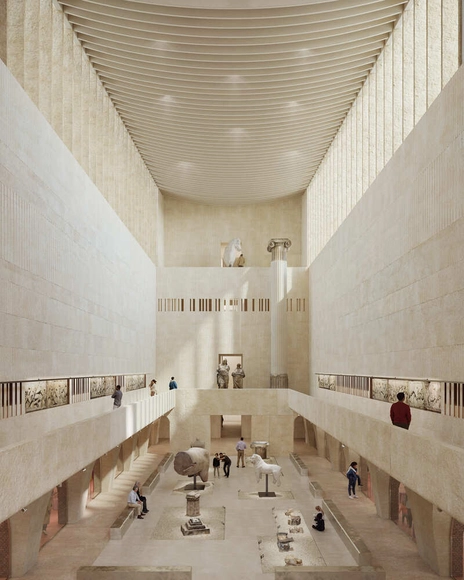
The British Museum has announced that Paris-based Lina Ghotmeh Architecture (LGA) has been selected to lead the redesign of its Western Range galleries. This decision follows a rigorous international competition, marking a significant milestone in the Museum's Masterplan, a long-term initiative to modernize its Bloomsbury site while maintaining its historic integrity. The project will be one of the most extensive cultural redevelopments globally, covering approximately 15,650 square meters, including a third of the museum's gallery space.

Lina Ghotmeh Wins Competition to Redesign British Museum’s Western Range - Image 1 of 4Lina Ghotmeh Wins Competition to Redesign British Museum’s Western Range - Image 2 of 4Lina Ghotmeh Wins Competition to Redesign British Museum’s Western Range - Image 3 of 4Lina Ghotmeh Wins Competition to Redesign British Museum’s Western Range - Image 4 of 4Lina Ghotmeh Wins Competition to Redesign British Museum’s Western Range - More Images+ 1

Demolition of Modernist Landmark Hotel Jugoslavia Begins in Belgrade, Serbia

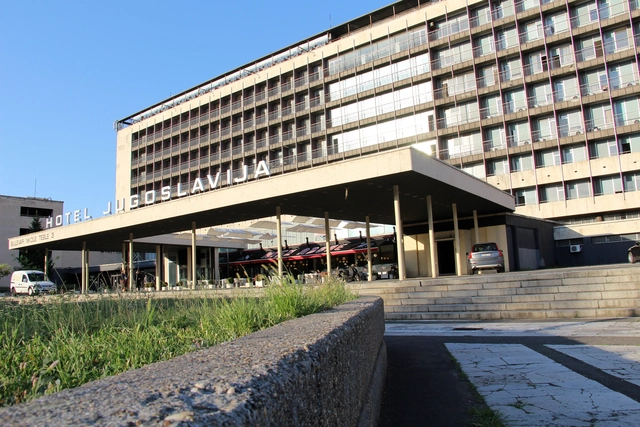
The demolition of Hotel Jugoslavija, a notable example of modernist architecture in Belgrade, has begun, making way for new development in the city's rapidly changing urban landscape. Constructed in 1969 in New Belgrade, the hotel was once among the largest and most prominent in Europe, reflecting the aspirations of the Socialist Federal Republic of Yugoslavia (SFRY) during its peak. Designed by Zagreb architect Lavoslav Horvat, the eight-story hotel was a key project under the leadership of Josip Broz Tito. It showcased the modernist principles of the time, combining functionality with imposing architectural forms. Its interiors featured luxurious details, including a Swarovski chandelier comprised of 40,000 crystals, which underscored the building's significance as a flagship of Yugoslavia's international presence.

Demolition of Modernist Landmark Hotel Jugoslavia Begins in Belgrade, Serbia - Image 1 of 4Demolition of Modernist Landmark Hotel Jugoslavia Begins in Belgrade, Serbia - Image 2 of 4Demolition of Modernist Landmark Hotel Jugoslavia Begins in Belgrade, Serbia - Image 3 of 4Demolition of Modernist Landmark Hotel Jugoslavia Begins in Belgrade, Serbia - Image 4 of 4Demolition of Modernist Landmark Hotel Jugoslavia Begins in Belgrade, Serbia - More Images

Zaha Hadid Architects and Bureau Cube Partners Transform Historic Industrial Paper Mill into a Cultural Center in Belgrade, Serbia

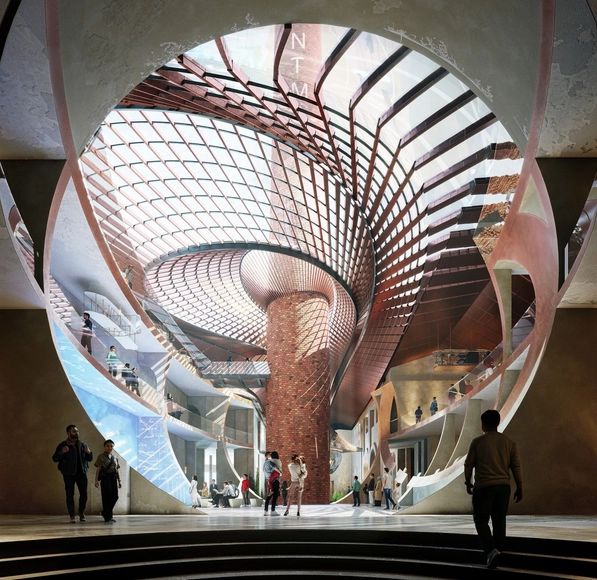
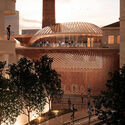
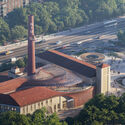
Following an international design competition, the winning proposal for the new Nikola Tesla Museum in Belgrade, Serbia, was announced. Designed by Zaha Hadid Architects (ZHA) in collaboration with Serbia's Bureau Cube Partners, the project seeks to transform the historic Milan Vapa Paper Mill into a contemporary cultural center that celebrates Nikola Tesla's scientific achievements while preserving the site's architectural heritage.

Zaha Hadid Architects and Bureau Cube Partners Transform Historic Industrial Paper Mill into a Cultural Center in Belgrade, Serbia - Image 1 of 4Zaha Hadid Architects and Bureau Cube Partners Transform Historic Industrial Paper Mill into a Cultural Center in Belgrade, Serbia - Image 2 of 4Zaha Hadid Architects and Bureau Cube Partners Transform Historic Industrial Paper Mill into a Cultural Center in Belgrade, Serbia - Image 3 of 4Zaha Hadid Architects and Bureau Cube Partners Transform Historic Industrial Paper Mill into a Cultural Center in Belgrade, Serbia - Image 4 of 4Zaha Hadid Architects and Bureau Cube Partners Transform Historic Industrial Paper Mill into a Cultural Center in Belgrade, Serbia - More Images

Detroit’s Renaissance Center to Be Reimagined as a Mixed-Use Waterfront Destination in United States

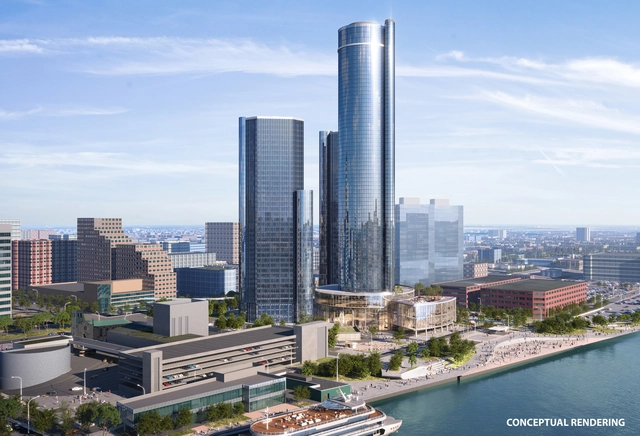
General Motors and Bedrock have unveiled a bold $1.6 billion proposal to reimagine Detroit's iconic Renaissance Center and 27 surrounding acres along the Detroit riverfront. The plan aims to transform the 1970s landmark into a dynamic mixed-use complex focused on housing, offices, and entertainment while preserving the essence of Detroit's skyline. The redevelopment includes the demolition of two 39-story towers in the five-skyscraper complex, freeing up valuable riverfront space for redevelopment while preserving the city's skyline.

Detroit’s Renaissance Center to Be Reimagined as a Mixed-Use Waterfront Destination in United States - Image 1 of 4Detroit’s Renaissance Center to Be Reimagined as a Mixed-Use Waterfront Destination in United States - Image 2 of 4Detroit’s Renaissance Center to Be Reimagined as a Mixed-Use Waterfront Destination in United States - Image 3 of 4Detroit’s Renaissance Center to Be Reimagined as a Mixed-Use Waterfront Destination in United States - Image 4 of 4Detroit’s Renaissance Center to Be Reimagined as a Mixed-Use Waterfront Destination in United States - More Images

Architectural Grafting: A Strategy for Sustainable Design

Subscriber Access | 

Architectural grafting, a concept recently popularized by Jeanne Gang in The Art of Architectural Grafting, presents a transformative approach to urban regeneration and sustainability. Drawing inspiration from botanical and horticultural practices — where new growth is added to existing plants for enhanced resilience — this architectural method integrates new structures with existing ones, allowing them to coexist and adapt. Rather than pursuing demolition, grafting prioritizes adaptation, extending the life of buildings while safeguarding their cultural and historical significance.

While Studio Gang has played a pivotal role in advancing this method, architectural grafting embodies a broader principle that architects have long used to enhance sustainability, conserve resources, and honor heritage. Across scales — from individual buildings to urban landscapesgrafting reshapes the relationship between past and present, adapting existing structures for contemporary needs while addressing environmental demands. By reimagining historic buildings for modern use, this approach fosters a sustainable evolution of cityscapes.

Architectural Grafting: A Strategy for Sustainable Design - Image 1 of 4Architectural Grafting: A Strategy for Sustainable Design - Image 2 of 4Architectural Grafting: A Strategy for Sustainable Design - Image 3 of 4Architectural Grafting: A Strategy for Sustainable Design - Image 4 of 4Architectural Grafting: A Strategy for Sustainable Design - More Images+ 59

Exploring the Legacy of Modernism in Landscape Architecture

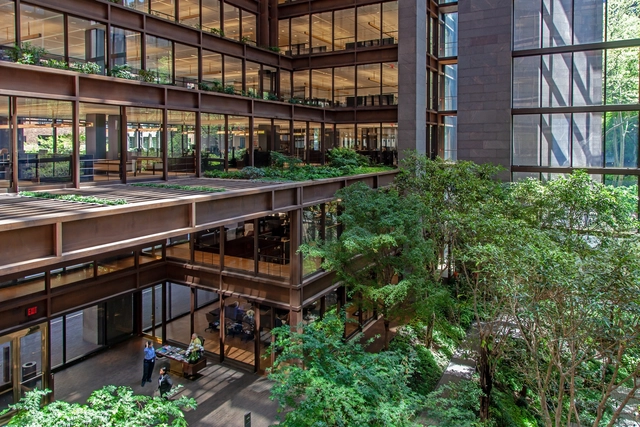
Modernist landscape architecture marked a radical shift from traditional garden designs, emphasizing simplicity, functionality, and a stronger connection between people and their environments. From the 1930s through the 1960s, this movement saw the emergence of visionary landscape architects who integrated form and function in ways that redefined outdoor spaces. Their designs responded to the rapidly evolving urban landscapes of the time, prioritizing usability and creating environments that could accommodate modern life. The enduring influence of these principles continues to shape contemporary practices, while also presenting unique challenges in preservation as these landscapes age.

Exploring the Legacy of Modernism in Landscape Architecture - Image 1 of 4Exploring the Legacy of Modernism in Landscape Architecture - Image 2 of 4Exploring the Legacy of Modernism in Landscape Architecture - Image 3 of 4Exploring the Legacy of Modernism in Landscape Architecture - Image 4 of 4Exploring the Legacy of Modernism in Landscape Architecture - More Images+ 18

Architectural Interventions in UNESCO World Heritage Sites: A Dialogue Between Preservation and Innovation

Subscriber Access | 

Contemporary architecture in UNESCO World Heritage contexts presents a unique challenge: revitalizing historically significant sites while adhering to strict preservation guidelines. From urban centers to natural landscapes and intangible cultural traditions, these projects demonstrate the delicate balance between innovation and heritage conservation. Whether working in a mega city, a protected landscape, or a culturally rich rural area, architects are tasked with reimagining these spaces without compromising their historical value. Each project offers a fresh perspective on how heritage sites can evolve and remain relevant in modern times.


Architectural Interventions in UNESCO World Heritage Sites: A Dialogue Between Preservation and Innovation - Image 1 of 4Architectural Interventions in UNESCO World Heritage Sites: A Dialogue Between Preservation and Innovation - Image 2 of 4Architectural Interventions in UNESCO World Heritage Sites: A Dialogue Between Preservation and Innovation - Image 4 of 4Architectural Interventions in UNESCO World Heritage Sites: A Dialogue Between Preservation and Innovation - Image 3 of 4Architectural Interventions in UNESCO World Heritage Sites: A Dialogue Between Preservation and Innovation - More Images+ 7